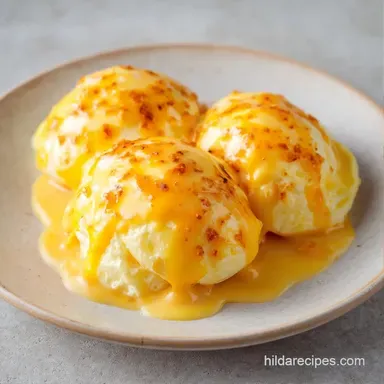
Cheesy Egg Scramble: Glossy and Rich
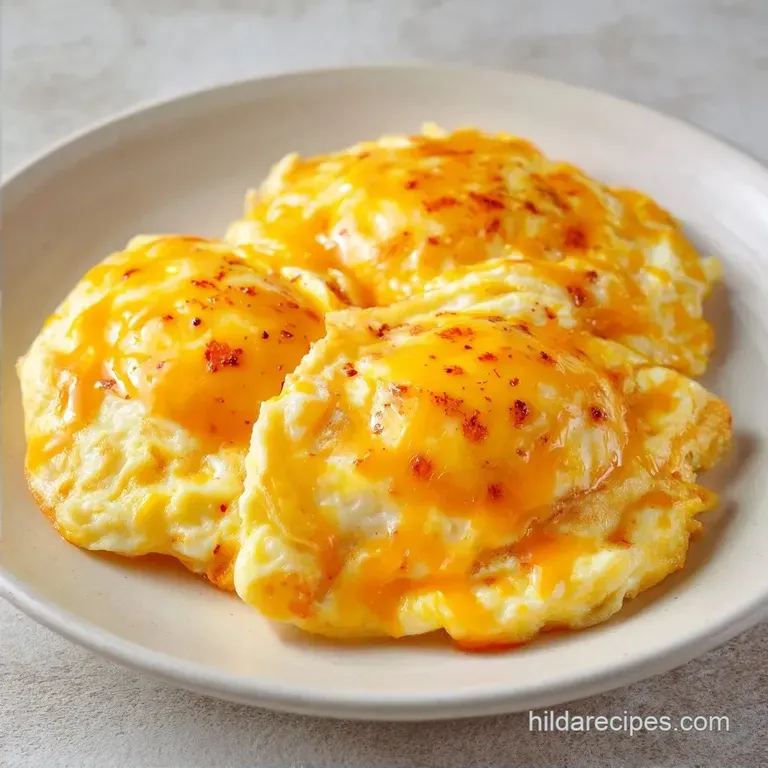
- Time: 2 min prep + 5 min cook
- Flavor/Texture Hook: Glossy, rich, and cheesy
- Perfect for: Busy mornings or a quick protein snack
The sound of butter foaming in a pan is the best part of my morning. I used to just throw eggs in a pan and hope for the best, but I usually ended up with dry, brown chunks that tasted like cardboard. I remember one Tuesday when I was running ten minutes late for a Zoom call and decided to actually slow down for once.
I lowered the heat and waited for the butter to smell nutty before adding the eggs.
The result was a totally different meal. It was soft, rich, and actually felt like something from a bistro. Now, this Cheesy Egg Scramble is my go to because it feels like a treat but doesn't require a huge cleanup.
You can expect a meal that stays moist and creamy. We aren't looking for hard cooked eggs here. The goal is a gentle set where the cheese just barely melts into the curds, creating a rich texture without the grease.
Quick Cheesy Egg Scramble
Right then, the main goal is to keep the heat low. Most people crank the stove to medium high, which is why their eggs get those brown, crispy edges. For this recipe, patience is the only "hard" part. If you can wait 20 seconds for the eggs to set before moving them, you've already won.
The trick is removing the pan from the stove while the eggs still look a little wet. They keep cooking for a minute after they leave the heat. If they look finished in the pan, they'll be overdone by the time they hit your plate.
Why This Texture Works
The Milk Addition: Milk slows down the proteins from bonding too tightly, which keeps the eggs tender.
Residual Heat: Pulling the pan off the fire while the eggs are glossy uses the remaining heat to melt the cheese without drying out the eggs.
| Method | Time | Texture | Best For |
|---|---|---|---|
| Stovetop | 7 mins | Soft and glossy | Fresh breakfast |
| Microwave | 3 mins | Slightly rubbery | Extreme rush |
| Oven Bake | 20 mins | Firm and set | Large groups |
Ingredient Deep Dive
| Ingredient | What It Does | Best Swap |
|---|---|---|
| Large Eggs | Provides the main structure | Egg whites (leaner, less flavor) |
| Whole Milk | Adds moisture and tenderness | Heavy cream (richer, thicker) |
| Unsalted Butter | Adds flavor and prevents sticking | Olive oil (cleaner taste, less rich) |
| Sharp Cheddar | Provides salt and creamy melt | Pepper Jack (for a spicy kick) |
Tools You Need
You don't need a fancy kitchen to make this. A non stick skillet is the only real requirement. If you use stainless steel, you'll need more butter, and the eggs are more likely to stick.
A silicone spatula is also a must. Plastic ones can scratch your pan, and metal ones just don't glide through the eggs as smoothly. I use a small mixing bowl and a fork or whisk to get those eggs properly blended.
The Cooking Process
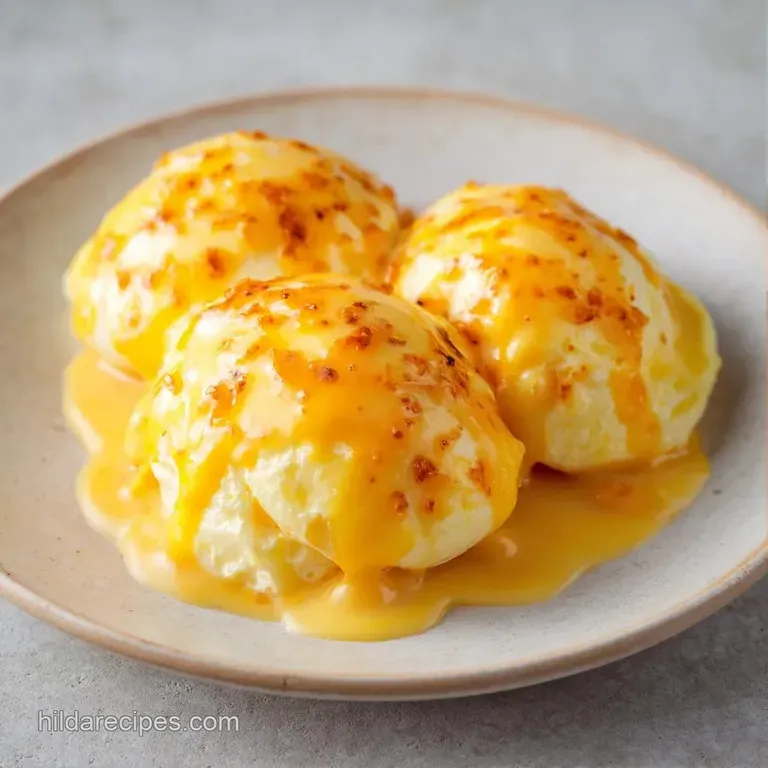
The Aeration Phase
Crack the eggs into a bowl and add the milk, salt, and pepper. Whisk vigorously for 30 seconds until the mixture is a uniform pale yellow with small bubbles on the surface. This incorporates air, which makes the final result fluffier. According to guides on Serious Eats, beating eggs well ensures the yolk and white are fully combined for a consistent color.
The Gentle Sizzle
Place a non stick skillet over medium low heat and add the butter. Once the butter foams and smells nutty, pour in the egg mixture. Let it sit undisturbed for about 20 seconds. This allows a base layer to form without scorching.
The Soft Fold
Using a silicone spatula, gently push the eggs from the edges toward the center to create large, velvety curds. Continue this folding motion slowly. Don't chop the eggs into tiny pieces. Keep the curds large and soft.
The Cheesy Finish
When the eggs are set but still look slightly wet and glossy, sprinkle the shredded cheese evenly across the top. Fold the cheese in once or twice and immediately remove the pan from the heat. Let the residual heat finish the melt.
Chef Note: Grate your own cheese if you can. Pre shredded bags have potato starch to prevent clumping, which can make the cheese feel a bit grainy in the pan.
Fixing Common Issues
If your eggs aren't coming out right, it's usually a temperature problem. I've spent plenty of mornings staring at a pan of rubbery eggs, wondering what happened. Most of the time, I just forgot that the pan keeps getting hotter as it sits on the burner.
Troubleshooting Common Issues
| Issue | Solution |
|---|---|
| Why Eggs Brown | If you see brown spots, your heat is too high. Eggs cook fast, and once they brown, they lose that tender quality. Turn the burner down to low and let the pan cool for a minute before starting again. |
| Why Cheese Separates | This happens when the eggs are overcooked before the cheese goes in. The fats in the cheese break down and leak out. Always add the cheese while the eggs still look "underdone." |
| Why Eggs Feel Rubbery | This is usually caused by over whisking for too long or cooking them until they are completely dry in the pan. Remember to pull them off the heat while they still look a bit wet. |
Flavor and Diet Swaps
This is a great base recipe. If you're feeling fancy, you can stir in some chopped chives or a pinch of paprika during the whisking phase. For a more filling meal, you can fold in some sautéed spinach or diced ham right before the cheese.
If you're feeding a crowd, you might prefer a cheesy egg bake since it's easier to do in a large dish. For those avoiding dairy, coconut milk works as a milk substitute, though it adds a slight tropical flavor. Nutritious options like nutritional yeast can replace the cheddar for a vegan style cheesy flavor.
The Egg Sandwich
Slide these eggs onto a toasted brioche bun with a slice of avocado. The richness of the eggs balances the freshness of the avocado.
The Egg Wrap
Roll the scramble into a warm flour tortilla with some salsa. This is the easiest way to take a Cheesy Egg Scramble on the go.
Storage and Reheating
I honestly don't recommend saving these for later, but you can. Store them in an airtight container in the fridge for up to 3 days.
To reheat, avoid the microwave if you can, as it often makes eggs rubbery. Instead, put them back in a pan over low heat with a tiny bit of butter. Heat them just until they are warm through. If you use a microwave, use low power and heat in 20 second bursts.
For zero waste, don't throw away your eggshells. Crush them up and mix them into your garden soil. They provide a slow release of calcium that plants love.
Great Side Pairings
A Cheesy Egg Scramble is rich, so it needs something to cut through that fat. I love serving this with a side of fresh berries or a sliced orange. The acidity wakes up the palate.
If you want something heartier, this goes great with a side of hash brown casserole. The crispy potatoes provide a nice contrast to the soft eggs. A piece of sourdough toast with a swipe of salted butter also completes the meal.
Egg Myths
Some people think that adding milk makes eggs watery. This is only true if you add too much. One tablespoon for two eggs is the sweet spot for tenderness without losing the structure.
Another myth is that you should whisk eggs until they are completely frothy to make them fluffy. While some air helps, over beating can actually incorporate too much air, causing the eggs to puff up and then collapse into a dense mass. Stick to 30 seconds of vigorous whisking.
Recipe FAQs
What is a good cheese to put in scrambled eggs?
Sharp cheddar cheese is the best choice. Its strong flavor cuts through the richness of the eggs and melts smoothly into the curds.
How to make really cheesy scrambled eggs?
Sprinkle shredded cheese across the top when eggs are set but still look wet. Fold the cheese in once or twice and remove the pan from the heat immediately to let residual heat finish the melt.
Is it good to add cheese to scrambled eggs?
Yes, it adds a rich, creamy texture. The fats in the cheese complement the egg proteins, making the breakfast feel more indulgent and satisfying.
What can I eat with scrambled eggs?
Fresh greens or toasted bread work well. For a lighter side, you might enjoy a crisp restaurant style salad to balance the richness of the cheddar.
How to make delicious scrambled eggs for breakfast?
Whisk eggs with milk, salt, and pepper for 30 seconds. Cook them in butter over medium-low heat, using a spatula to gently push the eggs toward the center to create velvety curds.
Why do my scrambled eggs often turn out rubbery?
This is usually caused by over-whisking or overcooking. To keep them tender, remove the pan from the heat while the eggs still look slightly wet and glossy.
Is it normal for scrambled eggs to have brown spots?
No, this is a common misconception about "searing" eggs. Brown spots indicate the heat is too high, which causes the eggs to lose their tender quality.
Cheesy Egg Scramble in 7 Minutes