Brazilian Cheese Bread: Chewy and Stretchy

- Time: 10 min active + 20 min baking = Total 30 mins
- Flavor/Texture Hook: Chewy, stretchy center with a mahogany toasted crust
- Perfect for: Quick party appetizers or a high energy breakfast
- Easy Brazilian Cheese Bread
- The Secret Chewy Texture
- Component Analysis
- Gathering Your Essentials
- Must Have Kitchen Gear
- Step-by-Step Baking Guide
- Common Baking Fixes
- Troubleshooting Common Issues
- Fun Flavor Tweaks
- Adjusting the Batch Size
- Common Bread Beliefs
- Storage Guidelines
- Best Serving Suggestions
- Recipe FAQs
- 📝 Recipe Card
Have you ever eaten a piece of bread that feels more like a savory marshmallow than a loaf? That was my first reaction when I tried these at a little pop up market. I remember the smell of toasted Parmesan hitting me before I even saw the stand, and the way the rolls practically bounced when the vendor dropped them into a paper bag.
I spent way too much money on frozen versions before realizing I could make this at home for a fraction of the cost. The trick is all in the starch. Once I stopped treating it like regular bread and started treating it like a savory cake, everything clicked.
You're going to love how fast this comes together. We're talking zero stress and minimal cleanup because the blender does the heavy lifting. This Brazilian Cheese Bread is a total crowd pleaser that feels fancy but uses basic pantry staples.
Easy Brazilian Cheese Bread
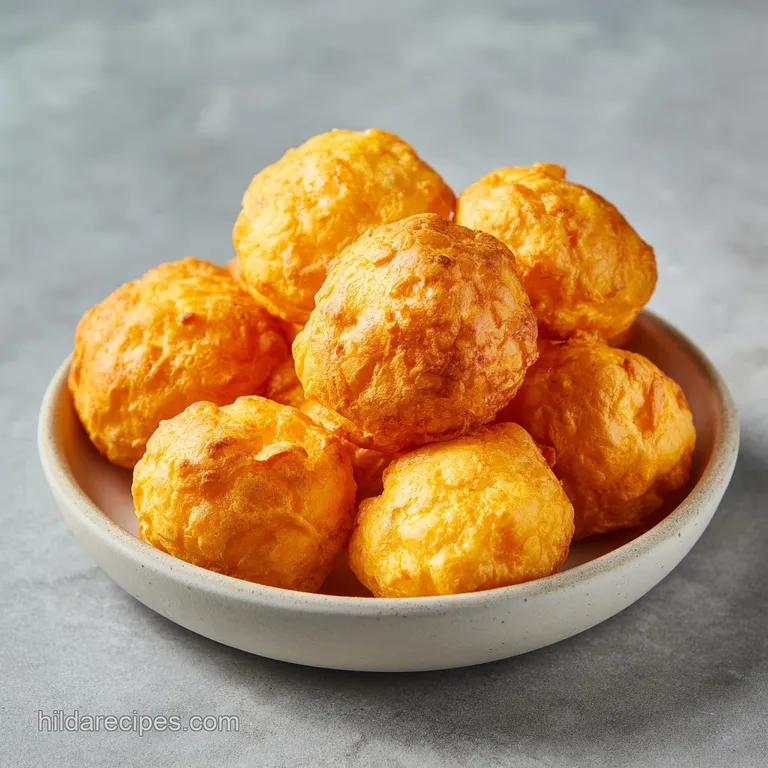
The magic here is the texture. You get this velvety batter that transforms into a light, airy roll with a signature "pull" that you just don't get with wheat flour. It's a bit of a trip the first time you see the dough, as it's way stickier than your average pizza or cookie dough, but trust me, that's exactly what you want.
Since we're going for a budget smart approach, you don't need expensive imported cheeses. While some people insist on specific regional brands, a good mix of store brand Parmesan and Mozzarella gives you that salty, stretchy vibe without breaking the bank.
It's basically a TikTok worthy snack that actually tastes as good as it looks.
For those of us with busy lives, the blender method is the only way to go. No kneading, no waiting for dough to rise, and no flour covered countertops. Just pulse, stir, and bake. It's a straightforward process that delivers a high impact result every single time.
The Secret Chewy Texture
This recipe doesn't use yeast or baking powder, so the rise comes from something completely different. Here is the breakdown of how it works:
- Starch Expansion: Tapioca flour is mostly starch, which expands rapidly when hit with high heat, pushing the bread upward.
- Steam Power: The high moisture content in the milk and eggs turns to steam in the oven, creating those airy pockets.
- Fat Emulsion: The oil and eggs create a stable structure that holds the air bubbles, preventing the rolls from collapsing.
- Protein Binding: Melted cheese acts as a binder, adding strength to the walls of the air bubbles for that stretchy feel.
The way tapioca interacts with heat is fascinating. According to the experts at [Serious Eats](https://www.seriouseats.com), the starch granules swell and burst, creating a gel like consistency that is responsible for that unique chewiness.
Whether you're making these for a brunch or as a side for dinner, the method remains the same. You can choose between a traditional bake or a quicker stovetop version if you're in a massive rush.
| Method | Time | Texture | Best For |
|---|---|---|---|
| Oven Baked | 20 mins | Uniform puff, toasted crust | Large batches, parties |
| Stovetop Pan | 12 mins | Flatter, crispier edges | Single servings, quick snacks |
Component Analysis
Understanding your ingredients helps you avoid those "why is my dough a puddle" moments. Here is what each part is actually doing in the mix.
| Ingredient | Science Role | Pro Secret |
|---|---|---|
| Tapioca Flour | Structural Base | Use "sour" tapioca for a tangier, more authentic taste |
| Whole Milk | Hydration & Fat | Room temperature milk prevents the oil from separating |
| Parmesan | Salt & Umami | Finely grate it to ensure it melts evenly into the dough |
| Eggs | Leavening Agent | Room temp eggs emulsify faster in the blender |
Using the right flour is non negotiable here. If you use cornstarch or arrowroot, you'll get something that tastes okay but lacks that iconic bounce. Tapioca is the only way to get that specific stretch.
Gathering Your Essentials
Keep it simple with these ingredients. I've found that using a mix of cheeses gives the best balance of flavor and stretch.
- 2 cups (260g) tapioca flour Why this? Essential for the signature chewy texture
- 1 cup (240ml) whole milk Why this? Provides necessary moisture and richness
- 1/2 cup (120ml) vegetable oil Why this? Ensures a tender crumb and prevents sticking
- 2 large eggs Why this? Acts as the primary binder and lifter
- 1 tsp (6g) salt Why this? Balances the richness of the cheese
- 1 1/2 cups (170g) finely grated Parmesan cheese Why this? Adds the salty, savory punch
- 1 cup (115g) finely grated Mozzarella cheese Why this? Creates the stretchy, melted center
Smart Ingredient Swaps
| Original Ingredient | Substitute | Why It Works |
|---|---|---|
| Vegetable Oil | Melted Butter | Similar fat content. Note: Adds a richer, nuttier flavor |
| Whole Milk | Full fat Coconut Milk | Same fat ratio. Note: Adds a subtle tropical hint |
| Parmesan | Pecorino Romano | Similar salty profile. Note: Sharper and more pungent |
| Mozzarella | Monterey Jack | Great meltability. Note: Slightly creamier, less "stringy" |
If you're looking for more easy appetizers for your next gathering, you might also like these [Sausage Balls](https://hildarecipes.com/recipes/easy bisquick-sausage balls/) which are just as simple to whip up.
Must Have Kitchen Gear
You don't need a professional kitchen for this. A basic blender and a baking sheet are the stars of the show.
- High speed blender or food processor (like a Ninja or KitchenAid)
- Large mixing bowl
- Silicone spatula (essential for the sticky dough)
- Baking sheet
- Parchment paper or silicone mat
- Greased cookie scoop (medium size)
Step-by-step Baking Guide
Let's crack on. The key here is to not overmix once the flour is in, or you'll lose some of that lightness.
Phase 1: Creating the Liquid Gold
- Combine the milk, oil, eggs, and salt in your blender.
- Pulse for about 30-60 seconds until the mixture is completely smooth and emulsified. Note: You want a consistent liquid with no oil streaks.
Phase 2: Folding and Incorporating
- Pour the blended liquid into a large bowl containing the tapioca flour.
- Stir with a spatula until a thick, sticky batter forms. Note: It will be very tacky, which is normal.
- Gently fold in the grated Parmesan and Mozzarella cheeses.
- Stir just until the cheese is evenly distributed. Note: Don't overwork the dough or it can become too dense.
Phase 3: Shaping and Baking
- Preheat your oven to 375°F (190°C) and line your pan with parchment.
- Using a greased scoop, drop rounded tablespoons of dough onto the sheet, spacing them 2 inches apart.
- Bake for 18-22 minutes until the rolls have puffed significantly and developed a mahogany colored glow on the bottom.
Chef Note: If the dough is too sticky to scoop, lightly oil your hands or the scoop. Avoid adding more flour, as that will make the rolls heavy and lead to a rubbery center.
Common Baking Fixes
Even the best home cooks hit a snag. Since this is a gluten-free recipe, the physics are different from wheat bread.
Troubleshooting Common Issues
| Issue | Solution |
|---|---|
| Why Your Rolls Are Flat | If your rolls didn't puff, it's usually a temperature issue. If the oven isn't fully preheated, the steam doesn't build up fast enough to lift the heavy starch. Make sure your oven is a true 375°F bef |
| Why the Center is Rubbery | This happens when the rolls are underbaked. Because they are so chewy, it's hard to tell when they are "done" just by looking. They need that mahogany color on the bottom to ensure the inside has set. |
| Why the Dough is Too Runny | Usually, this is due to egg size or flour measurement. If you scooped your flour instead of weighing it, you might have too little. |
Quick Fix Checklist
- ✓ Oven preheated to exactly 375°F
- ✓ Cheese is finely grated (not shreds)
- ✓ Ingredients are room temperature
- ✓ Baking sheet is lined with parchment
- ✓ Dough is scooped into uniform sizes
Fun Flavor Tweaks
Once you've nailed the basic Brazilian cheese bread, you can start playing with the profile. This recipe is a great canvas for other flavors.
For a Spicy Kick
Add 1/2 teaspoon of smoked paprika or a pinch of cayenne pepper to the blender. This gives the rolls a gorgeous orange hue and a lingering heat that pairs great with the salty cheese.
For an Herbaceous Twist
Fold in 1 tablespoon of finely chopped fresh rosemary or thyme during the folding phase. The earthy notes cut through the richness of the oil and cheese.
For a Richer Profile
Swap half of the Parmesan for aged white cheddar. This gives a sharper, more complex flavor, though you'll lose a bit of the traditional Brazilian taste.
If you want a more substantial meal to serve alongside these, some [Cajun Shrimp](https://hildarecipes.com/recipes/crispy creamy-cajun shrimp/) provide a great contrast in texture and a bold flavor profile.
Adjusting the Batch Size
You can easily change the yield of this easy pao de queijo recipe depending on who is coming over.
Scaling Down (1/2 Batch) If you only need 12 rolls, halve all ingredients. Since you can't easily halve an egg, beat one egg in a small bowl and use about 2 tablespoons of the mixture. Reduce the baking time by about 20%, checking them at 15 minutes.
Scaling Up (2x Batch) When doubling, be careful with the salt only increase it to 1.5x instead of 2x to avoid oversalting. Work in batches if your blender is small.
If baking two sheets at once, lower the temp to 350°F (180°C) and extend the time by 5 minutes to ensure even airflow.
Common Bread Beliefs
There are a few misconceptions about pao de queijo that often confuse beginners.
Myth: You need yeast for the rise. Truth: This is a starch based bread, not a yeast based one. The rise comes from the rapid expansion of tapioca starch and steam.
Myth: You can use any flour. Truth: All purpose or almond flour will not work. Only tapioca (or cassava) flour provides the specific gel like structure needed for the chew.
Myth: More cheese means more puff. Truth: Too much cheese can actually weigh down the dough and prevent it from rising. Stick to the ratios for the best results.
Storage Guidelines
These are best eaten warm, but you can definitely make a big batch and save them.
Fridge Storage Store baked rolls in an airtight container for up to 3 days. They will lose some of their bounce, so reheating is mandatory.
Freezer Storage The pro move is to freeze the raw dough balls. Place scooped balls on a tray, freeze until solid, then transfer to a freezer bag. They last 3 months. Bake from frozen, adding 5 minutes to the cook time.
Zero Waste Tip Don't toss your Parmesan rinds! Since you're using a lot of cheese for this recipe, save the hard ends of the block in your freezer. Drop them into a simmering pot of vegetable or chicken soup to add a deep, savory umami layer.
Best Serving Suggestions
While these are incredible on their own, a few pairings can make them a real experience.
For a traditional vibe, serve them with a strong, sweet Brazilian coffee. The bitterness of the coffee cuts right through the richness of the cheese. If you're serving them as part of a brunch, they go great with sliced avocado or a side of fresh papaya.
For a more savory spread, try a dipping sauce made of cream cheese, honey, and a dash of sriracha. The sweet and spicy contrast with the salty, chewy bread is a total win. Trust me on this, the honey sriracha combo is the way to go.
Recipe FAQs
Can I substitute tapioca flour with all-purpose flour?
No, this is a common misconception. Tapioca flour is essential for the characteristic chewy, airy structure; wheat flour will result in a standard bread roll instead.
Why are my cheese bread rolls flat?
Ensure your oven is fully preheated to 375°F. If the temperature is too low, steam doesn't build up fast enough to lift the heavy starch, preventing the rolls from puffing.
How to freeze the dough for later?
Scoop raw dough balls onto a tray and freeze until solid. Transfer them to a freezer bag for up to 3 months and add 5 minutes to the cook time when baking from frozen.
Is Brazilian cheese bread healthy?
It is a calorie dense snack. While naturally gluten-free, the high concentration of oil and cheese makes it best enjoyed in moderation.
Why is the center of my rolls rubbery?
Bake until the bottoms develop a mahogany colored glow. Because these rolls are naturally chewy, the dark bottom is the only reliable sign that the interior has fully set.
How to store the baked rolls?
Place them in an airtight container in the fridge for up to 3 days. You must reheat them before eating, as they lose their bounce when cold.
What is a good dessert pairing for these rolls?
Pair them with a traditional sweet treat. If you enjoy these regional flavors, try the silky texture of my coconut pudding.
Brazilian Cheese Bread