Brazilian Coconut Pudding: Silky and Rich
- Time: 10 min active + 15 min cook + 2 hours chilling = Total 2 hours 25 mins
- Flavor/Texture Hook: Silky, coconut rich, and velvety smooth
- Perfect for: Family gatherings, tropical themed parties, or a comforting weekend treat
The scent of toasted coconut hitting a hot pan is, for me, the smell of childhood. I remember watching my aunt stir a pot of something thick and pale, her arm moving in steady circles for what felt like hours. But for a long time, when I tried to recreate those Brazilian sweets, I ran into a wall.
My puddings always came out either like a thin soup or, even worse, with a rubbery, bouncy texture that felt more like gelatin than a creamy dessert.
The problem was usually a mix of heat control and timing. I used to just cook it until it "looked thick," which is a recipe for disaster. If you overcook the condensed milk, the sugars crystallize and the fats separate, leaving you with an oily mess. If you undercook it, the pudding never sets.
This specific version fixes that by focusing on the "release point," a visual cue that tells you exactly when to stop.
By adding the heavy cream after the heat is off, we stop the cooking process instantly. This preserves the velvety mouthfeel and prevents the proteins from tightening up too much. This brazilian coconut pudding recipe is all about that contrast, between the deep, cooked sweetness of the base and the fresh, cool finish of the cream.
The Best Brazilian Coconut Pudding Recipe
When you first dive into this brazilian coconut pudding recipe, you'll notice it's different from a standard custard. We aren't using eggs or a water bath. Instead, we're relying on the natural thickening power of reduced sweetened condensed milk and coconut fats.
It's a process more similar to making brigadeiros, where you're essentially creating a soft fudge that's then lightened up into a pudding.
The real magic happens in that saucepan. You start with a liquid slurry of coconut milk and condensed milk, and through a slow simmer, the water evaporates, leaving behind a concentrated, glossy concentrate. This is where the flavor builds.
The coconut milk doesn't just add taste, it adds a specific type of fat that carries the sweetness across your palate without feeling cloying.
I've found that using a heavy bottomed pan is non negotiable here. A thin pan creates hot spots that scorch the milk, leaving tiny brown specks in your pudding. If you've ever had a batch that tasted slightly burnt, it was probably your pan.
Once you hit that release point, the texture shifts from a liquid to a heavy cream, and that's when you know you've won.
Secrets of the Texture
Understanding why this works is the difference between a rubbery dessert and a silky one. It's not about complex chemistry, just about how heat affects fats and sugars.
- The Release Point: As water evaporates, the sugar and fat bind together, making the mixture heavy enough to pull away from the pan walls.
- Temperature Shock: Folding in cold heavy cream at the end drops the temperature immediately, locking in the creamy structure.
- Coconut Fiber: The shredded coconut acts as tiny anchors, giving the pudding a bit of body and "chew" so it doesn't feel like plain cream.
- Fat Saturation: Using full fat coconut milk ensures the pudding remains stable and doesn't weep liquid while chilling in the fridge.
| Method | Time | Texture | Best For |
|---|---|---|---|
| Stovetop | 15 mins | Silky & Glossy | Quick prep and precise control |
| Oven (Bake) | 45 mins | Dense & Custard like | Large crowds or traditional flan style |
This stovetop approach is my favorite because you can see and feel the pudding changing in real time. If you're planning a big dinner, this dessert pairs beautifully with a savory main like Grilled Pineapple Chicken, as the acidity of the grilled fruit cuts through the richness of the coconut.
Component Deep Dive
Every ingredient in this dish has a job. If you strip one out or swap it for a low-fat version, the structure collapses.
| Ingredient | Science Role | Pro Secret |
|---|---|---|
| Condensed Milk | Thickening Agent | Use a high-quality brand for a smoother melt |
| Coconut Milk | Flavor & Emulsion | Shake the can well to integrate the coconut cream |
| Heavy Cream | Texture Modifier | Keep it ice cold until the very last second |
| Shredded Coconut | Structural Body | Toast them slightly for a deeper, nuttier profile |
Pantry Needs
For this brazilian coconut pudding recipe, you want ingredients that are high in fat. low-fat substitutions will result in a pudding that doesn't set or feels "grainy."
- 1 can (397g) sweetened condensed milk Why this? Provides the necessary sugar and thickness
- 240ml full fat coconut milk Why this? Essential for the tropical flavor and creamy base
- 80g sweetened shredded coconut Why this? Adds texture and reinforces the coconut taste
- 28g unsalted butter Why this? Prevents sticking and adds a velvety sheen
- 120ml heavy cream Why this? Lightens the fudge like base into a pudding
- 15g toasted coconut flakes Why this? Adds a shatter like crunch on top
- 6 fresh mint leaves Why this? A pop of color and a fresh scent
| Original Ingredient | Substitute | Why It Works |
|---|---|---|
| Heavy Cream | Full fat Coconut Cream | Similar fat content. Note: Makes it dairy-free but intensifies coconut flavor |
| Shredded Coconut | Finely ground Almonds | Similar texture. Note: Changes flavor to nutty, less tropical |
| Butter | Coconut Oil (refined) | Similar fat profile. Note: Works well for a dairy-free twist |
If you enjoy these kinds of creamy textures, you might also like the sauce in my Crispy Cajun Shrimp recipe, which uses a similar emulsion technique to get that rich, clinging consistency.
Essential Gear
You don't need a professional kitchen, but a few specific tools make this much easier.
- Heavy Bottomed Saucepan: This is the most critical tool. It distributes heat evenly so the condensed milk doesn't burn.
- Silicone Spatula: You need to be able to scrape the bottom and corners of the pan constantly.
- Ramekins or Glass Cups: 6 small vessels (approx 150ml each) for individual portions.
- Plastic Wrap: Essential for covering the pudding to prevent a skin from forming.
Step-by-step Method
Follow these steps closely. The timings are a guide, but the visual cues are what really matter.
- Place your heavy bottomed saucepan over medium heat.
- Add the 28g butter, 397g sweetened condensed milk, 240ml coconut milk, and 80g shredded coconut.
- Stir the mixture constantly. Note: Use a silicone spatula to ensure no pockets of milk stick to the bottom.
- Cook for 8-12 minutes until the mixture reaches the release point. You'll know it's ready when the pudding thickens enough to slide away from the sides of the pan, leaving a clear path.
- Remove the pan from the heat immediately. Note: Do not let it sit on the hot burner, or it will overcook.
- Gently fold in the 120ml heavy cream. Use a slow, circular motion to incorporate the cream without deflating the mixture.
- Pour the mixture evenly into 6 ramekins.
- Press a piece of plastic wrap directly onto the surface of the pudding. Note: This prevents air from creating a tough skin on top.
- Refrigerate for at least 2 hours until firm and chilled.
- Top each serving with toasted coconut flakes and a mint leaf just before serving.
Fixing Common Issues
Even with a great brazilian coconut pudding recipe, things can go sideways. Usually, it's a temperature issue.
Troubleshooting Common Issues
| Issue | Solution |
|---|---|
| Pudding too runny | This usually happens if the mixture didn't reach the release point. If you remove it from the heat too early, the proteins and sugars haven't bonded enough to hold the structure. According to guidelin |
| Why did my pudding separate | If the mixture looks oily or grainy, it was likely overheated. When the fats in the butter and coconut milk break, they separate from the solids. To avoid this, keep your heat at a steady medium, neve |
| Prevent a skin | The skin forms when the surface of the pudding dries out in the fridge. The only way to stop this is to ensure the plastic wrap is touching the actual pudding, not just draped over the cup. |
Common Mistakes Checklist
- ✓ Did you use a heavy bottomed pan to prevent scorching?
- ✓ Did you stir constantly to avoid sugar crystals?
- ✓ Did you wait for the "release point" before removing from heat?
- ✓ Did you add the cream after the pan was off the heat?
- ✓ Is the plastic wrap touching the surface of the pudding?
Adjusting the Batch
You can easily scale this brazilian coconut pudding recipe, but you have to be careful with the heat.
Scaling Down (1/2 Batch): Use a smaller saucepan to prevent the liquids from evaporating too quickly. Reduce the cooking time by about 20%, as a smaller volume reaches the release point faster. For the cream, just use 60ml.
Scaling Up (2x Batch): Do not simply double the heat. Use a larger, wider pan to maintain a consistent simmer. I recommend increasing the butter slightly (to 3 tbsp) to help with the increased friction of the thicker mass. Be patient, as the release point will take longer to reach with a larger volume.
Dessert Myths
There are a few things people get wrong about coconut desserts that can ruin your experience.
Myth: Using "light" coconut milk works the same. It doesn't. Light coconut milk has most of the fat removed. Without that fat, the pudding won't emulsify with the condensed milk, leaving you with a watery mess that won't set.
Myth: You need to boil the pudding for a long time. Actually, boiling too hard can break the emulsion. You want a steady simmer. Once you hit the release point, any further heat just turns your pudding into a hard candy.
Storage Guidelines
This pudding keeps well, but it's best enjoyed within a few days.
Fridge Storage: Keep the ramekins covered with plastic wrap. They will stay fresh and velvety for up to 3 days. If you find they've thickened too much, a tiny drop of coconut milk stirred in can loosen them up.
Freezing: I don't recommend freezing this. The emulsion of coconut milk and heavy cream can break during the freeze thaw cycle, leaving the pudding with a grainy, separated texture.
Zero Waste Tip: If you have leftover coconut milk in the can, don't toss it. Freeze it in ice cube trays and drop them into your morning smoothies or use them to sauté vegetables for a creamy, tropical base.
Serving Suggestions
Presentation makes this feel like a high end treat rather than a quick home cook project.
The Classic Look
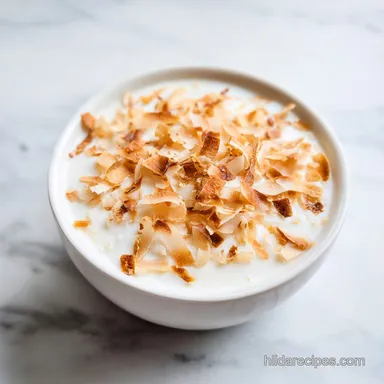
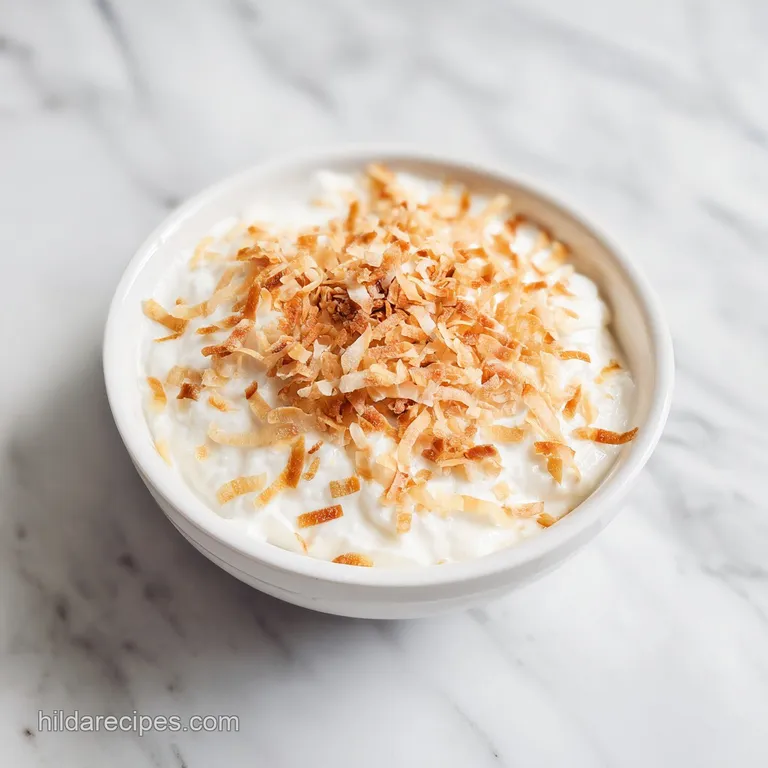
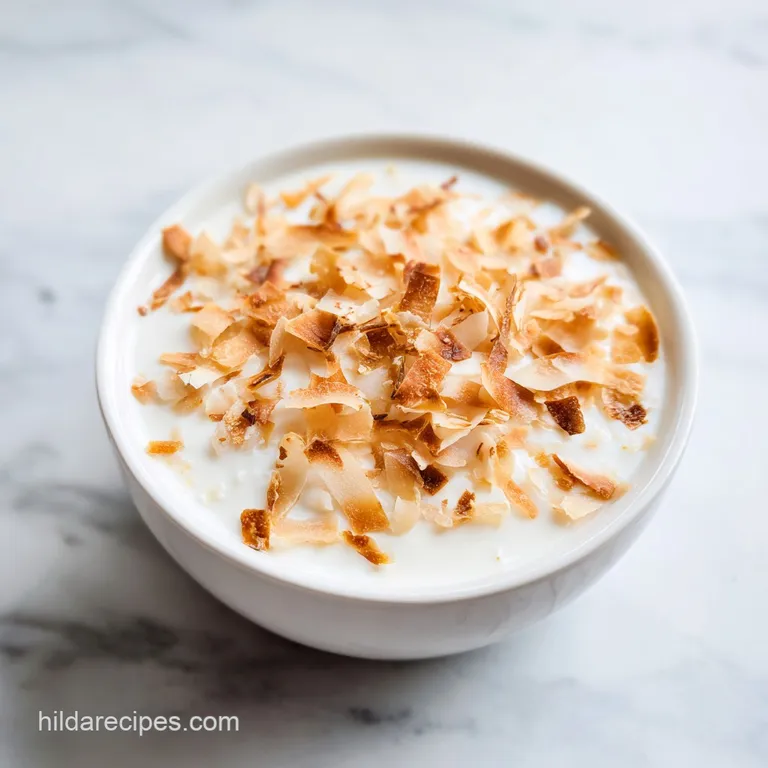
Serve the pudding in clear glass cups so the creamy white color pops. The toasted coconut flakes should be piled high in the center, creating a little mountain of crunch. The mint leaf provides a sharp green contrast that makes the dish look fresh.
Pairing Ideas
Since this pudding is very rich, pair it with something bright. A side of fresh passion fruit pulp or a few raspberries adds a tartness that balances the sugar. If you're serving it at a party, a small glass of cold espresso or a strong black tea cleanses the palate between bites of the rich coconut.
Recipe FAQs
What is Brazil's famous dessert?
Cocada is one of the most iconic Brazilian sweets. It is a versatile coconut based treat that ranges from firm, chewy candies to the creamy pudding featured in this recipe.
What is Brazilian cocada?
A traditional sweet made from shredded coconut, sugar, and milk. It is beloved throughout Brazil for its rich tropical flavor and can be served as a hard candy or a soft cream.
How to make tender Coconut Pudding?
Stir butter, condensed milk, coconut milk, and shredded coconut over medium heat. Cook for 8 12 minutes until the mixture reaches the release point, then fold in heavy cream and refrigerate for 2 hours.
What is cocada cremosa?
A smoother, softer variation of the traditional coconut candy. This version uses a higher ratio of liquids and cream to achieve a spoonable, pudding like consistency.
How does Cocada Cremosa differ from regular Cocada?
Texture and moisture levels. While regular Cocada is often a firm, chewy candy, Cocada Cremosa is a velvety, creamy dessert achieved by incorporating heavy cream at the end.
Can this dessert be made ahead?
Yes, it is actually better prepared in advance. The pudding requires at least 2 hours of refrigeration to set and develop its signature velvety texture.
What should I serve with Brazilian coconut pudding?
Light, buttery cookies provide a wonderful contrast. This rich dessert pairs perfectly with our vanilla wafer cookies to balance the sweetness.
Brazilian Coconut Pudding Recipe