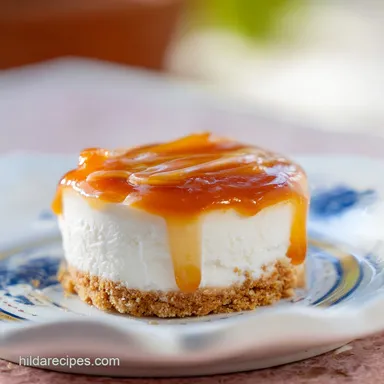
Dulce De Leche Cheesecake: Foolproof and Silky
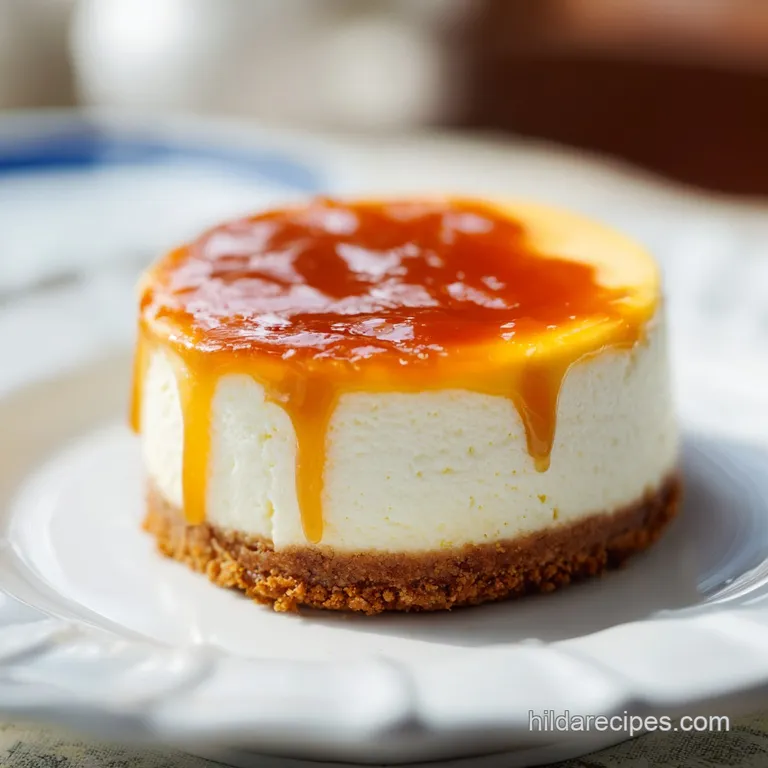
- Time:20 minutes active + 8 hours chilling = Total 8 hours 20 mins
- Flavor/Texture Hook: Velvety filling with a shattering, salty sweet crust
- Perfect for: Dinner party centerpieces or high end holiday dessert tables
The smell of toasted graham crackers and melted butter hitting the oven is a sensory trigger I can't ignore. There is something about that specific scent, mixed with the deep, burnt sugar aroma of warm caramel, that tells you a heavy hitter dessert is in the works.
I remember the first time I tried to rush a cheesecake by using cold cream cheese, thinking it would keep the structure firmer. It didn't. I ended up with a lumpy, curdled mess that looked more like cottage cheese than a dessert.
That failure taught me that precision isn't just for labs, it's for the kitchen. This Dulce de Leche Cheesecake isn't about "vibes" or "guessing," it's about the exact state of your ingredients.
When you hit that window where the cream cheese is perfectly soft and the eggs are room temperature, the batter emulsifies into this glossy, heavy ribbon that feels like silk.
The goal here is a texture that is dense but not heavy, with a sweetness that is balanced by a hit of flaky salt. You aren't just making a cake, you're managing a protein structure. If you follow the timing and temperature checkpoints, you'll get a slice that holds its shape but melts the second it hits your tongue.
Dulce de Leche Cheesecake
Right then, let's get into why this specific approach works. Most people treat cheesecake like a cake, but it's actually more like a custard. If you whip too much air into the batter, the cake rises like a soufflé in the oven and then collapses, creating those annoying cracks on top.
By keeping the mixer on low and adding eggs one by one, we limit the air bubbles.
- The Temperature Window
- Room temperature ingredients prevent the fats from seizing, which ensures a smooth emulsion.
- Air Control
- Using the lowest speed for eggs stops the batter from over expanding and then sinking.
- The Slow Cool
- Leaving the cake in the oven with the door cracked prevents a sudden temperature drop that shocks the proteins.
- Moisture Barrier
- Pre baking the crust creates a toasted seal that stops the filling from making the base soggy.
Since we're talking about precision, let's look at how the method changes depending on your heat source. I've tested this both ways, and the result differs slightly in the final "set" of the center.
| Method | Bake Time | Center Texture | Best For |
|---|---|---|---|
| Conventional Oven | 60 minutes | Silky and slightly jiggly | Classic slices |
| Water Bath (Bain Marie) | 75-90 minutes | Uniformly velvety | Zero crack guarantee |
| Stovetop (Rare) | N/A | Not recommended | Avoid for this recipe |
Before we start mixing, we need to understand the role of each component. It's not just about taste, it's about the technical function of the ingredient. If you're curious about other creamy textures, you might like my Coffee Cheesecake Recipe which uses similar stabilization techniques.
| Ingredient | Science Role | Pro Secret |
|---|---|---|
| Full fat Cream Cheese | Primary structure/fat | Must be 20°C for smooth mixing |
| Sour Cream | Acidity and moisture | Breaks the heaviness of the fat |
| Eggs | Protein binder | Add slowly to avoid aeration |
| Dulce de Leche | Flavor and sugar load | Warm slightly for easier swirling |
Key Timing and Ratios
Accuracy in measurements is non negotiable here. I highly recommend using a digital scale for the dry ingredients. A "cup" of graham cracker crumbs can vary by 20g depending on how tightly you pack it, and that's the difference between a sturdy base and a crumbly mess.
For the Buttery Crust
- 180g Graham cracker crumbs Why this? Provides a neutral, toasted base (Substitute: Digestive biscuits)
- 75g Unsalted butter, melted Why this? Binds crumbs into a solid sheet (Substitute: Browned butter for nuttier taste)
- 25g Granulated sugar Why this? Adds a slight crunch (Substitute: Brown sugar)
- 1.5g Salt Why this? Cuts through the fat (Substitute: Fine sea salt)
For the Creamy Filling
- 680g Full fat cream cheese, softened Why this? Essential for the dense texture (Substitute: None, low-fat will fail)
- 200g Granulated sugar Why this? Stabilizes the proteins (Substitute: Caster sugar)
- 120g Sour cream, room temperature Why this? Adds the signature tang (Substitute: Greek yogurt)
- 5ml Pure vanilla extract Why this? Enhances the caramel notes (Substitute: Vanilla bean paste)
- 3 large Eggs, room temperature Why this? Sets the custard (Substitute: None)
- 120g Dulce de leche Why this? Core flavor profile (Substitute: Thick salted caramel)
For the Finishing Touch - 120g Dulce de leche, slightly warmed Why this? For the top ribbons (Substitute: Same as filling) - 0.5g Flaky sea salt Why this? Contrast to the sugar (Substitute: Maldon salt)
Chef's Note: If your dulce de leche is too thick to swirl, microwave it for 10 seconds. It should be the consistency of honey, not paste.
The Right Kitchen Tools
You don't need a professional kitchen, but a few specific tools make this a lot easier. A 9 inch springform pan is mandatory, otherwise, getting a cheesecake out without destroying the edges is a nightmare. I also suggest an offset spatula for smoothing the top, as it gives you more control than a regular knife.
If you have a stand mixer such as a KitchenAid, use the paddle attachment on the lowest setting. If you're using a hand mixer, keep it on the lowest speed and move it constantly. The goal is to blend, not to whip.
Precise Baking Steps
Let's crack on with the actual process. Follow these steps in order, and pay close attention to the sensory cues.
- Preheat oven to 160°C (325°F) and grease the bottom of a 9 inch springform pan. Note: Greasing ensures a clean release.
- Combine 180g graham cracker crumbs, 75g melted butter, 25g sugar, and 1.5g salt in a bowl until the mixture resembles wet sand.
- Press the mixture firmly into the bottom and slightly up the sides of the pan. Note: Use the bottom of a glass for an even press.
- Bake the crust for 10 minutes until toasted and fragrant, then set aside to cool.
- Beat 680g softened cream cheese and 200g sugar on medium low speed until completely smooth and devoid of lumps.
- Fold in 120g sour cream and 5ml vanilla extract, mixing just until combined. Note: Over mixing here introduces too much air.
- Add 3 eggs one at a time on the lowest speed possible, stopping as soon as streaks disappear.
- Fold in 120g of dulce de leche using a spatula to create a marbled effect. Note: Do not over mix or you'll lose the swirls.
- Pour batter over the cooled crust and smooth the top with an offset spatula.
- Drop dollops of 120g warmed dulce de leche on top and swirl with a toothpick into ribbons.
- Bake for 50-60 minutes until edges are set but the center still has a gentle jiggle.
- Turn off the oven, crack the door open, and let the cake sit inside for 1 hour. Note: This is the critical slow cool phase.
- Remove from oven, cool completely on a wire rack, then refrigerate for at least 6 hours.
- Finish with a sprinkle of 0.5g flaky sea salt before serving.
Troubleshooting Common Issues
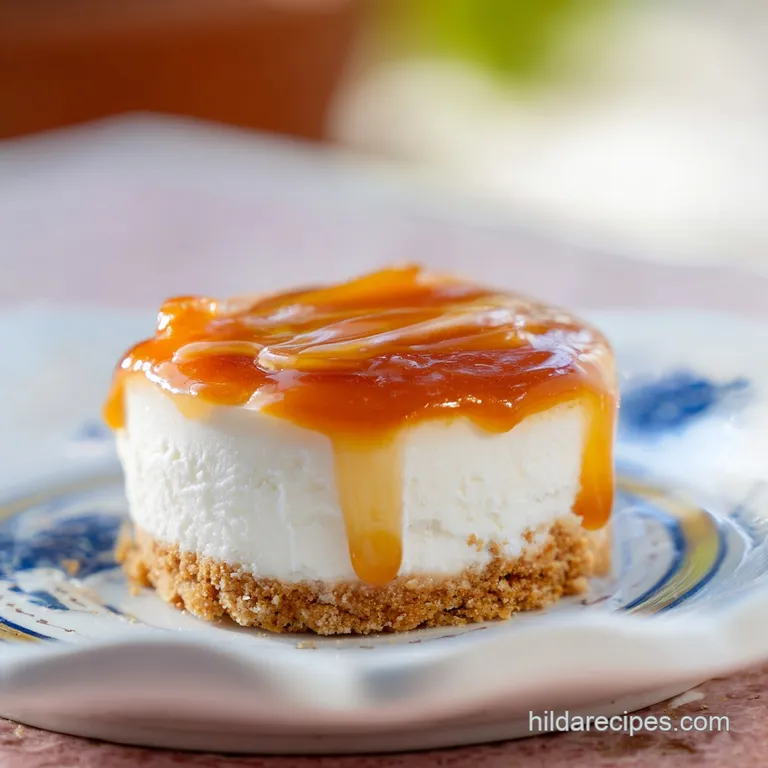
Even with precision, things can go sideways. Most cheesecake problems stem from temperature shocks or over aeration. If you find the texture isn't right, it's usually a result of the mixing speed or the oven's heat distribution.
| Issue | Solution |
|---|---|
| Why Your Cheesecake Cracked on Top | This is almost always caused by over mixing the eggs or baking at too high a temperature. When too much air is incorporated, the cake puffs up and then shrinks, pulling the surface apart. The slow coo |
| The Center is Too Jiggly | If after 60 minutes the center is liquid rather than a "gentle jiggle," your oven might be running cold. Give it another 5-10 minutes. Remember, the cake continues to set as it cools; it should not be |
| How to Stop the Crust from Soaking up Moisture | Pre baking the crust is your primary defense. If the crust still feels soft, you can brush a thin layer of melted white chocolate on the baked crust before adding the filling to create a waterproof ba |
Common Mistakes Checklist
- ✓ Did you use room temperature eggs? (Cold eggs break the emulsion)
- ✓ Did you stop mixing the moment eggs disappeared? (Avoids air bubbles)
- ✓ Did you let it cool in the oven for 60 minutes? (Prevents cracking)
- ✓ Did you chill for at least 6 hours? (Essential for structural set)
Creative Flavor Variations
This recipe is a great baseline, but you can tweak the profile. If you want something more intense, you can substitute the graham cracker crumbs with crushed Biscoff cookies or Oreo crumbs. For a different vibe, check out my Authentic Tres Leches Cake if you want something with a higher moisture content.
If you want a salted version, increase the flaky sea salt on top and add a pinch to the filling. For those who prefer bars, you can use a 9x9 inch square pan. Reduce the bake time by about 15-20% since the batter will be thinner.
| Original Ingredient | Substitute | Why It Works |
|---|---|---|
| Graham Crumbs | Oreo Crumbs | Same texture. Note: Adds chocolate bitterness |
| Sour Cream | Greek Yogurt | Similar acidity. Note: Slightly thicker result |
| Dulce de Leche | Salted Caramel | Similar sugar profile. Note: Lacks the milky depth |
Depending on the size of your crowd, you might need to change the volume.
Adjusting for Smaller Pans (6 inch)
- Halve all ingredients.
- Use a 6 inch springform pan.
- Reduce bake time by 20%, but still look for the "center jiggle."
- Beat one egg, then use half of it by weight.
Adjusting for Larger Batches (2x)
- Double the ingredients, but only increase salt and vanilla to 1.5x.
- Lower the oven temp by 15°C (to 145°C) to ensure the middle cooks before the edges burn.
- Extend bake time by 15-20 minutes.
- Work in batches if your mixer bowl is small to avoid over mixing.
Common Baking Myths
There is a lot of misinformation about cheesecakes. One common myth is that a water bath is the only way to prevent cracks. While it helps, a slow cool down in a cracked open oven is often just as effective for home cooks and much less messy.
Another myth is that you can use any cream cheese. low-fat or "spreadable" versions have different water to fat ratios. Using them will result in a filling that is either too runny or grainy because the proteins don't bond the same way.
Storage and Freshness
To maintain the velvety texture of the Dulce de Leche Cheesecake, store it in the refrigerator covered with plastic wrap or in an airtight container. It will stay fresh for up to 5 days.
Freezing Guidelines You can freeze this cake for up to 2 months. Wrap the chilled cake tightly in plastic wrap and then a layer of aluminum foil to prevent freezer burn.
Thawing Process Never thaw a cheesecake on the counter. Move it from the freezer to the fridge 24 hours before you plan to serve it. This prevents condensation from forming on the surface, which can make the top sticky.
Zero Waste Tips If you have leftover graham cracker crumbs, mix them with melted butter and a bit of cinnamon to make a quick crumble topping for yogurt. Any leftover dulce de leche can be stirred into coffee or used as a dip for apple slices.
Best Ways to Serve
When you're ready to slice, dip your knife in hot water and wipe it clean between every single cut. This gives you those sharp, professional edges.
Because this cake is quite rich, pair it with something acidic. Fresh raspberries or a tart blackberry coulis cut through the fat of the cream cheese and the sugar of the caramel. If you're serving it as a party platter, add a few sprigs of mint and an extra sprinkle of sea salt right before it hits the table.
It's a simple touch, but it makes the dish look and taste like it came from a high end bakery.
Recipe FAQs
What is Dulce de Leche Cheesecake?
A rich, creamy dessert featuring a graham cracker crust and a marbled dulce de leche filling. It combines the tang of cream cheese and sour cream with the deep, caramelized sweetness of milk jam.
Can I use store-bought dulce de leche?
Yes, store-bought works perfectly. Ensure it is smooth and slightly warmed before swirling it into the batter for a better marbled effect.
What cookies can I use as the base?
Stick to graham cracker crumbs. They provide the specific toasted flavor and structural integrity needed to balance the richness of the filling.
How can I prevent my cheesecake crust from becoming wet?
Bake the crust for 10 minutes before adding the filling. This creates a toasted barrier that prevents moisture from the batter from soaking into the base.
Why did my cheesecake crack?
Over mixing the eggs or baking at too high a temperature usually causes this. Incorporating too much air makes the cake puff up and then shrink, pulling the surface apart.
Is it true I must use a water bath for this recipe?
No, this is a common misconception. Following the slow cool method turning off the oven and cracking the door for one hour prevents cracking without the need for a water bath.
How long does this last?
Store it in the refrigerator for up to 5 days. Keep the cake covered with plastic wrap or in an airtight container to maintain its velvety texture.
Dulce De Leche Cheesecake