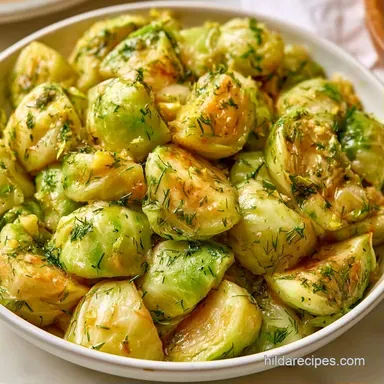
Zesty Boiled Cabbage with Lemon and Dill
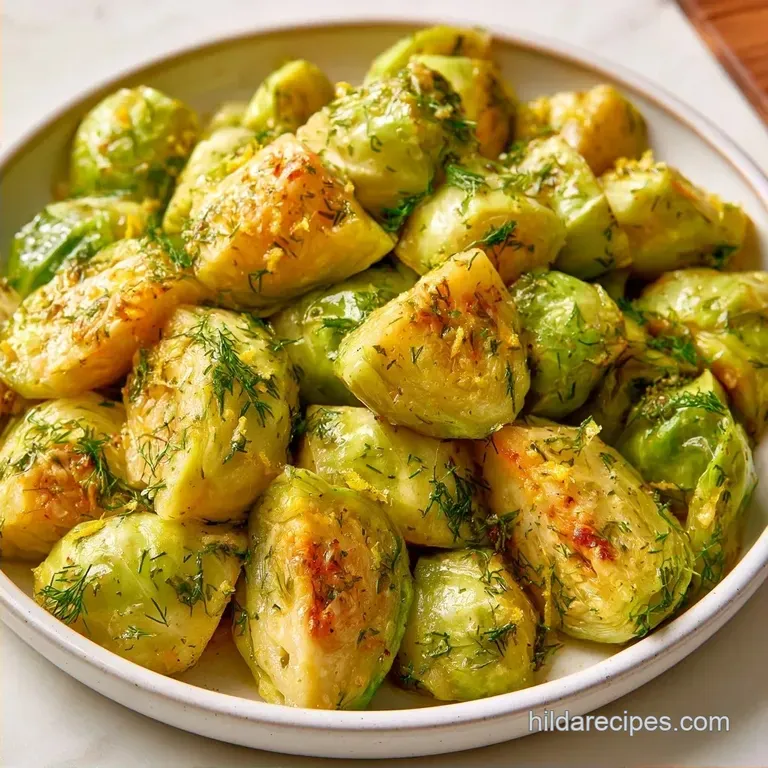
- Time: 10 min prep + 20 min cook
- Flavor/Texture Hook: Tangy, zesty, and tender crisp
- Perfect for: A healthy weeknight side or meal prep
Boiled Cabbage with Lemon and Dill
The fragrant aroma of lemon zest sizzling in hot butter is the secret to this dish. Growing up, I absolutely hated cabbage; it was typically boiled for an hour until it turned gray and smelled like a locker room. I truly believed that was the only way cabbage could taste.
Everything shifted once I started treating it as a blanched vegetable instead of a stew. Keeping the cook time brief and adding acid immediately after draining creates a completely different experience. The result is crisp, vibrant, and tastes like it came straight from the garden.
This recipe is an ideal choice for a fast vegetable side that doesn't require all evening to prepare. The earthy base of the cabbage is balanced by the bright pop of lemon juice and fresh dill, turning a humble, inexpensive head of cabbage into something surprisingly elegant.
Why This Recipe Works
- Citric Acid: The lemon juice reacts with the sulfur compounds in the cabbage. This neutralizes the pungent smell and leaves a clean, zesty flavor.
- Flash Cooling: Draining the cabbage immediately and tossing it with butter stops the residual heat from overcooking the leaves.
Gear for the Pot
You don't need much for this. A large stockpot is the most important part. You need enough room for the cabbage to move around so it cooks evenly. If the pot is too small, the pieces on the bottom get mushy while the top stays raw.
A sturdy colander is a must. You'll be pouring boiling water and hot vegetables into it, so make sure it's stable in your sink. I also suggest using tongs for the final toss. They're much better than a spoon for coating the chunks in butter without breaking them apart.
The Flavor Foundations
| Component | Purpose | Substitute Notes |
|---|---|---|
| Green Cabbage | Main bulk and texture | Savoy cabbage: softer leaves, slightly sweeter |
| Unsalted Butter | Richness and carrier for garlic | Olive oil: lighter feel, slightly fruitier |
| Fresh Lemon | Acid to cut sulfur | Apple cider vinegar: sharper, less citrusy |
| Fresh Dill | Herby, aromatic finish | Fresh parsley: milder, more "green" taste |
Right then, let's look at what goes in the pot. I prefer using kosher salt for the boiling water because it dissolves quickly and gives a cleaner saltiness than table salt.
The Ingredients
- 1 medium head (2 lbs / 900g) green cabbage, cored and chopped into 2 inch chunks Why this? 2 inch pieces cook evenly in 10 minutes
- 4 cups (950ml) filtered water
- 1 tbsp (15g) kosher salt Why this? Seasons the cabbage from the inside out
- 3 tbsp (42g) unsalted butter, melted
- 1 large lemon (approx. 3 tbsp / 45ml juice and 1 tsp / 2g zest)
- 3 tbsp (15g) fresh dill, finely chopped Why this? Fresh is much punchier than dried
- 2 cloves (6g) garlic, minced
- ½ tsp (1g) freshly ground black pepper
Timing and Yield
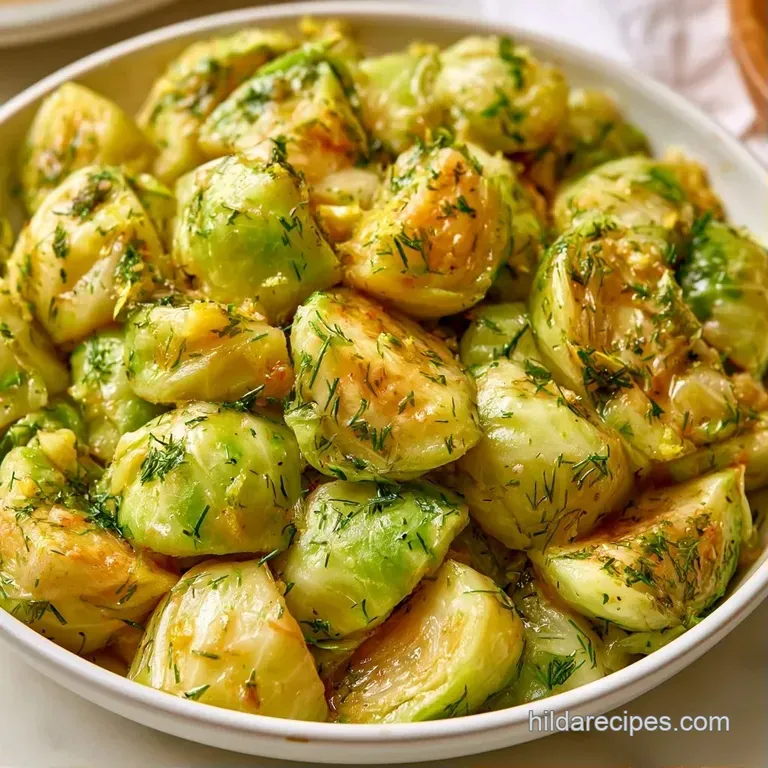
This is a fast process. You spend about 10 minutes chopping and prepping, and then 20 minutes at the stove. It's a great option when you're rushing but still want something healthy on the plate.
The recipe makes 4 bowls. It's a generous side dish, but since cabbage is low calorie, people usually go for seconds. If you're feeding a crowd, just double the cabbage and water, but keep an eye on the pot size.
How to Cook It
Phase 1: The Precision Boil
- Fill a large pot with 4 cups (950ml) of water and 1 tbsp kosher salt. Bring this to a rolling boil over high heat.
- Carefully add the cabbage chunks. Reduce heat to medium high to keep a steady simmer.
- Cook for 8–12 minutes until the cabbage is translucent and tender when pierced with a fork, but still holds its shape.
Phase 2: The Rapid Drain
- Immediately pour the cabbage into a colander.
- Shake the colander gently to remove as much excess water as possible. Note: This prevents the lemon butter sauce from getting watered down.
Phase 3: The Zesty Finish
- Drizzle the melted butter over the cabbage while it's still steaming in the colander.
- Add the minced garlic, lemon juice, lemon zest, and chopped dill.
- Toss gently with tongs until evenly coated and glossy.
- Season with black pepper.
Chef Note: If you're using a very small head of cabbage, check it at the 8 minute mark. Cabbage varies in density, and you want to stop just before it loses its "snap."
Fixes for Common Slips
Fixing Mushy Cabbage
If you realize you've boiled the cabbage a few minutes too long, don't panic. Immediately plunge the cabbage into a bowl of ice water for 30 seconds. This shocks the vegetable and stops the cooking process instantly. For a more structured side, you might try my Boiled Cabbage with Butter which uses a slightly different fat ratio to hold the texture.
Reducing Strong Sulfur
If the cabbage still smells a bit too pungent for your liking, add an extra squeeze of lemon juice. The acid neutralizes the sulfur compounds. You can also add a pinch of sugar to the butter sauce to balance the bitterness.
Balancing Sharp Lemon
Sometimes a lemon is just too acidic. If the dish tastes too sharp, add another tablespoon of melted butter. The fat coats the tongue and mellows out the citric acid without losing the brightness of the flavor.
Keeping it Fresh
Keep any remaining cabbage in an airtight jar in the refrigerator for 3 days. It holds up quite well, though the dill's vibrant green may fade over time.
When reheating, try to avoid using the microwave, as it tends to over steam the cabbage and make it mushy. Instead, warm it in a skillet over medium heat for 3-4 minutes until heated through.
To reduce food waste, make use of the cabbage core. I typically dice it very finely and stir it into a stir fry or vegetable soup. Because it is the densest part of the vegetable, it adds a nice crunch to slow cooked dishes.
Different Ways to Make It
Depending on what's in your pantry, you can tweak this to fit your mood. If you want a heartier meal, try adding cubed potatoes to the boiling water. Add the potatoes about 5 minutes before you add the cabbage, as they take longer to soften.
For those who want something more savory and smoky, try adding chopped bacon. You can fry the bacon first and then use the rendered fat instead of butter. This is very similar to a Boiled Cabbage with Bacon recipe style of cooking.
If you're going dairy-free, use a high-quality olive oil or a vegan butter substitute. The lemon and dill do most of the heavy lifting here, so the swap is seamless.
| Goal | What to change |
|---|---|
| More Hearty | Add diced potatoes |
| Smoky Flavor | Use bacon grease |
| Vegan Option | Swap butter for olive oil |
Serving Suggestions
This Boiled Cabbage with Lemon and Dill is best served alongside roasted proteins. I love it with a piece of baked salmon or grilled chicken. The acidity of the lemon cuts through the richness of the meat perfectly.
It also works as a base for seafood. If you're making seared scallops, place them right on top of a bed of this cabbage. The juices from the scallops mix with the lemon butter sauce to create a natural glaze.
For a simpler meal, serve it with a side of crusty sourdough bread. Use the bread to soak up the leftover lemon garlic butter at the bottom of the bowl. It's a humble way to eat that feels completely satisfying.
Common Misconceptions
Some people think boiling vegetables kills all the nutrients. While overboiling can leach vitamins, a quick 10 minute simmer preserves most of the health benefits. USDA guidance shows that brief cooking times for cruciferous vegetables maintain a good balance of nutrition and digestibility.
Another myth is that cabbage always has to be slow cooked to taste good. As we've seen here, a fast boil preserves the texture and keeps the flavor fresh, which is often a better choice for side dishes.
Recipe FAQs
How to boil cabbage?
Bring 4 cups of salted water to a rolling boil. Add cabbage chunks and simmer on medium high for 8 12 minutes until translucent and tender.
How long should you cook the cabbage for?
Cook for 8 to 12 minutes. The pieces should be pierceable with a fork but still hold their structural shape.
Is dill a good pairing for cabbage?
Yes, it adds a bright, herbaceous note. Fresh dill complements the acidity of the lemon and the richness of the butter.
What is the best seasoning for boiled cabbage?
A mixture of melted butter, lemon juice, and minced garlic. This combination neutralizes sulfurous odors and adds a zesty, savory depth.
How can I make boiled cabbage taste better?
Toss the vegetables in the butter emulsion while they are still steaming. Immediate seasoning prevents the cabbage from tasting bland.
Can purple cabbage be prepared without meat for flavor?
Yes, use citrus and fats for seasoning. The lemon butter technique provides plenty of savory flavor without needing bacon or ham.
Is it true that cabbage must be boiled for an hour to be tender?
No, this is a common misconception. A quick 8 12 minute simmer keeps the vegetable tender crisp and prevents it from turning gray.
What can I do with leftover cooked cabbage?
Sauté it in a pan or stir it into a warm salad. If you liked the savory balance here, see how we use similar ingredients in our southern cabbage.
Boiled Lemon Dill Cabbage