Boiled Cabbage with Parsley and Thyme in 15 Minutes
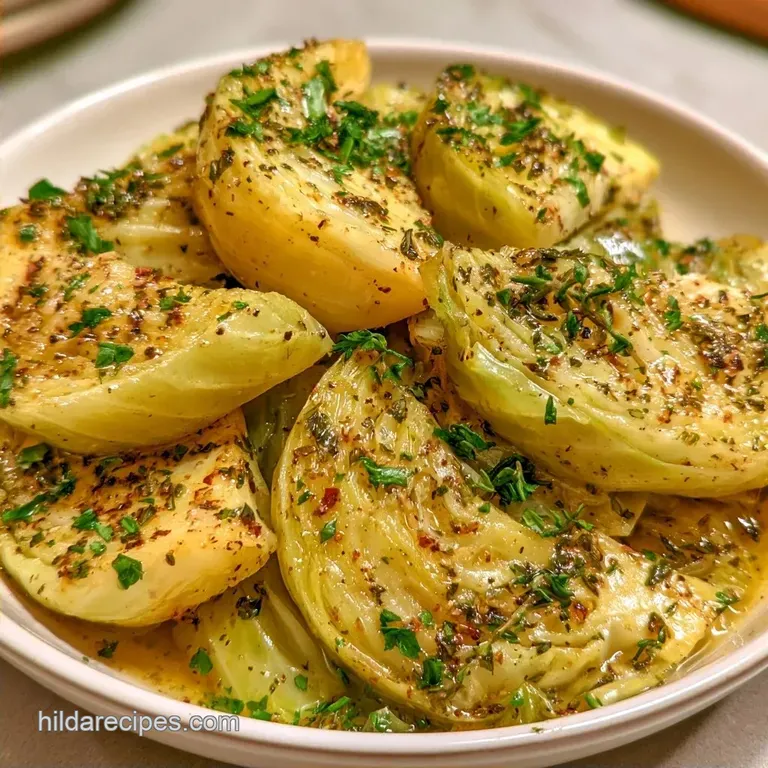
- Time: 5 minutes prep + 10 minutes on the stove
- Taste & Feel: Richly buttery, aromatic, and crisp-tender
- Perfect for: Quick evening accompaniments
The pungent, sulfurous odor that lingers after overcooking cabbage can be a real deterrent. I used to believe that boiling this vegetable required cooking it into a bland, colorless mush until it completely gave up. I couldn't have been more mistaken.
Hours of slow simmering aren't necessary for a delicious result. The secret is to treat it as a quick blanch. By minimizing the heat exposure and finishing the process in a skillet, the cabbage retains a fresh, garden like taste instead of a cafeteria vibe.
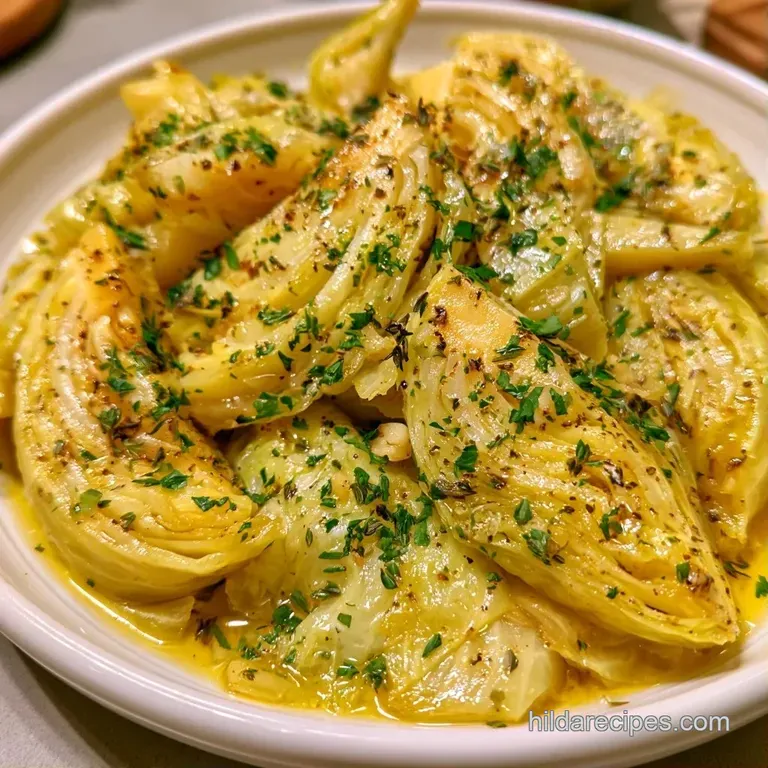
This Boiled Cabbage with Parsley and Thyme maintains a striking green hue. Its subtle, buttery glaze transforms it from a mundane side into a real highlight, pairing beautifully with a roast or any grilled protein.
Boiled Cabbage with Parsley and Thyme
Let's start with the fundamentals. This is a fast paced recipe; rather than spending an hour at the stove, you'll only need 15 minutes. We're aiming for a "tender crisp" texture, meaning the cabbage is thoroughly cooked but still offers a light snap.
If you are accustomed to the soft, overcooked cabbage found in traditional stews, this will be a different experience. It is a brighter, fresher method. The herbs are stirred in at the final moment to preserve their aromatic oils, ensuring the fragrance is immediate as soon as the dish leaves the pan.
The Shopping List
Before we get into the pot, let's talk about the cabbage. I prefer a standard green cabbage for this. It holds its shape better than Napa or Savoy during a quick boil. Make sure your parsley is fresh, as dried parsley doesn't have the same punchy, grassy note needed to cut through the butter.
| Ingredient | Role | If You Don't Have It |
|---|---|---|
| Green Cabbage | Main body | Savoy cabbage (softer leaves) |
| Unsalted Butter | Fat carrier | Vegan butter or olive oil |
| Fresh Thyme | Earthy aroma | Dried thyme (use 1/3 tsp) |
| Fresh Parsley | Bright finish | Fresh cilantro (changes flavor profile) |
The Cabbage Base
- 1 lb green cabbage, cut into 1 inch wedges Why this? Wedges stay together better than shreds.
- 4 cups filtered water
- 1 tsp kosher salt
The Herb Butter Finish
- 2 tbsp unsalted butter Why this? Butter carries the thyme flavor better than oil.
- 2 tbsp fresh parsley, finely minced
- 1 tsp fresh thyme leaves
- 1/2 tsp cracked black pepper
- 1 pinch salt
Essential Tools
You don't need much here. A large stockpot is the main requirement. You want enough room for the cabbage wedges to move around without crowding. If they're packed too tightly, they'll cook unevenly, and some pieces will be mush while others are raw.
A colander is a must. You need to get the cabbage out of the water the second it's done. If it sits in the hot water, it continues to cook, and you'll lose that snap. I also use a small skillet for the butter glaze, as it gives me more control over the heat than doing it in the big pot.
Cooking Process
Phase 1: Preparing the Cabbage
Cut the cabbage into uniform 1 inch wedges, making sure to keep the core intact. This ensures the leaves stay together in the pot rather than scattering and results in a much tidier presentation.
Phase 2: The Boiling Process
Bring salted, filtered water to a rolling boil until large, active bubbles appear. Carefully slide in the cabbage wedges and immediately lower the heat to a medium simmer.
Cook for 7–10 minutes. Look for the cabbage to transition to a bright, translucent green. It should be tender crisp, offering a bit of resistance when pierced with a fork. Remove it from the heat the moment it reaches this texture.
Phase 3: Adding the Herbs
Drain the cabbage using a colander. While the water drains, melt butter in a skillet over medium heat until it starts to foam.
Stir in the black pepper and fresh thyme, letting them sizzle for roughly 30 seconds until fragrant. Fold in the cabbage and fresh parsley, tossing gently for 1 minute to coat every leaf in a rich, velvety butter glaze.
Pro Tips & Pitfalls
The biggest hurdle with this dish is the timing. Cabbage has a very narrow window between "perfectly crisp" and "smelling like a swamp." If you leave it in the water for even two minutes too long, the sulfur compounds release, and the color fades from bright green to a dull gray.
Another common slip is adding the herbs too early. If you boil the parsley and thyme with the cabbage, the heat destroys their delicate oils. They lose their brightness and just taste like wet grass. Always add your fresh herbs to the butter at the end.
Stopping Sulfur Smell
This happens when the cabbage overcooks. To stop it, drain the cabbage the instant it's tender. For a more aggressive stop, rinse the wedges under cold water for 10 seconds before tossing them in the butter.
Avoiding Mushy Wedges
Keep your wedges uniform in size. If you have one tiny piece and one giant one, the small one will disintegrate by the time the large one is cooked. Stick to 1 inch thickness.
Fixing Bland Flavor
If the cabbage tastes watery, you likely didn't use enough salt in the boiling water. The water should taste like the sea. This pushes the seasoning into the leaves rather than just coating the outside.
| Problem | Fix |
|---|---|
| Gray/Dull Color | Reduce boiling time by 2 minutes |
| Bitter Taste | Ensure you remove the very toughest part of the core |
| Watery Glaze | Drain cabbage more thoroughly before adding to butter |
Making Your Own
I appreciate how simple this version is, but it's easy to customize. For a smoky touch, fry two strips of chopped bacon in the skillet before melting the butter. Render until crispy, then continue with the herb steps. This makes the dish feel heartier.
To add some brightness, stir in a squeeze of fresh lemon juice just before serving. You might also enjoy Lemon Pepper Boiled Cabbage if you prefer a more acidic flavor profile.
This dish is a wonderful accompaniment to Corned Beef and Cabbage. If combining them, you can skip the butter glaze to let the cabbage absorb the meat juices, though adding Parsley and Thyme still provides a lovely freshness.
Quick Adjustments:
- Extra tang? → fold in 1 tsp lemon zest
- More depth? → use browned butter (cook butter until nut brown)
- Spicy kick? → stir red pepper flakes in with the thyme
Storage & Reheating
Store remaining cabbage in a glass container; keep chilled for up to 3 days. Note that the cabbage may soften slightly as it steeps in the herb butter. To maintain that crispness, avoid reheating on high in the microwave.
Instead, flash fry the leftovers in a hot skillet for 2-3 minutes. This remelts the butter and warms the dish through without making it mushy. If the cabbage seems dry, add a small piece of fresh butter to the pan.
To reduce waste, save the trimmed core and outer leaves in a freezer bag. Once full, toss them into your next pot of vegetable stock. They contribute a natural sweetness that you won't find in store-bought cubes.
Presentation Guide
Since we kept the core intact, the cabbage wedges look like little roses on the plate. Stack three wedges slightly overlapping each other in the center of the plate.
Pour any remaining herb butter from the skillet directly over the top. Finish with a tiny sprinkle of fresh, minced parsley and a crack of black pepper. This adds a pop of color and a hit of fresh aroma that makes the dish feel intentional.
Serving Suggestions
- Platter Style: Arrange all wedges on a large ceramic platter and garnish with whole thyme sprigs.
- Bowl Style: Serve in a shallow bowl to catch all the herb butter.
- Family Style: Place in a warmed serving dish to keep the butter from solidifying.
Why This Works
I've found that the result comes down to two simple things: the salt and the fat. Most people treat boiling as just a way to heat food, but here, the salted water actually seasons the cabbage from the inside out. This prevents the bland, "watery" taste that ruins most boiled vegetables.
The Butter Carrier: Thyme and black pepper are fat soluble. This means their flavors are unlocked and carried more effectively when dissolved in butter rather than water. By glazing the cabbage at the end, you're essentially painting the flavor onto the vegetable.
Method Comparison
| Method | Time | Texture | Best For |
|---|---|---|---|
| Stovetop | 15 min | Tender crisp | Fast weeknight sides |
| oven roasted | 40 min | Caramelized | Sunday roasts |
Common Cabbage Myths
One common myth is that boiling cabbage destroys all the nutrients. While overcooking can leach vitamins, a quick 7-10 minute blanch preserves most of the goodness while making the fiber easier to digest.
Another misconception is that you need a pressure cooker to get cabbage tender quickly. In reality, a rolling boil in a wide pot is faster and gives you much better control over the texture.
Recipe FAQs
How to boil cabbage for a tender crisp result?
Submerge 1 inch wedges in boiling salted water and simmer for 7 10 minutes.
Tip: Keep the core intact so the leaves do not scatter in the pot.
Do parsley and thyme pair well with boiled cabbage?
These herbs create a bright, aromatic glaze when tossed with the cabbage in melted butter.
Tip: Sauté the thyme in foaming butter for 30 seconds before folding in the parsley.
Is it true that cabbage needs to boil for a long time to be edible?
Not true. Cooking for just 7 10 minutes ensures the cabbage remains vivid green and retains a slight snap.
Tip: Use a large stockpot to ensure the wedges have plenty of room to move.
What can I do with leftover cooked cabbage?
Toss the wedges back into a hot skillet for 2 3 minutes to reheat them without turning them into mush.
Tip: Serve these alongside a creamy macaroni salad for a balanced plate.
Boiled Cabbage Parsley Thyme