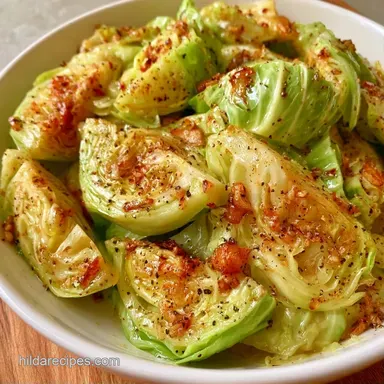
Boiled Cabbage with Garlic and Olive in 30 Minutes
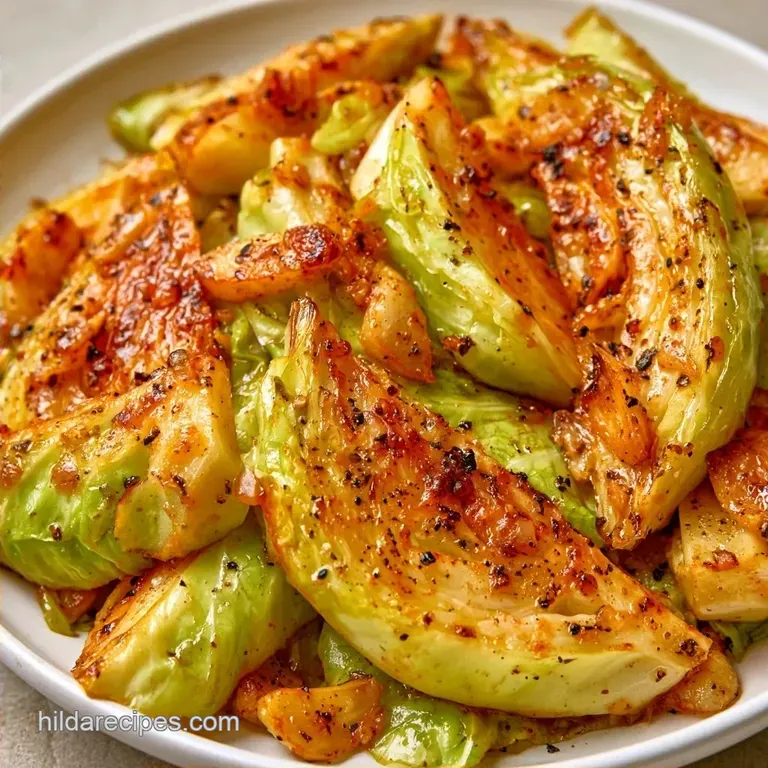
- Duration: 10 minutes active plus 20 minutes cooking
- Sensory Appeal: Fragrant, golden garlic-glazed wedges with a tender-crisp bite
- Ideal for: Healthy meal prepping or easy weeknight sides
The scent of garlic hitting shimmering olive oil is one of my favorite kitchen moments. It starts with a soft sizzle, then quickly transforms into a warm, savory perfume that pulls everyone into the room. This is the definitive way to prepare Boiled Cabbage with Garlic and Olive Oil.
For a long time, I was intimidated by boiled cabbage. I remember the batches my grandmother made simmering for an hour until they turned a dull grey and smelled like an old locker room. I believed that was the only way to cook it, and I spent years avoiding the dish because I couldn't stand that mushy texture.
The turning point was realizing that timing is everything. Cabbage doesn't need to be boiled for ages. When you use a quick parboil followed by a fast sauté, the cabbage stays colorful and tastes surprisingly sweet. It is a comforting, home cooked classic that feels light yet hits all those savory notes.
Why This Method Works
- The Quick Parboil: Boiling for just a few minutes softens the tough fibers without breaking down the chlorophyll. This keeps the color bright and prevents that "overcooked" smell.
- Post Boil Sauté: Adding the Garlic and Olive oil at the end means the cabbage absorbs the fat without becoming greasy, and the garlic stays fragrant.
| Method | Time | Texture | Best For |
|---|---|---|---|
| Stovetop | 30 mins | Tender crisp | Fast weeknight sides |
| Oven Roast | 45 mins | Caramelized | Deep, sweet flavor |
Quick Cabbage Specs
This dish is designed for simplicity. You don't need fancy equipment, just a big pot and a wide skillet. I usually make this when I have a roast or some grilled fish and need something that feels healthy but doesn't taste like a plain salad.
The goal here is "tender crisp." That means when you bite into a wedge, there's still a tiny bit of resistance in the center. It's a far cry from the soggy heaps of cabbage we all remember from childhood.
The Ingredient List
What makes this dish so great is that it relies on basic pantry staples. I choose extra virgin olive oil for its peppery edge, which balances the natural sweetness of the cabbage.
| Ingredient | Role | If You Don't Have It |
|---|---|---|
| Green Cabbage | Main component | Savoy cabbage (more tender/crinkled) |
| Garlic | Key aromatic | Garlic powder (use 1/2 tsp, add at the end) |
| Olive Oil | Sautéing fat | Unsalted butter (adds a richer flavor) |
| Sea Salt | Flavor boost | Kosher salt |
The full list: 1 medium head green cabbage, cored and cut into wedges (~2 lbs / 900g) 1 tsp sea salt Why this? The coarse texture helps the cabbage hold its shape 8 cups water 3 tbsp extra virgin olive oil Why this? A premium oil provides a fruity
Depth 4 cloves garlic, thinly sliced or minced ½ tsp cracked black pepper ¼ tsp red pepper flakes Why this? Gives the dish a touch of warmth
Butter is a solid alternative to the oil, though olive oil ensures a cleaner taste. If green cabbage isn't available, Savoy is a fantastic substitute thanks to its tender leaves.
Tools For The Job
You only need a few basics. A large stockpot is essential because the cabbage wedges need room to move around without being crushed. If they're too crowded, they won't cook evenly.
I always use a wide skillet for the sauté phase. A cast iron or stainless steel pan is best because they hold heat well, which helps the cabbage get that glossy, glazed look in the final few minutes.
A colander is a must for the immediate drain. If you leave the cabbage in the hot water, it'll keep cooking and you'll lose that crisp texture we're aiming for.
How To Cook It
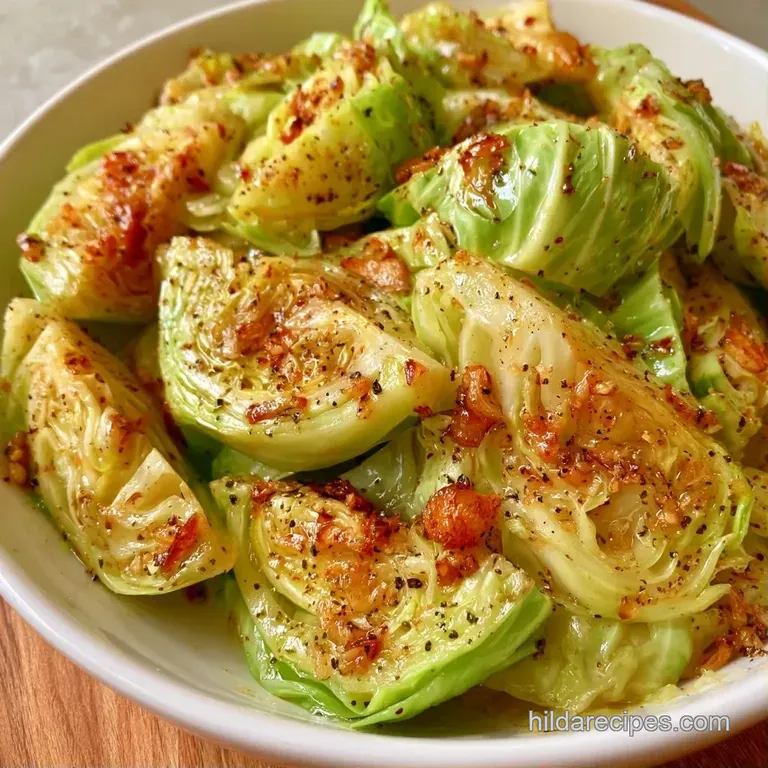
Phase 1: Preparing the Cabbage
Strip away any bruised or wilted outer leaves from the cabbage. Slice the head into six thick wedges, ensuring the core stays attached to each piece. This is crucial, as the core acts as an anchor that keeps the cabbage from disintegrating into shreds once it hits the boiling water.
Phase 2: The Precision Boil
Fill a stockpot with 8 cups of water and stir in the sea salt. Bring the liquid to a rolling boil. Gently slide the cabbage wedges into the pot. Boil for 5–7 minutes until the leaves appear translucent but the wedge still feels firm. Drain them immediately using a colander.
Phase 3: Sautéing the Aromatics
Set your skillet over medium low heat and add the extra virgin olive oil. Wait for the oil to begin shimmering. Add the sliced garlic and sauté for 1–2 minutes until it is fragrant and just barely golden.
Be cautious here; if the garlic browns too deeply, it will turn bitter and overpower the subtle flavor of the cabbage.
Phase 4: The Final Toss
Increase the heat to medium. Carefully transfer the drained cabbage wedges into the pan. Use tongs to toss them gently, ensuring they are well coated in the garlic oil. Sprinkle in the red pepper flakes and cracked black pepper.
Sauté for another 2–3 minutes until the wedges are heated through and have a glossy glaze.
Chef's Note: For a bolder garlic flavor, slice the garlic as thinly as possible. Thin slices brown more consistently and distribute the flavor more effectively than thick chunks.
Fixing Common Issues
To Avoid Sulphury Smells
That "cabbage smell" happens when the vegetable is overcooked, releasing sulfur compounds. If your cabbage smells too strong, you've boiled it too long. To fix this, reduce your boil time by 2 minutes next time.
I've found that shocking the cabbage in cold water for 30 seconds after draining also stops the cooking process instantly.
To Prevent Burnt Garlic
Garlic burns in a heartbeat. If your pan is too hot, the garlic will go from golden to black in seconds. Keep the heat on medium low and keep the garlic moving with a spoon. If you notice it browning too fast, splash in a tablespoon of the cabbage boiling water to drop the temperature of the oil.
Handling Mushy Wedges
Mushiness usually comes from two things: boiling too long or not draining well enough. Make sure the water is at a full boil before the cabbage goes in. According to USDA guidance, ensuring your water is boiling helps lock in textures. If the wedges are too soft, try cutting them thicker next time.
Fixing Bland Flavor
Cabbage is like a sponge for salt. If the dish tastes flat, add a pinch more sea salt right at the end. A tiny squeeze of fresh lemon juice right before serving can also wake up the Garlic and Olive oil flavors.
Flavor Variations
If you want to switch things up, you can easily change the aromatics. For a zesty version, try my lemon pepper cabbage which adds a bright citrus punch. If you prefer a richer, more traditional taste, cabbage with butter is a great alternative to olive oil.
For those who love a bit of heat, you can double the red pepper flakes or add a pinch of smoked paprika. This gives the Boiled Cabbage with Garlic and Olive a deeper, almost grilled flavor without needing an actual grill.
If you want to make this a more filling meal, try adding diced potatoes to the boiling pot. Add the potatoes about 10 minutes before the cabbage, since they take longer to soften. Once both are tender, sauté them together with the garlic and oil.
| Goal | What to change |
|---|---|
| More richness | Swap olive oil for butter |
| Extra tang | Add 1 tsp apple cider vinegar |
| Heartier side | Add diced gold potatoes |
Storage and Scraps
Store any remaining portions in a glass jar in the refrigerator for 4 days. For reheating, I suggest a brief sauté in a pan instead of using a microwave. Microwaving often turns cabbage rubbery, whereas a pan brings back that smooth, oily glaze.
Save your leftover outer leaves and cabbage cores. I keep mine in a freezer safe bag alongside carrot peelings and onion ends. Once the bag is full, just simmer the contents in water to create a basic vegetable stock for your soups.
I wouldn't suggest freezing this particular dish. Sautéed and boiled cabbage typically breaks down in the freezer and turns watery once thawed. It is far better eaten fresh or kept chilled.
What To Serve With It
This Boiled Cabbage with Garlic and Olive is a versatile side. It pairs wonderfully with roasted pork loin or a piece of seared salmon. The acidity of the olive oil balances out the richness of the meat.
If you're keeping it plant based, serve it alongside a bowl of quinoa or roasted chickpeas. It also works surprisingly well as a base for a warm salad. Just top the warm cabbage wedges with some crumbled feta cheese and toasted walnuts.
For a truly comforting dinner, serve this next to a pile of mashed potatoes and some crusty sourdough bread. The bread is perfect for soaking up any of the leftover garlic oil at the bottom of the plate.
Cabbage Truths
There is a common idea that you have to boil cabbage for a long time to make it digestible. This isn't true. A short boil softens the texture enough for most people while keeping the nutrients intact.
Another myth is that all cabbage smells bad when cooked. The smell is only a result of overcooking. When you follow the "tender crisp" rule, you get a sweet, mild aroma instead of something pungent.
Finally, some people think you need to salt the cabbage after cooking. Actually, salting the boiling water is key. It seasons the vegetable from the inside out, making the final result taste much more balanced.
Recipe FAQs
How to boil cabbage?
Boil cabbage wedges in salted water for 5 7 minutes until tender crisp.
Tip: drain immediately in a colander to stop the cooking process.
Can I use purple cabbage instead of green?
Use purple cabbage the same way since the garlic and olive oil provide all the needed flavor.
Tip: expect the water to turn blue or purple during the boiling process.
What are some other ways to prepare this vegetable?
Try roasting the wedges or braising them for a deeper flavor.
Tip: if you enjoy this style of preparation, check out our southern cabbage for a different twist.
How long does it take to cook?
Boil for 5 7 minutes and then sauté for 2 3 minutes to glaze.
Tip: test for doneness with a fork to ensure it still has a slight bite.
Is it true that cabbage must be shredded before boiling?
No, this is a common misconception. Keeping the cabbage in wedges prevents it from falling apart and preserves the texture.
Tip: use a sharp knife to cut through the core cleanly.
What to do with leftover cooked cabbage?
Sauté leftovers in a pan to restore the texture and glaze.
Tip: avoid the microwave to prevent the cabbage from becoming rubbery.
Boiled Cabbage With Garlic