Top Sirloin Steak Recipe with Garlic: Velvet Baste
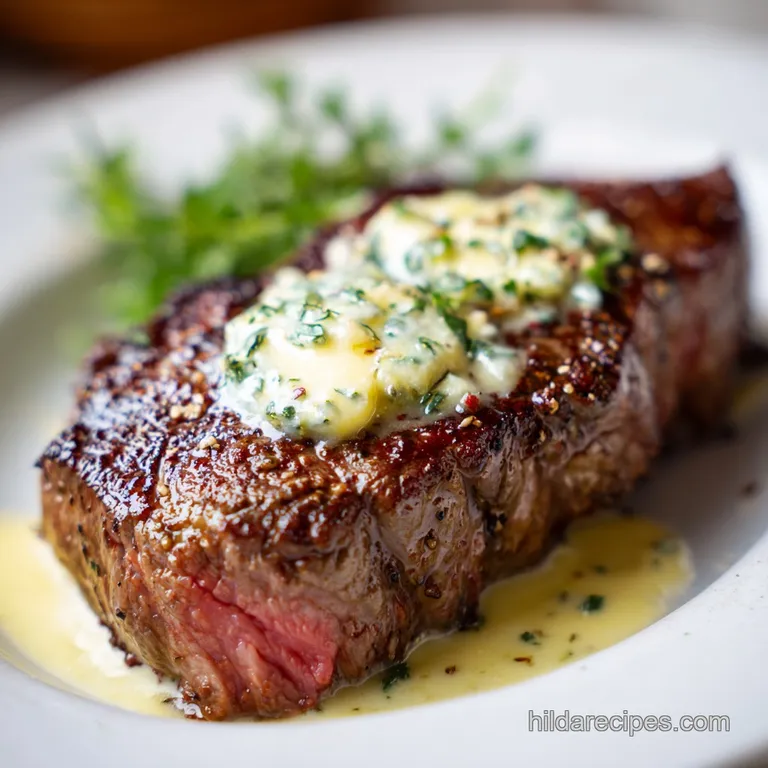
- Time: Active 10 minutes, Passive 5 minutes, Total 15 minutes
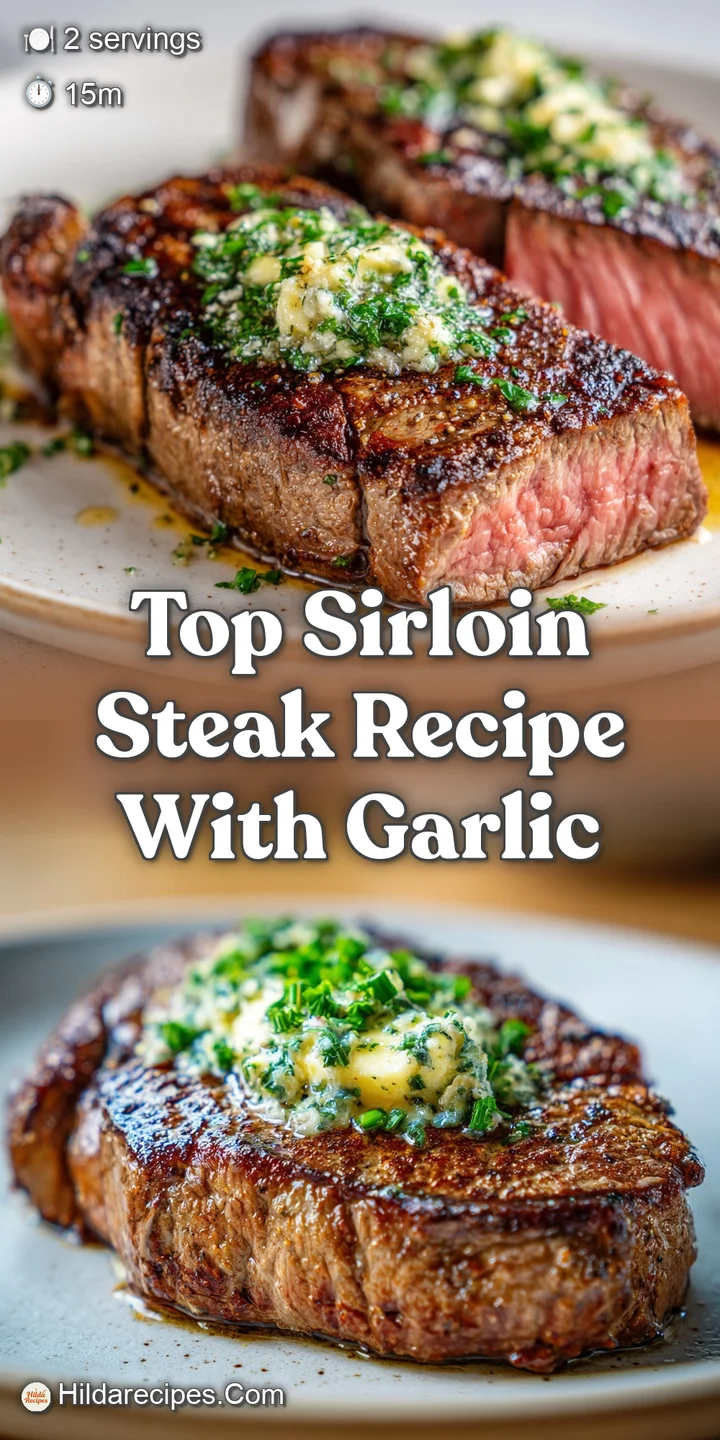
- Flavor/Texture Hook: Shatteringly crisp crust with a buttery, herb infused finish
- Perfect for: An impressive date night or a rewarding weeknight treat
- Essential Stats for Your Meal
- Selecting Your Premium Ingredients
- Necessary Tools for Kitchen Success
- Master the Art of Searing
- Solving Your Searing Struggles
- Flavorful Variations to Try
- Adjusting the Batch Size
- Debunking Kitchen Legends
- Keeping Your Leftovers Fresh
- Best Sides for Steak
- Very High in Sodium
- Recipe FAQs
- 📝 Recipe Card
The first time I really mastered this top sirloin steak recipe with garlic, it wasn't in a fancy kitchen. It was on a rainy Tuesday in my grandmother's cast iron skillet, the one that’s seen three generations of family meals.
I remember the sharp, aggressive hiss as the meat hit the hot oil, a sound so loud it drowned out the radio. That sizzle is the sound of success, the moment the proteins begin to transform into something spectacular.
There is a beautiful tension in this dish. You have the aggressive, biting heat of the initial sear contrasted against the gentle, rhythmic spooning of melted butter over the meat. It’s a dance between fire and silk.
When the smashed garlic hits the hot fat, the aroma changes from oily and heavy to sweet, nutty, and fragrant, filling the house with a scent that brings everyone to the kitchen before the timer even goes off.
This recipe is about those memories of comfort food that feel both special and grounded. It’s the kind of meal that reminds me of Sunday afternoons when the table was set with care and no one was in a rush.
We’ve perfected these steps over years of trial and error, moving away from fancy marinades to let the quality of the beef and the punch of fresh garlic really shine. You'll find that the simplest methods often yield the most soulful results.
Essential Stats for Your Meal
Before we get the pans hot, let's look at why certain methods work better for this specific cut of beef. Sirloin is leaner than a ribeye, which means it needs a bit of extra care to stay tender. The garlic butter doesn't just add flavor; it acts as a finishing glaze that keeps the meat succulent.
The Secret Behind the Mahogany Crust
Thermal Conductivity: Using a heavy skillet allows for even heat distribution, ensuring the Maillard reaction occurs uniformly across the entire surface of the steak. This chemical transition creates hundreds of new flavor compounds that give the meat its characteristic savory depth.
| Method | Time | Texture | Best For |
|---|---|---|---|
| Stovetop Pan Sear | 8-10 minutes | Maximum crust development; even browning. | Quick, high intensity flavor. |
| Oven Reverse Sear | 45-60 minutes | Edge to edge pinkness; softer exterior. | Very thick cuts (2+ inches). |
| Butter Basting | +2 minutes | Silky mouthfeel; deep aromatic infusion. | Leaner cuts like Top Sirloin. |
Choosing the right method depends on how much time you have and the texture you crave. For this recipe with garlic, the stovetop method is king because it allows us to control the butter infusion perfectly while maintaining that crisp exterior we all love.
Selecting Your Premium Ingredients
Quality ingredients make the difference between a good meal and a memory. For this steak recipe with garlic butter, we want beef that has a bit of visible marbling but is trimmed well. The herbs should be vibrant, and the garlic should be firm to the touch.
Component Analysis
| Ingredient | Science Role | Pro Secret | | :--- | :--- :| :--- | | Top Sirloin | Structural protein providing a meaty, firm chew. | Temper at room temperature to ensure even heat penetration. | | Avocado Oil | High smoke point lubricant for the initial sear.
| Avoid olive oil here; it will smoke and turn bitter at high heat. | | Unsalted Butter | Fat soluble flavor carrier and moisture barrier. | Use unsalted to control the final seasoning precisely. | | Fresh Rosemary | Volatile oils that release earthy, piney notes.
| Slap the herbs against your palm to "wake up" the oils before adding. |
Once you have your ingredients gathered, the process moves very quickly. It's helpful to have everything measured out and ready by the stove. This is much like preparing for a Classic Meatloaf with recipe where the order of operations ensures the best texture.
For the Steak
- 2 Top Sirloin Steaks (approx. 12 oz each, 1 to 1.5 inches thick): Why this? Sirloin offers great beefy flavor at a more accessible price than filet.
- Substitute: Ribeye or New York Strip (will be fattier and richer).
- 1.5 tsp Coarse Kosher Salt: Why this? Large grains draw out moisture better than fine table salt.
- Substitute: Sea salt flakes.
- 1 tsp Freshly Cracked Black Pepper: Why this? Freshly ground provides a floral heat that pre ground lacks.
- Substitute: White pepper for a milder, more fermented kick.
- 1 tbsp Avocado or Grapeseed oil: Why this? These oils can handle the 400°F+ temperatures needed for a sear.
- Substitute: Rice bran oil or canola oil.
For the Garlic Butter
- 3 tbsp Unsalted Butter: Why this? Adds a velvety finish and helps the aromatics coat the meat.
- Substitute: Ghee (higher smoke point, slightly nuttier).
- 4 cloves Fresh Garlic: Why this? Smashed cloves release juice without burning as easily as minced garlic.
- Substitute: Garlic confit for a milder, sweeter flavor.
- 2 sprigs Fresh Rosemary or Thyme: Why this? The woody stems hold up well in the hot butter bath.
- Substitute: Dried herbs (use only 1/2 tsp and add at the very end).
Necessary Tools for Kitchen Success
You don't need a professional kitchen to make a great steak, but a few heavy duty tools will certainly help. The goal is heat retention. If your pan loses temperature when the meat hits it, you'll end up steaming the beef instead of searing it.
Chef's Tip: Put your cast iron skillet in the oven while it preheats to 400°F, then move it to the stovetop. This ensures the entire pan is saturated with heat, not just the bottom.
- Cast Iron Skillet: A 10 or 12 inch skillet is ideal for heat retention.
- Stainless Steel Tongs: You need a firm grip to flip the steaks and sear the fat caps.
- Instant Read Thermometer: This is the only way to guarantee a perfect medium rare without cutting into the meat.
- Paper Towels: Essential for drying the meat; moisture is the enemy of a good sear.
- Small Metal Spoon: For the butter basting process.
Master the Art of Searing
This steak recipe with garlic butter moves fast once the meat hits the pan. Follow these steps closely to ensure you get that iconic crust without overcooking the center.
- Temper the beef. Take the steaks out of the fridge 30 minutes before cooking. Note: This allows the internal fibers to relax, resulting in a more tender bite.
- Dry thoroughly. Pat both sides of the steaks with paper towels until the surface feels tacky and dry.
- Season aggressively. Coat all sides, including the edges, with the salt and cracked pepper.
- Heat the skillet. Add the oil to the pan over medium high heat until you see wisps of smoke rising.
- The initial sear. Place steaks in the pan. Press down slightly. Sear for 3-4 minutes until a dark, mahogany crust forms.
- The flip. Turn the steaks over. Cook for another 2 minutes.
- Infuse the flavor. Reduce heat to medium. Add the butter, smashed garlic cloves, and herb sprigs to the side of the pan.
- The butter baste. Tilt the pan so the melting butter pools with the garlic. Use a spoon to continuously pour this hot fat over the steaks for 2-3 minutes until the garlic is golden and fragrant.
- Check temperature. Insert your thermometer into the thickest part. Aim for 130°F for medium rare.
- The rest. Remove to a warm plate. Pour the remaining pan butter over them. Rest for 5 minutes until the juices redistribute into the fibers.
While the steak is resting, you might consider whipping up some sides. This steak pairs beautifully with a Crispy Hash Browns recipe to soak up all that extra garlic butter left on the plate.
Solving Your Searing Struggles
Even the best cooks run into trouble sometimes. The most common issues with this recipe with garlic butter usually involve heat management or moisture.
Why did my steak turn out grey?
If your steak looks grey instead of brown, it’s usually because of surface moisture or a pan that wasn't hot enough. When moisture hits a lukewarm pan, it turns to steam. Steam cooks the meat but cannot exceed 212°F, which is far too low for the Maillard reaction to occur.
Always pat the meat dry right before it goes into the pan.
| Problem | Root Cause | Solution |
|---|---|---|
| Bitter Garlic | Garlic was added too early or heat was too high. | Add garlic only during the final 3 minutes with the butter. |
| Tough Meat | Steak was cooked straight from the fridge. | Temper at room temperature for at least 30 minutes. |
| Oil Splattering | Too much moisture on the steak surface. | Use more paper towels; the meat must be bone dry. |
Common Mistakes Checklist
- ✓ Don't use cold butter: Softened butter melts more evenly and incorporates with the garlic faster.
- ✓ Avoid moving the meat: Once the steak hits the pan, leave it alone for 3 full minutes to let the crust set.
- ✓ Check your herb freshness: If your rosemary is brown or brittle, it will taste like hay; use vibrant green sprigs.
- ✓ Don't skip the rest: Slicing too early causes the internal pressure to push all the juices out onto the cutting board.
- ✓ Use a high smoke point oil: Butter burns at low temps, so start with avocado oil and add butter only at the end.
Flavorful Variations to Try
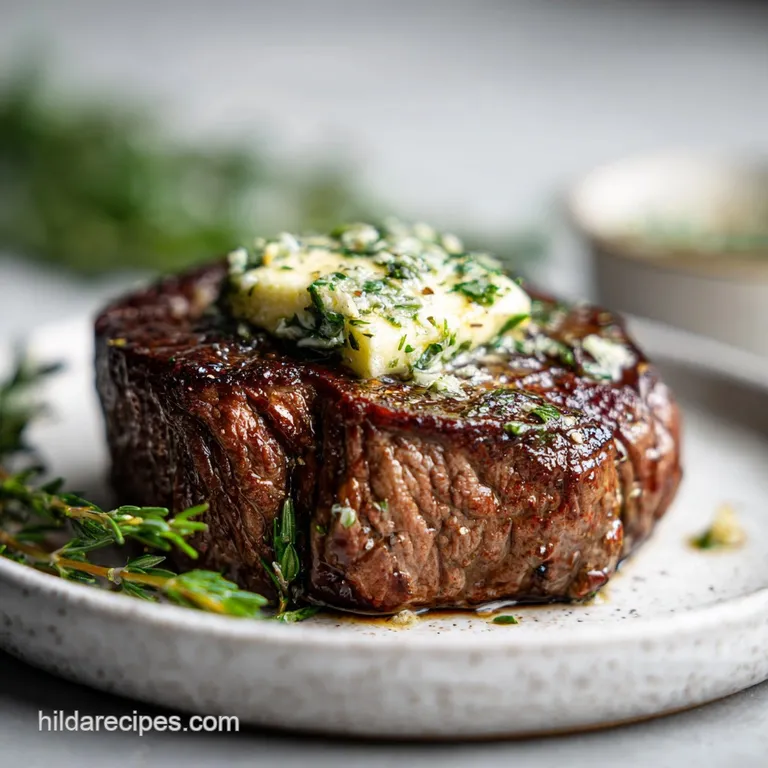
While the classic garlic and rosemary combo is a family favorite, you can easily adapt this top sirloin steak recipe with garlic to suit different moods or cuisines.
- Spicy Garlic: Add a teaspoon of red chili flakes to the butter while basting for a lingering heat.
- Umami Bomb: Stir in a teaspoon of white miso paste or a splash of soy sauce into the melting butter.
- Citrus Herb: Swap the rosemary for thyme and add a strip of lemon zest to the pan.
- Blue Cheese Finish: After resting, top the hot steak with a crumble of Gorgonzola; it will melt into the garlic butter and create a rich sauce.
If you enjoy experimenting with different flavor profiles, you might also like the seasonings used in our Crispy Chicken Parmesan recipe, which also relies on a perfect balance of herbs and over high heat cooking.
Adjusting the Batch Size
Scaling a steak recipe is more about pan space than math. You never want to overcrowd the skillet, as this drops the temperature and leads to steaming.
- For One (1/2 batch): Use a smaller 8 inch skillet to keep the butter from spreading too thin and burning.
- For Four (2x batch): Use two separate skillets or cook in batches. If cooking in batches, keep the first set of steaks on a wire rack in a 200°F oven while you finish the second pair.
- For a Crowd: Consider searing the steaks quickly on the stovetop, then transferring them all to a large sheet pan to finish in a 400°F oven. You can then make a large batch of garlic butter in a saucepan to pour over them all at once.
Debunking Kitchen Legends
There are many "rules" about steak that simply aren't true. Let's clear up a few of the most common ones.
- Searing seals in juices: This is a myth. Searing creates flavor through the Maillard reaction, but it doesn't actually create a moisture proof barrier. A seared steak loses just as much moisture as an unseared one; it just tastes a lot better.
- Only flip once: Actually, flipping the steak every 30-60 seconds can help it cook more evenly and faster. However, for this specific recipe, we flip once to ensure we get a heavy, consistent crust before adding the butter.
- Salt draws out moisture: While salt does draw out moisture initially, if you wait at least 40 minutes (or season right before cooking), the meat reabsorbs the brine, resulting in a more seasoned and tender interior.
Keeping Your Leftovers Fresh
Steak is always best fresh, but if you have leftovers, they can be transformed into incredible secondary meals like steak sandwiches or breakfast hash.
Storage: Place leftovers in an airtight container in the fridge for up to 3 days. If you plan to freeze it, wrap it tightly in plastic wrap and then foil; it will stay good for about 2 months. Note that the texture will be slightly softer after thawing.
Reheating: Avoid the microwave! It will turn your beautiful steak into rubber. Instead, place the steak in a 250°F oven until it reaches an internal temp of 110°F. For an extra boost, give it a quick 30 second flash sear in a hot pan with a little fresh butter.
Zero Waste Tip: Don't throw away the fat trimmings or the garlic cloves from the pan! The garlic can be mashed into a paste for toast, and the rendered fat (tallow) can be saved in a jar in the fridge to roast potatoes later in the week.
Best Sides for Steak
A great steak deserves companions that complement its richness without stealing the show.
- Garlic Mashed Potatoes: Use the leftover butter from the steak pan to fold into your mash.
- Roasted Asparagus: The high heat of the oven snaps the asparagus and provides a bright, grassy contrast to the heavy beef.
- Wedge Salad: A cold, crisp iceberg wedge with blue cheese dressing is the traditional steakhouse pairing for a reason it cleanses the palate between bites.
- Sauteed Mushrooms: Mushrooms share many of the same umami compounds as beef, making them a natural partner.
Whether you're serving this for a special anniversary or just because it's been a long week, this top sirloin steak recipe with garlic is a reliable way to bring restaurant quality flavor to your own dining table. The secret is all in the sizzle and the patience to let the meat rest.
Once you master that butter baste, you'll never look at a plain steak the same way again.
Very High in Sodium
1840 mg mg of sodium per serving (80% % of daily value)
The American Heart Association recommends limiting sodium intake to about 2,300mg per day for optimal health.
Sodium Reduction Tips for Your Steak Recipe
-
Reduce Salt by Half-25%
Start by reducing the amount of coarse kosher salt to 0.75 tsp. Taste and adjust further if needed. This simple step can significantly lower the sodium content. Consider using a salt grinder to evenly distribute less salt.
-
Unsalted All the Way-15%
Make sure the butter you use is absolutely unsalted. Some butters have hidden sodium content, so checking the label is crucial. Using unsalted butter will avoid adding hidden sodium
-
Trim Excess Fat-5%
While not directly sodium related, trimming excess fat allows for better seasoning penetration. This can make a smaller amount of sodium have a bigger impact.
-
Embrace Herbs & Spices
Experiment with a wider range of herbs and spices like smoked paprika, garlic powder (check label for sodium), onion powder, or chili flakes to enhance the flavor of the steak without adding sodium. Fresh herbs are preferable, but dried options can be helpful too.
Recipe FAQs
How do you cook sirloin steak in garlic butter?
Sear first, then baste. Heat oil in a cast iron skillet until shimmering, sear the seasoned steak for 3-4 minutes per side, then reduce heat. Add butter, smashed garlic, and herbs, tilting the pan to continuously spoon the hot, fragrant butter over the steak for the final 2-3 minutes until desired doneness is reached.
Do you put garlic butter on steak before or after cooking?
After the initial sear, during the final minutes of cooking. You apply the garlic butter by tilting the pan and basting the steak, allowing the butter to infuse flavor without burning the delicate garlic solids on the initial sear. Mastering this delicate temperature control is similar to balancing flavors when making Eggs Benedict with recipe; timing is everything.
How to cook top sirloin steak so it's not tough?
Temper the steak at room temperature for 30 minutes prior to cooking. Lean cuts like sirloin toughen easily if cooked straight from the refrigerator, leading to an uneven, tougher interior. Also, ensure you rest the steak for 5 minutes after cooking to allow the juices to redistribute fully.
What is the 3 3 3 3 rule for steaks?
No, the 3-3-3-3 rule is not standard for this searing method. This rule often refers to flipping every 3 minutes for a total of 9 minutes, which results in a softer exterior; we prefer a hard sear followed by a quick butter baste. For a hands off approach where you flip often, you can see similar consistent results when learning to handle dough in our Fluffy Buttermilk Pancakes recipe.
Can I season the sirloin steak a day ahead?
Yes, dry brining up to 24 hours in advance is highly recommended. Season generously with kosher salt and place the uncovered steak on a wire rack in the refrigerator; this draws out surface moisture (for a better sear) and allows the salt to penetrate deeply for maximum tenderness and flavor.
What temperature should the pan be for the initial sear?
The pan should be hot enough to create instant smoke when the oil is added. Use a high smoke point oil like avocado oil, heat the cast iron skillet over medium high heat until the oil just begins to wisps smoke, indicating the pan has reached approximately 400°F to 450°F, which is crucial for
the Maillard reaction.
What is the role of butter after the sear is achieved?
The butter’s role is flavor infusion and gentle, even cooking of the final few degrees. Adding the butter late introduces rich flavor from the browned solids and allows you to baste the exterior with aromatic compounds from the garlic and rosemary without burning the steak.
Sirloin Steak With Garlic Butter
Ingredients:
Instructions:
Nutrition Facts:
| Calories | 689 kcal |
|---|---|
| Protein | 74.6 g |
| Fat | 41.2 g |
| Carbs | 1.2 g |
| Fiber | 0.3 g |
| Sugar | 0.1 g |
| Sodium | 1840 mg |
