Potsticker Sauce: Savory & Acidic
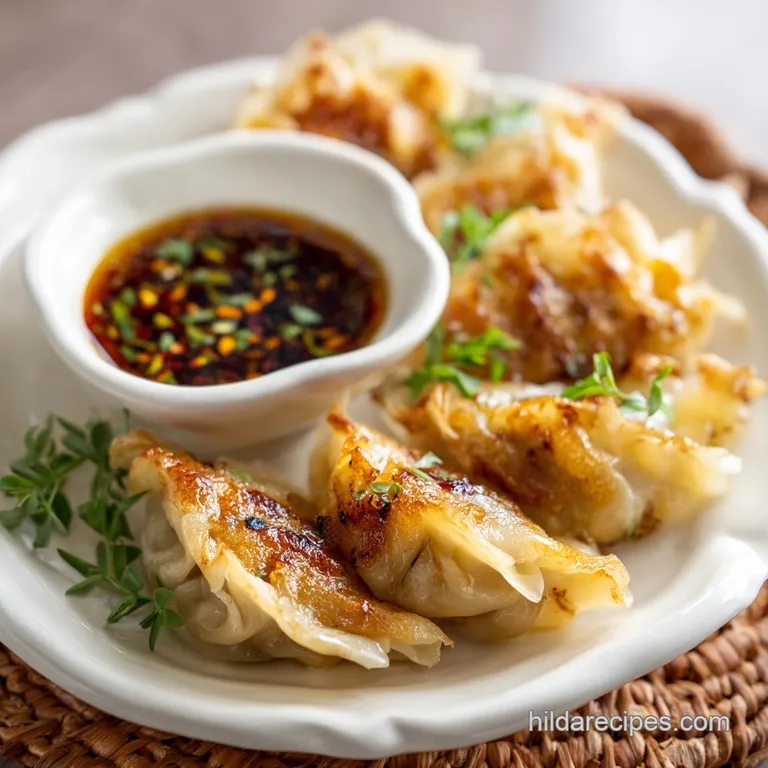
- Time: Active 5 minutes, Passive 0 minutes, Total 5 minutes
- Flavor/Texture Hook: A velvety, savory sweet balance with a subtle chili crisp kick.
- Perfect for: Weeknight stir fry nights, appetizer parties, or as a quick marinade.
- Mastering the Authentic Potsticker Sauce Balance
- Why This Recipe Works
- Recipe Specs and Yield Details
- Deep Dive into Flavorful Components
- Necessary Tools for Flawless Mixing
- Step-by-Step Assembly and Mixing
- Expert Methods for Better Results
- Substitutions for Diverse Dietary Needs
- Storing and Preserving Your Sauce
- Garnishing for Maximum Visual Appeal
- Recipe FAQs
- 📝 Recipe Card
Mastering the Authentic Potsticker Sauce Balance
Close your eyes and listen for that distinct, high pitched sizzle when a frozen potsticker hits a shimmering layer of hot oil. It’s a sound that always brings me back to my mother’s kitchen on rainy Sunday afternoons.
We’d stand over the stove together, waiting for the bottoms to turn that beautiful golden brown before the dramatic hiss of the water hit the pan for the steam finish. But the real magic happened in the small ceramic bowls we set on the table.
I used to think any old soy sauce would do, but I was wrong. My first attempt at making a homemade version was a disaster it was so sharp and vinegary it made my eyes water.
I learned through trial and error that a great Potsticker Sauce isn't just a condiment; it’s the bridge between the crispy, doughy wrapper and the savory filling inside. It needs to be bright enough to wake up your palate but deep enough to stand up to the pork or ginger inside the dumpling.
We’ve perfected this recipe over generations, moving away from the harshness of plain white vinegar and finding the sweet spot with toasted sesame oil and a touch of sugar. This isn’t a sauce that just sits on the side; it’s the component that turns a simple snack into a meal that feels like home.
Trust me, once you see how those tiny sesame seeds cling to the edge of a perfectly seared potsticker, you’ll never go back to the bottled stuff.
Why This Recipe Works
The Sugar Bridge: Granulated sugar acts as a chemical buffer that softens the sharp edges of the rice vinegar, allowing the umami of the soy to shine through.
Aromatic Surface Area: Grating the garlic and ginger into a fine paste instead of mincing them increases the surface area, releasing more essential oils into the liquid.
Emulsification Stability: The toasted sesame oil provides a fat layer that carries fat soluble flavor compounds from the chili crisp across your tongue for a longer lasting finish.
Acidic Cutting: Unseasoned rice vinegar provides a clean, crisp acidity that physically breaks down the heavy feeling of pan-fried oils on the palate.
The Science of the Emulsion
When you whisk sesame oil into the soy base, you are creating a temporary emulsion. The sugars and the physical particles of the grated ginger help keep these tiny oil droplets suspended, ensuring that every dip gets a consistent mix of fat and salt rather than just a slick of oil on top.
| Method | Prep Time | Texture Result | Best For |
|---|---|---|---|
| The Fresh Blend | 5 minutes | Slightly textured, vibrant | Authentic family dinners |
| The Quick Whisk | 2 minutes | Thin, smooth | Fast weeknight snacks |
| The Spicy Infusion | 10 minutes | Rich, oil forward | Heat lovers and crispy gyoza |
The "Fresh Blend" described in this recipe relies on the interaction between the fresh aromatics and the liquid base. If you let the garlic and ginger sit in the vinegar for just two minutes before adding the soy, the acid actually "cooks" the raw bite out of the garlic, leaving you with a mellow, savory depth that won't overpower the rest of your meal.
Recipe Specs and Yield Details
| Ingredient | Science Role | Pro Secret |
|---|---|---|
| Low sodium Soy Sauce | Umami Foundation | Provides depth without the throat stinging saltiness of regular soy. |
| Unseasoned Rice Vinegar | Acidic Brightness | Has a lower pH than white vinegar, offering a floral, mild tang. |
| Toasted Sesame Oil | Flavor Carrier | The over high heat roasting of the seeds adds a smoky, nutty aroma that defines the dish. |
This recipe yields 6 servings, which is usually enough for a standard bag of 20-24 potstickers. While many people just splash ingredients together, using these specific ratios ensures that the salt doesn't mask the delicate flavor of your dumpling fillings.
Deep Dive into Flavorful Components
- 1/4 cup low sodium soy sauce: Why this? It allows you to control the salt level while maximizing the fermented bean flavor. (Substitute: Tamari for a gluten-free option).
- 2 tbsp unseasoned rice vinegar: Why this? Provides the necessary tang without the harshness of grain based vinegars. (Substitute: Apple cider vinegar mixed with a pinch of salt).
- 1 tsp toasted sesame oil: Why this? Adds a velvety mouthfeel and a scent that triggers the appetite. (Substitute: Roasted peanut oil for a different nutty note).
- 1 clove garlic, grated into a paste: Why this? A paste distributes flavor evenly so you don't bite into raw chunks. (Substitute: 1/4 tsp garlic powder if fresh isn't available).
- 1 tsp fresh ginger, finely grated: Why this? Adds a sharp, peppery heat that cuts through the fat of the fried wrapper. (Substitute: 1/2 tsp ground ginger, though it lacks the fresh "zip").
- 1 green onion, thinly sliced: Why this? The white parts add bite, while the green tops add a fresh, grassy finish. (Substitute: Chives for a milder onion flavor).
- 1 tsp granulated sugar: Why this? Essential for balancing the vinegar; it makes the sauce taste "round." (Substitute: Honey or maple syrup for a different sweetness).
- 1 tsp chili crisp: Why this? Adds texture, heat, and a boost of savory MSG like flavor from the peppers. (Substitute: Red pepper flakes mixed with a drop of oil).
- 1/2 tsp toasted sesame seeds: Why this? Provides a tiny, occasional "pop" of crunch and visual appeal. (Substitute: Black sesame seeds for a striking contrast).
Chef's Tip: Before you grate your ginger, use the edge of a small spoon to scrape away the skin. It's much safer than a peeler and preserves all the flavorful flesh right under the surface.
Necessary Tools for Flawless Mixing
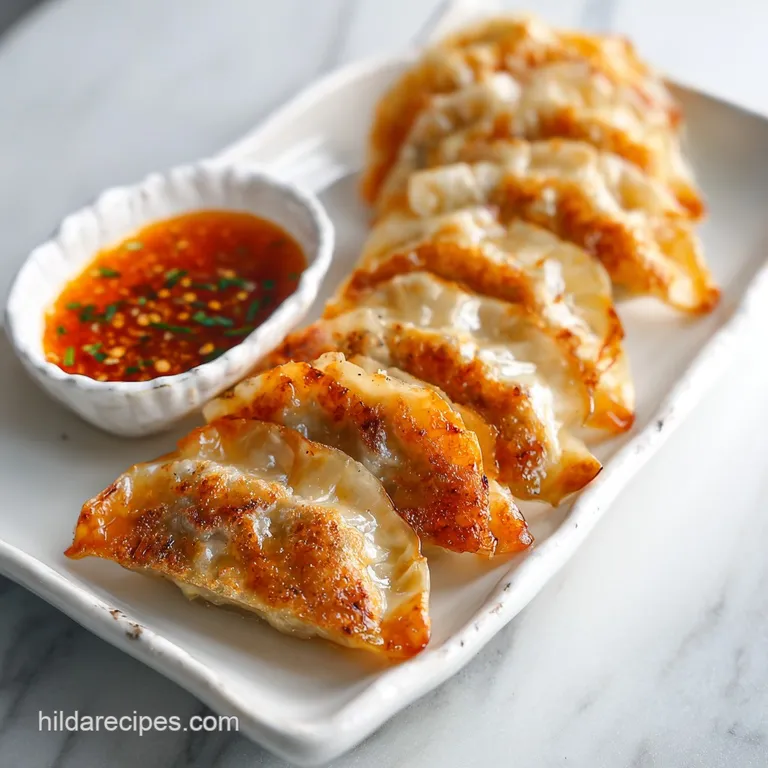
You don't need a high tech lab to make a great Potsticker Sauce, but a few specific tools make the job much easier. I always reach for my microplane or a fine ceramic grater for the ginger and garlic.
If you mince them with a knife, the pieces are often too heavy and sink to the bottom of the bowl, meaning your last dumpling gets all the flavor and your first one gets none.
A small glass Mason jar is actually my favorite vessel for mixing. You can toss everything in, tighten the lid, and give it a vigorous shake. This creates a much better emulsion than a fork ever could. If you're looking for other ways to use your kitchen tools, this sauce making technique is quite similar to how I prepare the base for my Lemon Caper Butter recipe, where getting the aromatics to blend perfectly into the liquid is the whole goal.
step-by-step Assembly and Mixing
1. Prep the Aromatics
Grate the 1 clove of garlic and 1 tsp of fresh ginger directly into your mixing bowl. Using a microplane here is best because it turns them into a wet pulp. Note: This ensures the flavor is infused into the liquid rather than just floating on top.
2. The Vinegar Soak
Add the 2 tbsp of unseasoned rice vinegar to the garlic and ginger paste. Let it sit for about 1 minute. Note: The acidity of the vinegar "mellows" the harsh sulfur compounds in the raw garlic.
3. Dissolve the Sugar
Stir in the 1 tsp of granulated sugar. Whisk vigorously until the grains are no longer visible at the bottom of the bowl.
4. Build the Umami Base
Pour in the 1/4 cup of low sodium soy sauce. Use a slow, steady stream while stirring to begin the integration process.
5. Add the Toasted Fats
Drizzle in the 1 tsp of toasted sesame oil and add the 1 tsp of chili crisp. Watch for the oil to break into tiny, shimmering beads throughout the sauce.
6. Incorporate the Textures
Fold in the 1/2 tsp of toasted sesame seeds and the thinly sliced green onion. Note: Adding these last keeps the onions from getting too soggy before serving.
7. Final Taste Check
Dip a small piece of a potsticker wrapper or a spoon into the sauce. It should taste bright first, followed by a savory saltiness, and end with a mild nutty warmth.
8. The Resting Phase
Let the sauce sit for at least 5 minutes before serving. Smell the aroma as the ginger and sesame oil marry; the scent will become much more complex after a short rest.
Expert Methods for Better Results
One mistake I once made was using "Seasoned" rice vinegar instead of "Unseasoned." Seasoned vinegar already has salt and sugar added, which completely throws off the balance of this specific recipe. Always check the label! If you only have seasoned vinegar, skip the extra teaspoon of sugar mentioned in the ingredients.
Why Your Sauce Separates
If you notice a thick layer of oil on top of your Potsticker Sauce, it’s usually because it wasn't whisked thoroughly enough or it has sat for too long. Since we aren't using chemical emulsifiers, natural separation is normal. Just give it a quick stir right before you bring it to the table.
| Problem | Root Cause | Solution |
|---|---|---|
| Too salty | Regular soy sauce used | Add a splash of water or an extra teaspoon of vinegar. |
| Harsh garlic taste | Garlic chunks too large | Grate the garlic into a paste or let it soak in vinegar longer. |
| Dull flavor | Old ginger or sesame oil | Add a tiny squeeze of fresh lime juice to wake up the flavors. |
Another quick fix if the sauce feels too "flat" is to add a tiny pinch of white pepper. It provides a different kind of heat than the chili crisp more of a floral, back of-the throat tingle that reminds me of traditional restaurant sauces.
Common Mistakes Checklist
- ✓ Use low sodium soy sauce to avoid an overwhelming salt punch.
- ✓ Grate aromatics instead of chopping to prevent "garlic breath" bites.
- ✓ Don't skip the sugar; it is the essential "roundness" in the flavor profile.
- ✓ Whisk the oil in last to ensure a better temporary emulsion.
- ✓ Let the sauce rest for 5 minutes to allow the flavors to bloom.
Substitutions for Diverse Dietary Needs
When I'm making a big batch of dumplings for a crowd, I often have to pivot based on what's in my pantry or my friends' dietary needs. For those who want a "Potsticker Sauce No Soy Sauce" version, coconut aminos are your best friend.
They are naturally sweeter, so you'll want to cut the added sugar in the recipe by half.
1. gluten-free Dipping Options
Simply swap the soy sauce for an equal amount of Tamari. Tamari has a slightly richer, darker flavor that many of my friends actually prefer. It works beautifully with the toasted sesame oil.
2. Making it Spicy
If you want a truly Spicy Potsticker Sauce, double the chili crisp and add a half teaspoon of Szechuan peppercorn oil. This creates that famous "numbing" sensation (ma la) that makes your mouth tingle in the best way possible.
3. Low Carb Sweetener Choices
For a keto friendly version, replace the granulated sugar with an equal amount of liquid monk fruit or erythritol. Since there's no cooking involved, a liquid sweetener integrates much faster and prevents any "grittiness" that some powdered substitutes can have.
Storing and Preserving Your Sauce
The beauty of this Potsticker Sauce is that it actually tastes better the next day. The aromatics have more time to infuse into the soy and vinegar, creating a much more cohesive flavor. I usually make a double batch and keep it in a jar in the fridge.
Storage: Keep in an airtight container in the refrigerator for up to 7 days. The oil will likely solidify slightly in the cold, so just take it out 10 minutes before you need it and give it a good shake.
Freezing: I don't recommend freezing this sauce. The fresh green onions and ginger lose their texture and vibrancy when thawed, often turning the sauce a bit murky and bitter.
Zero Waste Tip: If you have leftover sauce but no more dumplings, don't toss it! It makes an incredible dressing for a cold noodle salad. Just toss it with some chilled ramen or soba noodles, add some shredded carrots and cucumbers, and you have a whole new meal. You can even use it as a savory flavor booster for something like a Tater Tot Casserole recipe if you want to add a unique fusion twist to the gravy!
Garnishing for Maximum Visual Appeal
We eat with our eyes first, and a dark brown sauce can look a bit dull without some contrast. I love saving a few of the brightest green rings from the onion tops to sprinkle on at the very last second. It provides a pop of color that makes the dish look like it came straight from a professional kitchen.
If you're serving this at a party, try using black and white sesame seeds together. The contrast against the dark soy sauce is stunning. For a "Sweet and Sour Potsticker Sauce" vibe, you can even add a few very thin slices of fresh red chili on top. It warns people of the heat while looking absolutely beautiful.
Right then, you're all set! This sauce is honestly the secret weapon in my kitchen. It's simple, traditional, and has that perfected balance that only comes from years of "just one more pinch of sugar." Let me know how yours turns out did you go for the extra chili crisp, or did you keep it classic?
Happy dipping!
Recipe FAQs
What type of sauce do you eat with potstickers?
A balanced soy-vinegar dipping sauce. The ideal sauce combines umami from soy sauce, bright acidity from rice vinegar, and aromatic notes from sesame oil and fresh ginger/garlic.
What’s a good dipping sauce for dumplings?
A simple mixture of low-sodium soy sauce, rice vinegar, toasted sesame oil, and grated aromatics. This ratio cuts through the richness of the pan-fried wrapper while enhancing the savory filling.
What is the potsticker sauce called store-bought?
It is usually labeled as "Gyoza Dipping Sauce" or "Dumpling Sauce." These store-bought versions are often heavier on the sugar and cornstarch for texture; making it at home allows for better control over acidity.
What to use instead of soy sauce for potstickers?
Use coconut aminos or Tamari as direct substitutions. Coconut aminos are naturally sweeter, so reduce the added sugar in the recipe by half to maintain flavor balance.
How do I make a soy-free potsticker sauce?
Replace soy sauce with an equal measure of coconut aminos, then reduce any added sugar. If you are looking for a different way to balance savory flavors, you could explore using reduced sodium fish sauce for depth, similar to how acid is balanced in our Eggs Benedict with Hollandaise Sauce for 4 Servings, albeit for completely different flavor profiles.
How do I prevent the sauce from separating?
Whisk the ingredients vigorously, ensuring the sesame oil is broken into fine beads. The grated ginger and sugar act as temporary emulsifiers; shaking the mixture right before serving is the best insurance against separation.
How long can I store homemade potsticker dipping sauce?
Refrigerate the sauce in an airtight container for up to 7 days. The flavors actually deepen overnight, making it excellent for leftovers, though the fresh ginger flavor is best within the first few days.
Potsticker Sauce Recipe
Ingredients:
Instructions:
Nutrition Facts:
| Calories | 23 kcal |
|---|---|
| Protein | 1.1 g |
| Fat | 1.4 g |
| Carbs | 1.9 g |
| Fiber | 0.1 g |
| Sugar | 0.7 g |
| Sodium | 356 mg |
