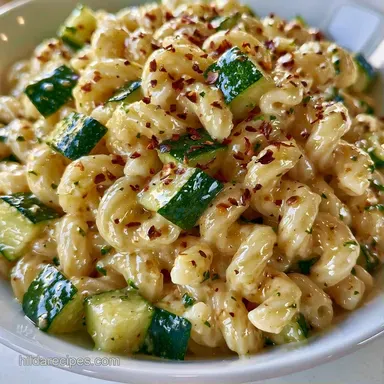
One Pot Summer Veggie Pasta with Lemon and Parmesan
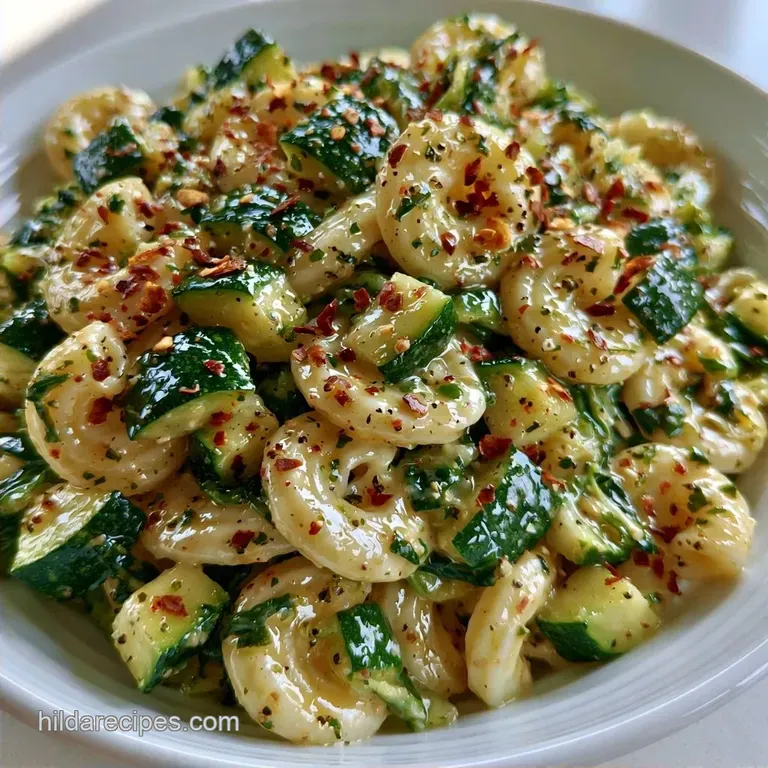
- Duration: 10 min active + 20 min cook
- Taste Profile: Zesty, vibrant, and starchy-smooth
- Best for: Fast weeknight meals or fresh garden lunches
What Each Ingredient Does
I’ve found that the balance here depends on the interplay between the fat from the oil and the acid from the lemon. If you skip the lemon, the dish feels flat. If you overcook the zucchini, you lose that fresh summer crunch.
Below is a breakdown of how the main players work together.
| Component | Purpose | Substitute Notes |
|---|---|---|
| Vegetable Broth | Cooks pasta and adds depth | Water + bouillon: Works fine but less complex |
| Linguine | Provides a surface for the sauce | Spaghetti: Equal swap, works perfectly |
| Lemon Juice | Cuts through the fat of the cheese | White wine: More sophisticated, less tart |
| Parmesan | Thicken the emulsion and adds salt | Pecorino: Saltier and sharper flavor |
Right then, let's look at the full list. I always recommend using a high-quality extra virgin olive oil here because it’s one of the primary flavors.
- 2 tbsp extra virgin olive oil
- 1 medium yellow onion, finely diced Why this? Provides a sweet, aromatic base
- 4 cloves garlic, minced Why this? Essential for that savory punch
- 1 tsp dried oregano
- 1/2 tsp red pepper flakes Why this? Adds a subtle, warming heat
- 2 medium zucchini, diced into 1/2 inch cubes
- 2 cups cherry tomatoes, halved
- 3 cups baby spinach, packed
- 1 lb linguine Why this? Flat shape holds the emulsion well
- 4 cups vegetable broth, low sodium
- Juice of 1 lemon
- 1/2 cup grated Parmesan cheese
- 1/4 cup fresh basil leaves, torn
- salt to taste
- black pepper to taste
If you're running low on zucchini, you can easily swap it for diced yellow squash. If you don't have baby spinach, kale works well, but you'll need to stir it in a few minutes earlier so it has time to soften.
Gear You'll Need
You don't need high end equipment, but choosing the right cookware is key. A wide sauté pan or deep skillet works best. Using a shallow pan risks the broth evaporating too fast, which can lead to raw pasta and a scorched pan.
Since the pasta simmers directly in the liquid, a deep pan is vital. This gives the linguine plenty of room to move, preventing it from clumping together. I recommend using a long handled spoon or a flexible turner; frequent stirring during the simmering stage is necessary to distribute the starch evenly.
Lastly, grab a fine grater or microplane for your Parmesan. Avoid pre-shredded varieties, as they often contain cornstarch that results in a grainy texture. Grating the cheese yourself guarantees a smooth, silky sauce.
Making the Pasta
Let's crack on. The key is to time the vegetables so they don't turn into mush while the pasta cooks.
Phase 1: Building the Aromatic Base
- Heat the olive oil over medium heat in a deep skillet. Add the diced onion and sauté for 3–4 minutes until translucent and soft.
- Stir in the minced garlic, dried oregano, and red pepper flakes. Cook for 60 seconds until the aroma fills the kitchen. Note: Don't let the garlic brown or it will turn bitter.
Phase 2: The One Pot Simmer
- Add the broken pasta and vegetable broth to the skillet. Note: Breaking the linguine in half helps it fit and cook evenly in a skillet.
- Bring the liquid to a boil, then reduce heat to a simmer.
- Stir frequently and cook for 7–9 minutes until the liquid has reduced by half. You'll see the broth transform into a thicker, glossy sauce.
Phase 3: The Garden Fold
- Stir in the zucchini and cherry tomatoes. Continue simmering for 4–5 minutes until the zucchini is tender crisp.
- Remove the pan from heat. Fold in the baby spinach, lemon juice, and Parmesan cheese until the spinach is wilted.
- Garnish with torn basil and black pepper before serving.
Chef's Note: If the sauce looks too thick before the pasta is done, splash in a bit more broth. If it's too thin, keep it on the heat for another minute.
Fixing Common Issues
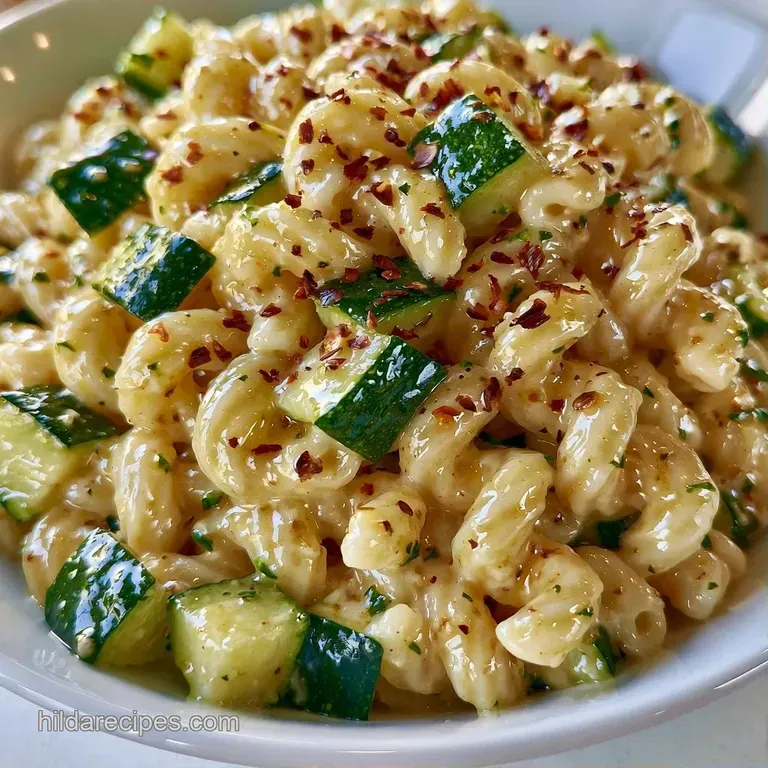
Even straightforward recipes can occasionally go wrong. I've dealt with my own share of pasta mishaps, but these tips usually fix the problem.
Sauce is too watery
If your sauce is too thin, it may be because the pan was too wide or the heat was too low, preventing the liquid from reducing. If the pasta is done but the sauce hasn't thickened, turn the heat to high for 2 minutes.
Stir constantly to allow the starch to bind with the liquid and thicken the sauce quickly.
Zucchini turned to mush
Mushy zucchini is a common mistake. To avoid this, only add them after the pasta has simmered for most of its time. Zucchini only needs a few minutes to stay tender crisp. If you are using very small cubes, limit the simmer time to 3 minutes.
Pasta is still hard
If the liquid has evaporated but the noodles are still hard in the center, you've hit the "dry pot" issue. Stir in 1/4 cup of water or broth, cover the skillet with a lid, and steam on low for 2–3 minutes. This allows the trapped steam to penetrate the core of the pasta.
Sauce is clumping
This usually happens when cheese is added while the pan is on high heat, which can cause the Parmesan proteins to seize. Always take the pan off the burner before stirring in your cheese and spinach.
Diet and Scaling
This One Pot Summer Veggie Pasta is naturally vegetarian, but it's flexible enough to fit most dietary needs.
For those avoiding gluten, you can use a brown rice or chickpea pasta. Keep in mind that gluten-free noodles release different starches and often require more liquid. According to Serious Eats, pasta starch is the engine of the sauce, but GF starches can be more "gel like," so you might need an extra splash of broth to keep it pourable.
For a vegan version, swap the Parmesan for nutritional yeast or a cashew based parmesan. The nutritional yeast provides that same nutty, salty hit without the dairy. If you want a protein boost, I recommend adding grilled shrimp or chickpeas during the last 5 minutes of simmering. If you love zucchini but want a different format, you might like my zucchini pasta one pot which uses a similar approach.
Scaling the Batch
Scaling Down (Half Batch): Use a smaller 10 inch skillet. Reduce the cooking time by about 20% because the smaller volume of liquid will evaporate faster.
Scaling Up (Double Batch): Don't just double everything in the same pan, or the pasta will clump. Work in two separate skillets or use a very large Dutch oven. Only increase the salt and red pepper flakes to 1.5x the original amount, as these flavors can become overwhelming when doubled.
Customizing the Goal
- For a creamier sauce: Stir in 2 tbsp of heavy cream or coconut milk at the end.
- For more heat: Increase red pepper flakes to 1 tsp.
- For a brighter taste: Add a teaspoon of lemon zest along with the juice.
Storing and Reheating
Pasta often absorbs the sauce as it rests, so your leftovers may appear different the next day.
Store the dish in a glass vessel in the refrigerator for no more than 4 days. When reheating, avoid using a high microwave setting, which can dry the pasta out. Instead, stir in a tablespoon of broth or water, cover with a damp paper towel, and heat in 45-second intervals.
This re-activates the starch and restores the glossy consistency.
I wouldn't recommend freezing this meal. The spinach and zucchini release excessive moisture upon thawing, which results in a soggy texture.
To reduce waste, collect your onion skins and zucchini ends. Keep them in a freezer bag to create a homemade vegetable stock for your next pasta dinner.
Best Side Pairings
Since the One Pot Summer Veggie Pasta is quite hearty and zesty, you want sides that provide a cool contrast.
A crisp green salad with a simple balsamic vinaigrette works well. The acidity of the vinegar cuts through the richness of the Parmesan. If you're hosting a bigger group, a cold side is a great way to keep the meal feeling light. My orzo pasta salad is a fantastic companion for this because it adds another layer of fresh vegetables.
For bread, go with a toasted baguette rubbed with a raw garlic clove. It’s simple, budget friendly, and perfect for mopping up the remaining sauce at the bottom of the bowl.
Fast vs Classic Method
| Feature | One Pot Method | Classic Boiling Method |
|---|---|---|
| Total Time | 30 minutes | 50+ minutes |
| Cleanup | 1 pan, 1 spoon | 2 pots, 1 colander |
| Sauce Base | Pasta starch emulsion | Separate sauce pan |
| Texture | Coated and glossy | Lighter, separate sauce |
How the Sauce Thickens
The real magic here is the starch. In a traditional recipe, you throw away the pasta water, but here, we keep it. As the linguine simmers, it releases amylose, which acts as a natural thickener.
This starch binds the olive oil and vegetable broth together. Instead of the oil just sitting on top of the noodles, it forms a stable emulsion. The addition of Parmesan at the end adds fat and protein, which further stabilizes the sauce and gives it a rich, velvety quality.
The lemon juice is the final piece of the puzzle. The citric acid breaks down the heaviness of the starch and cheese, brightening the entire dish and making the flavors of the zucchini and basil pop. It's a simple balance of chemistry that turns basic pantry staples into a cohesive meal.
Recipe FAQs
What's the best way to season zucchini in this dish?
Sauté them briefly at the end. Adding diced zucchini during the last 4-5 minutes of simmering ensures they stay tender crisp rather than turning into mush.
Should pasta be cooked directly in the broth?
Yes, it creates a creamier sauce. The starch released from the linguine emulsifies with the vegetable broth, resulting in a thickened glaze without needing heavy cream.
Looking for ways to use up a garden surplus of zucchini?
This one-pot pasta is ideal. It uses two medium zucchinis and integrates them with cherry tomatoes and spinach for a nutrient dense summer meal.
How to refresh day-old pasta?
Add a tablespoon of water or broth. Cover the bowl with a damp paper towel and heat in 45-second bursts to rehydrate the starch and restore the glossy texture.
Is there a 15-minute pasta alternative?
No, this recipe takes about 30 minutes. While prep is fast, the pasta needs 7-9 minutes to simmer and the vegetables need time to soften for the best flavor.
Which other recipes use similar flavor profiles?
Try something with a rich base. If you liked the way the broth thickened here, you can apply that same emulsion technique to our Cajun steak penne for a heartier meal.
Does one-pot pasta always turn out mushy?
That's a myth. Stirring frequently and simmering for exactly 7-9 minutes ensures the linguine reaches al dente while the liquid reduces.
Could I swap the linguine for another shape?
Yes, most short pastas work. Penne or fusilli are great substitutes, though you may need to adjust the simmering time slightly to hit the desired texture.
One Pot Summer Veggie Pasta