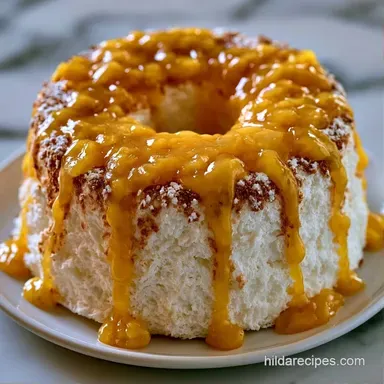
Lemon Curd Angel Food Cake: Technical Guide
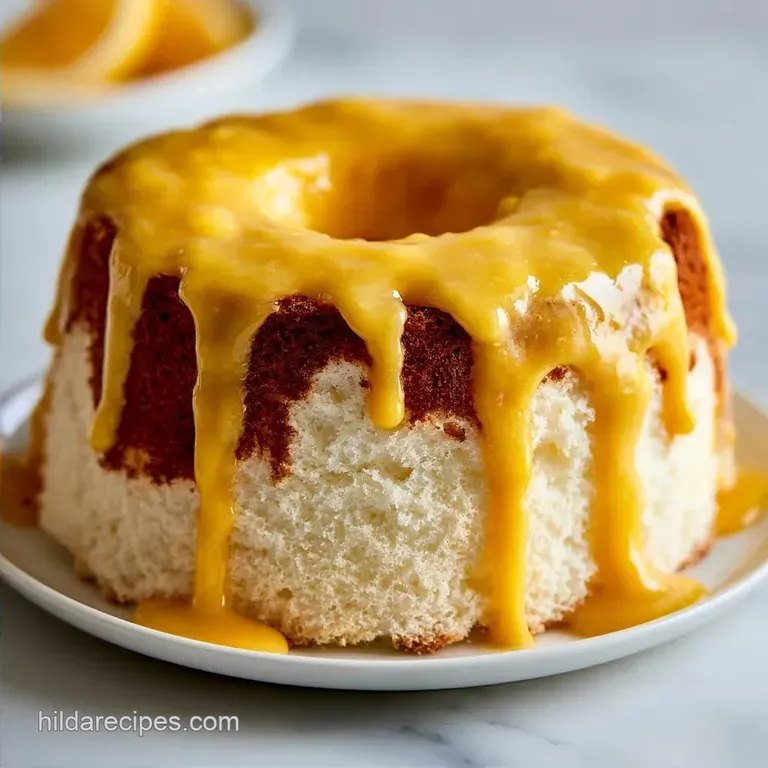
- Time: 20 min active + 2 hr cooling
- Flavor/Texture Hook: Tart, zesty citrus paired with a cloud like sponge
- Perfect for: Summer garden parties or technical baking practice
The sound of a stand mixer whisk hitting the side of a stainless steel bowl at high speed is the heartbeat of this recipe. It is the sound of proteins unfolding and trapping air. If you have ever had a cake that felt more like a sponge than a cloud, it usually comes down to the molecular state of your egg whites.
Precision is the only way to handle a Lemon Curd Angel Food Cake. You cannot eyeball the measurements or ignore the temperature of your ingredients. A few grams of extra fat or a slight dip in oven temperature will result in a collapsed structure.
This version focuses on the contrast between the airy base and the dense, tart curd. We are looking for a specific structural integrity that allows the cake to hold the weight of fresh berries and cream without compressing.
Lemon Curd Angel Food Cake
The success of this build relies on the physics of air entrapment and protein stabilization.
Egg Protein Alignment: Beating egg whites denatures the proteins, causing them to uncoil and form a mesh that traps air bubbles. This creates the lift that replaces traditional chemical leaveners.
Acid Stabilization: Cream of tartar acts as a stabilizer by lowering the pH of the egg whites. This prevents the proteins from bonding too tightly, which would otherwise squeeze out the water and cause the foam to collapse.
Inverse Cooling: Gravity works against a hot sponge. Cooling the cake upside down ensures the internal structure sets before the weight of the cake pulls it downward.
| Curd Method | Time | Texture | Best For |
|---|---|---|---|
| Stovetop | 15 mins | Thicker, more intense | Layering and filling |
| Double Boiler | 25 mins | Smooth, more stable | Delicate glazes |
This technical approach ensures the Lemon Curd Angel Food Cake maintains its height and porosity.
Essential Baking Tools
A clean environment is non negotiable for this recipe. Any trace of fat in your mixing bowl will prevent the egg whites from reaching full volume.
Use a 10 inch tube pan. Do not use a springform pan, as the batter needs to climb the walls of the pan to rise. A stand mixer such as a KitchenAid is highly recommended for the amount of aeration required for 12 egg whites.
You will also need a fine mesh sifter for the cake flour. Clumps of flour act like weights in the batter, causing uneven pockets of air and potential collapse.
Ingredient Selection Guide
Using cake flour is crucial for the desired texture. Its lower protein content compared to all-purpose flour limits gluten development, which prevents the cake from becoming tough and ensures it remains light and airy.
| Ingredient | Role | If You Don't Have It |
|---|---|---|
| Cake Flour | Low-protein structure | AP flour minus 2 tbsp, replaced with cornstarch |
| Cream of Tartar | Foam stabilizer | A teaspoon of lemon juice or white vinegar |
| Superfine Sugar | Quick dissolution | Regular sugar pulsed in a blender |
| Egg Whites | Main leavening agent | No substitute for traditional angel food |
The quality of the Lemon Curd Angel Food Cake hinges on the acidity of fresh lemon juice. Bottled versions typically lack the vibrant, aromatic compounds found in fresh fruit.
For the Base
- 1 cup (120g) cake flour, sifted Why this? Ensures a tender, delicate crumb
- 1 1/2 cups (300g) superfine sugar, divided Why this? Dissolves more readily into egg foams
- 1 tsp (4g) cream of tartar Why this? Stabilizes the protein bonds
- 1/2 tsp (3g) salt Why this? Enhances the overall flavor profile
- 12 large egg whites, room temperature Why this? Allows for better volume and aeration
For the Homemade Lemon Curd
- 1/2 cup (115g) unsalted butter, cubed Why this? Creates a rich, stable emulsion
- 3/4 cup (150g) superfine sugar Why this? Produces a smooth consistency
- 3 large eggs, beaten Why this? Serves as the primary thickener
- 1/2 cup (120ml) fresh lemon juice Why this? Delivers natural brightness and acidity
- 1 tbsp (6g) lemon zest Why this? Adds aromatic citrus oils
- Pinch of salt Why this? Accents the tart lemon flavor
For the Assembly & Topping
- 1 cup (240ml) heavy whipping cream, chilled Why this? High fat content creates stiff peaks
- 2 tbsp (25g) powdered sugar Why this? Provides a delicate sweetness
- 1 cup (150g) fresh blueberries or sliced strawberries Why this? Adds a fresh, tart contrast
- Fresh mint leaves for garnish
Technical Recipe Specs
Precision in time and temperature prevents the most common failure modes.
- Prep Time: 20 minutes
- Cook Time: 40 minutes
- Total Time: 180 minutes (includes 2 hours cooling)
- Oven Temp: 325°F (163°C)
- Yield: 12 servings
- - Foam State
- Peaks must stand straight up, not curve.
- - Doneness
- The top must spring back immediately when touched.
- - Cooling
- Must remain inverted for exactly 120 minutes.
Detailed Execution Steps
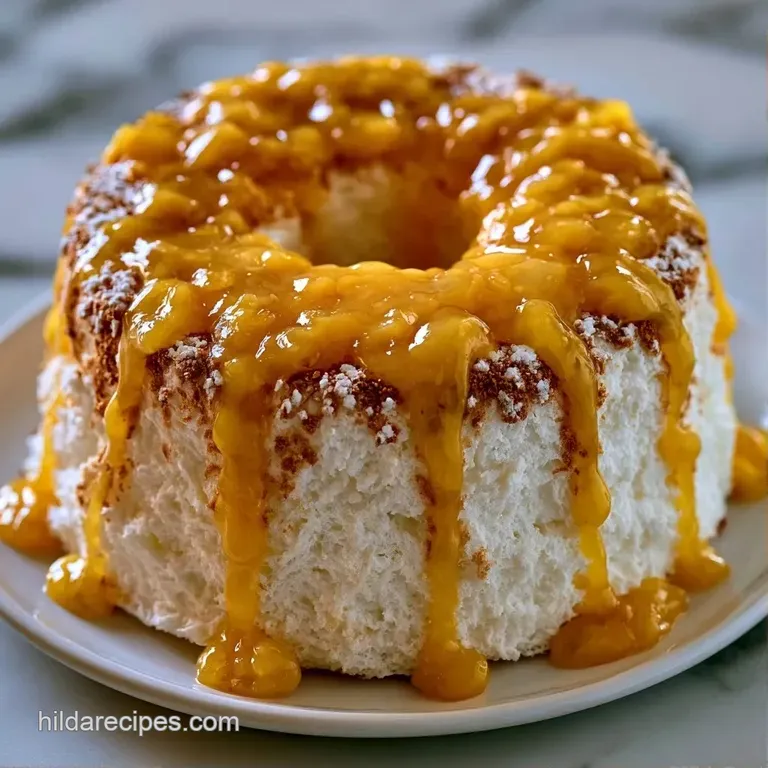
Phase 1: Building the Airy Base
- Sift together the cake flour, salt, and half of the sugar in a medium bowl. Set this aside.
- Beat egg whites and cream of tartar in a clean stand mixer bowl on medium speed until foamy.
- Increase speed to high and slowly rain in the remaining sugar. Beat until stiff, glossy peaks form. The peaks should stand straight up without drooping.
- Gently fold the sifted flour into the egg whites in three batches using a rubber spatula. Use a cut and fold motion to avoid deflating the air bubbles.
Phase 2: The Bake and Inverse Cool
- Pour the batter into an ungreased 10 inch tube pan. Smooth the top with a spatula.
- Bake at 325°F (163°C) for 40 minutes until the top springs back and edges pull away.
- Immediately invert the pan on a wire rack. Cool the cake upside down for 2 hours. This prevents the sponge from compressing under its own weight.
Phase 3: Creating the Lemon Curd Filling
- Combine butter, sugar, beaten eggs, lemon juice, zest, and salt in a saucepan. Cook over medium heat, stirring constantly, until the mixture thickens enough to coat the back of a spoon.
- Remove from heat and let it cool completely. This results in a velvety texture that holds its shape.
Phase 4: Assembly
- Whip heavy cream and powdered sugar until stiff peaks form.
- Assemble the Lemon Curd Angel Food Cake by layering the cooled cake with lemon curd, whipped cream, and fresh berries. Garnish with mint leaves.
Fixing Technical Failures
The most common issues with this recipe are related to aeration and temperature. If your cake feels gummy, it is usually a sign of over mixing during the folding phase or an under baked center.
Preventing Cake Collapse
If the cake sinks in the middle, the protein structure was not fully set. This often happens if the oven door is opened too early, causing a sudden temperature drop.
Fixing Runny Curd
A curd that does not thicken usually lacks enough heat or egg protein coagulation. Continue cooking over medium low heat, stirring constantly, until it reaches a thick, custard like consistency.
Avoiding Grainy Foam
Grainy egg whites occur when sugar is added too quickly. This creates clumps of undissolved sugar that weigh down the foam. Rain the sugar in a slow, steady stream.
| Problem | Root Cause | Solution |
|---|---|---|
| Cake shrinks | Removed too early | Bake until top springs back |
| Batter deflates | Aggressive folding | Use a gentle cut and fold motion |
| Curd is lumpy | High heat/no stirring | Whisk constantly on medium low |
| Stick to pan | Pan was greased | Use a completely ungreased pan |
If you find the structure of your sponge is too delicate, you can refer to a more basic angel food cake recipe to practice the folding technique.
Preservation and Waste
This Lemon Curd Angel Food Cake is best enjoyed fresh, as the curd's moisture will eventually soak into the sponge and soften its texture.
Keep the assembled cake in a sealed box and refrigerate for up to 3 days. For the best results, store the whipped cream and curd in their own containers and assemble the cake just before serving.
The cake base can be frozen for as long as 2 months. Wrap it tightly with plastic wrap and then foil, thawing it in the refrigerator overnight before adding the toppings.
To minimize waste, don't throw away the lemon peels. After zesting, use the leftover rinds to create a citrus-infused simple syrup for cocktails or simmer them in vinegar to make a natural kitchen cleaner.
Adaptations and Swaps
While the lemon profile is classic, the technical framework of the cake allows for other citrus variations. You can replace the lemon juice and zest with lime or orange for a different flavor profile.
Decision Shortcut: - Extra tang? → fold in 1 tsp lemon zest - Brighter color? → add a drop of natural yellow food gel - More richness? → increase butter in curd by 20g
If you prefer a different fruit pairing, raspberries or blackberries work well. The key is to use fruits with a similar acidity to the lemon to keep the flavor balanced.
| Original Ingredient | Substitute | Why It Works |
|---|---|---|
| Cake Flour | AP Flour + Cornstarch | Mimics low protein content. Note: Slightly less tender |
| Heavy Cream | Mascarpone | More stable structure. Note: Heavier mouthfeel |
| Superfine Sugar | Granulated Sugar | Same sweetness. Note: May leave slight grit |
Always ensure your substitutes maintain the same fat to acid ratio to prevent the curd from breaking.
Suggested Pairings
Because this treat is quite tangy, it pairs beautifully with creamy or subtly sweet drinks. A chilled glass of Moscato or Prosecco will highlight those citrus notes.
For a heartier accompaniment, serve the cake with some vanilla wafer cookies to introduce a buttery crispness that balances the soft cake.
To slice the cake, reach for a sharp serrated knife; a straight-edge blade may collapse the air bubbles and damage the crumb's texture. For a professional presentation, place a dollop of curd in the center, encircle it with whipped cream, and garnish with a fresh mint leaf.
Recipe FAQs
Why do you invert an angel food cake?
It prevents the sponge from compressing under its own weight as it cools.
Tip: Cool the cake upside down for a full two hours to maintain maximum height.
How to ice an angel food cake?
Layer the cooled cake with lemon curd and whipped cream.
Tip: Whip the heavy cream and powdered sugar until stiff peaks form for better stability.
Is it true that greasing the pan helps the cake release?
That's a myth. Greasing prevents the batter from gripping the sides, which causes the cake to collapse.
Tip: Use an ungreased 10-inch tube pan to ensure the sponge climbs the walls correctly.
What toppings best enhance an angel food cake?
Add fresh blueberries, sliced strawberries, and mint leaves.
Tip: If you loved the zesty contrast here, see how we use a similar bright acid technique in our Mediterranean chicken tacos.
Lemon Curd Angel Food Cake in 1 Hour