Lemon Caper Butter Sauce Recipe
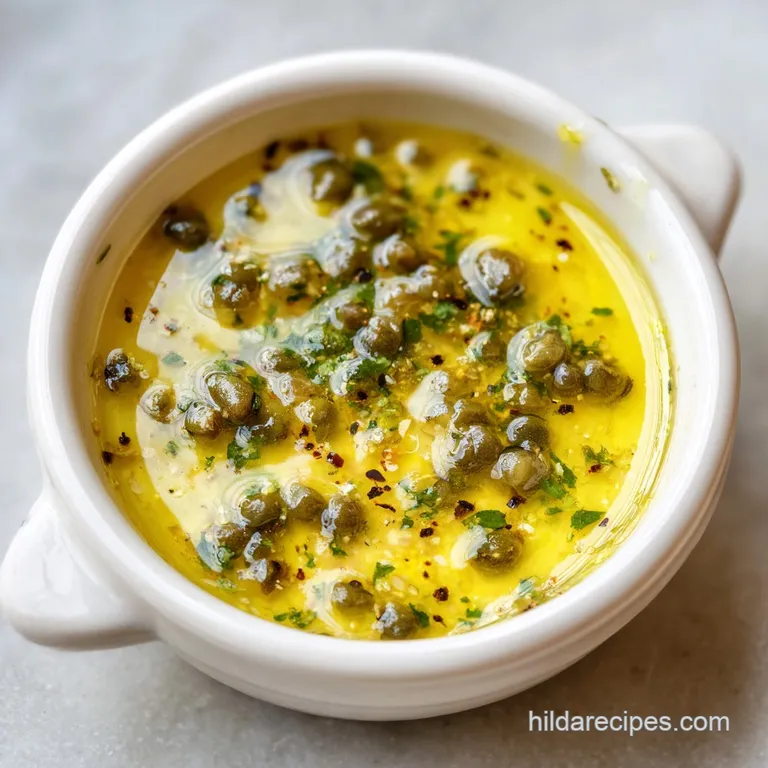
- Time: Active 5 minutes, Passive 5 minutes, Total 10 minutes
- Flavor/Texture Hook: Tangy, briny, and silky
- Perfect for: Quick weeknight seafood or chicken dinners
Perfecting Your Lemon Caper Butter Sauce
The first time I tried to make this at home, I ended up with a greasy puddle and a broken heart. I had watched a chef in a tiny Italian bistro swirl a pan with such grace that a glossy, pale yellow sauce appeared like magic over a piece of pan seared sea bass.
I went home, threw butter into a hot pan with lemon juice, and watched it separate into a yellow oil slick. It tasted fine, but the texture was all wrong. It wasn't the velvety, coat the-back of-a spoon sauce I had dreamed about.
That failure sent me on a quest to learn the "mount" that specific moment when cold fat meets hot liquid to create a beautiful emulsion. I realized that my grandmother’s traditional approach to cooking wasn't just about following steps; it was about the temperature and the timing.
We want that sharp, briny pop of the capers to cut through the richness of the butter, creating a contrast that makes your tongue tingle.
This recipe is the result of years of trial and error in my own kitchen. We are looking for that specific balance where the lemon isn't too sour, the capers aren't too salty, and the butter provides a luxurious finish that feels like a warm hug for your food.
It’s a sauce that brings back memories of family Sunday lunches, where the table was loud and the plates were wiped clean with crusty bread.
Understanding the Flavor Profile
The Secret of the Silk: Cold butter molecules are slowly whisked into a warm reduction, creating an emulsion where fat droplets are suspended in liquid rather than melting into oil. This "mounting" technique ensures the sauce stays thick and creamy without using heavy cream or flour.
Consistency and Pairing Guide
| Protein Type | Optimal Sauce Texture | Internal Temp | Visual Cue |
|---|---|---|---|
| White Fish | Light & Pourable | 145°F | Flakes easily with fork |
| Chicken Breast | Thick & Glossy | 165°F | Juices run clear |
| Pan Seared Salmon | Medium Body | 125°F | Translucent center |
The contrast here is what makes the dish. You have the "pop" of the capers against the smooth butter. It's much like the balance I look for when making my Classic Buttery Shortbread recipe where the salt must perfectly highlight the sweet fat. In this sauce, the shallots provide a soft, savory base that keeps the lemon from being one dimensional.
Component Selection and Quality
Selecting the right ingredients is the difference between a sauce that is "okay" and one that people talk about for weeks. I always tell my friends to treat their ingredients like guests at a party they all need to get along.
| Ingredient | Science Role | Pro Secret |
|---|---|---|
| Cold Butter | Emulsifier | Keep it in the fridge until the very last second to prevent breaking. |
| Capers | Acid/Salt Punch | Crush a few with a fork to release more brine into the sauce body. |
| Shallots | Aromatic Base | Mince them as fine as possible so they dissolve into the texture. |
I've learned that using a low sodium broth is non negotiable here. Between the capers and the salted butter (if you use it), the salt levels can skyrocket quickly. If you find yourself out of broth, you can use the same amount of pasta water for a starchier, thicker result, similar to how we adjust liquids in a Fluffy Buttermilk Pancakes recipe to get that right consistency.
Necessary Kitchen Equipment
You don't need a professional kitchen, but a few specific tools make this 10 minute process much smoother. I prefer a heavy bottomed stainless steel skillet because it reacts quickly to heat changes. Cast iron works, but it holds onto heat so intensely that it can sometimes "break" the butter if you aren't careful.
A small whisk is your best friend here. You need to move the butter around constantly as it melts. If you use a spoon, you might not get that tight emulsion that leads to a silky finish. Also, a microplane for the lemon zest is essential.
You want tiny ribbons of zest that perfume the sauce without adding bitterness from the white pith.
step-by-step Preparation
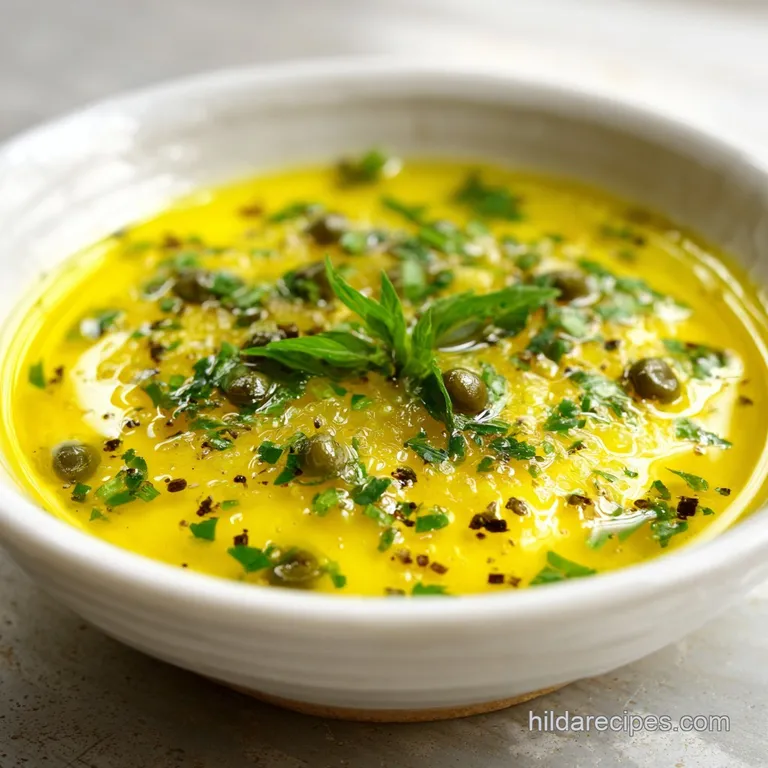
Before you start, make sure all your ingredients are measured. This sauce moves fast once the pan is hot, you won't have time to go hunting for the parsley.
- Heat the oil. Place 1 tbsp extra virgin olive oil in a small skillet over medium heat. Note: We use oil first because it has a higher smoke point than butter, allowing us to soften the aromatics without burning.
- Sauté the aromatics. Add 1 minced large clove garlic and 1 minced small shallot. Cook for 1 to 2 minutes until translucent and fragrant.
- Add the brine. Stir in 2 tbsp non pareil capers (partially crushed). Sizzle them for 30 seconds to wake up their flavor.
- Deglaze the pan. Pour in 3 tbsp freshly squeezed lemon juice and 1/4 cup low sodium chicken or vegetable broth.
- Reduce the liquid. Simmer the mixture for 2 to 3 minutes until reduced by half and slightly thickened.
- Lower the heat. Turn your burner to the lowest setting. This is the most critical step to prevent the sauce from separating.
- Mount with butter. Add 3 tbsp cold, cubed unsalted butter, one cube at a time. Whisk constantly until the butter is fully incorporated and the sauce looks velvety.
- Final seasoning. Remove from heat immediately. Stir in 1/2 tsp lemon zest, 2 tbsp finely chopped fresh Italian parsley, 1/8 tsp cracked black pepper, and a pinch of salt.
- Taste and adjust. Give it a quick taste. If it's too tart, add another tiny cube of butter. If it's too rich, a tiny splash of lemon juice will fix it.
Troubleshooting and Common Fixes
Even experienced cooks have days where the sauce just doesn't behave. I once made this for a dinner party and got distracted by a guest; the sauce boiled, and I ended up with a pan of lemon flavored oil. Don't panic most mistakes are fixable.
Why Your Sauce Separated
If your sauce looks like oil and water, it likely got too hot. The butter melted instead of emulsifying. To fix this, remove the pan from the heat, add a teaspoon of cold broth or water, and whisk vigorously. Usually, the drop in temperature and the extra liquid will pull the emulsion back together.
| Problem | Root Cause | Solution |
|---|---|---|
| Greasy/Broken | Sauce got too hot | Whisk in 1 tsp cold water off the heat |
| Too Salty | Capers or broth | Add a pinch of sugar or more lemon juice |
| Too Thin | Not reduced enough | Simmer longer before adding the butter |
Common Mistakes Checklist
- ✓ Using room temperature butter (it will melt too fast and fail to emulsify).
- ✓ Boiling the sauce after the butter is added (this breaks the delicate bond).
- ✓ Using bottled lemon juice (the flavor is flat and lacks the bright essential oils of fresh zest).
- ✓ Forgetting to crush the capers (crushing releases the "oceanic" flavor into the butter).
Substitutions and Flavor Twists
We don't always have a perfectly stocked pantry. I've had many Tuesday nights where I realized the shallots had gone soft or I was out of chicken broth. The good news is that this Lemon Caper Butter Sauce is quite forgiving if you understand the roles each ingredient plays.
| Original Ingredient | Substitute | Why It Works |
|---|---|---|
| Shallots | Red Onion (finely minced) | Similar sweetness, though slightly more "bite." |
| Chicken Broth | Dry White Wine (Sauvignon Blanc) | Adds a sophisticated acidity. Note: Reduce it well to cook off the alcohol. |
| Capers | Chopped Green Olives | Provides that same salty, briny punch if you are out of capers. |
For a Luxurious Lemon Caper Cream Sauce
If you want something even richer, you can add 2 tablespoons of heavy cream after reducing the broth but before adding the butter. This creates a "stabilized" emulsion that is much harder to break and feels incredibly decadent over pasta.
Storage Guidelines
This sauce is best served immediately. Because it is a physical emulsion of fat and liquid, it will solidify in the fridge and may not return to its original glory when reheated. However, if you have leftovers, don't throw them away!
Store any extra sauce in a small airtight container in the fridge for up to 3 days. To reuse it, do not microwave it on high. Instead, place it in a small pan over very low heat. Add a splash of water and whisk constantly as it warms up. It might not be quite as fluffy as the first time, but it still tastes wonderful.
Zero Waste Tip: If you have leftover sauce that won't quite make a full serving, use it as a "starter" for your next sautéed vegetable dish. Tossing steamed broccoli or asparagus in the cold, solidified lemon caper butter is a game changer for a quick lunch.
Serving and Pairing Ideas
While "Lemon Caper Butter Sauce for Fish" is the classic search, don't limit yourself. This sauce is a workhorse. I love it over pan-fried chicken cutlets (the classic Piccata style), but it's also incredible over roasted cauliflower or even a simple bowl of angel hair pasta.
The trick to a "shatter"-crisp skin on fish or chicken is to keep the sauce separate until the very last second. If you pour the sauce over the meat and let it sit, the steam will ruin that beautiful crust you worked so hard on. I prefer to pool the sauce on the plate and place the protein right on top.
This keeps the top of your chicken or salmon crispy while the bottom soaks up all that lemony, buttery goodness.
Right then, you're ready to go! Trust me on this once you master the "cold butter mount," you'll find yourself reaching for this recipe every time you want to make a simple meal feel like a celebration. Just keep that butter cold and your whisk moving!
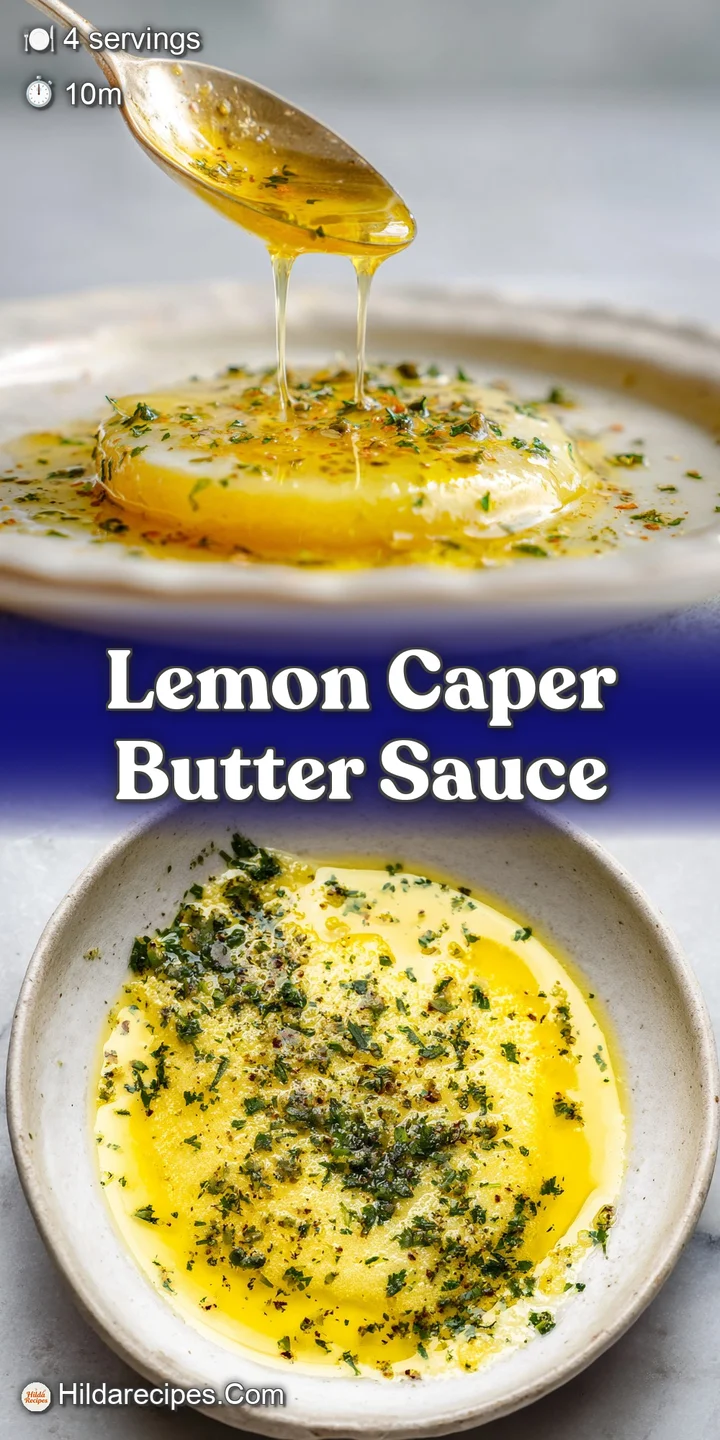
Recipe FAQs
What is lemon caper sauce made of?
Butter, lemon juice, capers, and aromatics. The base relies on melted butter combined with fresh lemon juice, briny capers, and usually sautéed shallots or garlic. This combination creates a rich, tangy emulsion perfect for fish or chicken.
What is lemon butter sauce made of?
Butter, lemon juice, and usually a reduction liquid. A simple lemon butter sauce primarily uses butter melted and then emulsified with lemon juice, often after reducing chicken broth or white wine. If you mastered the sensory doneness cues for mounting the butter here, apply them to our Eggs Benedict with recipe for perfect hollandaise results.
What does caper butter taste like?
Salty, briny, and rich with a bright acidic tang. The flavor is dominated by the salty pop of the capers cutting through the velvety, rich mouthfeel of the emulsified butter. It is savory and intense, requiring mild proteins like white fish or chicken to balance it.
What is in Carrabba's lemon butter sauce?
It is structurally similar, built on butter, lemon, and white wine reduction. While the exact proportions are proprietary, the core flavor profile relies on mounting cold butter into a hot reduction of lemon juice and white wine, similar to a traditional Piccata sauce.
How do I prevent the sauce from breaking or separating?
Mount the cold butter over very low heat, one piece at a time. Rapid heating or boiling breaks the emulsion, turning the sauce into separated oil and water. If you enjoyed controlling cookie spread here, see how the same fat ratio logic applies to our Top Sirloin Steak recipe for perfectly emulsified pan sauces.
Can I use salted butter instead of unsalted butter?
No, it is strongly recommended to use unsalted butter. Salted butter introduces unpredictable salt levels, especially since capers are naturally very salty. Using unsalted allows you complete control over the final seasoning after the sauce is mounted.
How do I thicken lemon caper sauce without adding heavy cream?
Reduce the liquid base until it coats the back of a spoon before adding butter. The key is to reduce the broth or wine significantly until it creates a flavorful concentrate. This concentrate provides enough body for the cold butter to emulsify into a thick, glossy sauce.
Lemon Caper Butter Sauce Recipe
Ingredients:
Instructions:
Nutrition Facts:
| Calories | 120 kcal |
|---|---|
| Protein | 0.7 g |
| Fat | 12.3 g |
| Carbs | 2.5 g |
| Fiber | 0.2 g |
| Sugar | 0.5 g |
| Sodium | 238 mg |
