Traditional Frogmore Stew Recipe
- Time: Active 20 mins, Passive 35 mins, Total 55 mins
- Flavor/Texture Hook: Savory sweet snap
- Perfect for: Backyard gatherings and casual family celebrations
- Finding the Heart of a Traditional Frogmore Stew Recipe
- The Logic of the Layered Boil
- Component Analysis of the Southern Boil
- Selecting the Finest Ingredients for Authentic Low Country Flavor
- Essential Kitchen Tools for a Successful Large Scale Seafood Boil
- Step by Step Guide from the Initial Boil to Plate
- Solving Common Problems for a Flawless Seafood Feast Experience
- Creative Ingredient Swaps and Regional Twists on the Classic
- Proper Storage Methods and Ways to Reheat Your Leftovers
- How to Serve and Garnish for a Traditional Coastal Aesthetic
- Myths About the Boiling Process
- Very High in Sodium
- Recipe FAQs
- 📝 Recipe Card
Finding the Heart of a Traditional Frogmore Stew Recipe
The steam hits you first a spicy, vinegary cloud that smells exactly like a humid afternoon on the Carolina coast. I remember the first time I witnessed a proper low country boil on St. Helena Island.
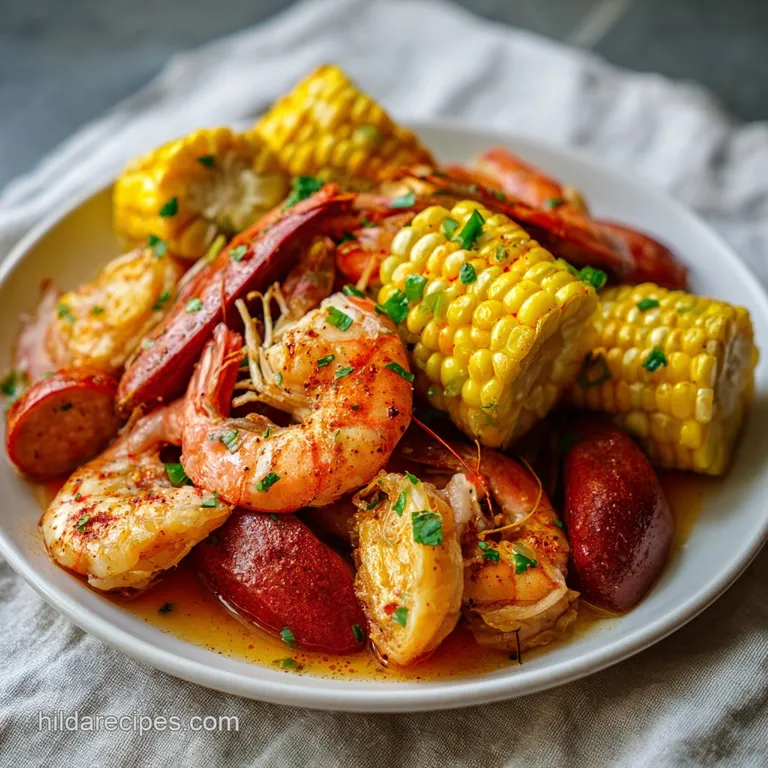
There were no plates, just a massive folding table covered in layers of Sunday newspaper and a crowd of people waiting for the "dump." When that pot finally tilted, a tumbling mountain of steaming red potatoes, charred sausage, and bright pink shrimp spilled out, sending a fragrant mist into the salty air.
We didn't use forks; we used our hands, cracking into shells and grabbing pieces of corn that had soaked up enough spice to make your lips tingle. This wasn't just a meal; it was a rhythmic, communal experience of shells hitting buckets and cold drinks sweating in the heat.
It’s the kind of cooking that feels like a hug from a grandmother who knows exactly how much Old Bay is "enough" (which is usually more than you think).
This frogmore stew recipe isn't really a "stew" in the traditional sense there's no thick gravy or bowl required. It’s a perfected method of staggered boiling where each ingredient enters the pool at the exact right moment to ensure nothing turns to mush.
We are going to build layers of flavor, starting with a punchy, aromatic base and finishing with a dusting of seasoning that makes every bite pop. Trust me, once you master the timing, you’ll never go back to basic boiled shrimp again.
The Logic of the Layered Boil
Osmotic Infusion: The high salt content in the boiling water forces seasoning deep into the dense potatoes and sausage through cellular pressure.
Staggered Thermal Loads: By adding ingredients based on their density, we ensure the potatoes soften while the shrimp only barely opaque.
The Alcohol Catalyst: Using an Amber Ale helps dissolve fat soluble flavor compounds in the spices that water alone cannot reach.
Residual Heat Finish: Resting the drained ingredients allows the steam to finish cooking the shrimp gently, preventing a rubbery texture.
| Total Guests | Potato & Sausage Weight | Corn Quantity | Shrimp Amount |
|---|---|---|---|
| 4 People | 450g each | 3 ears (halved) | 680g |
| 8 People | 900g each | 6 ears (thirds) | 1.36kg |
| 12 People | 1.35kg each | 9 ears (thirds) | 2kg |
| 16 People | 1.8kg each | 12 ears (thirds) | 2.7kg |
When preparing this for a larger crowd, remember that the "boil back" time (the time it takes for the water to return to a bubble after adding cold ingredients) will increase. If you are doubling this recipe, I highly suggest using two separate pots rather than one gargantuan one to keep your timing precise.
Component Analysis of the Southern Boil
| Ingredient | Science Role | Pro Secret |
|---|---|---|
| Amber Ale (355ml) | Flavor Solvent | Adds a malty depth that cuts through the sharp vinegar of the seafood seasoning. |
| Red Bliss Potatoes | Starch Structure | These waxy skins hold their shape perfectly and don't dissolve into the broth during the long boil. |
| Shell on Shrimp | Moisture Barrier | The shells act as a protective jacket, keeping the meat succulent and trapping seasoned juices inside. |
| Smoked Andouille | Fat Distribution | As the sausage boils, it releases smoky fat that lightly coats the corn and potatoes in a savory film. |
This specific combination creates a flavor profile that is both earthy and bright. The potatoes provide the base, the sausage brings the heat and smoke, and the corn offers a sugary crunch that balances the salt.
Selecting the Finest Ingredients for Authentic Low Country Flavor
- 7.6 Liters Water: This is your canvas; use filtered water if your tap has a heavy chlorine scent.
- 355ml Amber Ale or Lager: Avoid overly hoppy IPAs, as boiling them can result in a lingering bitterness.
- 120g Old Bay seafood seasoning: The gold standard. Why this? It contains the specific celery salt and paprika blend essential for regional authenticity.
- 2 tbsp Kosher salt: Essential for drawing flavor into the center of the potatoes.
- 1 large yellow onion: Quartered to release its sweetness into the liquor.
- 1 head garlic: Halved crosswise to expose all the cloves for maximum infusion.
- 2 lemons: Halved and squeezed; the acidity brightens the heavy fats.
- 900g red bliss potatoes: Keep them whole if they are small (about the size of a golf ball) for the best texture.
- 900g smoked Andouille sausage: Cut into 5cm chunks. Why this? The coarse grind of Andouille holds up better to boiling than softer sausages.
- 6 ears corn on-the cob: Shucked and snapped into thirds; the smaller pieces maximize the surface area for seasoning.
- 1.36kg jumbo shrimp (21/25 count): Shell on and deveined is the only way to go here.
- 115g unsalted butter: Melted for the final toss.
- 2 tbsp fresh parsley: Chopped fine for a hit of freshness.
- 1 tbsp extra seafood seasoning: For that final, iconic "dusting" before serving.
| Original Ingredient | Substitute | Why It Works |
|---|---|---|
| Andouille Sausage | Kielbasa | Provides a milder, garlicky flavor. Note: Less spicy than traditional Andouille. |
| Old Bay | Zatarain's Pro Boil | Higher heat profile with more clove and citrus notes. |
| Red Bliss Potatoes | Yukon Gold | Similar waxy texture. Note: Peel may be slightly thinner and more delicate. |
For a slightly different vibe, you might enjoy serving this alongside a hearty side of Instant Pot Pinto recipe, which complements the smokiness of the sausage beautifully.
Essential Kitchen Tools for a Successful Large Scale Seafood Boil
To handle this frogmore stew recipe correctly, you need a pot with enough "headroom." A 12 to 16 liter stockpot is ideal. If you have a pasta insert or a steaming basket, use it it makes the final "dump" much safer and faster.
You will also need a long handled slotted spoon or a "spider" strainer to move the heavy ingredients around without splashing boiling, spicy water on yourself. For serving, forget the fine china. Grab a roll of heavy duty brown butcher paper or several layers of newspaper.
This is a meal meant to be messy, and the paper absorbs the excess moisture while making cleanup a breeze.
Finally,, make sure you have a few small ramekins for the dipping sauce. I usually whip up a quick Lemon Caper Butter recipe to set at intervals along the table. The briny capers against the rich butter are a revelation when paired with the sweet corn and spicy shrimp.
step-by-step Guide from the Initial Boil to Plate
1. Building the Flavor Base
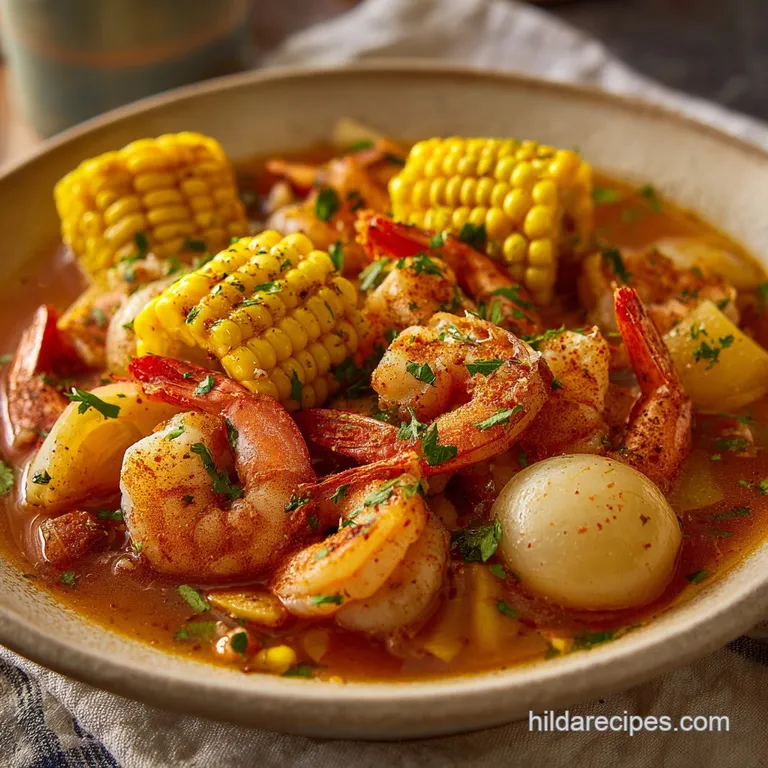
Fill your large stockpot with 7.6 Liters of water and add the 355ml of beer. Squeeze the lemons into the water and drop the halves right in, followed by the onion, garlic, 120g of seafood seasoning, and salt. Bring this to a rolling boil.
Note: Let this base boil for about 10 minutes before adding food to let the aromatics fully marry.
2. The Root Element
Carefully drop the 900g of potatoes into the boiling liquor. Maintain a steady boil for 15 minutes until a knife easily slides into the center of the largest potato.
3. The Savory Infusion
Add the 900g of cut sausage to the pot. Boil for 5 minutes until the sausage chunks look plump and slightly darkened.
4. The Sweet Crunch
Tumble in the corn pieces. Continue boiling for another 5 minutes until the kernels are bright yellow and tender.
5. The Shellfish Snap
Finally, add the 1.36kg of shrimp. Stir them once to ensure they are submerged. Cook for 2 to 3 minutes until the shells turn opaque pink and the meat curls into a 'C' shape.
6. The Drain and Dust
Immediately drain the entire contents of the pot through a colander. Note: Don't let it sit in the water or the shrimp will become rubbery.
7. The Butter Glaze
Transfer everything to a large bowl (or right onto your paper covered table) and drizzle with 115g of melted butter.
8. Final Flourish
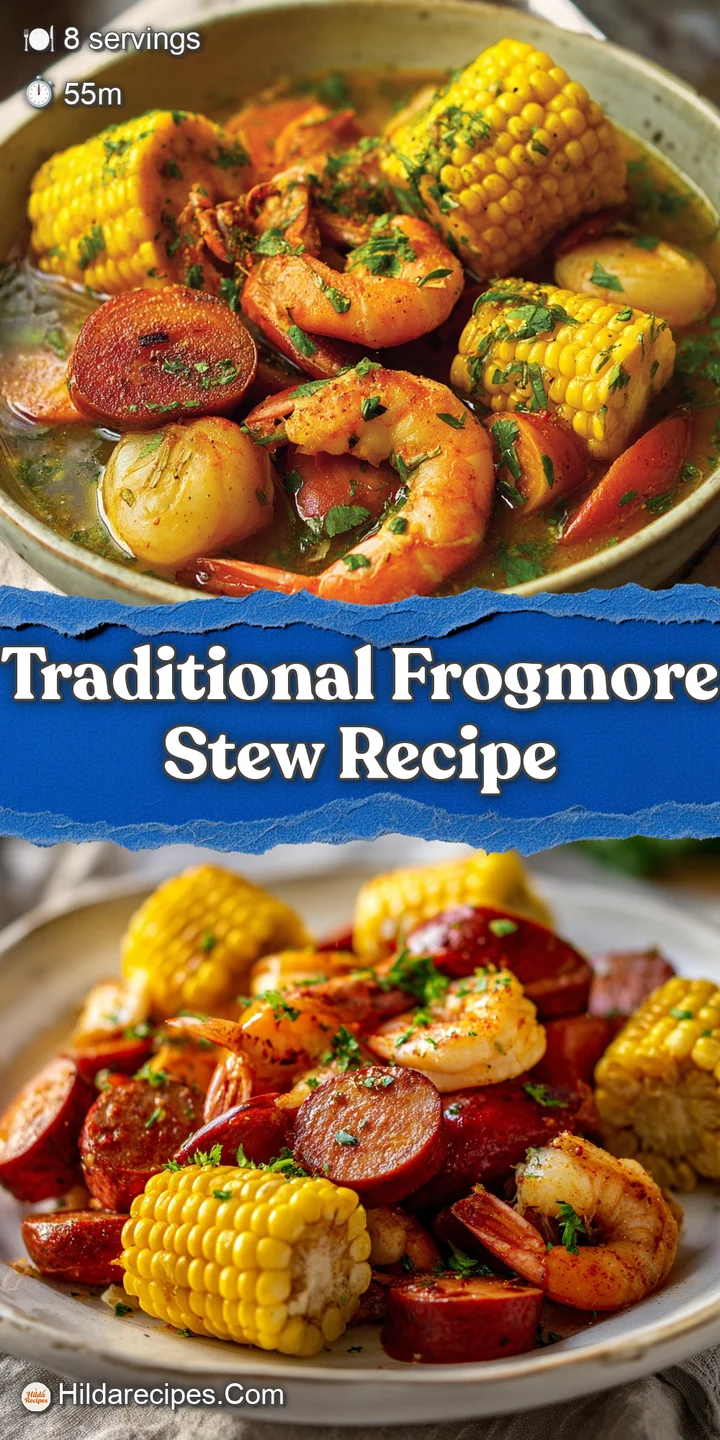
Toss gently to coat, then sprinkle with the remaining seafood seasoning and fresh parsley. Serve while the steam is still rising and the butter is glistening.
Solving Common Problems for a Flawless Seafood Feast Experience
The Texture Challenge
The most frequent mistake in a frogmore stew recipe is mushy potatoes or rubbery shrimp. This usually happens when the "boil back" time isn't accounted for. If your stove takes forever to return to a boil after adding the sausage, you might need to extend the time slightly, but always judge by the visual cues rather than the clock alone.
Balancing the Heat
If your crowd is sensitive to spice, don't reduce the salt, but do cut the seafood seasoning in the water by half. You can always provide extra seasoning on the side for people to sprinkle on their own portions. The salt is non negotiable for the potatoes, though!
| Problem | Root Cause | Solution |
|---|---|---|
| Shrimp are hard to peel | Undercooked or frozen then boiled | Ensure shrimp are fully thawed and cook until the shell pulls slightly away from the meat. |
| Corn is waterlogged | Overboiled or sat in liquid | Add corn last (before shrimp) and drain immediately after the shrimp are done. |
| Bland potatoes | Not enough salt in water | Increase salt to 3 tbsp; the potato skin is thick and needs high salinity to penetrate. |
Common Mistakes Checklist
- ✓ Using pre peeled shrimp (they lose all their juice and flavor in the boil).
- ✓ Forgetting to halved the garlic (the flavor stays trapped inside the skin otherwise).
- ✓ Adding the shrimp too early (3 minutes is the maximum for jumbo sizes).
- ✓ Using "sweet" onions instead of sharp yellow onions (you need the sulfurous bite).
- ✓ Draining poorly (excess water dilutes the butter and seasoning at the end).
Creative Ingredient Swaps and Regional Twists on the Classic
1. The Low Country "Royal" (Crab & Clams)
If you want to turn this into a "best frogmore stew recipe" for a special occasion, add 2 lbs of snow crab legs and a dozen littleneck clams. Add the crab with the sausage and the clams with the corn. The clams are done when they pop open discard any that stay shut.
2. The Spiced Down Version
For those who find Old Bay too heavy on the celery salt, try a "Cajun" variation. Swap the Old Bay for a blend of smoked paprika, cayenne, dried thyme, and onion powder. This shifts the flavor profile toward the Gulf Coast styles found in Louisiana.
3. Beer Free Alternative
If you prefer not to use alcohol, simply replace the beer with an equal amount of chicken stock or additional water with a tablespoon of Worcestershire sauce. The goal is to add a savory, fermented note that mimics the complexity of the ale.
| Method | Cook Time | Texture | Best For |
|---|---|---|---|
| Stovetop Boil | 35 mins | Juicy & Infused | Authentic results and tradition. |
| Sheet Pan Oven | 25 mins | Roasted & Charred | Small batches and easy cleanup. |
| Slow Cooker | 4 hours | Soft & Fall apart | Set it and forget it (shrimp still added last). |
While the stovetop is the gold standard for this frogmore stew recipe, the sheet pan method is surprisingly good for a Tuesday night when you don't want to wash a 12 liter pot. However, you miss out on that deep osmotic infusion that only a rolling boil provides.
Proper Storage Methods and Ways to Reheat Your Leftovers
Storage: Place leftovers in an airtight container within 2 hours of cooking. It will stay fresh in the fridge for up to 2 days. I don't recommend freezing the assembled stew, as the potatoes become mealy and the shrimp lose their snap upon thawing.
Reheating: Avoid the microwave at all costs it will turn your shrimp into erasers. Instead, melt a little butter in a skillet over medium heat. Add the leftovers and a splash of water or stock. Cover and steam for 3 to 4 minutes until just warmed through.
Zero Waste Tip: Don't throw away the shrimp shells or the leftover boiling liquid! Strain the liquid and freeze it in ice cube trays to use as a flavor base for future chowders. The shells can be simmered with a little butter and water to create a quick shrimp stock that is incredible for risotto.
How to Serve and Garnish for a Traditional Coastal Aesthetic
Presentation for a low country seafood boil recipe is all about the "organized mess." If you aren't doing the table dump method, use the largest platter you own ideally a galvanized metal tray or a large wooden board. Pile the potatoes and corn in the center, ringing them with the sausage and shrimp.
Garnish heavily with fresh lemon wedges and extra parsley. The bright yellow and green against the red potatoes and pink shrimp looks stunning. I always put out a few extra bottles of hot sauce (like Crystal or Texas Pete) and a big bowl of "Comeback Sauce" (mayo, ketchup, chili sauce, and spices) for dipping.
Myths About the Boiling Process
Myth 1: "Adding oil to the water keeps the shrimp from sticking." Truth: Oil just floats on top and does nothing for the shrimp. The shell on method already prevents sticking and keeps the meat protected. Save the oil for your salad dressing.
Myth 2: "The shrimp are done when they float." Truth: Floating is a sign of air being trapped, not necessarily doneness. The "C" shape and opacity are much more reliable indicators. If they curl into an "O" shape, they are overcooked!
Myth 3: "You should boil the corn for 20 minutes." Truth: Modern corn is very tender. Boiling it for more than 5 to 7 minutes actually breaks down the sugars and makes the kernels tough and starchy rather than sweet and crisp.
If you’re looking for a dessert to follow this heavy, savory meal, something light like a fruit tart or even a Croissant Breakfast Pie recipe (served as a brunch style dessert) can provide the perfect buttery finish to your day of coastal feasting.
Very High in Sodium
2140 mg mg of sodium per serving (93% % of daily value)
The American Heart Association recommends limiting sodium intake to about 2,300mg per day for overall cardiovascular health.
Tips to Reduce Sodium in Your Seafood Boil
-
Reduce Added Salt-25%
Eliminate the 2 tbsp of Kosher salt completely. The Old Bay seasoning already contains a significant amount of sodium. Taste and adjust after cooking, if needed, using a salt free seasoning blend. This will reduce sodium substantially without sacrificing flavor.
-
Choose Lower Sodium Sausage-20%
Opt for a lower sodium Andouille sausage or consider using smoked chicken or turkey sausage instead. Look for sausages labeled 'low sodium' or 'reduced sodium', aiming for those with less than 400mg of sodium per serving.
-
Limit Seafood Seasoning-15%
Reduce the amount of Old Bay seasoning by half or use a homemade blend with less salt. Many recipes for seafood boil seasoning are available online and allow for greater control over sodium content. Omit the additional tbsp of seafood seasoning entirely.
-
Enhance with Lemon & Herbs-10%
Increase the amount of lemon used and add more fresh herbs like dill, thyme, or oregano to boost flavor without adding sodium. The acidity from the lemon and the aromatics from the herbs will brighten the dish and complement the seafood.
-
Consider Low-Sodium Broth-10%
Substitute the beer with low-sodium chicken or vegetable broth or additional water and adjust the spices accordingly. This will reduce the sodium content while maintaining the desired liquid volume.
-
Don't Salt the Water-5%
Avoid adding any salt to the water when boiling the potatoes or corn. The other ingredients will provide sufficient seasoning, and the vegetables will still cook properly.
-
Spice It Up!
Experiment with salt free spices and herbs to enhance the flavor. Consider using garlic powder, onion powder, smoked paprika, cayenne pepper, or a salt free Cajun seasoning blend.
Recipe FAQs
What is the difference between Frogmore stew and Beaufort stew?
They are essentially the same thing. Frogmore Stew is the original name from St. Helena Island, but many coastal towns adopted it and renamed it "Beaufort Stew" or "Low Country Boil." The preparation method and core ingredients shrimp, sausage, corn, potatoes remain identical across versions.
What makes Frogmore stew unique?
The unique element is the highly seasoned, acidic boiling liquid. Unlike a simple seafood steam, Frogmore relies on a potent broth containing beer, vinegar, and heavy seasoning to osmose flavor deep into the potatoes and sausage simultaneously.
Why do they call it Frogmore stew?
The name comes directly from the location where it was popularized: Frogmore, South Carolina. This area on St. Helena Island is credited with the original communal preparation style that became famous throughout the Lowcountry.
How do I ensure my shrimp don't become rubbery in the boil?
Add the shrimp last and cook for only 2 to 3 minutes max. They are the most delicate ingredient and need the shortest time in the boiling liquid. If you are struggling with temperature precision, focus on learning the visual cues, similar to mastering the protein doneness in a delicate dish like our Eggs Benedict with recipe.
Is it true that I must use Old Bay seasoning for an authentic taste?
No, authenticity can be achieved with blends, but Old Bay is the regional standard. If you prefer a different flavor profile, use a blend heavy in paprika, celery salt, and mustard powder. If you enjoyed the fat-rendering process here, apply that same principle to creating flavor depth in our Tater Tot Casserole recipe for a smoky base.
How do I prepare Frogmore stew if I don't want to use beer in the liquid?
Substitute the beer with chicken stock and add a dash of vinegar or Worcestershire sauce. The goal of the beer is to add a slight fermented complexity and help dissolve fat-soluble spices, which stock and a touch of acid can mimic effectively.
What do I do with leftover Frogmore stew?
Reheat gently in a skillet with a splash of stock or butter, avoiding the microwave. For a completely new meal, remove the shrimp and use the potatoes and sausage in a hash or slice the sausage for use in a gumbo base. You can use the same flavor logic when practicing quick searing techniques for our How to Cook recipe.
Frogmore Stew Recipe
Ingredients:
Instructions:
Nutrition Facts:
| Calories | 786 kcal |
|---|---|
| Protein | 57.4 g |
| Fat | 40.2 g |
| Carbs | 33.8 g |
| Fiber | 4.9 g |
| Sugar | 5.8 g |
| Sodium | 2140 mg |
