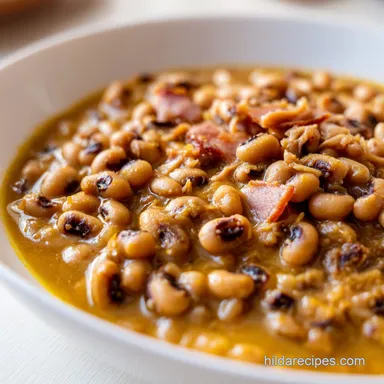
Southern Black Eyed Peas: Velvety and Hearty
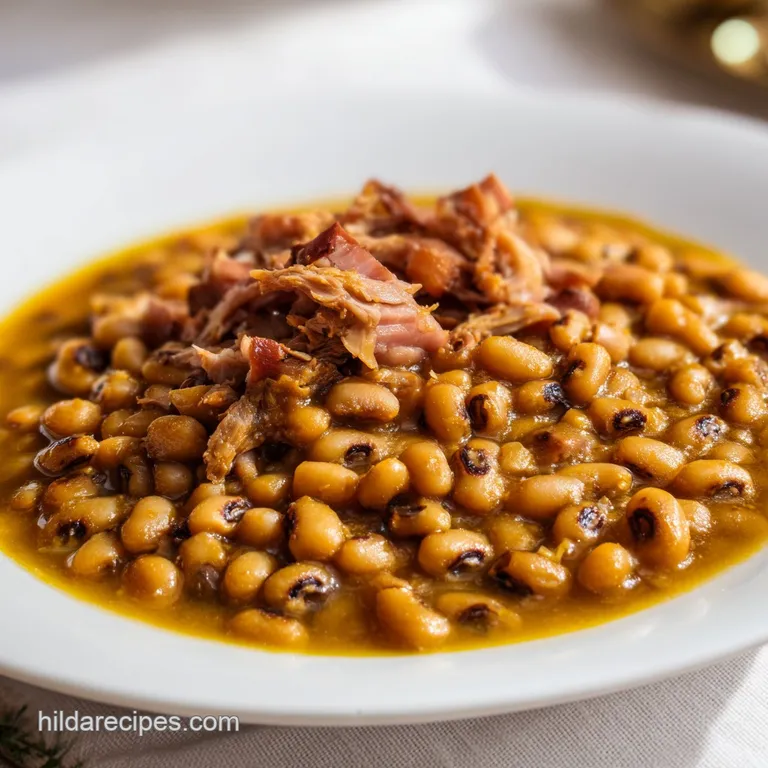
- Time: 10 min active + 150 min simmer = 160 min total
- Flavor/Texture Hook: Velvety broth with tender, intact peas
- Perfect for: Comforting family dinners or New Year's luck
- A Traditional Black Eyed Peas Recipe
- Secrets for Success
- The Core Details
- Essential Ingredients
- The Kitchen Tools
- The Cooking Process
- Troubleshooting Common Issues
- Customizing the Dish
- Adjusting the Batch Size
- Common Legume Misconceptions
- Storage and Freezing
- Best Ways to Serve
- High in Sodium
- Recipe FAQs
- 📝 Recipe Card
A Traditional Black Eyed Peas Recipe
That first hit of aroma when the smoked ham hock hits the simmering water is everything. It's a salty, woody scent that fills the whole kitchen, promising something hearty and comforting. I remember the first time I tried to make these for a family gathering, and I rushed the process.
I turned the heat up too high, thinking I could cheat the clock, and I ended up with a pot of "pea soup" where every single bean had burst. It was a disaster.
The trick I learned from my grandmother is that patience is an ingredient. You can't rush a legume. This black eyed peas recipe is my perfected version of that lesson. We're aiming for a specific contrast: a broth that feels rich and silky, but peas that still have a slight "pop" when you bite into them.
It's that balance of a hearty stew and a refined side dish that makes this a staple in our house.
You can expect a dish that's deeply savory with a hint of warmth from the smoked paprika. It's not just about the beans, it's about the liquid they live in. By the time the timer goes off, the broth should be shimmering and thick enough to coat the back of a spoon.
Trust me on the low heat, it's the only way to ensure you don't end up with a pot of mush.
Secrets for Success
- Slow Simmer: Keeping the heat low prevents the peas from boiling over and bursting, which keeps the textures distinct.
- Seasoning Order: Adding salt at the end prevents the skins from toughening, ensuring a velvety bite.
- The Mash Technique: Smashing a few peas against the pot wall releases natural starches to thicken the sauce.
- Aromatic Base: Sautéing the onions and garlic first creates a depth of flavor that raw simmering can't match.
| Method | Time | Texture | Best For |
|---|---|---|---|
| Canned | 15 mins | Softer | Quick weeknight meal |
| Dried (Slow) | 160 mins | Intact/Tender | Traditional flavor |
| Pressure Cooker | 45 mins | Consistent | Time saving |
The Core Details
The magic here is in how the components interact. We aren't just boiling beans; we're building a savory base.
| Ingredient | Science Role | Pro Secret |
|---|---|---|
| Black Eyed Peas | Starch Base | Rinse well to remove dust and debris |
| Smoked Ham Hock | Fat & Smoke | Use a bone in hock for deeper collagen |
| Smoked Paprika | Color & Depth | Use a Spanish pimentón for better aroma |
| Bay Leaf | Floral Balance | Remove before serving to avoid bitterness |
Essential Ingredients
Here is everything you'll need. I've focused on a traditional profile that emphasizes that smoky, Southern feel.
- 1 lb dried black eyed peas, sorted and rinsed Why this? Dried peas hold texture better than canned
- 8 cups water
- 1 smoked ham hock (approx. 8 oz) Why this? Provides the essential salty, smoky backbone
- 1 medium yellow onion, finely diced
- 3 cloves garlic, minced
- 1 tbsp vegetable oil
- 1 tsp kosher salt
- 1/2 tsp black pepper
- 1 bay leaf
- 1/2 tsp smoked paprika
- 1/4 tsp crushed red pepper flakes
| Original Ingredient | Substitute | Why It Works |
|---|---|---|
| Smoked Ham Hock | Smoked Turkey Wing | Similar smoke profile. Note: Slightly leaner than pork |
| Vegetable Oil | Butter | Adds richness. Note: Burn more easily, use lower heat |
| Kosher Salt | Sea Salt | Similar salinity. Note: Adjust amount based on grain size |
| Smoked Paprika | Chili Powder | Adds warmth. Note: Changes the flavor to be more "tex mex" |
For those looking for a nutrient boost, according to USDA FoodData, black eyed peas are an excellent source of plant based protein and fiber, which makes this recipe filling without feeling heavy.
The Kitchen Tools
You don't need a fancy setup, but a few specific tools make the process smoother. A heavy bottomed pot, like a Dutch oven, is non negotiable. Thin pots create hot spots that will scorch your peas and leave a burnt taste in the broth.
I also recommend a fine mesh colander for rinsing. You'd be surprised how many small pebbles or shriveled peas hide in a bag of dried legumes. A sturdy wooden spoon is best for the "mash technique" later on, as it won't scratch your enamel pot.
The Cooking Process
Right then, let's get into the actual work. Follow these steps closely to get that velvety consistency.
- Rinse the dried black eyed peas in a colander under cold water to remove any debris.
- Heat the vegetable oil in a large heavy bottomed pot or Dutch oven over medium heat. Sauté the diced onion until translucent, then add the minced garlic and cook for 60 seconds until fragrant.
- Stir in the rinsed peas, smoked ham hock, bay leaf, and smoked paprika.
- Pour in the 8 cups of water.
- Bring the mixture to a boil, then immediately reduce heat to low.
- Cover partially and simmer for 150 minutes until the liquid has reduced by one third and the peas are tender when pressed against the side of the pot.
- Remove the bay leaf.
- Taste the broth and stir in the kosher salt, black pepper, and crushed red pepper flakes. Note: Always taste first, as the ham hock adds its own salt.
- For a thicker consistency, mash a small handful of peas against the side of the pot with a spoon and stir them back into the broth.
Troubleshooting Common Issues
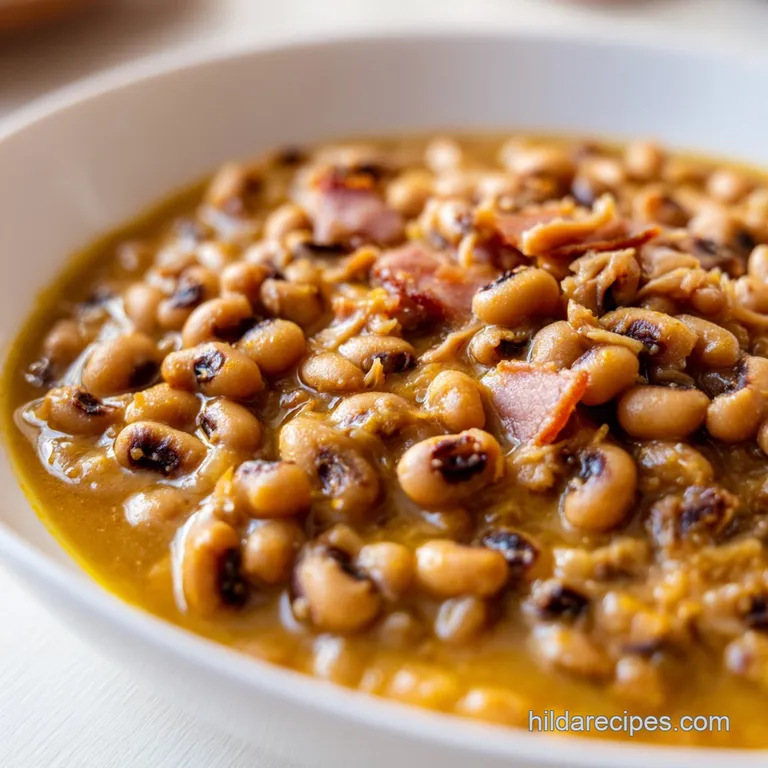
Even with a solid black eyed peas recipe, things can go sideways. Usually, it comes down to heat management or the age of the peas.
Hard Peas After Cooking
If your peas are still gritty after the cook time, they might be old. Older dried beans take significantly longer to hydrate. You can add a pinch of baking soda to the water next time to help break down the pectin in the skins.
Broth Too Thin
A watery broth feels like a missed opportunity. If you've simmered them for the full time and it's still too thin, don't just keep boiling it, or you'll overcook the peas. Use the mash technique more aggressively or simmer uncovered for the last 20 minutes.
Overly Salty Liquid
Ham hocks vary wildly in salt content. If you've seasoned the pot and it tastes like sea water, add a peeled, halved potato to the pot for the last 30 minutes. The potato absorbs some of the excess salt.
| Problem | Root Cause | Solution |
|---|---|---|
| Burst Skins | Heat too high | Lower the flame to a bare simmer |
| Bitter Taste | Bay leaf left in | Remove bay leaf immediately after cooking |
| Bland Flavor | Lack of aromatics | Add a splash of apple cider vinegar at the end |
Common Mistakes Checklist
- ✓ Sautéing onions before adding water
- ✓ Waiting until the end to add salt
- ✓ Keeping the lid partially open to allow reduction
- ✓ Rinsing the peas to remove debris
- ✓ Using a heavy bottomed pot to avoid scorching
Customizing the Dish
If you're looking for a vegetarian black eyed peas recipe, simply swap the ham hock for a tablespoon of liquid smoke and a teaspoon of smoked paprika. To get that "meaty" depth without the pork, I recommend adding a diced carrot and a celery stalk to the initial sauté.
For those who prefer different equipment, an instant pot black eyed peas recipe is a great shortcut. Use the "Pressure Cook" setting for 45-50 minutes with a natural release. However, you'll lose some of that slow reduced richness.
If you're using a slow cooker black eyed peas recipe or a crock pot black eyed peas recipe, set it to low for 7-8 hours.
If you're planning a bigger meal, this pairs beautifully with a Crockpot Baked Beans recipe for a full on Southern spread. It's all about that smoky, savory theme.
Adjusting the Batch Size
When you're cooking for a crowd or just yourself, you can't always just multiply everything.
Scaling Down (Half Batch) Use a smaller pot to ensure the liquid doesn't evaporate too quickly. Reduce the simmer time by about 20%, but still test for tenderness. If you're using a smaller ham hock, keep an eye on the salt levels.
Scaling Up (Double Batch) Don't double the salt and red pepper flakes immediately. Start with 1.5x the spices and adjust at the end. You'll also need to reduce the overall liquid by about 10% because a larger pot often retains more moisture through steam.
| If you want... | Do this... |
|---|---|
| Thicker Stew | Mash 1/2 cup of peas |
| Brighter Flavor | Add 1 tsp lemon juice |
| More Heat | Increase red pepper to 1/2 tsp |
Common Legume Misconceptions
There's a lot of noise about how to handle dried beans. Let's clear a few things up.
First, the idea that you must soak black eyed peas overnight is a myth. Unlike kidney beans or chickpeas, black eyed peas are relatively small and soften quickly. A good rinse and a slow simmer are plenty.
Second, some people think adding salt at the start helps the flavor penetrate. In reality, salt can actually toughen the skins of some legumes if added too early, leading to that "hard center" problem. Always season at the end.
Storage and Freezing
These actually taste better the next day once the flavors have had time to meld. Store them in an airtight container in the fridge for up to 5 days. The broth may thicken further in the cold, so add a splash of water when reheating.
For long term storage, you can freeze this black eyed peas recipe for up to 3 months. I recommend freezing them in individual portions. When you're ready to eat, thaw them in the fridge overnight and reheat on the stove over medium low heat.
As for zero waste, don't throw away the ham hock if there's still meat on the bone. Shred the remaining pork and stir it back into the pot, or use the bone to start a small batch of vegetable stock for another meal.
Best Ways to Serve
To make this a complete meal, I always serve these over a bed of fluffy white rice. The rice absorbs the velvety broth, making every bite rich. A side of buttery cornbread is the classic choice, perfect for scooping up the last bits of liquid.
If you're looking for something fresh to cut through the richness, a classic macaroni salad provides a creamy, tangy contrast that balances the smokiness of the peas.
For a final touch, garnish with a sprinkle of fresh parsley or sliced green onions. The brightness of the greens makes the deep brown of the peas pop and adds a crisp, fresh layer to the dish. Trust me, the garnish isn't just for looks, it really wakes up the flavor.
High in Sodium
840 mg 840 mg of sodium per serving (37% 37% of daily value)
The American Heart Association recommends that most adults limit their sodium intake to 2,300 mg per day to lower the risk of high blood pressure.
Tips to Reduce Sodium
-
Substitute the Ham Hock-25%
Replace the smoked ham hock with a combination of smoked paprika and a drop of liquid smoke to keep the smoky flavor without the processed meat sodium.
-
Omit Added Salt-25%
Eliminate the 1 tsp of kosher salt entirely; the smoked elements and aromatics provide enough depth to carry the dish.
-
Use Low-Sodium Turkey-20%
Swap the ham hock for a low-sodium smoked turkey wing or a small amount of uncured smoked turkey for a leaner, lower sodium alternative.
-
Enhance Aromatics
Increase the amount of minced garlic and diced onion to create a more robust flavor profile that reduces the need for salt.
-
Boost Spices
Add extra black pepper and crushed red pepper flakes to provide a spicy kick that distracts the palate from the reduced salt levels.
Recipe FAQs
What's the best way to cook your black eyed peas?
Sauté onion and garlic, then simmer peas with a ham hock and smoked paprika. Bring the pot to a boil before reducing heat to low until the liquid reduces by one-third and the peas are tender.
What seasonings are good on black eyed peas?
Smoked paprika, bay leaf, and crushed red pepper flakes. These provide a smoky heat that complements the salt and black pepper used to finish the dish.
Is it true that black eyed peas must be soaked before cooking?
No, this is a common misconception. These peas cook perfectly without soaking; simply rinse them in a colander under cold water to remove debris before starting.
Are black eyed beans good for diabetics?
Yes, they are generally a healthy choice. Their high fiber and protein content help stabilize blood sugar levels.
How to make the broth thicker?
Mash a small handful of peas against the side of the pot with a spoon. Stir the mashed peas back into the broth to create a creamier consistency.
How long can I store these peas in the fridge?
Store them in an airtight container for up to 5 days. The flavors often meld and improve overnight, though you may need a splash of water when reheating.
What should I serve with black eyed peas?
Pair them with a savory, protein rich main. If you enjoy the bold, smoky flavors in this recipe, try pairing them with our savory beef bowl.
Southern Black Eyed Peas