Crispy Oven Potato Fries: the Perfect Crunch
- Time: Active 10 minutes, Passive 30 minutes, Total 40 minutes
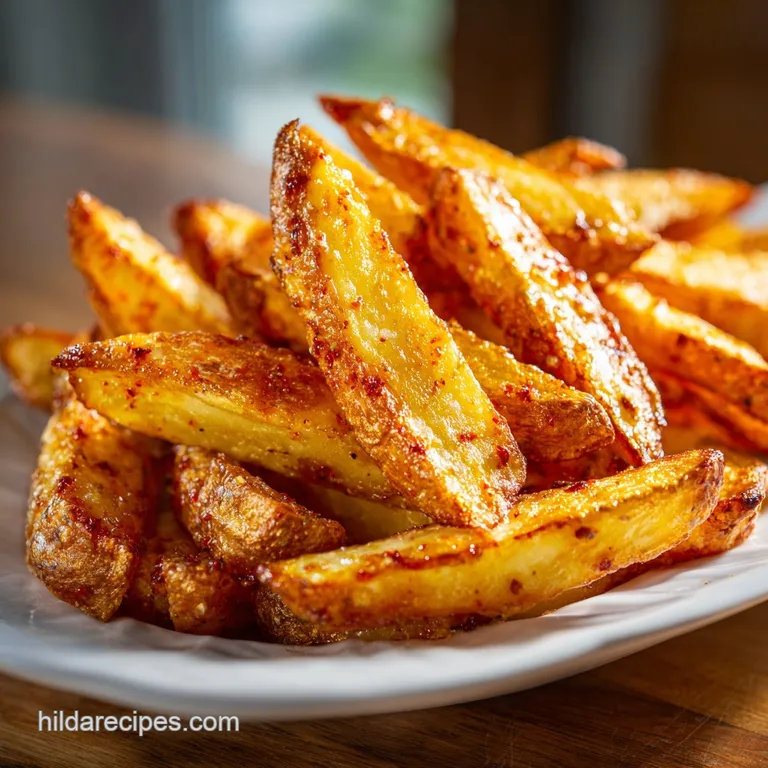
- Flavor/Texture Hook: Shatter crisp exterior with a velvety, cloud like center
- Perfect for: Stress free weeknight dinners or lazy Sunday brunches
- The Logic Behind the Crunch
- Essential Statistics for This Dish
- Choosing Your Best Spuds
- Necessary Gear for Crisp Results
- The Path to Crispy Perfection
- Preventing Any Soggy Spud Issues
- Simple Tweaks for Every Diet
- Keeping Leftovers Crisp and Fresh
- Perfect Pairings and Dipping Ideas
- Recipe FAQs
- 📝 Recipe Card
I can still hear the rhythmic thud thud thud of my mother's heavy wooden cutting board every Friday night. She had this incredible ability to slice a potato into perfect sticks while barely looking at her hands, all while the oven hummed in the background.
Back then, we didn't have fancy gadgets; we just had a hot tray and a splash of oil. The aroma of roasting potatoes and a hint of garlic powder always meant that the week was over and the comfort of the weekend had finally arrived.
But honestly, my early attempts as a home cook were a bit of a disaster. I’d pull the tray out only to find a pile of limp, graying potato sticks that were more sad than savory.
I realized that the "perfected" recipe isn't about luck; it's about a few tiny tricks that generations of cooks have whispered to each other. We're talking about that specific sizzle when the potato hits the hot oil and that beautiful contrast between the salty, spiced skin and the fluffy heart of the fry.
We’ve all been there staring at a tray of soggy fries wondering where it all went wrong. I spent years testing temperatures and types of fat to find what actually works in a standard home kitchen.
This Oven Potato Fries recipe isn't just a side dish; it’s a memory of my childhood kitchen brought into the modern day with a few smart tweaks to ensure they never turn out soggy again. Trust me on this, once you hear that first bite shatter, you’ll never go back to the frozen bags.
The Logic Behind the Crunch
The Starch Barrier: Cornstarch creates a thin, dehydrated film on the potato surface that browns and crisps before the interior can overcook. This ensures the outside stays rigid while the inside remains moist and tender through steam trapping.
| Method | Time | Texture | Best For |
|---|---|---|---|
| High Heat Roast | 30 minutes | Shatter crisp edges | Quick weeknight dinner |
| Double Bake | 55 minutes | Ultra thick crust | Special weekend treats |
| Low Temp Bake | 50 minutes | Soft and pale | Avoiding any browning |
Many people assume that more oil equals more crunch, but that's a mistake I once made. Too much oil actually leads to a greasy, heavy fry that loses its structural integrity. By using just 3 tbsp (45ml) of Avocado or Grapeseed oil, we allow the heat to circulate around each piece, creating a localized frying effect on the surface rather than a shallow bath of fat.
This is especially useful if you’re looking for an easy oven potato fries method that doesn't leave your kitchen smelling like a fast food joint for three days.
If you’re doing a big weekend brunch, these fries are a great alternative to my Crispy Hash Browns recipe. While hash browns are all about that shredded surface area, these fries offer a more substantial bite. The key is in the potato's internal temperature; we want to reach about 210°F (99°C) inside so the starches fully gelatinize into that velvety mash we all love.
Essential Statistics for This Dish
| Component | Science Role | Pro Secret |
|---|---|---|
| Russet Potato | High starch content | Keeps center fluffy, not waxy |
| Cornstarch | Moisture absorber | Creates the "shatter" crust |
| Fine Sea Salt | Flavor & dehydration | Draws out surface moisture |
| Smoked Paprika | Color & depth | Provides "charred" look without burning |
For the best results, you really want to stick with Russet potatoes. I’ve tried using Yukon Golds, and while they taste buttery, they simply don't have the starch density to get that classic oven potato fries recipe crunch.
Russets have a lower moisture content, which means less steam is fighting to escape through the crust while they bake.
| Servings | Potato Weight | Pan Size | Cook Time |
|---|---|---|---|
| 2 People | 1.1 lbs | 1/2 Sheet Pan | 25 minutes |
| 4 People | 2.2 lbs | Full Sheet Pan | 30 minutes |
| 8 People | 4.4 lbs | Two Pans (Swap Racks) | 40 minutes |
When you’re scaling this up for a crowd, don't just pile them on. Crowding is the absolute enemy of the crisp. If the potatoes are touching, they steam each other, and you'll end up with a tray of mush. Always ensure there is at least a half inch of "breathing room" between every single fry.
It’s a bit tedious to lay them out one-by-one, but your patience will be rewarded with a texture that rivals any deep fried version.
Choosing Your Best Spuds
- 2.2 lbs (1 kg) Russet Potatoes: Scrubbed and unpeeled. Why this? Higher starch to water ratio ensures a fluffy, non waxy interior.
- Substitute: Yukon Gold (Will be creamier but less crispy).
- 1 tbsp (8g) Cornstarch: This is the secret weapon. Why this? It builds an extra crunchy layer that mimics a deep fry batter.
- Substitute: Potato starch or Arrowroot powder.
- 3 tbsp (45ml) Avocado or Grapeseed Oil: High smoke point is essential. Why this? Prevents the oil from breaking down and tasting bitter at 400°F.
- Substitute: Melted beef tallow for a traditional, rich flavor profile.
- 1 tsp (6g) Fine Sea Salt: Even distribution is key here. Why this? Fine grains stick better to the oil coated surfaces than coarse flakes.
- Substitute: Kosher salt (use 1.5 tsp).
- 1/2 tsp (1g) Smoked Paprika: For that beautiful amber hue. Why this? Adds a subtle wood fired flavor without using a grill.
- Substitute: Regular paprika or a pinch of cayenne for heat.
- 1/4 tsp (0.5g) Garlic Powder: Adds a savory "umami" backbone. Why this? Fresh garlic burns too quickly in a hot oven.
- Substitute: Onion powder.
Necessary Gear for Crisp Results
You don't need a lot of high tech equipment, but a heavy duty rimmed baking sheet (like a Nordic Ware) is a total game changer. Thin pans tend to warp under high heat, which causes the oil to pool in the corners, leaving some fries dry and others greasy.
A good pan distributes heat evenly across the bottom, which is crucial for achieving that consistent crispy oven potato fries finish we’re after.
I also highly recommend using a large mixing bowl rather than trying to season the potatoes directly on the pan. You need space to "rough up" the potatoes. When you toss them vigorously with the cornstarch and oil, you create a tiny bit of potato "fuzz" on the edges.
This starch slurry is what eventually hardens into those little crispy bits that are the best part of the fry. Honestly, don't even bother with parchment paper if you want the absolute best browning the direct contact with the metal creates a better sear, though cleanup is a bit tougher.
The Path to Crispy Perfection
- Preheat oven to 400°F (200°C). Note: A hot oven is non negotiable for immediate steam release.
- Slice potatoes into 1/2 inch sticks.Note: Keep them uniform so they finish cooking at the same time.
- Pat the potato sticks completely dry.Do this until the paper towel comes away bone dry.
- Toss potatoes in a bowl with cornstarch.Shake until every surface is matte and dusty.
- Drizzle with avocado oil and spices.Note: The oil should "lock in" the starch layer.
- Arrange in a single layer on the pan.Leave space between each fry to prevent steaming.
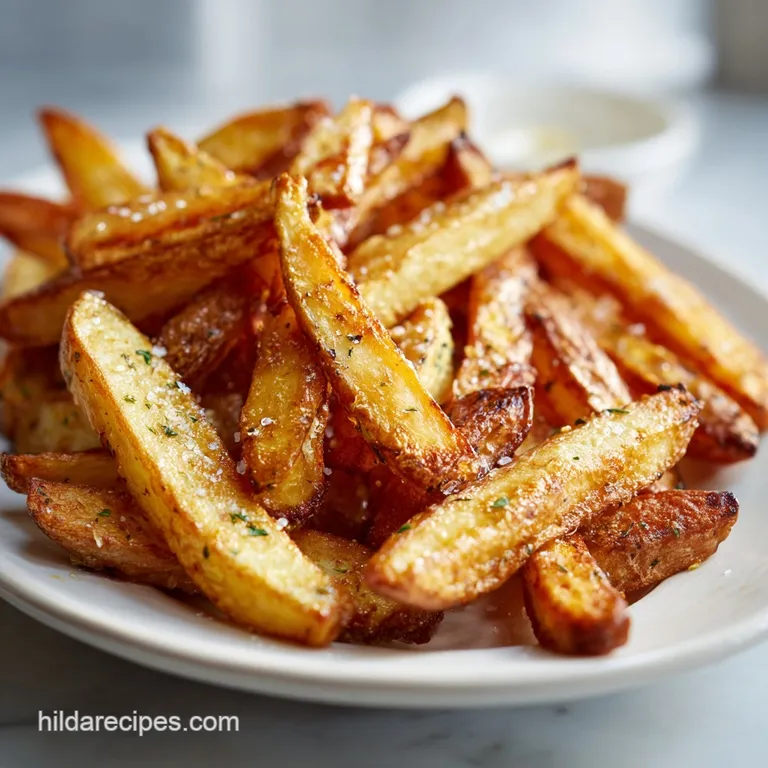
- Roast for 15 minutes without touching. Note: This allows the bottom crust to set firmly.
- Flip each fry carefully with a spatula.Look for a pale golden color on the bottom.
- Roast for another 15 minutes. Watch for the edges to turn deep amber and sizzle.
- Rest for 2 minutes on the hot pan. Note: This helps the crust firm up even more before serving.
Chef's Tip: Freeze your potato sticks for just 10 minutes after tossing them in the cornstarch and oil, but before they go into the oven. This "cold shock" helps the starch hydrate more effectively, resulting in a significantly louder crunch when they finally hit the high heat of the oven.
The transition from "cooked" to "perfect" happens fast. You’ll know they are ready when the oil stops bubbles aggressively and the sound changes from a wet sizzle to a dry, crackling hiss. This is the hallmark of a baked potato fries recipe done right. They actually go quite well alongside something savory like a Croissant Breakfast Pie recipe if you're looking for a hearty morning meal.
Preventing Any Soggy Spud Issues
Why Your Fries Turn Limp
The most common reason for a soggy result is moisture. If the potatoes aren't dried properly after washing, that surface water turns to steam. Instead of the oil frying the skin, the steam boils the potato from the outside in.
This results in a soft, pale texture that never crisps up, no matter how long you leave it in.
The Problem with Crowding
If you try to fit 2.2 lbs of potatoes onto a small tray, you’re essentially creating a potato sauna. As the moisture leaves the potatoes, it needs somewhere to go. If there's no space for that steam to evaporate, it just sits around the potatoes, softening the crust you worked so hard to build.
| Problem | Root Cause | Solution |
|---|---|---|
| Soggy Fries | Excess surface moisture | Pat dry with a towel AND use cornstarch |
| Burnt Edges | Uneven slicing | Cut into uniform 1/2 inch batons |
| Sticking to Pan | Flipped too early | Wait 15 mins for the crust to "release" |
Common Mistakes Checklist
- ✓ Never soak the potatoes without drying them thoroughly afterward.
- ✓ Don't skip the cornstarch; it provides the structural "skeleton" for the crunch.
- ✓ Avoid using extra virgin olive oil; its smoke point is too low for this heat.
- ✓ Resist the urge to flip them every 5 minutes; they need "still time" to sear.
- ✓ Ensure the oven is fully preheated; starting in a cold oven results in oily fries.
Simple Tweaks for Every Diet
| Premium | Budget | Flavor Impact | Savings |
|---|---|---|---|
| Avocado Oil | Vegetable Oil | Very minimal; slightly less nutty | $0.50 per batch |
| Sea Salt | Table Salt | Saltier bite; use 25% less | $0.10 per batch |
| Smoked Paprika | Chili Powder | More earthy, less smoky | $0.20 per batch |
If you are looking for a sweet potato fries oven recipe variation, keep in mind that sweet potatoes have more sugar and less starch. To adapt this, you’ll want to increase the cornstarch to 1.5 tbsp and lower the oven temperature to 375°F (190°C) to prevent the sugars from burning before the inside is soft.
It’s a delicate balance of sweet and savory that works beautifully with the same smoked paprika seasoning.
For a low carb alternative, you can actually use the same spice blend on daikon radish or rutabaga. While the "shatter" won't be as pronounced as the homemade oven potato fries, the cornstarch trick still helps provide a much needed texture to these high moisture vegetables.
Just remember to slice them a bit thinner, as they don't have the same internal structural integrity as a Russet.
Keeping Leftovers Crisp and Fresh
Storage Guidelines You can keep these in the fridge for up to 4 days in an airtight container. However, be warned: they will lose their crunch as they sit. To freeze them, spread the cooked and cooled fries on a baking sheet for an hour until solid, then transfer to a freezer bag for up to 3 months.
This prevents them from clumping together into one giant potato mass.
Zero Waste Tips Never throw away those little broken bits at the bottom of the pan! They are flavor bombs. I like to save the crispy "scraps" and use them as a topping for salads or mixed into a morning omelet.
If you have leftover fries that have gone soft, chop them up and fry them in a pan with some onions for a quick "recycled" hash.
Reheating for Success Never, ever use the microwave. It’s the fastest way to turn your roasted potato fries recipe into a rubbery mess. Instead, toss them back onto a baking sheet in a 400°F (200°C) oven for about 5 to 7 minutes.
The residual oil will "re fry" the edges, bringing back about 80% of that original crunch.
Perfect Pairings and Dipping Ideas
Classic Comfort Pairings
These fries are the ultimate partner for a juicy burger or a piece of flaky battered fish. Because they have that deep, earthy Russet flavor, they can stand up to heavy sauces. But don't overlook them as a breakfast side!
They are much more satisfying than standard home fries when served next to over easy eggs, where the yolk can act as a natural dipping sauce.
The Flavor Map
- Sweet: The natural sugars in the Russet caramelize at high heat.
- Savory: Garlic powder and sea salt provide the essential "junk food" hit.
- Tangy: Pair them with a lemon herb aioli to cut through the richness of the oil.
- Spicy: A side of sriracha mayo complements the smoked paprika perfectly.
Debunking The Boiling Myth
A lot of people think you must parboil potatoes before roasting to get them soft. The truth is, if you cut them to 1/2 inch thickness and roast at 400°F, the interior cooks perfectly in the time it takes the outside to crisp.
Skipping the boil saves you 20 minutes and a whole pot to wash. The "softness" comes from the steam trapped by the cornstarch barrier, not from pre boiling.
Another common misconception is that you need to peel them for the best oven french fries recipe. I actually find that leaving the skins on adds a rustic texture and more "potato" flavor, plus it helps the fries hold their shape so they don't snap when you flip them.
It's a win win for flavor and nutrition!
Right then, you're all set. Grab those Russets, don't skimp on the drying process, and listen for that sizzle. You're about to make the best fries that have ever come out of your oven. Enjoy the crunch!

Recipe FAQs
What's the secret to good oven fries?
Toss them thoroughly in cornstarch before oiling. The cornstarch creates a thin, dry film on the potato surface that browns quickly in the hot oven, forming a barrier that prevents sogginess and locks in the fluffy interior.
How long do potato fries take to cook in the oven?
Total cook time is typically 30 to 40 minutes. Roast at 400°F (200°C), flipping halfway through; the exact time depends on the thickness of your potato sticks and how closely they are packed on the pan.
How to get crispy potato fries in the oven?
Cut potatoes uniformly, pat them completely dry, and never crowd the baking sheet. Uniformity ensures even cooking, while dryness prevents steaming; the space allows hot air to circulate and crisp the surface, a principle also vital for achieving perfect browning in recipes like our Top Sirloin Steak recipe.
What is the best temperature to make fries in the oven?
Use a high heat of 400°F (200°C). This intense heat immediately begins driving off surface moisture, which is essential for creating that initial crust before the interior cooks through.
Is it true that I should boil or soak the potatoes first for crispness?
No, this is a common misconception. Soaking adds unnecessary moisture back into the potato; patting them dry and using cornstarch allows the high oven heat to handle the crisping process faster and more effectively.
Which type of potato yields the crispiest oven fry?
Stick to Russet potatoes almost exclusively. Russets have the highest starch content and lowest moisture, making them structurally perfect for holding a crisp shell while maintaining a fluffy interior, unlike waxy varieties.
Can I prepare the seasoned fries ahead of time for faster cooking later?
Yes, chilling them briefly after tossing is beneficial. After coating the fries with oil and seasoning, place the tray in the freezer for 10 minutes before baking; this "cold shock" slightly firms the starch coating, leading to a louder shatter upon baking, similar to how chilling dough improves texture for our Crispy Chicken Parmesan recipe.
Crispy Oven Potato Fries
Ingredients:
Instructions:
Nutrition Facts:
| Calories | 299 kcal |
|---|---|
| Protein | 5.4 g |
| Fat | 10.6 g |
| Carbs | 47.1 g |
| Fiber | 3.3 g |
| Sugar | 1.5 g |
| Sodium | 585 mg |
