Classic Buttery Shortbread Cookies
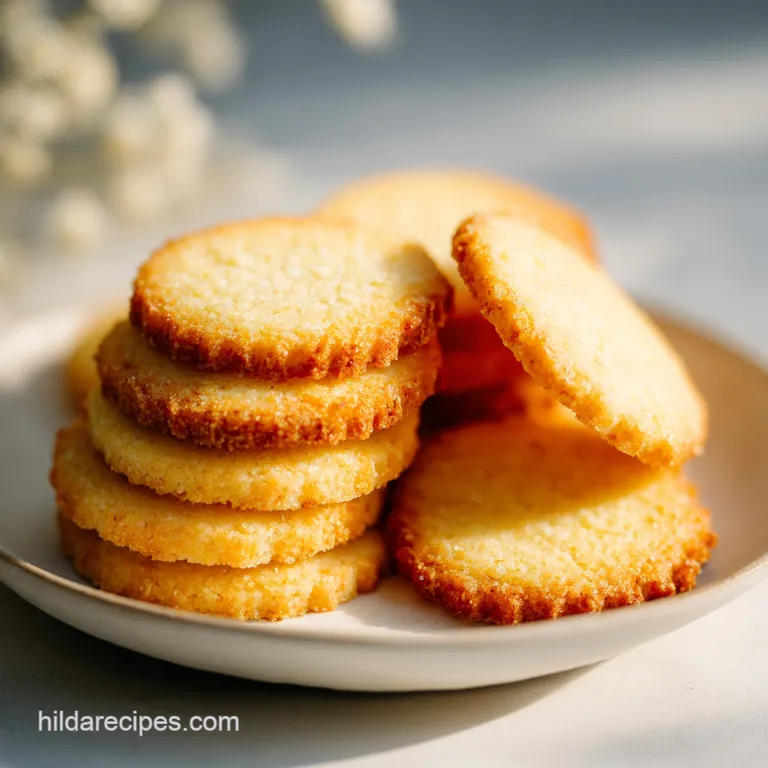
- Time: Active 15 minutes, Passive 30 mins, Total 45 minutes
- Flavor/Texture Hook: Velvety butter finish with a crisp, sandy shatter
- Perfect for: Afternoon tea, holiday gifting, or a quiet rainy Sunday
- The Secret to Perfecting Classic Buttery Shortbread Cookies Every Single Time
- Efficient Ways to Achieve That Iconic Crumbly Texture
- Component Analysis for the Ultimate Bake
- The Elements of a Timeless Shortbread
- Tools for a Professional Finish
- The Step by Step Baking Guide
- Solving Common Baking Hurdles
- Adjusting for Different Batch Sizes
- Popular Misconceptions About Shortbread
- Storage Guidelines and Zero Waste Tips
- Perfect Pairings for Your Cookies
- Recipe FAQs
- 📝 Recipe Card
The Secret to Perfecting Classic Buttery Shortbread Cookies Every Single Time
Walking into my grandmother's kitchen always felt like stepping into a warm hug, but it was the smell that truly stayed with me. It wasn't the scent of complex spices or heavy perfumes, but the pure, intoxicating aroma of high fat European butter slowly warming in the oven.
That specific scent meant she was whipping up a batch of her famous shortbread, a recipe she spent decades perfecting until it reached that elusive state of being both sturdy and impossibly light.
I remember watching her hands work the dough with a gentleness that seemed almost magical. She always said the best things in life only need three ingredients and a little bit of patience. For years, I tried to rush the process, using cold butter or over mixing the flour, only to end up with tough, bread like discs.
It took many failed batches and a few tears to realize that the beauty of this treat lies in its simplicity and the quality of the pantry staples you choose.
We are going to walk through the exact steps to achieve that signature "sandy" texture that defines a true shortbread. This isn't just about mixing ingredients; it is about understanding how the fat coats the flour to prevent gluten from making things chewy.
You want a cookie that holds its shape but offers a satisfying shatter when you take that first bite. Right then, let's get the oven preheating and get started on these heritage sweets.
Efficient Ways to Achieve That Iconic Crumbly Texture
- Fat Saturation: The high ratio of butter coats the flour proteins, preventing them from bonding with moisture to form gluten.
- Starch Suspension: Using superfine sugar ensures quick integration without over aerating the dough, keeping the structure dense yet tender.
- Low Moisture: Because there are no eggs or milk, the lack of water prevents the starch from gelatinizing, which creates that velvety mouthfeel.
| Method | Time | Texture | Best For |
|---|---|---|---|
| Traditional Fingers | 30 mins | Uniformly crisp | Dipping in coffee or tea |
| Pressed Rounds | 25 mins | Softer center | Decorative holiday platters |
| Chilled Slices | 35 mins | Very sharp edges | Professional gifting look |
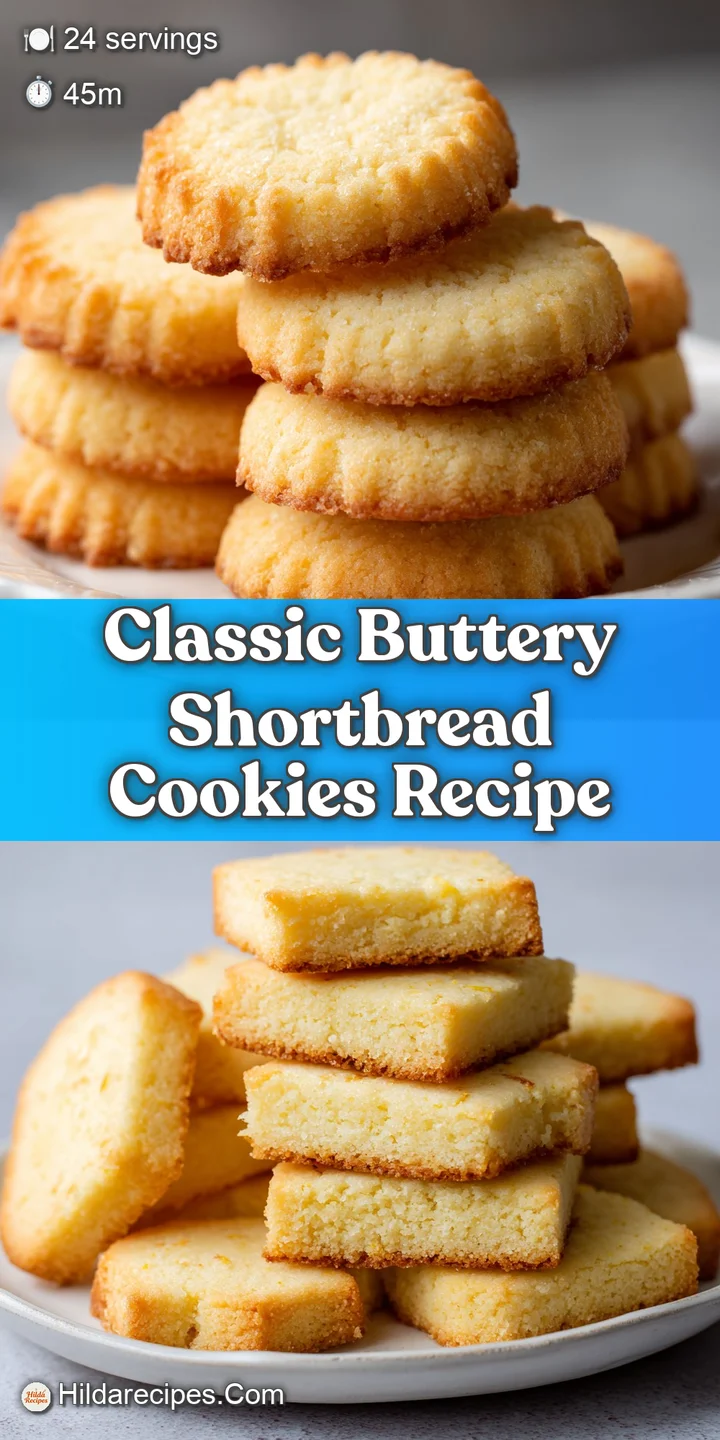
Choosing the right shape for your bake depends entirely on how much crunch you prefer. Fingers tend to dry out more evenly in the oven, giving you that classic Scottish snap, while rounds pressed with a stamp or fork often retain a slightly more tender, buttery heart.
Component Analysis for the Ultimate Bake
| Ingredient | Science Role | Pro Secret |
|---|---|---|
| European Butter | Provides fat and flavor | Use a brand with 82% butterfat for a richer "melt" |
| Caster Sugar | Controls sweetness and spread | If you only have granulated, pulse it in a blender for 10 seconds |
| All Purpose Flour | Provides the structural frame | Sift it twice to ensure no lumps interfere with the fat coating |
The Elements of a Timeless Shortbread
To get started, gather these specific items. Using high-quality ingredients is non negotiable here because there are no bold spices to hide behind.
- 227g high-quality salted European butter: Softened but still cool to the touch. Why this? European butter has less water, ensuring a flakier, richer cookie.
- 100g superfine sugar (caster sugar): This dissolves much faster than standard white sugar. Why this? It prevents a gritty texture in the finished bake.
- 300g all purpose flour: Sifted thoroughly before measuring. Why this? Sifting incorporates air for a lighter crumb.
- 1 tsp vanilla bean paste (optional): Adds those beautiful little black specks and a deep aroma.
- 1 tbsp granulated sugar: Reserved for the final garnish.
For a variation on the flour, you might try using a bit of rice flour for an extra "snap," much like the texture found in my Fluffy Buttermilk Pancakes recipe.
| Original Ingredient | Substitute | Why It Works |
|---|---|---|
| Salted Butter | Unsalted Butter + 1/4 tsp salt | Gives you more control over the salt levels |
| Caster Sugar | Powdered Sugar | Creates an even softer, more "meltaway" texture |
| All Purpose Flour | 1 to-1 gluten-free Blend | Rice based blends mimic the sandy texture well |
Tools for a Professional Finish
You don't need fancy gadgets to make these, but a few specific tools will make your life much easier. I prefer using a heavy duty stand mixer like a KitchenAid, though a simple bowl and a sturdy wooden spoon work just as well if you're looking for a workout.
- Digital Kitchen Scale: Essential for the 227g butter and 300g flour accuracy.
- 9x9 inch square baking pan: Provides the perfect thickness for shortbread fingers.
- Parchment Paper: Ensures the buttery dough doesn't stick to the metal.
- Heavy Fork: Used for "docking" the dough to prevent air bubbles.
- Offset Spatula: Helps smooth the top into a perfectly flat surface.
The step-by-step Baking Guide
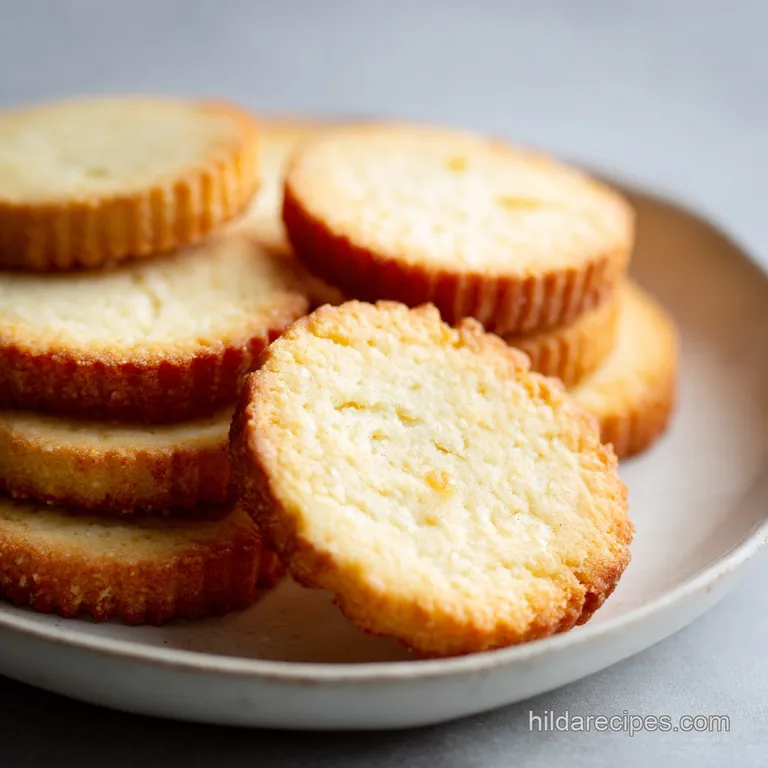
- Preheat the oven to 325°F (160°C). Note: A lower temperature prevents the butter from melting too fast and spreading the cookies.
- Cream the 227g butter and 100g caster sugar in a large bowl. Wait until the mixture looks pale and feels like wet sand.
- Mix in the vanilla bean paste if you are using it. Note: This is the moment where the aroma of the kitchen starts to turn sweet and floral.
- Add the 300g sifted flour to the butter mixture in two batches. Stop mixing the moment no white streaks remain.
- Press the dough firmly into your parchment lined 9x9 inch pan. Work it into the corners until the surface is level.
- Prick the surface all over with a fork in a decorative pattern. Note: This "docking" lets steam escape so the cookie stays flat.
- Bake for 30 mins in the center of the oven. Look for a pale golden edge and a firm center.
- Sprinkle the 1 tbsp granulated sugar over the hot shortbread immediately. Listen for a slight sizzle as the sugar meets the hot butter.
- Score the warm dough into 24 rectangular fingers using a sharp knife. Note: Do not remove them yet; they need to set to avoid crumbling.
- Cool completely in the pan before lifting the parchment out. Wait until they are stone cold for the cleanest break.
Chef's Tip: If you want an even deeper flavor, let the raw dough rest in the fridge for 20 minutes before baking. This hydrates the flour and intensifies the buttery notes.
Solving Common Baking Hurdles
Dealing with Crumbly Dough
Sometimes the dough feels more like loose sand than a cohesive ball. This usually happens if the butter was too cold or if you used a cup measurement instead of a scale for the flour.
The easiest fix is to use the warmth of your hands to gently knead the dough for 30 seconds until the butter softens just enough to bind the flour.
Preventing Greasy Bottoms
If you notice a pool of butter at the bottom of the pan, the oven temperature was likely too low or the butter was over whipped. Shortbread doesn't need much air; we aren't making a sponge cake. Next time, mix only until combined and ensure your oven is truly at 325°F before the pan goes in.
| Problem | Root Cause | Solution |
|---|---|---|
| Tough texture | Over working the dough | Mix only until the flour disappears |
| Cookies spread too much | Butter was too warm | Chill the dough for 15 mins before baking |
| Burnt edges, raw middle | Oven temp too high | Lower heat by 25°F and bake 5 mins longer |
Essential Baking Checklist
- ✓ Always use a scale for the 227g butter and 300g flour measurements.
- ✓ Sift your flour to avoid "flour pockets" in the shortbread.
- ✓ Prick the dough deeply with a fork to prevent rising.
- ✓ Slice the cookies while they are still warm from the oven.
- ✓ Use high butterfat European butter for the best flavor.
Adjusting for Different Batch Sizes
When you need to make a massive batch for a bake sale, remember that shortbread is very forgiving when doubled. For a 2x batch, use two separate 9x9 pans rather than one giant one to ensure the middle bakes through. Keep the salt and vanilla at about 1.5x the original amount so the flavors don't become overwhelming.
If you are scaling down to just 12 servings, use a smaller loaf pan. The baking time might decrease by about 5 minutes, so start checking for that golden hush around the 25 minute mark.
Since this recipe doesn't use eggs, you don't have to worry about the "half egg" dilemma that usually plagues small batch bakers.
Popular Misconceptions About Shortbread
One thing I hear all the time is that you need cornstarch to make "authentic" shortbread. While some modern recipes use it for a softer bite, traditional Scottish shortbread relies solely on the high fat to flour ratio to achieve its tenderness.
Adding cornstarch can sometimes lead to a chalky finish that masks the beautiful flavor of the European butter.
Another myth is that you must use unsalted butter. Honestly, I find that salted butter provides a necessary bridge between the fat and the sugar. It makes the flavor profile much more complex.
If you are worried about it being too salty, just use a high-quality brand like Kerrygold, which balances the seasoning perfectly.
Storage Guidelines and Zero Waste Tips
Storage: These cookies are incredibly shelf stable thanks to the high fat and low moisture content. Keep them in an airtight tin at room temperature for up to 2 weeks. In the freezer, they will stay fresh for up to 3 months just wrap the tin in plastic wrap to prevent freezer burn.
Zero Waste: If you end up with broken pieces or "crumbs" at the bottom of the pan, don't throw them away! I love pulsing the leftovers in a food processor and using them as a buttery base for a cheesecake or a topping for fruit crumbles.
They add much more flavor than standard graham crackers ever could.
Perfect Pairings for Your Cookies
These cookies are the ultimate companion for a hot beverage. The high fat content coats the palate, making it the perfect foil for a bitter espresso or a tannic Earl Grey tea. If you're hosting a brunch, these look beautiful alongside a Classic Meatloaf with recipe or served as a light dessert after a hearty meal.
If you want to get a bit fancy, try dipping half of each cooled finger into melted dark chocolate. The contrast between the salty, buttery biscuit and the snap of cold chocolate is something truly special.
For another sweet option, these cookies can be crumbled over a bowl of vanilla bean ice cream with a drizzle of salted caramel. Trust me, once you master this base, you'll find a million ways to serve it.
Recipe FAQs
What is the 3:2:1 rule for shortbread?
It dictates the ratio of primary ingredients by weight. The standard rule is 3 parts flour, 2 parts butter, and 1 part sugar (by weight), which yields the quintessential crumbly texture.
What is the secret to making good shortbread?
Minimal handling and high-quality butter are the secrets. Overworking the dough develops gluten, making the cookie tough; you want the butter to coat the flour, not bind it.
What's the difference between Scottish shortbread and normal shortbread?
True Scottish shortbread contains only three ingredients: flour, butter, and sugar, and traditionally includes no leavening or eggs. This results in a denser, more intensely buttery snap.
What is the best butter for shortbread?
Use European style butter with a higher fat content (82% or more). Higher fat content means less water, which inhibits gluten formation and results in a richer, melt-in-your mouth texture.
How to prevent shortbread cookies from becoming hard or tough?
Stop mixing immediately once the flour disappears into the butter mixture. Excessive mixing activates gluten strands, leading to a firm, bread like result instead of the desired sandy crumb.
Is it true that shortbread needs to be baked low and slow?
Yes, a lower oven temperature around 325°F (160°C) is recommended. This allows the high butter content to gently melt and coat the flour without rapidly browning or causing the cookies to spread excessively.
How do I score shortbread properly without it crumbling?
Score the dough firmly immediately after baking while it is still hot. Use a very sharp, thin knife and slice straight down, but do not attempt to separate the pieces until the shortbread has cooled completely.
Classic Buttery Shortbread Cookies
Ingredients:
Instructions:
Nutrition Facts:
| Calories | 132 calories |
|---|---|
| Protein | 1.3 g |
| Fat | 7.7 g |
| Carbs | 14.2 g |
| Fiber | 0.3 g |
| Sugar | 4.7 g |
| Sodium | 57 mg |
