Carrot Cake Ice Cream Recipe
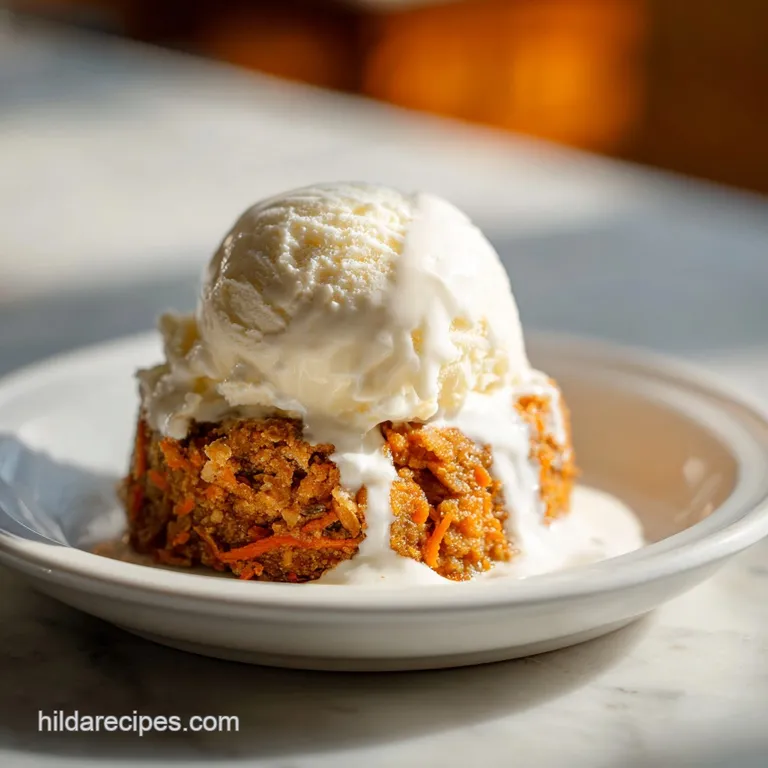
- Time: Active 30 minutes, Passive 20 minutes, Total 50 minutes (plus chilling time)
- Flavor/Texture Hook: Silky, spiced custard with the occasional crunch of toasted pecans and buttery cake crumbs.
- Perfect for: Holiday gatherings, unique summer desserts, or any occasion calling for a nostalgic comfort food twist.
Crafting the Best Carrot Cake Ice Cream
Remember the specific scent of a kitchen on a Sunday afternoon, where the air is heavy with ground cinnamon and the earthy sweetness of carrots roasting in the oven? That aroma is the soul of this carrot cake ice cream recipe.
I spent years trying to replicate the exact experience of eating a slice of my grandmother’s spiced cake, but it wasn't until I decided to freeze those flavors that everything clicked. This isn't just a cold dessert, it's a memory served in a bowl.
Most people think putting vegetables in ice cream is a bit strange, but trust me on this, it works because we aren't just tossing in raw shavings. We are treating the carrots like a confection.
By roasting them until they almost caramelize, we transform them into a deep, jammy base that weaves perfectly through the cream. The first time I pulled this batch out of the churner, the way the orange swirls met the white cream cheese base was a total visual win, but the smell?
That warm, spiced vanilla scent was what truly won me over.
We've all had those "homemade" versions that are either too icy or barely taste like the real thing. This homemade carrot cake ice cream is different because we focus on the fat content and the moisture levels.
It’s a labor of love that honors the generations of bakers who came before us, but with a cheeky, frozen upgrade. You’ll get that nostalgic tang from the cream cheese and the satisfying shatter of a toasted pecan in every single spoonful.
The Physics of the Scoop
Caramelization Concentration: Roasting the carrots at high heat evaporates water and concentrates natural sugars, preventing icy pockets in the finished scoop.
Fat Saturation: Using full fat cream cheese provides a unique molecular structure that mimics the stability of commercial emulsifiers, resulting in a velvety mouthfeel.
Solute Balance: The combination of granulated and brown sugars lowers the freezing point, ensuring the base stays soft enough to scoop directly from the freezer.
Starch Suspension: Folding in actual cake crumbles introduces small amounts of flour that absorb excess moisture, keeping the texture dense rather than airy.
| Method | Texture | Time Investment | Flavor Depth |
|---|---|---|---|
| Roasted Fresh Carrots | Dense and silky | 50 minutes | Deep, caramelized sweetness |
| Raw Carrot Shreds | Crunchy and icy | 10 minutes | Bright but watery |
| Canned Purée | Soft and uniform | 2 minutes | One dimensional and flat |
Choosing fresh carrots is the secret here because you control the moisture. When you roast them with a bit of brown sugar, you are essentially making a carrot confit that refuses to turn into an ice cube once it hits the heavy cream.
If you're in a rush, you might be tempted to use shortcuts, but the depth you lose just isn't worth the few minutes saved.
Component Analysis and Essentials
| Ingredient | Science Role | Pro Secret |
|---|---|---|
| Heavy Cream (480ml) | Provides the primary fat structure for a smooth finish. | Never use "ultra pasteurized" if you can find fresh local cream. |
| Cream Cheese (115g) | Acts as a natural stabilizer and adds the signature "frosting" tang. | Ensure it is completely softened to avoid tiny white lumps in the custard. |
| Egg Yolks (4 large) | Create a rich lecithin based emulsion between water and fat. | Temper them slowly with the hot milk to avoid making scrambled eggs. |
| Carrots (250g) | Adds fiber, natural sweetness, and the foundational flavor. | Use the thinnest grater setting for the most seamless integration. |
The cream cheese is arguably the most important player in this lineup. It doesn't just add flavor; the proteins in the cheese help trap air during the churning process, which is why this no churn carrot cake ice cream (if you choose that method) or the machine version stays so remarkably creamy.
Ingredients and Smart Substitutes
To make this recipe, gather these specific items. I’ve included some swaps just in case your pantry is looking a little bare, but remember that the fat content is key to that buttery texture we love.
- 250g carrots, peeled and finely diced
- Substitute: Sweet potatoes or pumpkin purée. Why this? They share a similar starch and sugar profile for a dense base.
- 50g brown sugar
- Substitute: Coconut sugar. Why this? Maintains the molasses undertone required for a deep, traditional spice profile.
- 1 tsp ground cinnamon
- Substitute: Apple pie spice blend. Why this? Offers a similar warm, aromatic profile with extra nutmeg notes.
- 0.5 tsp ground ginger
- 0.25 tsp ground cloves
- 480ml heavy whipping cream
- Substitute: Full fat coconut milk. Why this? High fat content mimics cream, though it adds a tropical flavor.
- 240ml whole milk
- 150g granulated sugar
- 115g full fat cream cheese, softened
- 4 large egg yolks
- 1 tsp vanilla bean paste
- Substitute: Pure vanilla extract. Why this? Provides the classic floral aroma, though without the visible bean specks.
- 0.5 tsp sea salt
- 100g carrot cake, crumbled
- 50g toasted pecans, chopped
- Substitute: Walnuts. Why this? Provides the necessary bitter sweet crunch and healthy fats.
- 30g golden raisins
If you are looking for a lighter accompaniment to serve alongside this, you might enjoy my Classic Buttery Shortbread recipe which provides a crisp contrast to the soft ice cream.
step-by-step Kitchen Guide
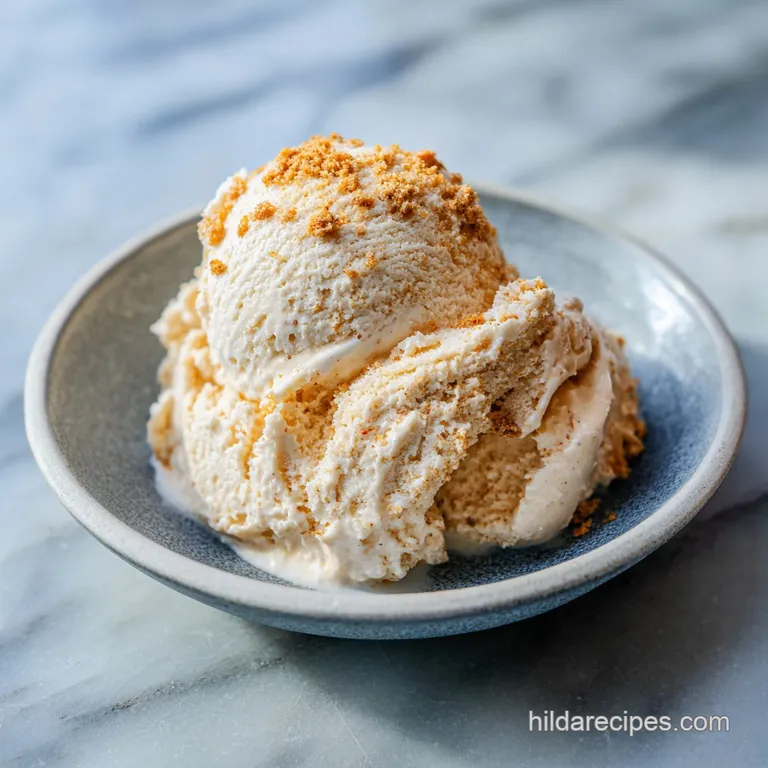
- Roast the carrots. Toss 250g diced carrots with 50g brown sugar and bake at 200°C (400°F) for 20 minutes until tender and fragrant. Note: Roasting removes water that would otherwise cause iciness.
- Purée the base. Blend the roasted carrots with the cinnamon, ginger, and cloves until completely smooth.
- Heat the dairy. Combine 240ml whole milk and 150g granulated sugar in a saucepan over medium heat until the edges begin to simmer.
- Temper the yolks. Slowly whisk 1/2 cup of hot milk into 4 egg yolks, then pour the mixture back into the pan. Note: This prevents the eggs from curdling into clumps.
- Thicken the custard. Cook the mixture to exactly 77°C (170°F) until it coats the back of a spoon.
- Incorporate the cheese. Whisk in 115g softened cream cheese and 1 tsp vanilla bean paste until the aroma of tangy vanilla fills the room.
- Chill the mixture. Stir in 480ml heavy whipping cream and 0.5 tsp sea salt, then refrigerate for at least 4 hours. Note: A cold base is essential for a fast churn and small ice crystals.
- Churn the batch. Pour the chilled mixture into your machine and process until it reaches the texture of soft serve.
- Fold in mix ins. Gently stir in 100g crumbled cake, 50g toasted pecans, and 30g golden raisins.
- Final freeze. Transfer to a container and freeze for 6 hours until firm and ready to scoop.
Troubleshooting Your Frozen Batch
Even the most seasoned home cooks can run into a few snags when dealing with frozen custards. The balance of sugar and fat is a delicate dance. If your ice cream feels like a brick, it usually means the sugar levels were a bit low, or your freezer is set to a "deep freeze" temperature.
Fixing Icy Texture
If you find that your carrot cake ice cream with cream cheese has developed a grainy or icy mouthfeel, it usually points back to the chilling stage. If the base isn't cold enough before it hits the machine, the ice crystals grow too large. You want those crystals to stay tiny for that velvety feel.
| Problem | Root Cause | Solution |
|---|---|---|
| Gritty Texture | Carrots weren't puréed enough | Pass the carrot mixture through a fine mesh sieve before adding to dairy. |
| Separated Custard | Eggs overheated during tempering | Use a thermometer and don't exceed 175°F (80°C) during cooking. |
| Soggy Cake Bits | Cake was too fresh/moist | Toast the cake crumbs in the oven for 5 minutes before folding them in. |
Common Mistakes Checklist
- ✓ Ensure the ice cream maker bowl has been in the freezer for a full 24 hours.
- ✓ Don't skip the salt - it's the bridge that connects the earthy carrot to the sweet cream.
- ✓ Soften the cream cheese completely; even a slightly cold block will create stubborn lumps.
- ✓ Toast your pecans until they smell nutty to ensure they don't get soft in the freezer.
- ✓ Use full fat dairy only; low-fat versions contain too much water and will turn into ice.
For those busy weeknights when you want a savory follow up to this sweet treat, my Tater Tot Casserole recipe is a wonderful way to keep the comfort food theme going for the whole family.
Scaling for Different Crowds
When scaling this recipe down for a solo treat, you can easily halve the ingredients. For the eggs, simply whisk two yolks and use them as directed. You might find that the churn time decreases by about 20%, so keep a close eye on the machine to ensure it doesn't over churn and become buttery.
If you are scaling up for a large party (making a 2x or 3x batch), work in stages. Most home ice cream makers such as Cuisinart models can only handle about 1.5 to 2 quarts at a time. Churn the batches separately but store them in the same large container to allow the flavors to meld.
When doubling the spices, use a 1.5x ratio instead of a full double to avoid the cloves and ginger becoming too sharp or medicinal in the frozen state.
| Servings | Carrots | Heavy Cream | Pan Size for Cake |
|---|---|---|---|
| 6 People | 125g | 240ml | Small loaf pan |
| 12 People | 250g | 480ml | 9 inch square |
| 24 People | 500g | 960ml | Two 9x13 pans |
Common Kitchen Myths
One of the biggest myths is that you can't make a carrot cake ice cream cake recipe without a specialized machine. While a Ninja Creami carrot cake ice cream version is incredibly smooth, you can actually use the "still freeze" method.
Simply whip the cream to stiff peaks before folding it into the chilled carrot and egg mixture, then freeze. It won't be quite as airy, but it's still incredibly rich.
Another myth is that the raisins will turn into hard rocks in the freezer. This only happens if you use dry, old raisins. If you soak your golden raisins in a bit of warm water or even a splash of dark rum for 10 minutes before folding them in, they stay plump and chewy even at sub zero temperatures.
Storage and Zero Waste
Store your unique carrot cake ice cream recipes in an airtight container with a piece of plastic wrap pressed directly against the surface of the cream. This prevents freezer burn and keeps the texture silky for up to 3 weeks.
If you find it's too hard to scoop after a few days, let it sit on the counter for 5 to 10 minutes to soften naturally.
For a zero waste approach, don't throw away those carrot peels! You can toss them with a little sugar and cinnamon and air fry them at 180°C (350°F) for a few minutes to create a crunchy garnish for the top of your scoop.
If you have leftover crumbled cake, it makes an excellent base for a trifle or can be toasted and used as a "soil" for a garden themed dessert. Keeping these scraps ensures every bit of flavor is honored, just like the generations of cooks who never let a single ingredient go to waste.
Recipe FAQs
Does carrot cake taste good with ice cream?
Yes, it creates a superior frozen dessert. Pairing the warm spice profile of cake with a cold, tangy cream cheese base enhances both textures. The slight acidity cuts through the richness of the cream beautifully.
What ice cream flavor goes well with carrot cake?
Cream cheese ice cream is the ideal pairing. It mimics the traditional frosting flavor, ensuring every bite has that signature sweet tart profile. Vanilla bean is a safe but less exciting second choice.
What company makes the best ice cream cake?
This depends entirely on personal preference for frosting and cake density. Generally, local artisan bakeries often surpass national brands in freshness and quality of inclusions. For at-home baking success regarding texture control, review our guide on Soft vs Chewy recipe to understand fat manipulation.
What is the icing on carrot cake made from?
It is traditionally a cream cheese frosting. This involves creaming softened cream cheese, butter, powdered sugar, and vanilla extract until light and fluffy. In our ice cream, we use softened cream cheese directly in the custard base.
How do I prevent my homemade carrot ice cream from freezing rock solid?
Increase the ratio of dissolved solids, specifically sugar and fat. The higher the sugar and fat content, the lower the freezing point, keeping the scoopable texture soft. Ensure your cream cheese is fully incorporated, as it acts as a stabilizer.
How to incorporate frozen carrots into the ice cream base?
Thaw carrots completely, then roast them lightly before puréeing. Do not add them frozen, as this will drastically lower the custard temperature and create larger ice crystals. If you wish to explore another vegetable based frozen treat, see how we handle vegetable freezing in the Frozen Bananas recipe.
Is it true I must use a water bath when cooking the egg yolks for the custard?
No, this is a common misconception when working with small batches. For custard bases, tempering the yolks slowly with the hot liquid and maintaining the temperature below 80°C (175°F) is sufficient to prevent scrambling. Watch closely for the mixture to coat the spoon.
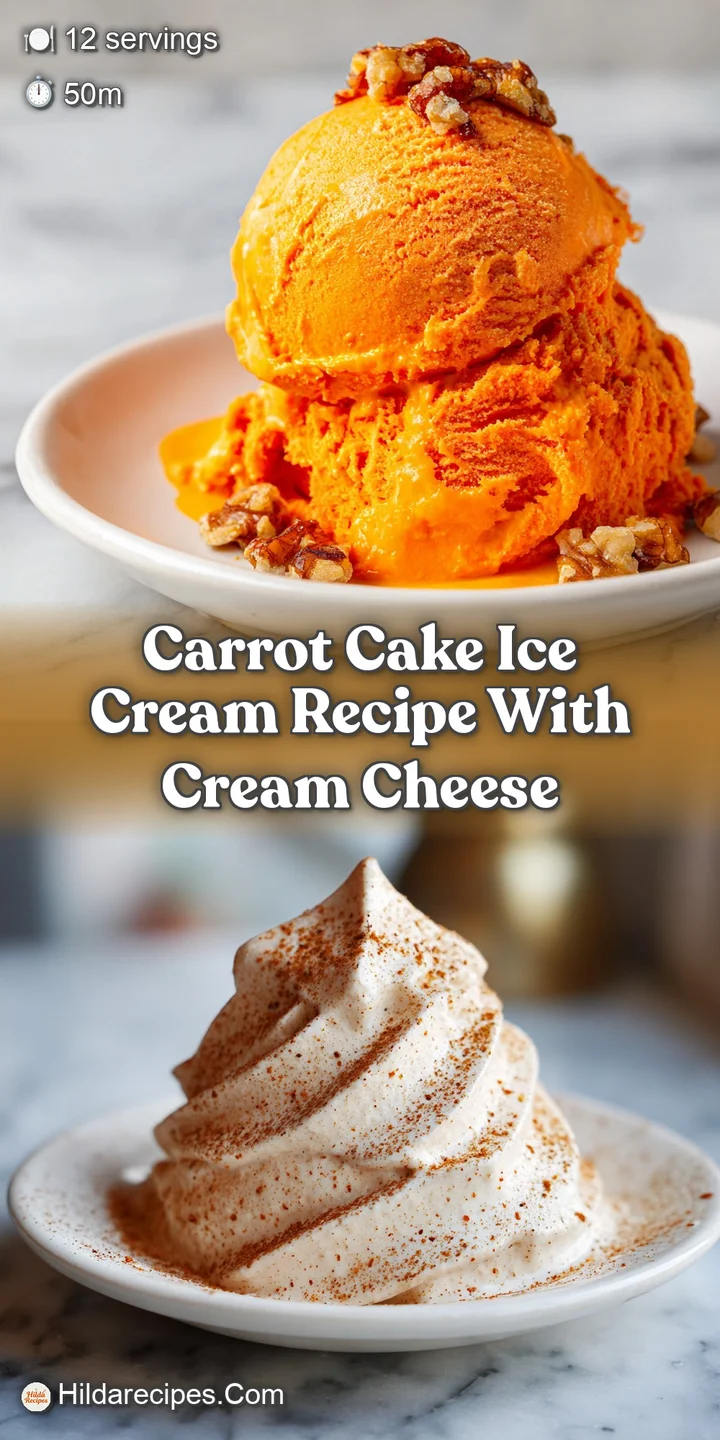
Carrot Cake Ice Cream
Ingredients:
Instructions:
Nutrition Facts:
| Calories | 344 kcal |
|---|---|
| Protein | 4.3 g |
| Fat | 25.0 g |
| Carbs | 27.9 g |
| Fiber | 1.2 g |
| Sugar | 23.4 g |
| Sodium | 115 mg |
