The Best Orzo Pasta Salad Recipe
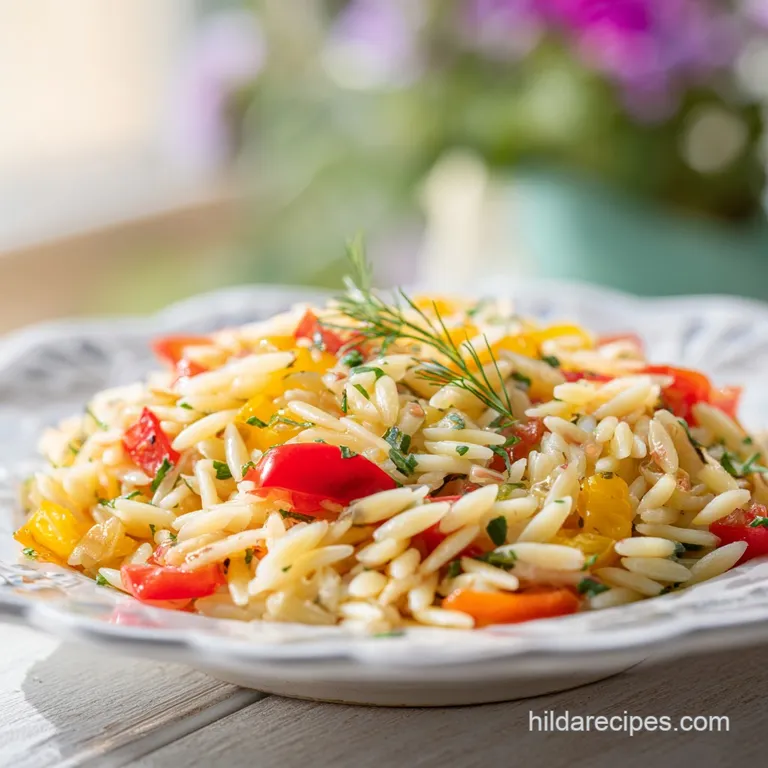
- Time: Active 15 minutes, Passive 10 minutes, Total 25 minutes
- Flavor/Texture Hook: Tangy, herbaceous, and incredibly zippy with a cooling cucumber crunch
- Perfect for: Backyard barbecues, meal prep lunches, or a light summer dinner
- The Physics of Pasta Porosity
- Essential Stats For Home Cooks
- Essential Ingredients For Flavor Layers
- Required Kitchen Gear For Success
- Simple Steps For Perfect Results
- Fixing Common Pasta Salad Mistakes
- Creative Ways To Personalize Bowls
- Smart Storage And Zero Waste
- Creative Ideas For Serving Guests
- Setting The Pasta Record Straight
- Recipe FAQs
- 📝 Recipe Card
The Physics of Pasta Porosity
Hydration Infusion: Cooking orzo in vegetable broth allows the starch granules to absorb seasoned liquid rather than plain water, creating a deep flavor base. Adding the vinaigrette while the pasta is still warm utilizes capillary action, drawing the oil and lemon into the cooling grains for maximum saturation.
Chef's Tip: Toast your dry orzo in a splash of olive oil for three minutes before adding the broth. It creates a nutty depth that stops the grains from becoming gummy.
| Method | Time | Texture | Best For |
|---|---|---|---|
| Classic Boil | 9 minutes | Soft and tender | Quick weeknight meals |
| Toasted Method | 12 minutes | Nutty and firm | Making the best orzo pasta salad |
| Cold Soak | N/A | Mushy/Grainy | Avoid this entirely |
While the classic boil is faster, I always recommend the toasted method if you have those extra three minutes. It adds a layer of toasted flavor that makes people stop and ask, "What is that secret ingredient?" It also helps each grain of pasta stay separate and distinct rather than clumping together into a ball.
Trust me, it’s a total game changer for the overall mouthfeel of the dish.
Essential Stats For Home Cooks
This recipe is designed to be approachable but yields a result that tastes like it came from a high end Mediterranean bistro. We are focusing on quality over quantity here. If you're looking for another crowd pleaser to serve alongside this, my Mediterranean White Bean recipe offers a similar fresh profile that guests absolutely adore.
Component Analysis For Every Grain
| Ingredient | Science Role | Pro Secret |
|---|---|---|
| Lemon Juice | Acid/Denaturant | Use fresh only to brighten the fats. |
| Orzo Pasta | Starch Base | Cook in broth to season the core. |
| Feta Cheese | Salt/Emulsifier | Buy the block in brine for creaminess. |
| Extra Virgin Olive Oil | Fat/Carrier | high-quality oil carries herb aromatics. |
When you are picking out your ingredients, don't just grab the first things you see. The quality of your olive oil matters immensely here because it isn't being cooked off. It’s a raw component that coats every single piece of pasta.
I usually go for a cold pressed version that has a slightly peppery finish to balance the sweetness of the honey in the dressing.
Essential Ingredients For Flavor Layers
- 1/2 cup extra virgin olive oil: The base of our silky dressing. Why this? Provides the richness needed to coat the pasta grains.
- Substitute: Avocado oil (milder flavor, less traditional).
- 3 tbsp fresh lemon juice: For that essential citrus punch. Why this? Breaks through the fat and wakes up the palate.
- Substitute: White balsamic vinegar.
- 1 tbsp red wine vinegar: Adds a different dimension of acidity. Why this? Provides a sharp, fermented tang that lemon lacks.
- Substitute: Apple cider vinegar.
- 1 tsp dijon mustard: Our primary emulsifier. Why this? Keeps the oil and vinegar from separating on the plate.
- Substitute: Spicy brown mustard.
- 1 tsp honey: To balance the sharp acids. Why this? Rounds out the edges of the citrus and vinegar.
- Substitute: Agave nectar or maple syrup.
- 1 tsp dried oregano: For that classic earthy herb note. Why this? Dried herbs hold up better in dressings than fresh ones.
- Substitute: Dried marjoram.
- 2 tbsp fresh mint, chopped: The secret to the "refreshing" factor. Why this? Adds a cooling finish that surprises the tongue.
- Substitute: Fresh basil.
- 2 cloves garlic, grated: For a spicy, aromatic bite. Why this? Grating ensures the garlic melts into the dressing evenly.
- Substitute: 1 tsp garlic powder.
- 1 lb dried orzo pasta: The star of the show. Why this? Tiny pasta shape allows for a perfect veggie to pasta ratio.
- Substitute: Ditalini or pearl couscous.
- 32 oz vegetable broth: Our secret flavor weapon. Why this? Seasons the pasta from the inside out while boiling.
- Substitute: Chicken broth or salted water.
- 1 tsp kosher salt: Essential for the pasta water and dressing. Why this? Enhances every other flavor in the bowl.
- Substitute: Sea salt (use slightly less).
- 1 large English cucumber, diced: For maximum crunch. Why this? Thin skins mean you don't have to peel them.
- Substitute: Persian cucumbers.
- 1 pint cherry tomatoes, halved: Little bursts of sweetness. Why this? They hold their shape better than chopped large tomatoes.
- Substitute: Grape tomatoes.
- 1/2 cup kalamata olives, pitted and sliced: For a briny, salty kick. Why this? Provides a deep, umami contrast to the fresh veggies.
- Substitute: Green Castelvetrano olives.
- 1/3 cup red onion, finely minced: For sharp, spicy crunch. Why this? Red onions are milder and prettier than yellow ones.
- Substitute: Shallots or green onions.
- 1 cup feta cheese, crumbled: The creamy, salty highlight. Why this? Feta doesn't melt, providing distinct texture in every bite.
- Substitute: Goat cheese crumbles.
- 1/2 cup fresh flat leaf parsley, chopped: For a clean, grassy finish. Why this? Adds bright color and cuts through the salty feta.
- Substitute: Fresh cilantro (if you like that vibe).
Required Kitchen Gear For Success
You don't need a professional kitchen to make this, but a few specific tools make the process much smoother. I've tried making this with just a fork and a bowl, and trust me, your wrist will thank you if you use a whisk.
A large pot is non negotiable because the orzo needs room to tumble around in the broth without sticking.
I also highly recommend a microplane for the garlic. If you just chop the garlic with a knife, someone is going to end up biting into a large raw chunk, and that's never a fun surprise at a dinner party. Grating it turns it into a paste that distributes that spicy aroma perfectly throughout the entire batch.
- Large Stockpot: To boil the orzo in the broth.
- Fine Mesh Strainer: Orzo is tiny; a regular colander might let some grains escape.
- Whisk: For emulsifying that vinaigrette into a velvety dream.
- Microplane/Grater: For the garlic and optionally some lemon zest.
- Large Mixing Bowl: Give yourself more room than you think you need for tossing.
Simple Steps For Perfect Results
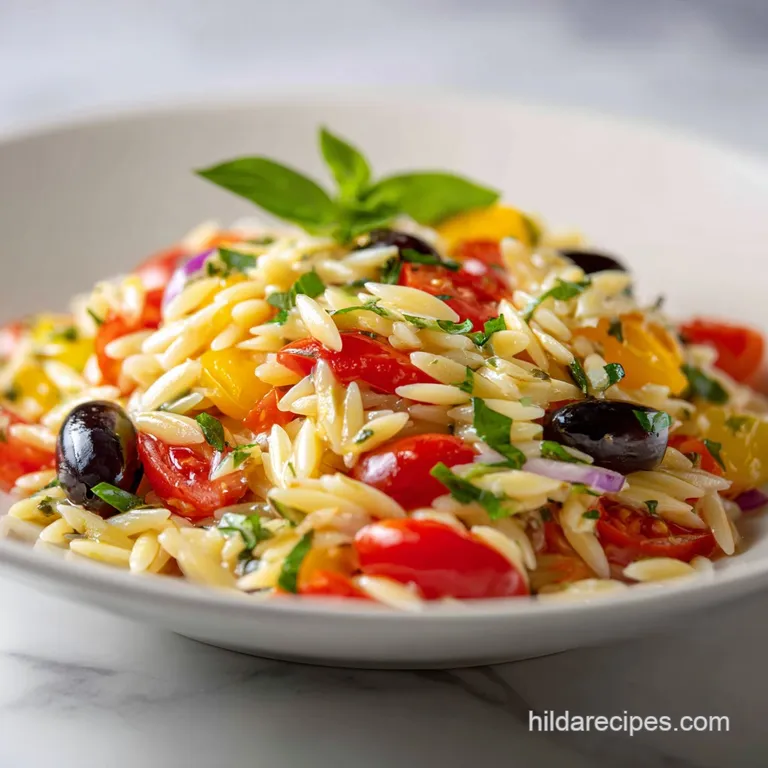
1. The Lemony Vinaigrette
Whisk the extra virgin olive oil, lemon juice, red wine vinegar, dijon, honey, oregano, mint, and grated garlic in a small bowl. Note: Mixing the dressing first allows the dried oregano to rehydrate and the garlic to mellow in the acid. Let it sit while you handle the pasta.
2. The Broth Boil
Bring the 32 oz of vegetable broth and 1 tsp of salt to a rolling boil in your large pot. Add the 1 lb of dried orzo. Note: Broth adds a savory foundation that water simply cannot provide.
3. The Precision Cook
Cook the orzo for about 8-10 minutes until it is tender but still has a slight "bite" or al dente texture. Don't let it get mushy!
4. The First Infusion
Drain the pasta through a fine mesh strainer but do not rinse it. Transfer the hot orzo to your large mixing bowl and pour half of the dressing over it immediately. Toss well. Note: The heat helps the pasta absorb the dressing deep into its core.
5. The Cooling Phase
Spread the orzo slightly in the bowl and let it cool for about 10 minutes. Note: If you add the veggies while the pasta is steaming, they will lose their crunch and turn gray.
6. The Veggie Assembly
Fold in the diced English cucumber, halved cherry tomatoes, sliced kalamata olives, and minced red onion. Note: Ensure the onions are finely minced so they distribute evenly without overpowering a single bite.
7. The Feta Fold
Add the crumbled feta cheese and fresh flat leaf parsley to the mixture. Note: Stir gently so you don't totally pulverize the cheese into a paste.
8. The Final Polish
Pour the remaining dressing over the salad and toss one last time until every grain of orzo looks glossy and coated. Taste and add a pinch more salt if the flavors don't "pop" yet.
Fixing Common Pasta Salad Mistakes
Why Your Orzo Is Gummy
The most frequent heartbreak in making this dish is ending up with a sticky, gummy mess. This usually happens for two reasons: overcooking the pasta or not adding oil/dressing while it’s warm. If the starch on the outside of the pasta dries before it’s coated in fat, the grains will fuse together like glue.
If The Salad Tastes Flat
If you follow the steps and it still feels like it's missing "something," it's almost always an acid or salt issue. Pasta is notorious for soaking up salt as it sits. A final squeeze of fresh lemon or a tiny sprinkle of flaky sea salt right before serving can wake up all those muted flavors.
| Problem | Root Cause | Solution |
|---|---|---|
| Watery Salad | Tomatoes released too much juice | Salt tomatoes separately for 10 mins and drain before adding. |
| Bland Pasta | Cooked in plain water | Always use seasoned broth; it’s the only way to flavor the interior. |
| Dry Leftovers | Pasta absorbed all the dressing | Keep a little extra dressing on the side to refresh before serving. |
Common Mistakes Checklist
- ✓ Never rinse your pasta; you want those starches to help the dressing cling to the grains.
- ✓ Wait for the pasta to reach room temperature before adding the cucumber and herbs to keep them crisp.
- ✓ Mince the red onion as small as possible; nobody wants a giant hunk of raw onion.
- ✓ Use a block of feta and crumble it yourself for a much creamier texture than the pre crumbled tubs.
- ✓ Grate the garlic into a paste so it emulsifies perfectly into the oil.
Creative Ways To Personalize Bowls
If you want to turn this into a full meal rather than a side, adding a protein boost is the way to go. I often toss in some grilled shrimp or shredded rotisserie chicken. For a variation that’s a bit more "pantry friendly," you could try my Macaroni Salad in recipe, though it has a creamier, mayo based profile compared to this zesty Mediterranean version.
- For a Protein Boost: Add chickpeas or grilled lemon herb chicken.
- For a Vegan Version: Swap the honey for agave and use a vegan feta or extra olives for saltiness.
- For a Nutty Crunch: Add a handful of toasted pine nuts or slivered almonds right before serving.
One of my favorite tricks for a fancy dinner party is to serve this inside hollowed out bell pepper halves. It looks stunning on a platter and adds another layer of sweet pepper crunch to the experience.
Smart Storage And Zero Waste
This salad is one of those rare dishes that actually tastes better the next day. As it sits in the fridge, the garlic, mint, and lemon continue to meld together. It will stay fresh in an airtight container for up to 3 days. I don't recommend freezing this, as the cucumbers and tomatoes will turn into mush once thawed.
To keep it zero waste, don't throw away those herb stems! Parsley and mint stems are packed with flavor. I finely mince the tender parts of the stems and toss them right in with the leaves.
If you have leftover cucumber peels, they are great dropped into a pitcher of water for a refreshing spa like drink while you cook.
Chef's Note: If the salad looks a little dry on day two, just add a teaspoon of olive oil and a quick squeeze of lemon. It’ll look brand new.
Creative Ideas For Serving Guests
When I'm serving this at a big party, I like to keep the feta on the side in a small bowl for any dairy-free guests, though traditionally it's mixed right in. For the best presentation, save a handful of the fresh parsley and a few extra tomato halves to scatter across the top right before the bowl hits the table.
The bright red and green against the pale orzo looks absolutely beautiful.
If you're looking for a different flavor profile for your next gathering, this BLT Pasta Salad recipe is a fantastic crowd pleaser that hits those smoky, savory notes. But for a true summer classic that feels light and sophisticated, sticking with this Mediterranean orzo is always a winning move. Serve it alongside some grilled pita bread and a cold glass of white wine, and you've got the perfect July lunch.
Setting The Pasta Record Straight
There is a common misconception that you should boil pasta in as much water as possible. While that’s true for long noodles like spaghetti to prevent tangling, for orzo, using just enough broth to cover it (and a little more) actually concentrates the flavor.
You want that liquid to be "pasta tea" that seasons every grain.
Another myth is that "fresh is always better" for every single ingredient. While I stand by fresh lemon and herbs, dried oregano actually has a more concentrated, savory oil content that stands up better to the acidic dressing than fresh oregano would. It’s about choosing the right tool for the job.
Finally, don't believe the lie that you can't make pasta salad ahead of time. You absolutely can, as long as you hold back a tiny bit of the dressing to toss in right before serving. The pasta will "drink" the initial dressing, and that second splash ensures it stays glossy and moist for your guests.
Recipe FAQs
What is the absolute best way to ensure the orzo doesn't turn gummy?
Toast the orzo first, then use broth instead of water. Toasting the dry pasta in oil for three minutes before boiling creates a nutty flavor and helps the grains maintain structure.
Should I let the orzo cool completely before adding the vegetables?
No, toss with half the dressing while warm, then cool before adding vegetables. The residual heat helps the warm pasta absorb the initial oil and acid infusion, maximizing flavor saturation.
Is it true that using dried oregano is inferior to fresh in this salad?
False. For the dressing, dried oregano is actually superior because its concentrated oils integrate better with the acid and fat base.
How do I prevent the cucumber and tomatoes from watering down the salad overnight?
Salt the cucumber and tomatoes separately and drain them before mixing. This technique draws out excess moisture, ensuring your leftovers remain crisp and the dressing stays emulsified.
How to make the vinaigrette dressing thicker and prevent separation?
Whisk in the Dijon mustard vigorously before slowly streaming in the oil. The mustard acts as the primary emulsifier, creating a stable suspension; if you like this technique, see how we use similar acid principles in our Mexican Corn Salad recipe.
What is the best substitute if I don't have feta cheese on hand?
Use block goat cheese crumbles, but add slightly less salt overall. Goat cheese melts slightly when tossed with warm pasta, offering a creamy texture contrast similar to how the cheese integrates in a great Johnny Marzetti Recipe.
How far in advance can I safely prepare the components of this salad?
Yes, prepare the dressing and chop all vegetables up to 24 hours ahead of time. Store the dressing separately and only toss the final salad components together within three hours of serving for peak freshness.
Best Orzo Pasta Salad Recipe
Ingredients:
Instructions:
Nutrition Facts:
| Calories | 408 kcal |
|---|---|
| Protein | 9.4 g |
| Fat | 20.2 g |
| Carbs | 46.4 g |
| Fiber | 3.2 g |
| Sugar | 3.8 g |
| Sodium | 685 mg |
