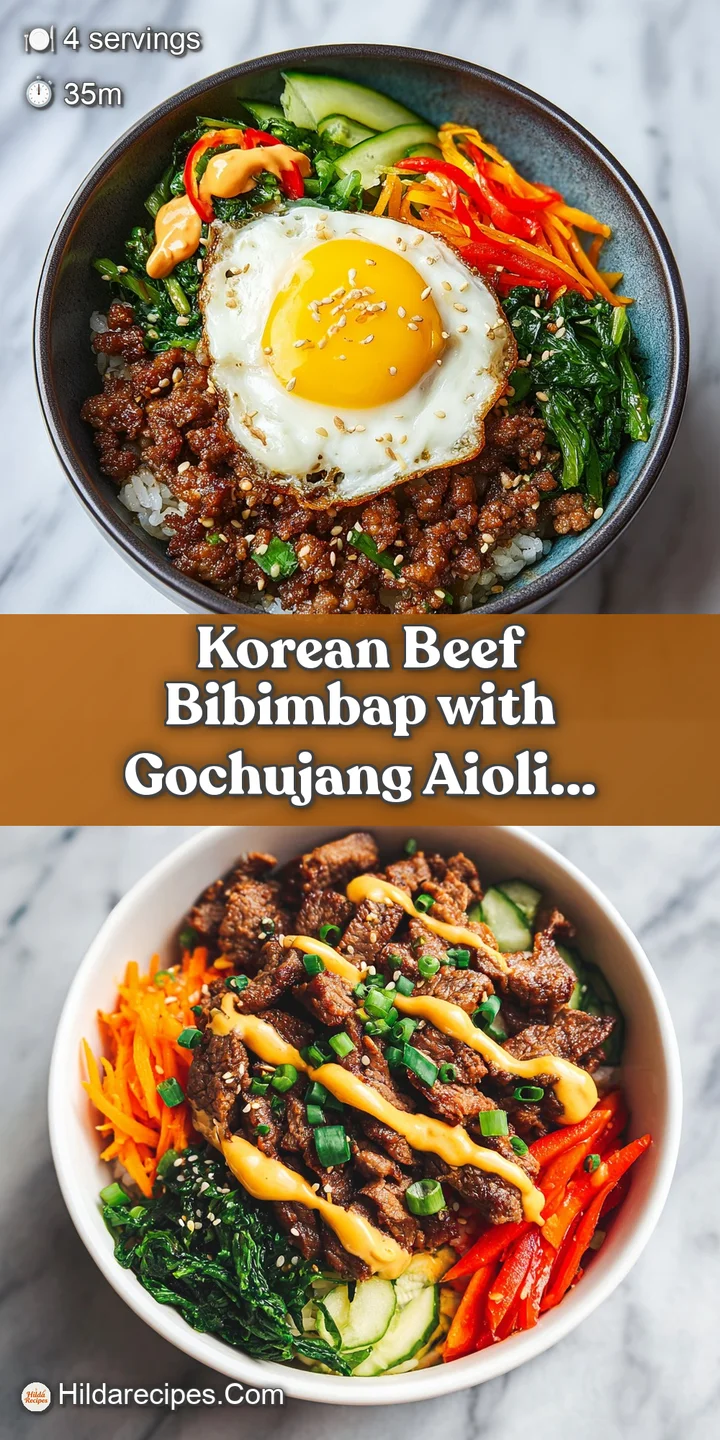
Korean Beef Bibimbap with Gochujang Aioli
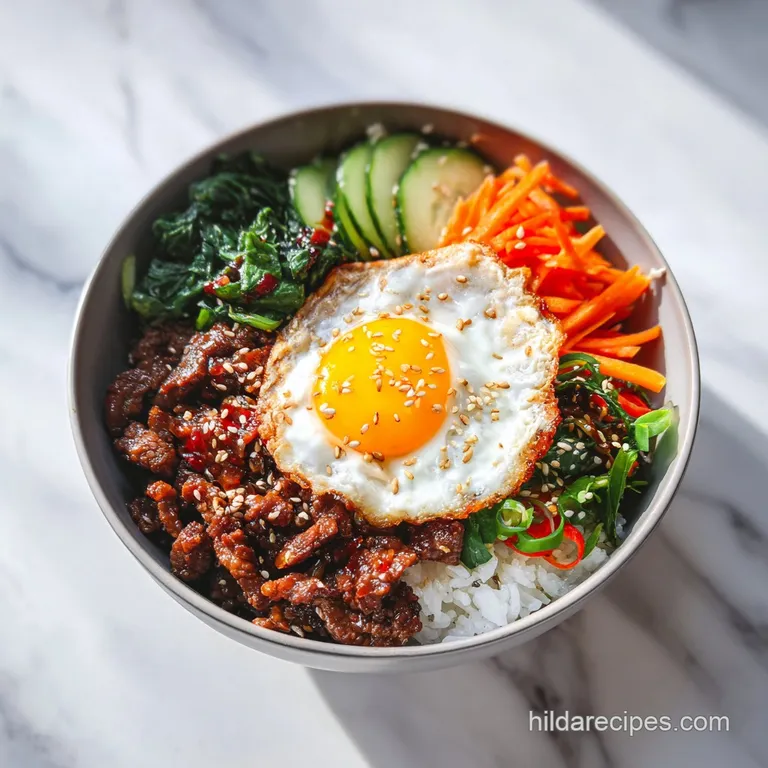
- Time: Active 20 minutes, Passive 15 minutes, Total 35 minutes
- Flavor/Texture Hook: Savory seared steak meets velvety gochujang aioli
- Perfect for: Weeknight comfort or a healthy family dinner
- Master Your Korean Beef Bibimbap with Gochujang Aioli
- Understanding the Flavor Balance in This Dish
- A Deep Dive into Flavor Components
- Essential Ingredients for Authentic Flavor
- Tools for High Heat Cooking
- Step by Step Guide to a Better Bowl
- Avoiding Common Cooking Blunders and Mistakes
- Adjusting Portions for Family Gatherings
- Clearing Up Misunderstandings in the Kitchen
- Managing Your Leftovers and Meal Prep Success
- How to Serve Your Bowl for Maximum Impact
- High in Sodium
- Recipe FAQs
- 📝 Recipe Card
Master Your Korean Beef Bibimbap with Gochujang Aioli
The first time I heard the heavy sizzle of thin sliced sirloin hitting a scorching cast iron pan, I knew I was hooked. It’s a sound that promises a deep, caramelized crust, the kind of flavor that feels like a warm hug after a long day.
My grandmother always told me that the secret to a great meal isn't just the spice, but the balance of colors on the plate. Looking down at a bowl of bibimbap is like looking at a garden; the bright orange carrots, the deep green spinach, and that golden, runny egg yolk waiting to be broken.
We’ve all had those nights where we want something that feels special but doesn't require hours of hovering over the stove. This dish is my go to solution. It’s a perfected version of the bowls I grew up eating, but with a modern twist a velvety gochujang aioli that ties everything together.
While traditional versions use a thinner sauce, this creamy version adds a richness that turns a simple rice bowl into true comfort food. We’re going to walk through how to get that beef just right and how to ensure your vegetables keep their snap.
Trust me, once you smell the toasted sesame oil mingling with fresh ginger and garlic, your kitchen will feel like the most inviting place on earth. We aren't just making dinner; we're recreating a memory of flavor that has been passed down and refined.
Whether you’re a seasoned cook or just starting out, this recipe is designed to be approachable and incredibly rewarding. Let's get the rice going and start building these layers of flavor.
Understanding the Flavor Balance in This Dish
The magic of this recipe lies in how the different components interact to create a cohesive bite. We aren't just tossing things in a bowl; we are layering textures and tastes.
- Maillard Reaction: High heat transforms the natural sugars and proteins in the sirloin into a savory, brown crust. This provides the deep, "meaty" foundation that anchors the lighter vegetables.
- Emulsification: By whisking gochujang into avocado oil mayonnaise, we create a stable, velvety sauce. The fats in the mayo mellow the sharp fermentation of the chili paste, allowing the flavor to linger without overwhelming the palate.
- Starch Retrogradation: Using cooked brown rice that has slightly cooled or been steamed perfectly ensures the grains stay separate. This prevents the dish from turning mushy when you stir in the aioli and egg yolk.
Quick Decision Done ness Guide
| Beef Thickness | Internal Temp | Rest Time | Visual Cue |
|---|---|---|---|
| 1/8 inch strips | 145°F | 2 minutes | Deep brown edges, no pink |
| 1/4 inch strips | 145°F | 3 minutes | Caramelized exterior, tender |
| Ground beef | 160°F | 1 minute | Fully browned, juices run clear |
When you are aiming for that classic taste, it's often helpful to compare methods. If you have more time, you might lean toward the traditional way, but for most of us, the fast version is what keeps us sane on a Tuesday. This Korean BBQ Beef recipe is another great example of how you can get big flavors in a short amount of time.
Fast vs Classic Preparation
| Feature | Fast Version (35 min) | Classic Generational Way |
|---|---|---|
| Vegetable Prep | Sautéed in one pan | Each veggie seasoned separately |
| Beef Cut | Pre sliced sirloin | Flank steak marinated 24 hours |
| Sauce Base | Mayo based aioli | Fermented gochujang and water |
A Deep Dive into Flavor Components
Every ingredient in this recipe serves a specific purpose, working together like an orchestra to create a harmonious meal. It’s about more than just filling a bowl; it’s about choosing elements that provide contrast.
| Ingredient | Science Role | Pro Secret |
|---|---|---|
| Top Sirloin | Provides structure and protein | Slice while partially frozen for paper thin strips. |
| Gochujang | Adds fermented depth and heat | Always check the spice level; some brands are much hotter. |
| Toasted Sesame Oil | Offers aromatic fat | Add half at the end of cooking to preserve its delicate scent. |
| Rice Vinegar | Cuts through the richness | Use a splash in the spinach to keep the color vibrant. |
Using the right beef is crucial. Sirloin is lean enough to stay firm but has enough marbling to stay juicy under high heat. If you're looking for something different but in the same flavor family, you might enjoy trying a Korean Chicken Breast recipe for a lighter protein swap.
Essential Ingredients for Authentic Flavor
To get this dish right, we need a mix of fresh produce and pantry staples. Each one adds a layer of flavor that contributes to the "perfected" taste we’re aiming for.
- 1 lb top sirloin steak: Sliced thinly against the grain. Why this? Sirloin provides a tender bite with minimal gristle compared to cheaper cuts.
- 2 tbsp low sodium soy sauce: For that essential salty, umami base.
- 1 tbsp honey: Balances the salt with a gentle sweetness.
- 1 tbsp toasted sesame oil: Adds a nutty aroma that is quintessential to Korean cooking.
- 3 cloves garlic, minced: Fresh is always better than the jarred stuff here.
- 1 tsp fresh ginger, grated: Provides a subtle heat and brightness.
- 2 cups fresh spinach: Sautéed until just wilted.
- 1 large carrot, julienned: For a sweet crunch and bright color.
- 1 medium zucchini, sliced: These half moons soak up the pan juices beautifully.
- 1 cup bean sprouts: Essential for that traditional bibimbap texture.
- 4 large eggs: Topped with a sunny side-up egg for a rich "sauce" from the yolk.
- 3 cups cooked brown rice: Provides a nutty, chewy base that holds up to the toppings.
- 1/4 cup avocado oil mayonnaise: The creamy base for our aioli.
- 1.5 tbsp gochujang: The heart of the spice profile.
- 1 tsp rice vinegar: Adds the necessary acidity to the sauce.
- 1 tsp honey (for aioli): To round out the heat.
- 0.5 tsp toasted sesame oil (for aioli): For a final aromatic touch.
Chef's Tip: If you want your beef to have that restaurant style "shatter" on the edges, pat it dry with a paper towel before it hits the pan. Any moisture on the surface will cause the meat to steam rather than sear.
Tools for High Heat Cooking
Having the right equipment makes the process smoother and ensures you get the textures you're looking for. You don't need a kitchen full of gadgets, but a few key items help.
- Cast Iron Skillet: This is my favorite tool for the beef. It retains heat better than stainless steel, giving you that beautiful sear.
- Julienne Peeler: If you aren't confident with your knife skills, this tool makes short work of the carrots.
- Small Whisk: Essential for getting the aioli completely smooth and velvety.
- Non stick Pan: I prefer this for the eggs to ensure the whites stay pristine and the yolks don't break.
- Fine Microplane: Perfect for grating the ginger and garlic into a paste so they melt into the marinade.
If you don't have a cast iron skillet, a heavy bottomed stainless steel pan will work. Just make sure you let it get hot enough before adding the oil. The goal is to hear that immediate sizzle.
step-by-step Guide to a Better Bowl
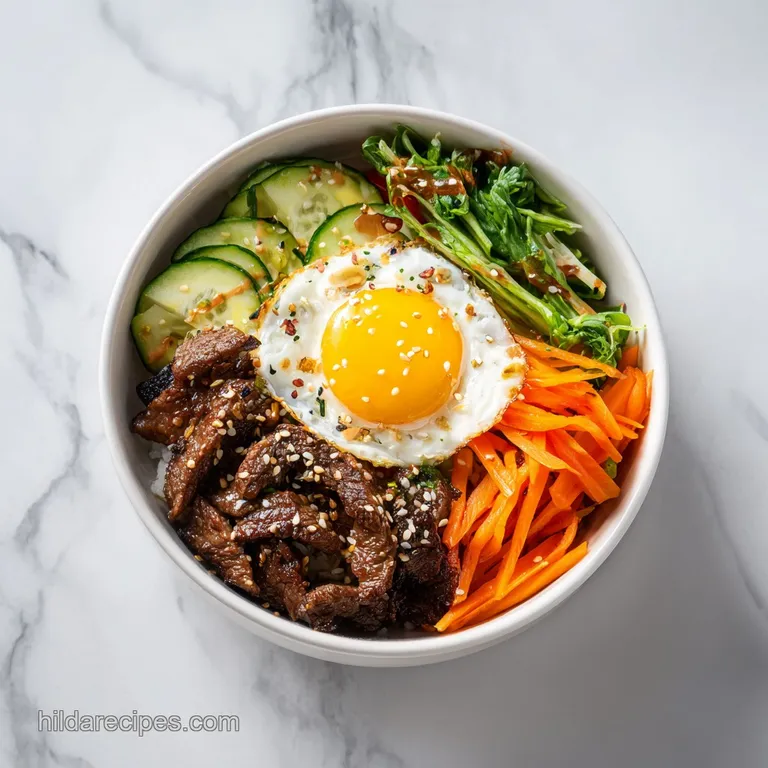
Let's get cooking. Follow these steps to build your bowl with intention.
- Marinate the beef. Mix the soy sauce, 1 tbsp honey, 1 tbsp sesame oil, garlic, and ginger in a bowl. Add the sliced sirloin and toss to coat. Note: Even 10 minutes of marinating makes a huge difference in flavor depth.
- Prepare the aioli. Whisk the avocado oil mayo, gochujang, rice vinegar, 1 tsp honey, and 0.5 tsp sesame oil until smooth. Set aside to let flavors meld.
- Sauté the zucchini. Heat a splash of oil in your skillet over medium high heat. Add zucchini half moons and cook for 3 minutes until golden on the edges but still firm.
- Flash cook the carrots. Add julienned carrots to the same pan for 2 minutes until slightly softened but still vibrant. Remove and set aside.
- Wilt the spinach. Toss the spinach into the pan with a tiny splash of water. Cook for 1 minute until just collapsed and bright green.
- Steam the bean sprouts. Briefly sauté the sprouts for 2 minutes until they become translucent but keep their crunch.
- Sear the sirloin. Crank the heat to high. Add the beef in a single layer. Cook for 2-3 minutes until a dark brown crust forms. Avoid stirring too much.
- Fry the eggs. In a separate non stick pan, fry the eggs sunny side up until the whites are set but the yolks are still liquid.
- Assemble the base. Divide the cooked brown rice into four bowls.
- Final assembly. Arrange the vegetables and beef in sections over the rice. Top each with an egg and a generous drizzle of the gochujang aioli.
Avoiding Common Cooking Blunders and Mistakes
Even the best of us have bad days in the kitchen. I remember one time I overcrowded the pan with beef and ended up with gray, boiled meat instead of crispy strips. It was a sad day for dinner, but a great lesson for my future self.
Why Your Beef Might Be Tough
If the meat feels chewy rather than tender, it usually comes down to the cut or the direction of the slice. Always slice against the grain those little lines in the meat. This breaks up the muscle fibers, making it much easier to chew.
Also, ensure your pan is screaming hot; if the beef sits in the pan too long at a low temp, it loses its moisture.
Solving Texture Issues
| Problem | Root Cause | Solution |
|---|---|---|
| Soggy vegetables | Cooking too many at once | Sauté each vegetable type separately to maintain their individual snap. |
| Broken aioli | Whisking too slowly | Add the gochujang to the mayo gradually while whisking vigorously. |
| Rice is sticky | Too much water | Rinse rice thoroughly before cooking to remove excess surface starch. |
Common Mistakes Checklist
- ✓ Never crowd the beef; work in batches if your pan is small to ensure a proper sear.
- ✓ Don't overcook the vegetables; they should provide a fresh contrast to the heavy meat.
- ✓ Keep your egg yolks runny; they act as a natural, silky sauce for the rice.
- ✓ Use low sodium soy sauce to control the saltiness; you can always add salt, but you can't take it away.
- ✓ Slice your carrots and zucchini into uniform sizes so they cook evenly in those few minutes.
Adjusting Portions for Family Gatherings
Scaling this recipe is quite simple because each bowl is assembled individually. If you're feeding a larger crowd, you can easily double the ingredients. Just remember that as you increase the volume, you must be careful not to crowd your pans.
- To scale down (1-2 servings): Use a smaller skillet and feel free to use just half an egg if you're watching calories, though a whole egg is much more satisfying.
- To scale up (8 servings): Cook the beef in three separate batches. If you try to do 2 lbs of steak at once, the temperature of the pan will drop, and you'll lose that "sizzle."
- Pro Tip for Crowds: You can roast the carrots and zucchini in the oven at 400°F (200°C) on a large sheet pan to save time, then just do the beef and eggs on the stovetop.
If you find yourself needing a great vegetable side to bulk out a larger meal, this Japanese Hibachi Zucchini recipe fits the flavor profile perfectly and scales very well.
Clearing Up Misunderstandings in the Kitchen
There are a few myths about bibimbap that I hear all the time. Let's set the record straight so you can cook with confidence.
- Myth: You must have a stone bowl (Dolsot) to make bibimbap. While the crispy rice from a hot stone bowl is amazing, a regular bowl works perfectly fine. The flavor comes from the ingredients and the sauce, not just the vessel.
- Myth: The vegetables must be raw. While some variations use raw greens, most traditional home cooked versions lightly sauté or blanch the vegetables to enhance their natural sweetness and make them easier to digest.
- Myth: Marinating for hours is better. Because the beef is sliced so thin, a long marinade can actually break down the proteins too much, making the meat mushy. 10 to 30 minutes is the "sweet spot" for this specific recipe.
Managing Your Leftovers and Meal Prep Success
This dish is a meal prepper's dream. The components stay fresh and can be combined right before you eat.
Storage Guidelines: Keep the beef, rice, and vegetables in separate airtight containers in the fridge. They will stay fresh for up to 4 days. I recommend storing the aioli in a small jar; it actually tastes better the next day as the flavors develop.
Freezing: The cooked beef and rice freeze well for up to 2 months. However, the sautéed vegetables and the aioli do not freeze well. The vegetables will become mushy, and the mayo in the aioli will separate.
Zero Waste Tip: Don't throw away the stems from your spinach or the ends of your carrots. Throw them into a freezer bag to make a vegetable stock later. If you have extra beef marinade, use it to sauté some mushrooms for another meal!
How to Serve Your Bowl for Maximum Impact
Presentation is half the fun with a korean beef bibimbap with gochujang aioli. I like to place the rice in the center and arrange the beef and colorful vegetables in a circle around the edge. It creates a beautiful rainbow effect that makes the meal feel like an event.
Once you've admired your work, the "traditional" way to eat it is to break the egg yolk and stir everything together. The aioli, the yolk, and the juices from the beef create a rich, unified sauce that coats every grain of rice. It might not look as pretty once it's mixed, but the flavor is incredible.
- Sweet
- Honey and caramelization on the beef.
- Savory
- Garlic, ginger, and soy sauce umami.
- Spicy
- The gentle kick from the gochujang aioli.
- Creamy
- The velvety texture of the avocado oil mayo.
- Fresh
- The crisp tender zucchini and carrots.
If you want X, do Y: If you want more crunch, press the cooked rice into a hot, oiled pan for 5 minutes before adding toppings. If you want a lighter meal, replace the brown rice with cauliflower rice or shredded cabbage.
If you want more heat, add a teaspoon of red chili flakes (gochugaru) to the beef marinade.
This recipe has been a staple in my home for generations, perfected over many Sunday dinners. I hope it brings as much comfort and joy to your table as it has to mine. Happy cooking!
High in Sodium
842 mg mg of sodium per serving (37% % of daily value)
American Heart Association recommends limiting sodium intake to about 2,300mg per day.
Sodium Reduction Tips for This Recipe:
-
Reduce Soy Sauce-25%
Soy sauce is a major contributor to sodium. Reduce the amount of low-sodium soy sauce by half (1 tbsp instead of 2 tbsp) or substitute with an even lower sodium alternative like coconut aminos for a significant sodium reduction.
-
Control Gochujang-20%
Gochujang can be quite salty. Start with half the amount (about ¾ tbsp) and add more to taste. Alternatively, create a custom spice blend using gochugaru (Korean chili flakes) for flavor with less sodium. Gochugaru is NOT the same as gochujang.
-
Skip the Aioli-15%
The avocado oil mayonnaise, rice vinegar, honey and sesame oil aioli contributes to the sodium. Consider omitting it entirely or using plain yogurt mixed with a touch of honey and sesame oil for a lower sodium alternative.
-
Marinade Alternative-10%
Instead of relying heavily on soy sauce for the steak marinade, experiment with sodium free seasonings like garlic powder, onion powder, black pepper, and a touch of lime juice for flavor.
-
Unsalted Rice-5%
Ensure the brown rice is cooked without added salt. Every little bit helps to lower the overall sodium content of the dish.
-
Fresh is Best-5%
Using fresh vegetables (spinach, carrot, zucchini, and bean sprouts) rather than canned or processed versions helps to control the sodium level, as canned or processed vegetables often contain added salt.
-
Flavor with Herbs
Enhance the flavor of the dish with fresh or dried herbs and spices like ginger, garlic, and pepper instead of relying solely on sodium rich ingredients. These add depth of flavor without increasing sodium intake.
Recipe FAQs
Can I substitute beef sirloin with flank steak in this recipe?
Yes, flank steak is an excellent substitute. Slice it very thinly against the grain, just like sirloin, ensuring you keep the marinade time under 30 minutes to prevent it from becoming too soft.
How to ensure the vegetables retain their crunch when cooking?
Cook vegetables separately over high heat in stages. Cook the hardier vegetables like carrots first, then the zucchini, and finally wilt the spinach briefly; this prevents moisture release from steaming everything together.
Is it true that the gochujang aioli must be made ahead of time?
No, you can make it while the beef marinates. Whisking the mayonnaise, gochujang, and seasonings together only takes about two minutes, though letting it sit for 15 minutes allows the spice flavors to meld better.
How to achieve the signature crispy rice without a traditional stone bowl?
Press cooked rice into a hot, oiled cast iron skillet for five minutes. Ensure the pan is very hot before adding the rice; this high heat transfer mimics the effect of the dolsot by creating a thin crust on the bottom layer.
What is the best way to prevent the thin sliced beef from turning gray?
Sear the beef in small batches over screaming high heat. If the pan is overcrowded, the temperature drops, causing the meat to steam rather than sear, which prevents the essential Maillard reaction crust from forming.
If I don't have gochujang, can I use sriracha in the aioli?
No, sriracha will change the flavor profile significantly. Sriracha lacks the fermented depth of gochujang; for a closer substitute, try mixing plain tomato paste with a touch of brown sugar, though the flavor won't be identical.
How do you ensure the sauce thickens properly when stir frying the beef marinade?
Reduce the leftover marinade slightly before combining it with the beef. After removing the marinated strips, briefly simmer the remaining liquid in the pan until it coats the back of a spoon, which ensures the sugars and soy sauce reduce and glaze the meat instead of remaining watery.
Beef Bibimbap With Gochujang Aioli
Ingredients:
Instructions:
Nutrition Facts:
| Calories | 678 kcal |
|---|---|
| Protein | 35.6 g |
| Fat | 38.2 g |
| Carbs | 49.5 g |
| Fiber | 5.2 g |
| Sugar | 12.8 g |
| Sodium | 842 mg |
