Sauteed Baguio Beans Recipe: Charred Umami
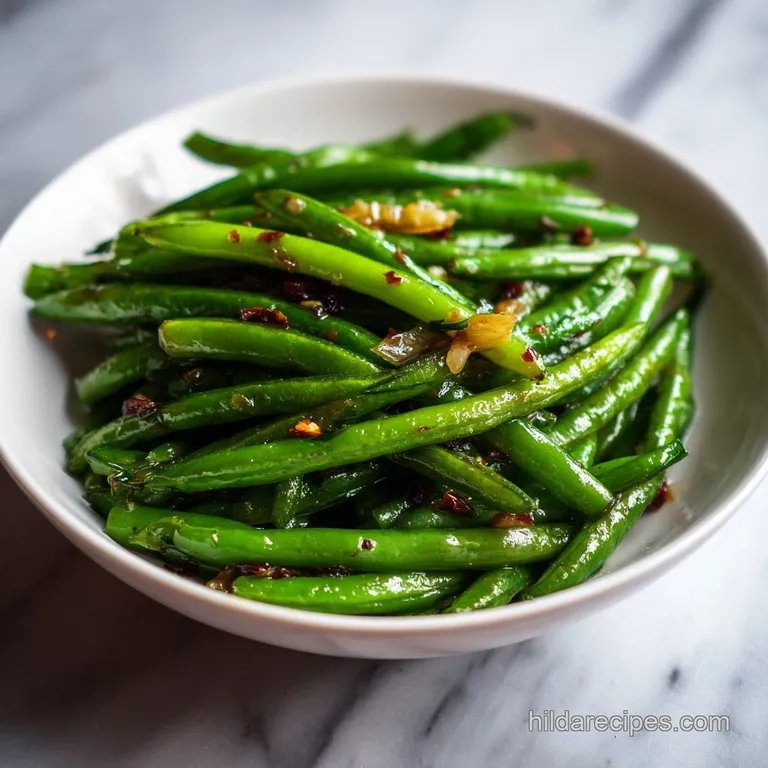
- Time: Active 10 minutes, Passive 8 minutes, Total 18 minutes
- Flavor/Texture Hook: Snappy, charred, and umami rich
- Perfect for: Quick weeknight dinners or a traditional Sunday family feast
- The Ultimate Sauteed Baguio Beans Recipe
- Building Layers of Savory Comfort
- Essential Specs for Kitchen Success
- Gathering Your Fresh Garden Components
- The Right Tools for Searing
- Mastering the Multi Stage Sizzle
- Solutions for Crispy Green Success
- Creative Ways to Customize Flavors
- Resizing for Your Family
- Debunking Kitchen Legends
- Preserving Every Single Savory Bite
- Completing the Perfect Family Meal
- Recipe FAQs
- 📝 Recipe Card
The Ultimate Sauteed Baguio Beans Recipe
There is a specific sound that takes me right back to my grandmother’s kitchen every single time: the rhythmic snap, snap, snap of fresh Baguio beans being trimmed over a newspaper lined table.
I remember sitting there as a kid, trying to match her speed, while the air filled with that grassy, clean scent of broken stems. It wasn't just prep; it was a ritual of patience before the real magic happened at the stove.
The real magic, however, was the smell of garlic hitting the hot oil. That first sharp, sulfurous aroma quickly mellows into something sweet and golden, signaling that dinner is only minutes away. When the beans finally hit the pan, it’s a chorus of crackling and popping.
I’ve tried making these a dozen different ways over the years, but I always come back to this specific method because it honors the way she built flavor layer by layer, never rushing the browning of the pork or the softening of the onions.
Building Layers of Savory Comfort
This dish works because it respects the structural integrity of the bean while aggressively seasoning the exterior. We aren't just boiling vegetables here; we are using over high heat physics to create a flavorful crust while keeping the interior juicy. This is the same principle I use when preparing a Top Sirloin Steak recipe to ensure a beautiful sear without overcooking the center.
The Snap Science: Baguio beans contain pectin which stays firm under quick, high heat but collapses into mush during long boiling. By sauteing rapidly, we keep that cellular structure intact for a satisfying "shatter" when you bite.
Pork Fat Infusion: The small amount of pork tenderloin isn't just for protein; it renders out just enough fat to coat the beans, acting as a bridge for the fat soluble aromatics like ginger and garlic.
Umami Adhesion: Oyster sauce and soy sauce contain natural sugars that caramelize instantly on the hot surface of the beans, creating a tacky, savory glaze rather than a watery soup.
Maillard Magic: Thinly slicing the red onions allows them to brown and sweeten in under three minutes, providing a jammy contrast to the snappy greens.
Comparison of Cooking Methods
| Method | Time | Texture Result | Best For |
|---|---|---|---|
| Stovetop Sizzle | 8 minutes | Crispy, charred, snappy | High flavor, quick meals |
| Oven Roasting | 20 minutes | Shriveled, sweet, tender | Hands off bulk cooking |
| Steam & Toss | 6 minutes | Soft, bright green, mild | Health focused, low-fat |
Choosing the stovetop method allows you to control the exact second the beans reach that vibrant, emerald green stage before they turn a dull olive. It’s all about watching the color change and listening to the pan. If the sizzle dies down, your pan is too crowded, and you're steaming instead of searing.
Essential Specs for Kitchen Success
Precision is the difference between a soggy side dish and a perfected family favorite. I’ve learned the hard way that "eye balling" the heat often leads to burnt garlic, which ruins the entire batch with bitterness.
We want the heat high enough to blister the bean skin but controlled enough to keep the ginger from turning into charcoal.
| Component | Science Role | Pro Secret |
|---|---|---|
| Baguio Beans | Structural Base | Dry them completely; water is the enemy of a good sear. |
| Oyster Sauce | Thickener & Glaze | Adds glutamates for "meatiness" without needing much salt. |
| Sesame Oil | Aromatic Finish | Use at the end to prevent the delicate oil from smoking. |
For those who want to experiment with different textures, I sometimes pair this with a Lemon Caper Butter recipe if I'm skipping the soy and oyster sauce for a more Western style meal. The acidity of the capers cuts through the natural sweetness of the beans beautifully.
Gathering Your Fresh Garden Components
When you’re at the market, look for beans that are firm enough to snap cleanly in half. If they bend like rubber, they’re old and will be stringy no matter how long you cook them. This sauteed baguio beans recipe lives and dies by the freshness of the produce.
- 500g Fresh Baguio Beans (Green Beans): Trimmed and washed. Why this? Baguio beans are typically slimmer and more tender than standard pole beans.
- 100g Pork Tenderloin: Thinly sliced across the grain. Why this? Adds a savory chew and essential fats to the pan.
- 5 cloves Garlic: Minced finely. Why this? Essential for that classic "Ginisang" flavor profile.
- 1 medium Red Onion: Sliced thin for quick caramelization.
- 1 inch Ginger: Julienned into matchsticks.
- 2 tbsp Neutral Oil: Such as canola or grapeseed.
- 1 tbsp Sesame Oil: To be added at the very end.
- 3 tbsp Oyster Sauce: The primary seasoning and glaze agent.
- 1 tbsp Soy Sauce: For depth and saltiness.
- 1 tsp Brown Sugar: Balances the salt and helps with browning.
- 2 tbsp Water or Chicken Stock: To deglaze and create the sauce.
- 0.5 tsp Black Pepper: Freshly cracked for a bit of heat.
| Original Ingredient | Substitute | Why It Works |
|---|---|---|
| Pork Tenderloin | Firm Tofu (cubed) | Provides protein texture. Note: Sear tofu first until crispy before adding beans. |
| Oyster Sauce | Mushroom Sauce | Keeps the umami profile vegan/vegetarian friendly. |
| Brown Sugar | Honey or Maple | Similar sweetness. Note: Honey burns faster, so watch your heat. |
The Right Tools for Searing
You don't need a professional kitchen, but a heavy bottomed pan is non negotiable. A cast iron skillet or a traditional carbon steel wok is the gold standard here. These materials hold heat exceptionally well, which prevents the temperature from dropping when you add the cold beans.
If you use a thin, cheap pan, the beans will release their moisture, the temperature will plummet, and you’ll end up with a watery mess.
I also recommend a pair of long kitchen tongs rather than a spatula. Tongs allow you to toss the beans more effectively, ensuring every side hits the hot metal. This ensures that "blistered" look that makes the dish so visually appealing.
Also, keep a small bowl ready for your pre mixed sauce; in a fast saute, you don't have time to measure ingredients over the steam.
Mastering the Multi Stage Sizzle
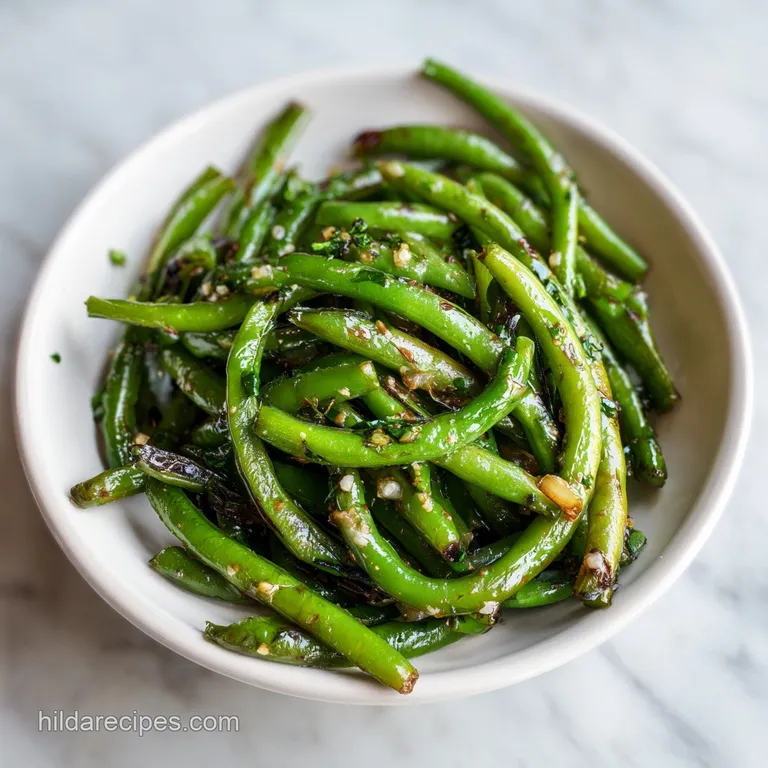
This is where we build the flavor layers. Don't rush these steps; the smell in your kitchen will tell you exactly when to move to the next phase.
- Prep the beans. Trim the ends of the 500g Baguio beans and cut them into 2 inch lengths if they are very long. Dry them thoroughly with a clean towel.
- Sear the pork. Heat 2 tbsp neutral oil in a large skillet over medium high heat. Add the 100g sliced pork until browned and slightly crispy at the edges.
- Sauté the aromatics. Push the pork to one side. Add the 1 medium sliced red onion, 5 cloves minced garlic, and 1 inch julienned ginger. Cook for 2 minutes until the garlic is fragrant and golden.
- Flash cook the beans. Turn the heat to high. Toss in the beans and stir fry for 3 minutes until they turn bright green and show small charred spots.
- Create the glaze. Whisk the 3 tbsp oyster sauce, 1 tbsp soy sauce, 1 tsp brown sugar, and 2 tbsp water together in a small bowl.
- Deglaze the pan. Pour the sauce mixture over the beans. Note: The liquid will hiss and steam, loosening any flavorful bits stuck to the bottom.
- Emulsify the sauce. Toss constantly for 2 minutes until the sauce thickens and coats every bean in a velvety sheen.
- Final seasoning. Sprinkle in 0.5 tsp black pepper and drizzle with 1 tbsp sesame oil.
- Rest and serve. Remove from heat immediately. Note: Carryover heat will continue to cook the beans, so don't leave them in the hot pan too long.
Chef's Tip: To get that professional "blistered" look without overcooking, freeze your trimmed beans for 15 minutes before they hit the pan. The extreme temperature difference creates more steam inside the bean, puffing the skin slightly so it chars faster.
Solutions for Crispy Green Success
Even a simple dish can go sideways. The most common issue people have with this beans recipe is the texture either it's too tough or it's a pile of mush. Often, the culprit is the "crowded pan" syndrome.
Solving the "Soggy Bean" Syndrome
If your beans look dull and are sitting in a pool of liquid, your pan wasn't hot enough or you added too many beans at once. The moisture escaping the beans needs to evaporate instantly. If it doesn't, it collects and boils the vegetables.
To fix this next time, cook in two batches if your pan is smaller than 12 inches.
| Problem | Root Cause | Solution |
|---|---|---|
| Bitter Aftertaste | Burnt Garlic | Add garlic after the pork has rendered its fat and lowered the pan temp slightly. |
| Tough/Stringy Beans | Old Produce | Remove the "string" along the side of the bean during prep if using older stock. |
| Thin, Watery Sauce | Too much liquid | Mix 1/2 tsp cornstarch into your sauce before adding it to the pan. |
Common Mistakes Checklist
- ✓ Never cover the pan with a lid; this traps steam and turns the beans grey.
- ✓ Avoid using low sodium soy sauce if you aren't adding extra salt elsewhere; the flavor will fall flat.
- ✓ Ensure the ginger is julienned very thin so it softens; nobody wants to bite into a woody chunk of raw ginger.
- ✓ Don't skip the sugar; it’s the key to the Maillard reaction that gives the glaze its "stick to the bean" quality.
- ✓ Pat the pork dry before slicing; wet meat will steam rather than sear.
Creative Ways to Customize Flavors
While the pork and oyster sauce version is my absolute favorite, my family often asks for variations depending on what’s in the pantry. This dish is incredibly flexible. If you're looking for something heartier, you can even serve these alongside an Instant Pot Pinto recipe for a bean heavy feast that covers all the texture bases.
Sauteed Baguio Beans Recipe with Bacon
Swap the pork tenderloin for 3 strips of thick cut bacon. Render the bacon first until it's "shatter crisp," then remove the bits and cook the beans in the rendered bacon fat. This adds a smoky depth that is absolutely addictive. Add the crispy bacon back in just before serving to maintain the crunch.
Sauteed Baguio Beans Recipe with Almonds
For a vegetarian "Amandine" twist with an Asian flare, omit the pork and add 1/4 cup of toasted slivered almonds at the very end. The nuttiness of the almonds complements the sesame oil and provides a different kind of "crunch" compared to the snap of the bean.
Ginisang Baguio Beans Asian Style
If you want to lean harder into the "Panlasang Pinoy" style, add a diced tomato during the aromatic stage. The acidity of the tomato breaks down and creates a thicker, slightly tangy sauce that is traditional in many Filipino households.
Resizing for Your Family
Adjusting this recipe is straightforward as long as you keep the pan size in mind.
- To Scale Down (1-2 People): Use a smaller 8 inch skillet. Keep the aromatics (garlic/ginger) at the original amount because they provide the baseline flavor. Reduce the liquids by half, but keep the sugar at 1 tsp to ensure caramelization.
- To Scale Up (8+ People): Do not double the recipe in one pan. Work in two separate batches. If you try to cook 1kg of beans in one skillet, they will never sear. For the spices, use 1.5x the amount instead of 2x to avoid over seasoning.
- For Meal Prep: Under cook the beans by about 1 minute. When you reheat them later, they will finish cooking without becoming mushy.
| Servings | Baguio Beans | Pork Weight | Pan Size |
|---|---|---|---|
| 2 People | 250g | 50g | 8-10 inch |
| 4 People | 500g | 100g | 12 inch / Wok |
| 6 People | 750g | 150g | 14 inch / Batch cook |
Debunking Kitchen Legends
Myth: You must blanch green beans before sauteing. Actually, for Baguio beans, blanching often leads to a waterlogged interior. Sauteing from raw allows the high heat to blister the skin while the inside steams in its own juices, resulting in a much more concentrated flavor and a superior snap.
Myth: Adding baking soda keeps them green. While baking soda does preserve chlorophyll, it also breaks down the hemicellulose in the plant cell walls. This results in "mushy soft" beans that lose their characteristic crunch. High heat and a quick cook time are the natural ways to keep them bright.
Preserving Every Single Savory Bite
If you happen to have leftovers which is rare in my house this dish stores surprisingly well. However, the texture will change slightly as the beans absorb the sauce over time.
Storage: Place leftovers in an airtight glass container. They will stay fresh in the fridge for up to 3 days. I don't recommend freezing the cooked dish, as the beans will lose their structural integrity and become watery upon thawing.
Reheating: For the best results, avoid the microwave. Toss the beans back into a hot, dry skillet for 2 minutes. This will re crisp the pork and tighten the glaze. If the sauce has thickened too much, add a teaspoon of water to loosen it up.
Zero Waste Tip: Don't throw away those bean trimmings! If you have a bag of vegetable scraps in the freezer for stock, toss the ends in there. They add a subtle, earthy sweetness to homemade chicken or vegetable broth.
Also, if you have leftover sauce at the bottom of the pan, toss in a scoop of cold rice to make a quick "umami fried rice."
Completing the Perfect Family Meal
This sauteed baguio beans recipe is the ultimate team player. In a traditional setting, it’s almost always served with a mountain of fluffy white jasmine rice. The sauce is so flavorful that it seasons the rice perfectly.
If you're looking for a complete menu, try serving this alongside a grilled fish or a crispy pork belly (Lechon Kawali). The brightness of the green beans cuts through the richness of fried meats beautifully. For a Western fusion, it’s a brilliant side for a roast chicken.
Honestly, sometimes I just eat a large bowl of these beans on their own for lunch they are that satisfying.
If you're planning a larger brunch, you could even serve these as a side to a Croissant Breakfast Pie recipe. The savory, garlicky beans provide a great counterpoint to the buttery, flaky pastry of the pie. No matter how you serve it, the key is the "snap" once you master that, you've mastered the dish.
Recipe FAQs
Do you have to boil green beans before sautéing them?
No, for optimal texture. Blanching or boiling often leads to waterlogged interiors; skip this step to achieve a superior snap by searing the raw beans over high, dry heat.
How do restaurants make green beans taste so good?
They use high heat searing and umami building. Restaurants char the exterior aggressively to develop flavor through the Maillard reaction and use ingredients like oyster sauce to create a savory glaze.
How do you keep green beans crisp when sautéing?
Ensure the pan is extremely hot and not crowded. High heat evaporates moisture instantly, searing the outside while the interior stays crisp; overcrowding steams the beans, making them soft.
What's the best oil for sauteed green beans?
Use a neutral, high smoke point oil first, like canola or grapeseed. Use aromatic oils, such as sesame oil, only at the very end of cooking to preserve their delicate flavor.
Is it true that adding baking soda preserves the bright green color?
No, this is a common misconception that ruins texture. While baking soda keeps the color bright, it breaks down the bean's cell walls, leading to an undesirable mushy softness.
How do I avoid a watery sauce when adding the glaze?
Reduce the liquid slightly and increase the heat when adding the sauce. Ensure the sauce mixture itself has enough sugar (like brown sugar) to caramelize quickly and coat the beans into a glaze rather than a thin liquid.
What is the essential first step for perfectly seared Baguio beans?
Dry the beans completely before they touch the oil. Water is the enemy of a good sear; thoroughly towel drying them prevents the temperature from dropping when they hit the hot pan.
Baguio Beans Recipe Seared
Ingredients:
Instructions:
Nutrition Facts:
| Calories | 194 calories |
|---|---|
| Protein | 8.7g |
| Fat | 11.4g |
| Carbs | 14.8g |
| Fiber | 3.4g |
| Sugar | 5.2g |
| Sodium | 612mg |
