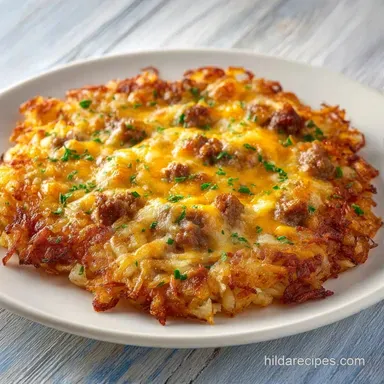
Sheet Pan Breakfast Casserole: Crispy and Savory
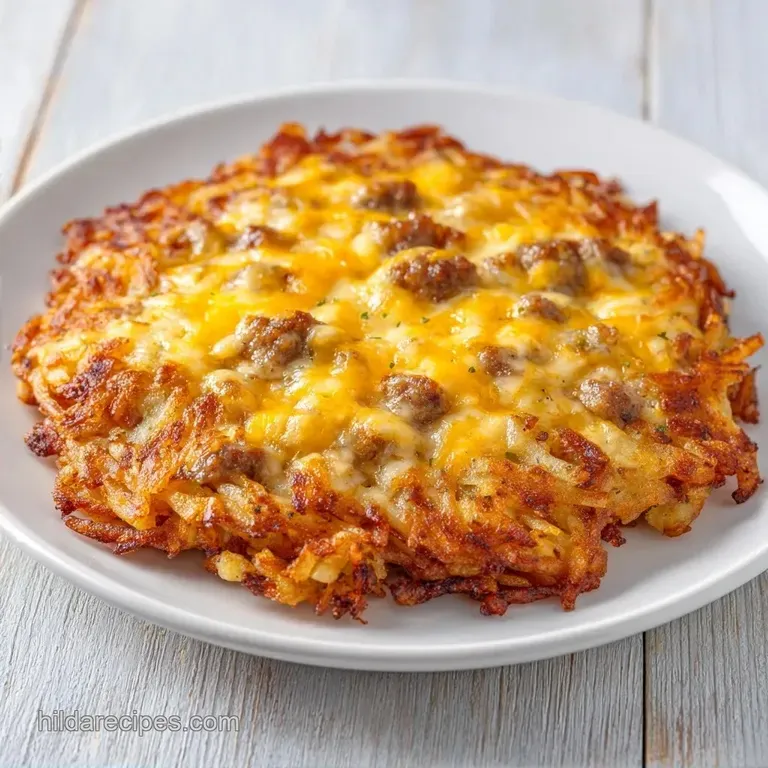
- Time: 10 min active + 60 min cooking
- Flavor/Texture Hook: Crispy potato base with a velvety egg topping
- Perfect for: Holiday brunches, meal prep, or feeding a hungry family
- Sheet Pan Breakfast Casserole
- How to Get it Right
- The Recipe Specs
- Gathering All Your Ingredients
- Necessary Kitchen Tools
- Step-by-Step Cooking Guide
- Avoiding Common Cooking Mistakes
- Troubleshooting Common Issues
- Fun Flavor Variations
- Storing and Reheating Tips
- Best Brunch Pairings
- High in Sodium
- Recipe FAQs
- 📝 Recipe Card
Sheet Pan Breakfast Casserole
Ever wondered why brunch at a restaurant feels so relaxed while doing it at home feels like a workout? For me, the struggle was always the stove. I remember one Christmas morning where I tried to make individual hash brown nests and scrambled eggs for eight people.
By the time the last plate hit the table, the first few were cold, and I was sweating over a grease splattered burner. I wanted the comfort of a traditional bake but hated the thick, soggy middle you sometimes get with deep dish casseroles.
That's when I started using a rimmed baking sheet. The increased surface area means the heat hits the potatoes and eggs more evenly, giving you those crispy edges that usually only happen in a skillet.
This Sheet Pan Breakfast Casserole takes all those classic morning flavors savory sausage, sharp cheddar, and fluffy eggs and spreads them out so every single square gets the same amount of golden brown goodness.
You can expect a dish that smells like a diner in the best way possible. The aroma of browned butter and garlic hits you first, followed by the salty, peppery scent of sausage as it bakes.
It's the kind of meal that makes the whole house smell like a cozy Sunday morning, even if you're actually prepping it for a hectic Monday.
How to Get it Right
The secret to this recipe isn't some fancy technique, it's just about managing how the heat interacts with the different layers. Most people make the mistake of throwing everything in at once, which results in a steamed potato mess.
Fat to Starch Ratio: Coating the frozen potatoes in melted butter creates a barrier. This prevents the potatoes from absorbing too much egg, keeping the bottom crust firm and crisp.
Temperature Staging: We start high at 400°F to roast the potatoes and then drop to 375°F for the eggs. Eggs overcook quickly and become rubbery, so lowering the heat ensures they stay tender.
Protein Pre Cooking: Browning the sausage beforehand removes excess grease. If you put raw sausage on the pan, the fat would leak into the potatoes, making the crust soggy instead of shatter crisp.
Air Circulation: Using a rimmed sheet pan allows steam to escape more easily than a deep 9x13 pan. This is why the eggs set into a matte finish rather than a watery pudding.
| Method | Prep Time | Texture | Best For |
|---|---|---|---|
| Stovetop Skillet | 20 mins | Crispy bottom, soft top | 2-3 people |
| Sheet Pan Oven | 10 mins | Uniformly crisp, fluffy | 8+ people |
| Deep Dish Bake | 15 mins | Dense, moist, soft | Overnight prep |
The Recipe Specs
When you're planning your morning, it helps to know exactly where your time is going. This recipe is designed for efficiency. You spend very little time actually working and most of the time just letting the oven do the heavy lifting.
The 10 minutes of prep is mostly tossing potatoes and whisking eggs. The 60 minutes of cook time is split between the crust and the filling. Because the eggs are spread thin on a sheet pan, they cook much faster than in a traditional casserole, which usually takes over an hour just for the center to set.
Gathering All Your Ingredients
I've found that having everything measured out before you turn on the oven prevents the "where is the salt?" panic. For the potatoes, frozen shredded hash browns are the way to go. They have a consistent moisture level that makes the crust predictable.
If you're looking for a different protein, you can easily swap the sausage. Just make sure whatever you use is cooked through and drained of excess oil. According to the USDA FoodData Central, different breakfast sausages vary in fat content, so draining is non negotiable here to avoid a greasy pan.
Component Analysis
| Ingredient | Science Role | Pro Secret |
|---|---|---|
| Frozen Hash Browns | Structural Base | Don't thaw them; toss them frozen for better crisp |
| Whole Milk | Protein Tenderizer | Adds fat to eggs to prevent "weeping" or leaking |
| Sharp Cheddar | Flavor & Seal | Acts as a moisture barrier between potatoes and eggs |
| Large Eggs | Binding Agent | Whisk until frothy to incorporate air for lift |
Ingredients and Substitutes
- 30 oz frozen shredded hash browns Why this? Consistent texture for the crust (Sub: Frozen diced potatoes, though less crisp)
- 3 tbsp melted unsalted butter Why this? Conducts heat for browning (Sub: Olive oil for a lighter taste)
- 1/2 tsp garlic powder Why this? Depth of flavor (Sub: 2 cloves minced fresh garlic)
- 1 tsp salt (for potatoes)
- 1 lb breakfast sausage, cooked and crumbled Why this? Savory, salty protein (Sub: Ground turkey with sage and pepper)
- 2 cups shredded sharp cheddar cheese Why this? High meltability and punchy flavor (Sub: Pepper Jack for a spicy kick)
- 1 cup diced bell peppers Why this? Freshness and color (Sub: Diced zucchini)
- 1/2 cup diced yellow onion Why this? Aromatic base (Sub: Shallots for a milder taste)
- 12 large eggs Why this? Volume and structure (Sub: 1.5 cups liquid egg whites for lower fat)
- 1/2 cup whole milk Why this? Creates a velvety texture (Sub: Heavy cream for extra richness)
- 1 tsp black pepper
- 1 tsp salt (for eggs)
Necessary Kitchen Tools
You don't need a professional kitchen for this, but a few specific tools make it a lot easier. The most important piece is a 18x13 inch rimmed baking sheet. If you use one without a rim, your egg mixture will end up all over the bottom of your oven.
I always use parchment paper. It's not just about the cleanup, it's about the release. Without it, the potato crust can stick to the corners, and you'll end up scrubbing the pan for twenty minutes. A large mixing bowl and a sturdy whisk are the only other essentials.
Step-by-step Cooking Guide
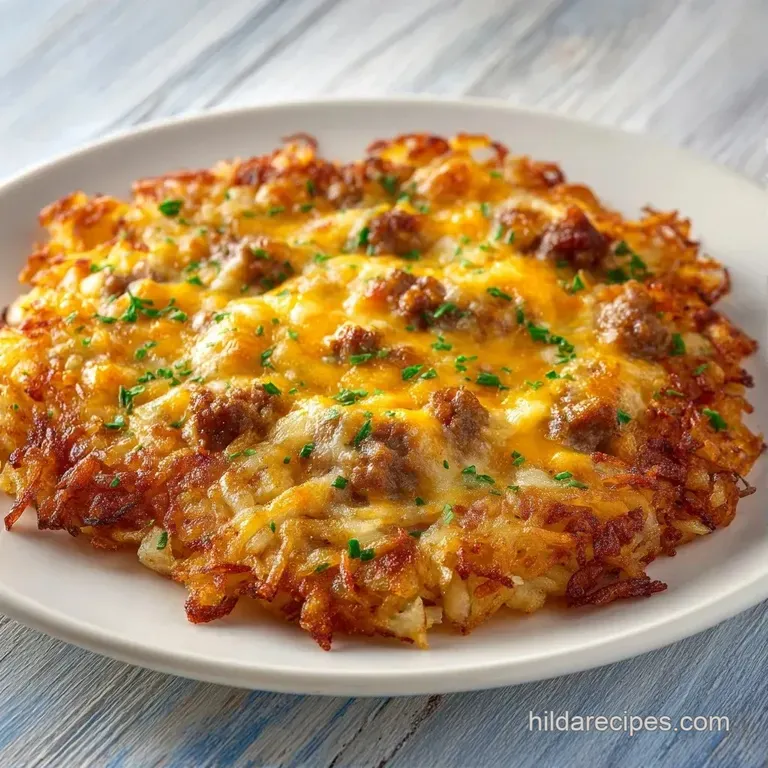
Right then, let's get into the actual cooking. Follow these steps, and keep an eye on those sensory cues to know you're on the right track.
- Preheat your oven to 400°F (200°C) and line your 18x13 inch rimmed baking sheet with parchment paper.
- Toss the frozen shredded hash browns with melted unsalted butter, garlic powder, and 1 tsp salt in a bowl. Note: Ensure every strand is coated in butter.
- Press the potato mixture firmly and evenly into the bottom of the prepared baking sheet.
- Bake the potato crust for 20-25 minutes until the edges are golden brown and the base feels firm when pressed.
- Remove the pan from the oven. Evenly scatter the cooked crumbled sausage, diced bell peppers, and diced yellow onion over the crust.
- Top the meat and vegetables with shredded sharp cheddar cheese, making sure there are no large gaps.
- Lower the oven temperature to 375°F (190°C). Note: This prevents the eggs from toughening.
- In a large mixing bowl, whisk together the 12 eggs, whole milk, black pepper, and 1 tsp salt until the mixture is uniform and slightly frothy.
- Carefully pour the egg mixture over the cheese and meat layers.
- Bake for 20-25 minutes until the center is no longer jiggly and the top has a soft, matte finish.
Chef's Note: If you want an even crispier bottom, you can spray the parchment paper with a little bit of non stick spray before adding the potatoes.
Avoiding Common Cooking Mistakes
Even with a simple recipe, things can go sideways. The most common issue I see is a "soggy bottom." This usually happens if the potatoes weren't pressed firmly enough or if they weren't baked long enough before the eggs were added.
Troubleshooting Common Issues
| Issue | Solution |
|---|---|
| Why Your Crust Is Soggy | If the potatoes feel soft rather than crisp, you likely added the eggs too early. |
| Why the Eggs Are Rubbery | Overcooking eggs is a quick way to ruin the texture. If the top is browning too fast or the eggs are puffing up like a balloon, your oven might be running hot. |
| Why the Filling Is Uneven | If you just dump the sausage and veg in one spot, you'll get some bites with everything and some with nothing. Use a spoon to spread the ingredients to the very edges of the pan. |
Common Mistakes Checklist
- ✓ Did you pre cook and drain the sausage?
- ✓ Is the oven temperature lowered before adding eggs?
- ✓ Did you press the hash browns firmly into the pan?
- ✓ Is the parchment paper securely in place?
- ✓ Did you whisk the eggs until frothy?
Fun Flavor Variations
Once you've got the basic Sheet Pan Breakfast Casserole down, you can really play around with the fillings. I often change the ingredients based on what's in my fridge.
The Southwest Twist
Swap the cheddar for Pepper Jack and add a can of drained black beans and some diced jalapeños. After baking, top it with fresh cilantro and a drizzle of lime crema. It's a fantastic way to brighten up the heavy flavors.
The Garden Swap
For a vegetarian version, skip the sausage and double up on the vegetables. I love using sautéed spinach, mushrooms, and sun dried tomatoes. If you miss the savoriness of the meat, add a pinch of smoked paprika to the egg mixture.
The Country Style
Instead of bell peppers, use diced ham and add a handful of sautéed leeks. This pairs wonderfully with a side of my Sausage Balls recipe if you're hosting a larger brunch party.
Storing and Reheating Tips
If you have leftovers, they actually keep quite well. I usually store the remaining squares in an airtight container in the fridge for up to 4 days.
Fridge and Freezer
To freeze, let the casserole cool completely, then slice it into squares. Wrap each square individually in foil and place them in a freezer bag. They'll stay good for about 2 months.
The Best Way to Reheat
Avoid the microwave if you can, as it can make the eggs rubbery and the potatoes soft. Instead, pop the squares back into a toaster oven or a regular oven at 350°F (175°C) for about 10 minutes. This brings back the crispness of the base.
Zero Waste Tips
Don't throw away the ends of your bell peppers or onions. I usually chop them up and freeze them in a small bag to use as a base for a vegetable soup later in the week.
Best Brunch Pairings
A savory bake like this needs a little balance on the plate. I find that something acidic or fresh cuts through the richness of the cheese and sausage.
A simple arugula salad with a lemon vinaigrette is a great choice. If you want something more substantial, a side of fresh seasonal fruit, like sliced melon or berries, provides a sweet contrast that cleanses the palate. For those who love a full spread, a side of Macaroni Salad adds a creamy, tangy element that works surprisingly well with breakfast proteins.
Right then, you're all set. This Sheet Pan Breakfast Casserole is all about taking the stress out of the morning so you can actually enjoy your coffee while the oven does the work. Trust me, your guests (and your sanity) will thank you.
High in Sodium
840 mg 840 mg of sodium per serving (37% 37% of daily value)
The American Heart Association recommends a daily limit of 2,300 mg of sodium to lower the risk of high blood pressure and heart disease.
Tips to Reduce Sodium in Your Breakfast Casserole
-
Swap the Sausage-25%
Replace the processed breakfast sausage with lean ground turkey or chicken seasoned with sage and cracked black pepper.
-
Eliminate Added Salt-25%
Omit the 2 teaspoons of added salt entirely; the cheese and other seasonings provide enough flavor.
-
Fresh Hash Browns-20%
Use freshly grated potatoes instead of frozen shredded hash browns to avoid the hidden sodium used in processing.
-
Moderate the Cheese-15%
Reduce the cheddar to 1 cup or use a Swiss cheese, which naturally contains less sodium than sharp cheddar.
-
Enhance with Aromatics
Add smoked paprika, fresh chopped parsley, or diced jalapeños to boost flavor without increasing sodium.
Recipe FAQs
What's the best breakfast to cook for a crowd?
This Sheet Pan Breakfast Casserole. It serves 8 people from a single pan, significantly reducing cleanup compared to making individual portions.
Can I make a breakfast casserole the night before?
Yes, you can prep the filling. Brown the sausage and dice the bell peppers and onion in advance, but wait to whisk the eggs and bake until the morning of.
How to cook a scrambled egg casserole recipe in an oven?
Bake the potato crust at 400°F for 20–25 minutes first. Add your fillings, lower the heat to 375°F, and bake the egg mixture for another 20–25 minutes until set.
Is it true that adding eggs to raw potatoes creates the best crust?
No, this is a common misconception. Adding eggs too early leads to a soggy base; you must pre-bake the hash browns to ensure they are firm and golden.
What is a good egg casserole dish to make for the family?
A sheet pan hash brown and sausage bake. It combines savory breakfast sausage, melted sharp cheddar, and fluffy eggs into a single, sliceable meal.
How to avoid rubbery eggs in a casserole?
Remove the pan when the center is just set. Look for a soft, matte finish and a center that is no longer jiggly to prevent overcooking.
What are some good make-ahead breakfast recipes?
Prep the sausage and vegetables for this casserole. If you enjoy the ease of oven-baked breakfasts, see how similar timing precision works in these rhubarb muffins.
Sheet Pan Breakfast Casserole: Crispy