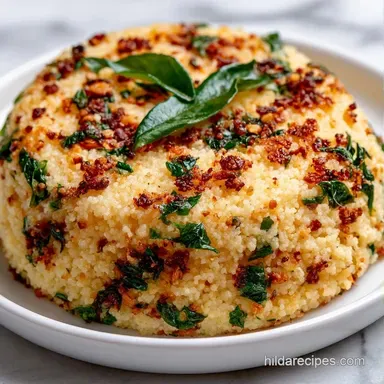
Fluffy Restaurant-Style Semolina Upma Recipe
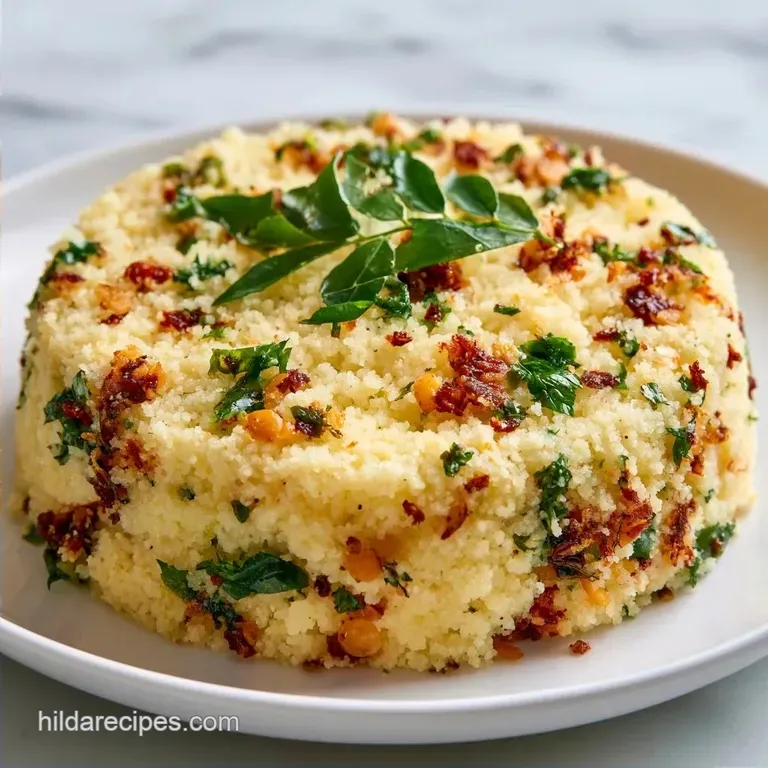
- Time: 5 min active + 15 min cooking
- Flavor/Texture Hook: Nutty, savory, and fluffy with crunchy cashews
- Perfect for: A warm, filling weekday breakfast or a quick brunch
- Semolina Upma Recipe
- How to Get the Texture
- The Basic Recipe Specs
- Essential Ingredients and Swaps
- The Right Kitchen Tools
- Step by Step Cooking Guide
- Fixing Common Upma Problems
- Troubleshooting Common Issues
- Customizing Your Upma Bowl
- Adjusting the Batch Size
- Debunking Upma Myths
- Storage and Waste Tips
- Serving Suggestions
- Recipe FAQs
- 📝 Recipe Card
Semolina Upma Recipe
Ever wondered why some home cooked upma feels like a thick, heavy porridge while the restaurant version stays light and fluffy? I used to have the same problem. My first few tries were basically savory glue, and I couldn't figure out where I was going wrong.
It turns out the difference isn't in the ingredients, but in how the grains handle the heat. This Semolina Upma Recipe relies on a specific roasting process that changes the structure of the semolina. When you get that nutty smell, you know the grains are ready to absorb water without clumping together.
You can expect a dish that hits all the notes: the pop of mustard seeds, the warmth of ginger, and the brightness of lemon. It's a comforting bowl of warmth that takes very little time to put together.
How to Get the Texture
The way this dish comes together depends on two main things: the roast and the pour. If you skip the roast, the semolina absorbs water too quickly and turns into a mass. If you dump the semolina in all at once, you'll find lumps of raw flour in your breakfast.
The Toast: Roasting the semolina for a few minutes dries out the surface of the grain. This prevents them from sticking together the moment they hit the boiling water.
The Stream: Adding the roasted grains in a thin, steady stream while stirring keeps the mixture airy. It allows the water to coat every single grain evenly.
According to the guides at Serious Eats, roasting grains or nuts before adding them to a liquid deepens the flavor profile through browning. This is exactly why the toasted aroma is the signal to move to the next step.
| Method | Time | Texture | Best For |
|---|---|---|---|
| Stovetop | 20 mins | Fluffy & Airy | Daily breakfast |
| Pressure Cooker | 12 mins | Soft & Dense | Very rushed mornings |
The Basic Recipe Specs
Each part of this dish has a job to do. The fats carry the flavor of the spices, and the vegetables add a necessary crunch to break up the softness of the semolina.
What Each Ingredient Does
| Ingredient | What It Does | Best Swap |
|---|---|---|
| Semolina | Provides the hearty, grainy base | Coarse cornmeal (changes flavor) |
| Ghee | Adds a rich, nutty fat for frying | Vegetable oil (neutral taste) |
| Curry Leaves | Adds a distinct, citrusy aroma | Small amount of spinach |
| Lemon Juice | Cuts through the richness of the ghee | Lime juice |
Essential Ingredients and Swaps
For this Semolina Upma Recipe, I use specific measurements to keep the ratio of water to grain exactly right. Too much water leads to a mushy result.
- 1.5 cups (270g) semolina Why this? Coarse semolina stays fluffier than fine
- 2 tbsp (30ml) ghee (Substitute: Unsalted butter)
- 1 tsp (5g) mustard seeds (Substitute: Cumin seeds)
- 1 tsp (5g) urad dal (Substitute: Split yellow peas)
- 1 tsp (5g) cumin seeds (Substitute: Celery seeds)
- 12 fresh curry leaves (Substitute: Fresh parsley)
- 2 tbsp (20g) cashews, halved (Substitute: Almond slivers)
- 1 medium (110g) onion, finely diced (Substitute: Shallots)
- 1 tbsp (15g) fresh ginger, minced (Substitute: Ginger paste)
- 3 green chilies, slit lengthwise (Substitute: Red pepper flakes)
- 0.5 cup (60g) carrots, finely diced (Substitute: Diced bell pepper)
- 0.5 cup (60g) green peas (Substitute: Frozen corn)
- 3 cups (710ml) water (Substitute: Vegetable broth)
- 1 tsp (6g) salt (Substitute: Sea salt)
- 1 tbsp (15ml) lemon juice (Substitute: Apple cider vinegar)
- 0.25 cup (10g) fresh cilantro, chopped (Substitute: Fresh mint)
The Right Kitchen Tools
You don't need a fancy setup for an Authentic Semolina Upma Recipe, but the pan choice matters. A wide, heavy bottomed skillet or a kadai is best because it allows for even roasting and gives you plenty of room to stir vigorously.
I recommend using a whisk or a flat bottomed wooden spatula. A whisk is actually a great trick for the final stage because it breaks up any tiny clumps that try to form as the water absorbs.
Step by step Cooking Guide
Right then, let's get into the actual cooking. Pay close attention to the smells here; they tell you exactly when to move.
Phase 1: The Nutty Roast
Heat a pan over medium low heat. Add the semolina and stir constantly for 3-5 minutes. Cook until the raw smell vanishes and it emits a toasted, nutty aroma. Remove the grains from the pan immediately and set them aside in a bowl.
Note: If you leave them in the pan, they'll keep cooking from the residual heat and might burn.
Phase 2: Building the Flavor Base
Heat the ghee in the same pan. Add the mustard seeds. Wait until they pop and sizzle, then add the urad dal, cumin, and cashews. Sauté these until the cashews turn a mahogany color.
Toss in the curry leaves, onions, ginger, and green chilies. Sauté for a few minutes until the onions are translucent and soft.
Phase 3: The Hydration & Integration
Stir in the carrots and peas. Cook for 2-3 minutes until the vegetables are slightly tender. Pour in the water and salt. Bring the mixture to a rolling boil.
Lower the heat. Pour the roasted semolina in a slow, thin stream with one hand while stirring vigorously with the other. Stir until the water is absorbed and the semolina is fluffy.
Phase 4: The Steam Finish
Once the water is gone, stir in the lemon juice and chopped cilantro. Turn off the heat and cover the pan with a lid for 2 minutes. This lets the remaining steam settle the grains.
Chef's Note: If you want a richer flavor, add a pinch of asafoetida (hing) with the cumin seeds. It adds a savory depth that mimics the taste of restaurant style upma.
Fixing Common Upma Problems
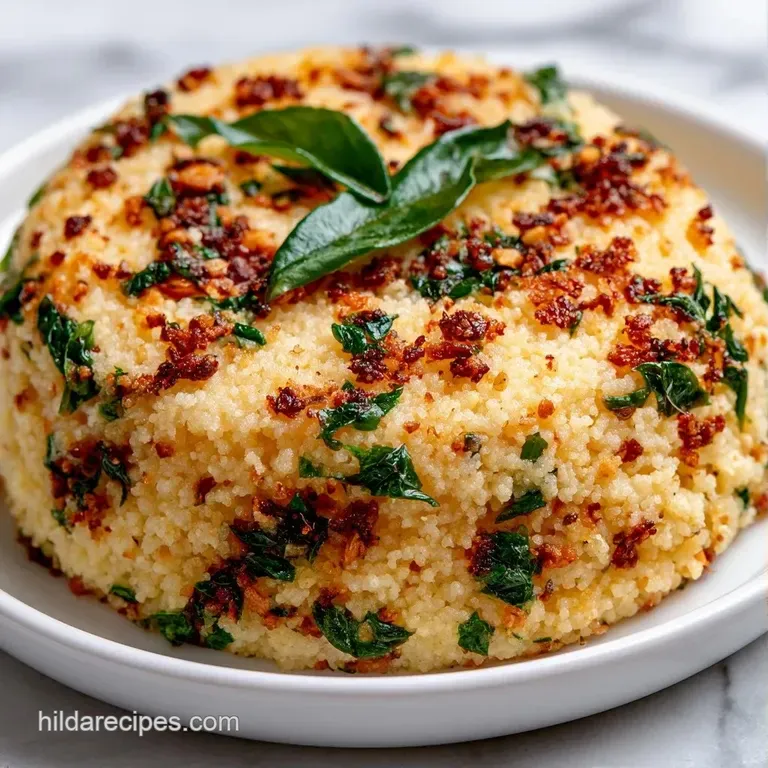
Even with a Simple Upma Recipe, things can go sideways. Usually, it's a matter of timing or heat.
Troubleshooting Common Issues
| Issue | Solution |
|---|---|
| Why Your Upma Is Sticky | If the dish feels more like porridge than grains, it's usually because the semolina wasn't roasted enough or too much water was used. The starch gelatinizes too much, creating that "gloopy" feel. |
| Why You Find Lumps | Lumps happen when the semolina is added too quickly. The outer layer of the grain hydrates and seals the dry flour inside, leaving a raw center. |
| Why the Flavor Is Flat | If it tastes bland despite the salt, you likely didn't sauté the aromatics long enough. The onions and ginger need to soften and release their oils into the ghee to build a base. |
Customizing Your Upma Bowl
This Homemade Semolina Upma Recipe is a great canvas for whatever you have in the fridge. If you want a different kind of breakfast, you might try my Sourdough English Muffins for something chewier, but for a savory start, stick with this.
If you want more protein, do this: Stir in 0.25 cup of boiled chickpeas or sautéed paneer cubes during Phase 2.
For a Low Calorie Version: Swap the ghee for a heart healthy oil like avocado oil and double the amount of carrots and peas to increase the volume without adding many calories.
The Coconut Twist: Add two tablespoons of freshly grated coconut at the very end. It adds a sweet, tropical note that balances the heat of the green chilies.
If you're looking for another savory option for your meal prep, a Classic Egg Salad makes a great high protein side for a brunch spread.
Adjusting the Batch Size
Scaling a Quick Semolina Upma Recipe is straightforward, but you can't just multiply everything linearly.
Scaling Down (Half Batch): Use a smaller skillet to prevent the ghee from spreading too thin. Reduce the roasting time by about 20% since a smaller amount of grain heats up faster. Use 1.5 cups of water.
Scaling Up (Double Batch): When doubling, don't double the salt and chilies immediately. Start with 1.5x the amount and taste at the end. Use a very large pot to ensure you have enough room to stir vigorously, or the lumps will be inevitable.
Debunking Upma Myths
There are a few things people get wrong about this Indian Semolina Upma Recipe.
Myth: You must soak the semolina. Truth: You should never soak semolina for upma. Soaking ruins the texture and makes it impossible to get that fluffy, separate grain result.
Myth: More ghee makes it fluffier. Truth: Ghee adds flavor and prevents sticking, but too much will make the dish greasy. The fluffiness comes from the roast and the stirring technique, not the fat content.
Storage and Waste Tips
This dish is best eaten fresh, but it keeps well if you handle it right. Store leftovers in an airtight container in the fridge for up to 3 days.
To reheat, don't use a microwave if you can avoid it, as it can make the grains rubbery. Instead, put the upma back in a pan with a splash of water or a tiny knob of butter. Heat on low and stir until it loosens up.
For zero waste, if you have leftover diced carrots or peas that aren't enough for a full recipe, freeze them in ice cube trays. You can toss a "veggie cube" directly into your next batch of this Semolina Upma Recipe without thawing them first.
Serving Suggestions
Upma is traditionally a breakfast dish, but it works as a light dinner too. I love serving it with a side of coconut chutney or a dollop of mango pickle for a punch of acidity.
If you prefer something creamy, a side of plain Greek yogurt balances the spice of the chilies. For those who like a bit of crunch, serve it with a few pieces of papadum. It's a balanced meal that keeps you full until lunch.
Recipe FAQs
Is semolina good for making upma?
Yes, it is the essential base. Semolina provides the characteristic grainy texture and absorbs the flavors of the sautéed vegetables and aromatics perfectly.
What is the difference between upma and suji upma?
There is no difference. "Suji" is simply the Hindi word for semolina, so both terms refer to the same traditional savory porridge.
How to make the best upma at home?
Toast the semolina on medium low heat for 3-5 minutes until it smells nutty. Sauté your aromatics and vegetables in ghee, then stir in the toasted grains slowly into boiling water to ensure a fluffy consistency.
What are common mistakes when making upma?
Adding semolina too quickly or under roasting the grains. These errors result in a sticky, porridge like texture or unpleasant lumps with raw centers.
Is it true that you can skip roasting the semolina?
No, this is a common misconception. Skipping this step leaves the dish with a raw flour taste and makes the final texture overly sticky.
How to prevent lumps from forming in the semolina?
Pour the roasted semolina in a slow, thin stream while stirring vigorously with your other hand. This ensures every grain hydrates evenly as it hits the boiling water.
What are some other quick Indian breakfast ideas?
Try Poha or Moong Dal Chilla. These are fast, nutrient dense options that share the same quick sauté technique used here. If you enjoyed mastering this fast paced efficiency, see how it works in making homemade flour tortillas.
Semolina Upma Recipe