Seasoned Baked Potato Wedges: Crispy & Velvety
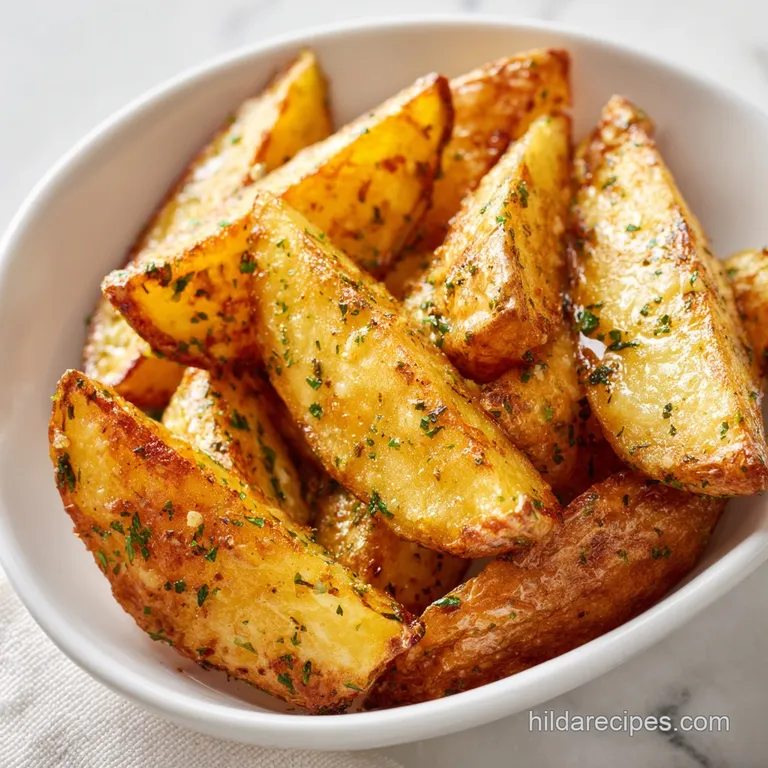
- Time: Active 10 minutes, Passive 30 minutes, Total 40 minutes
- Flavor/Texture Hook: Shatter crisp skin with a velvety, buttery center
- Perfect for: Sunday family roasts, game day snacks, or a comforting weeknight side
- Mastering Savory Seasoned Baked Potato Wedges
- Technical Specs for Success
- Component Analysis Deep Dive
- Pantry Staples and Substitutes
- Tools for Proper Roasting
- Methodical Steps to Crispiness
- Solving Common Cooking Problems
- Flavor Tweaks and Adaptations
- Debunking Common Kitchen Beliefs
- Keeping Your Leftovers Fresh
- Serving Suggestions and Sides
- Recipe FAQs
- 📝 Recipe Card
Mastering Savory Seasoned Baked Potato Wedges
The first thing you notice isn't the sight, but that deep, smoky aroma of paprika hitting a hot pan. It’s a scent that instantly transports me back to my grandmother’s kitchen on Sunday afternoons, where the air was always thick with the smell of roasting tubers and garlic.
I remember watching her hand cut each spud with such precision, her weathered hands moving with a rhythm that only comes from decades of feeding a hungry family. She didn't use fancy gadgets - just a sharp knife, a heavy baking sheet, and a sense of timing that felt like magic.
That’s the thing about these seasoned baked potato wedges; they aren't just a side dish. To me, they represent generations of perfected comfort food. I spent years trying to replicate that specific shatter crisp texture she achieved, making every mistake in the book from overcrowding the pan to using the wrong type of oil.
After countless soggy batches and burnt garlic trials, I’ve finally nailed the method that works every single time. It's about how the oil interacts with the starch and how the spices bloom in the heat of the oven.
We’re going for a texture that has a distinct "crunch" when you bite in, followed by an interior so silky it almost melts. This isn't about fast food - it's about taking forty minutes to create something that feels like a warm hug.
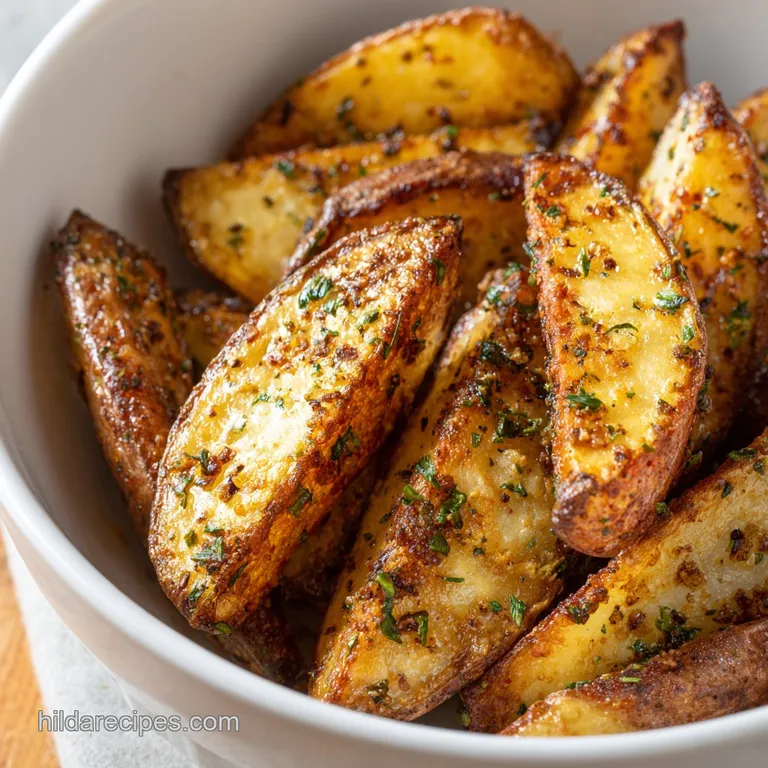
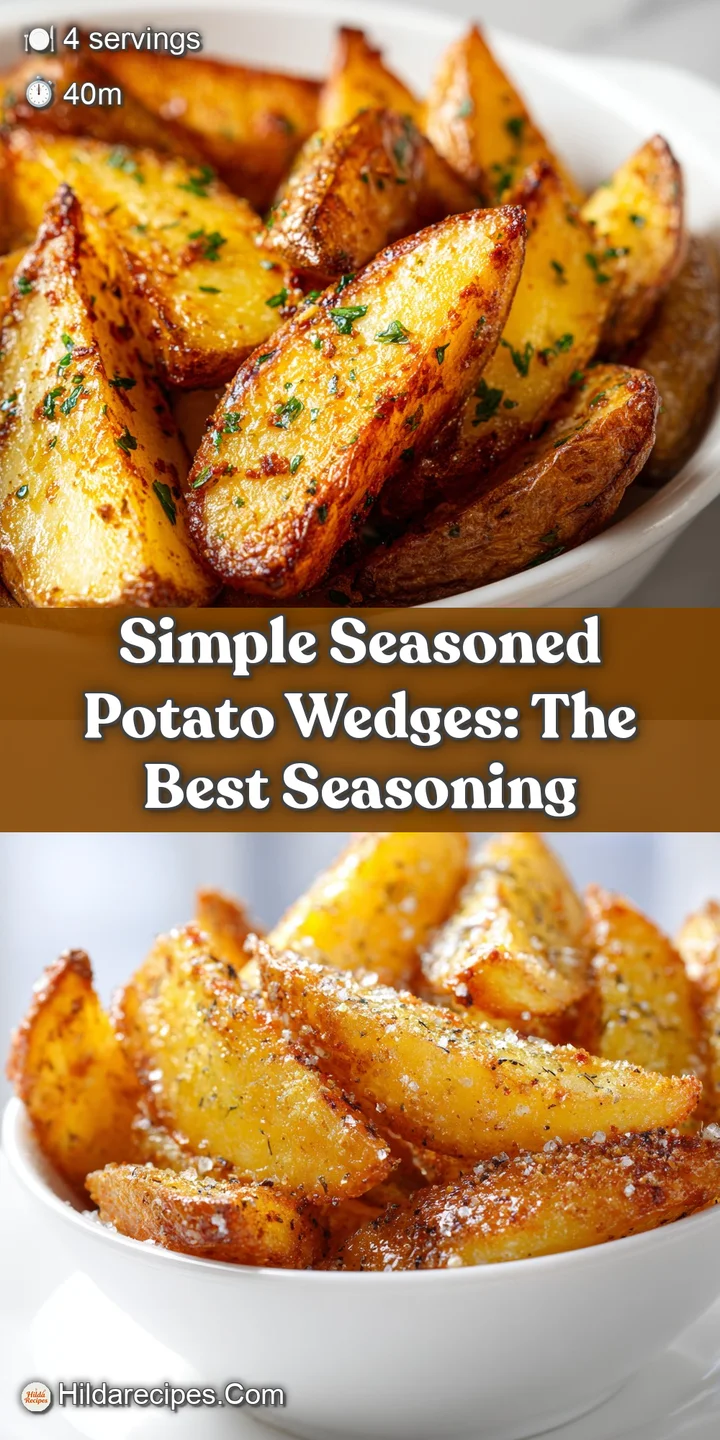
When you pull these out of the oven and hear that sizzle, you'll know exactly what I'm talking about. The color should be a deep, burnished gold, flecked with the dark red of the smoked paprika and the green specks of oregano. Let's get into the details so you can recreate this in your own kitchen tonight.
Technical Specs for Success
The Surface Starch Secret: over High heat roasting causes the surface starches to dehydrate and cross link, forming a rigid, crispy matrix. This creates a structural "shatter" that protects the interior from drying out.
Activating Surface Starches
When we slice the potatoes, we expose the internal starch cells. By tossing them in oil and salt, we draw out just enough moisture to create a starchy "slurry" on the surface. As the heat hits, this slurry fries into a delicate, flaky crust that is much more satisfying than a simple fried potato.
Metal Heat Distribution
Using a heavy rimmed baking sheet is non negotiable here. Thin pans warp and create hot spots, leading to uneven browning. A heavy pan acts as a thermal battery, providing the consistent, intense energy needed to blister the potato skin and cook the starch through to a velvety finish.
| Thickness | Roast Time | Visual Cue | Internal Texture |
|---|---|---|---|
| 1.5 cm | 25 minutes | Mahogany edges | Light and airy |
| 2.0 cm | 30 minutes | Deep golden brown | Creamy and dense |
| 3.0 cm | 40 minutes | Blistered skin | Soft, buttery mash |
The technique used here is quite similar to the foundation of our Grilled Potatoes Recipe, where we rely on high heat to create that signature charred exterior while keeping the middle fluffy. The key is giving each wedge enough space to "breathe" so the steam can escape rather than softening the neighboring potato.
Component Analysis Deep Dive
| Ingredient | Science Role | Pro Secret |
|---|---|---|
| Russet Potatoes | High starch, low moisture | Use older potatoes for better crunch |
| Extra Virgin Olive Oil | Heat conduction and flavor | Coat every single millimeter of the surface |
| Smoked Paprika | Aromatic depth and color | Buy "Pimentón de la Vera" for authenticity |
Choosing the right potato is the most important decision you'll make today. Russets are the gold standard for seasoned baked potato wedges because their cell structure is "mealy," meaning they separate easily when cooked, giving you that sought after flaky texture.
Waxy potatoes like Red Bliss will stay too firm and won't absorb the seasoning blend as effectively.
Pantry Staples and Substitutes
To make these properly, you'll need the following quantities. I've listed exactly what I use in my kitchen to get that nostalgic, savory flavor profile.
- 4 Large Russet Potatoes (approx. 900g), scrubbed clean Why this? Russets provide the highest starch to water ratio for maximum crispiness.
- 60ml Extra Virgin Olive Oil Why this? high-quality oil adds a peppery backnote and superior browning.
- 10g Smoked Paprika Why this? Adds a wood fired depth that regular paprika lacks.
- 5g Garlic Powder Why this? Granulated garlic adheres better than fresh, which tends to burn.
- 5g Onion Powder Why this? Provides a foundational sweetness and savory "umami" base.
- 3g Dried Oregano Why this? Adds an earthy, herbal aroma that balances the heat.
- 2g Cayenne Pepper Why this? Just enough to provide a gentle glow on the palate.
- 8g Sea Salt Why this? Flaky salt draws out moisture for a better crunch.
- 2g Freshly cracked Black Pepper Why this? Fresh oils in the pepper add a sharp, pungent bite.
| Original Ingredient | Substitute | Why It Works |
|---|---|---|
| Extra Virgin Olive Oil | Avocado Oil | Higher smoke point, though milder in flavor. |
| Smoked Paprika | Sweet Paprika + Liquid Smoke | Replicates the smoky depth but less earthy. |
| Sea Salt | Kosher Salt | Similar crystal size, ensuring even distribution. |
| Russet Potatoes | Yukon Gold | Note: Results in a creamier, less flaky interior. |
If you find yourself missing some of these spices, don't worry. You can always pivot the flavor profile. For instance, if you want something even more streamlined, you might enjoy the simplicity found in our Oven Potato Fries Recipe, which focuses on the purity of the potato flavor with minimal interference.
Tools for Proper Roasting
You don't need a professional kitchen, but a few specific items make a world of difference. First, a large, heavy duty baking sheet (often called a half sheet pan) is essential. If your pan is too small, the wedges will steam instead of roast.
A large stainless steel mixing bowl is also vital. You want enough room to toss the potatoes vigorously so the oil and spices emulsify into a thick coating. Finally, a sharp chef's knife will ensure clean cuts, which leads to even cooking times across the whole batch.
Methodical Steps to Crispiness
- Preheat the oven to 200°C. Note: A hot oven is the only way to shock the potato skins into becoming crispy.
- Cut the 900g potatoes into 8 wedges each.Note: Aim for uniform thickness so they all finish at the same time.
- Soak the wedges in cold water for 10 minutes. Note: This removes excess surface starch that can cause sticking or burning.
- Pat the potatoes completely dry.They must be bone dry or they will steam in the oven.
- Whisk the 60ml oil and spices in a large bowl.Note: This ensures the spices are suspended in the fat for even coverage.
- Toss the dry wedges in the oil mixture.Massage the oil into the potatoes until every crevice is coated.
- Arrange wedges on the baking sheet skin side down.Note: This allows the heat to hit the flesh directly for better browning.
- Bake for 30 minutes at 200°C. Cook until the edges are dark brown and the skin is blistered.
- Rest on the pan for 3 minutes. Note: This allows the internal steam to settle, which "sets" the crispy exterior.
Solving Common Cooking Problems
Even the most seasoned home cooks face the occasional soggy wedge or bitter spice blend. Most of the time, the issue boils down to moisture management or temperature control. If your potatoes are coming out soft, it's usually because the oven wasn't hot enough or you crowded the pan.
Fixing Sogginess Fast
Sogginess is usually caused by "crowding," which traps steam between the potatoes. If you see liquid pooling on the pan, your wedges are essentially boiling in their own juices. To fix this, use two pans instead of one, ensuring at least 2 cm of space between each wedge.
Preventing Bitter Burnt Spices
Burnt spices happen when the oven floor is too hot or the wedges are too small. Spices like garlic powder and paprika can turn acrid if exposed to intense direct heat for too long. If you find your spices are charring before the potato is cooked, move your rack to the middle position.
| Problem | Root Cause | Solution |
|---|---|---|
| Soft, limp wedges | Excess moisture or low heat | Pat potatoes dry and use 200°C oven. |
| Uneven browning | Overcrowded baking sheet | Give each wedge 2 cm of space. |
| Spices taste bitter | Spices burnt at high heat | Roast on middle rack, not bottom. |
Common Mistakes Checklist
- ✓ Never skip the soaking step; it removes the "gluey" starch that prevents a clean crunch.
- ✓ Always use a high smoke point oil; extra virgin olive oil works if the temperature stays at 200°C.
- ✓ Ensure the potatoes are single layered; stacking them is a recipe for a soggy disaster.
- ✓ Don't forget to scrub the skins; they provide the structural integrity for the "shatter" effect.
- ✓ Avoid using "old" spices; if your paprika doesn't smell like a campfire, it won't flavor the dish.
Flavor Tweaks and Adaptations
If you're cooking for a crowd, you can easily double the recipe. Just remember the golden rule: more potatoes require more pans. When doubling to 1.8kg, use two large baking sheets and rotate them halfway through the cooking time to ensure even airflow from the oven's heating elements.
Spicy Pepper Variations
If you want more of a kick, double the cayenne pepper or add 2g of red chili flakes to the oil mixture. This creates a "Nashville hot" style seasoned baked potato that pairs beautifully with a cooling ranch dip. The heat will bloom in the oil, intensifying as the wedges roast.
Cheese Crust Alternatives
For a "Parmesan crust" swap, toss the wedges in 30g of finely grated Parmesan cheese during the last 5 minutes of baking. The cheese will melt and then fry against the potato skin, creating a lacy, salty crust that is absolutely sublime.
| Method | Prep Time | Clean Up | Best For |
|---|---|---|---|
| Standard Bowl Toss | 10 minutes | 1 bowl, 1 pan | Maximum flavor adhesion |
| Bag Shake Method | 5 minutes | 1 pan | Quick weeknight cleanup |
| Direct Pan Mix | 3 minutes | 1 pan | Efficiency (but less even) |
Debunking Common Kitchen Beliefs
One myth I hear constantly is that you must boil the potatoes before roasting to get them soft. This is totally unnecessary for Russets! Because of their high starch content, a 200°C oven provides more than enough energy to gelatinize the internal starches while the exterior crisps up.
Pre boiling often leads to wedges that fall apart or become waterlogged.
Another misconception is that the skin is just for nutrition. In reality, the skin acts as a heat shield. It prevents the delicate flesh from burning while providing a rustic, earthy flavor that balances the heavy seasoning. Always leave the skins on for the most authentic experience.
Keeping Your Leftovers Fresh
Storage is simple. These stay good in an airtight container in the fridge for up to 4 days. However, do not microwave them if you want to keep the crunch! Reheat them in a 200°C oven or an air fryer for 5 minutes to revive that shatter crisp texture.
To freeze, lay the cooked and cooled wedges on a tray in a single layer until frozen solid, then transfer to a freezer bag for up to 3 months. When you're ready to eat, bake them directly from frozen at 200°C for 15 minutes.
For zero waste, save any potato peels or small scraps; toss them in the same seasoning and bake them for "potato skin chips" a chef's treat while you wait for the main batch.
Serving Suggestions and Sides
These wedges are the ultimate companion to a hearty main. I love serving them alongside a Tater Tot Casserole recipe for a "potato on-potato" comfort feast during the winter months. The creaminess of the casserole gravy is a brilliant foil to the smoky, spicy crunch of the wedges.
They also work wonders as a base for "loaded wedges." Top them with melted cheddar, chives, and a dollop of sour cream. The structure of the Russet wedge is strong enough to hold heavy toppings without collapsing, making them a much better vehicle than standard thin fries.
Whatever you serve them with, make sure you have a cold drink and good company that’s how they were meant to be enjoyed.
Recipe FAQs
What seasoning is good for roasted potato wedges?
Smoked paprika, garlic powder, onion powder, dried oregano, and cayenne pepper offers the best balance. This combination provides earthy depth, aromatic sweetness, and a gentle heat that complements the potato's starchiness.
Do you season wedges before or after cooking?
Seasoning must be applied before cooking, mixed thoroughly with the oil. Coating the raw wedges in seasoned oil allows the spices to bloom in the heat and create a flavorful, fried crust during the roasting process.
How to make potato wedges more exciting?
Toss the wedges in finely grated Parmesan cheese during the last five minutes of baking. This creates a salty, lacy, savory crust that significantly enhances texture and flavor, similar to the focus on texture control in our Classic Buttery Shortbread Cookies.
How to make tasty potato wedges?
Cut wedges to uniform thickness, soak them briefly in cold water to remove excess starch, pat them completely dry, and roast them on a single layer at a high temperature, around 200°C. Consistency in size and absolute dryness are key to achieving a creamy interior and crisp exterior.
Is it true you must use a very high heat for crisp wedges?
Yes, high heat is essential for developing the crisp shell. Roasting at 200°C shocks the surface starches, forcing them to dehydrate rapidly and form a rigid, crunchy matrix that locks in the moisture inside.
Why do my wedges come out soggy instead of crisp?
Sogginess is caused by trapped steam, usually from overcrowding the pan. Ensure every wedge has at least 2 cm of space around it so that steam can escape, rather than condensing back onto the potato surface.
What kind of potato yields the best crunchy results?
Russet potatoes provide the superior texture for wedges. Their high starch and lower moisture content breaks down beautifully under heat, creating a mealy, fluffy interior that contrasts sharply with the crispy skin.
Seasoned Potato Wedges Recipe
Ingredients:
Instructions:
Nutrition Facts:
| Calories | 310 kcal |
|---|---|
| Protein | 5.2 g |
| Fat | 13.9 g |
| Carbs | 42.8 g |
| Fiber | 6.5 g |
| Sugar | 1.6 g |
| Sodium | 782 mg |
