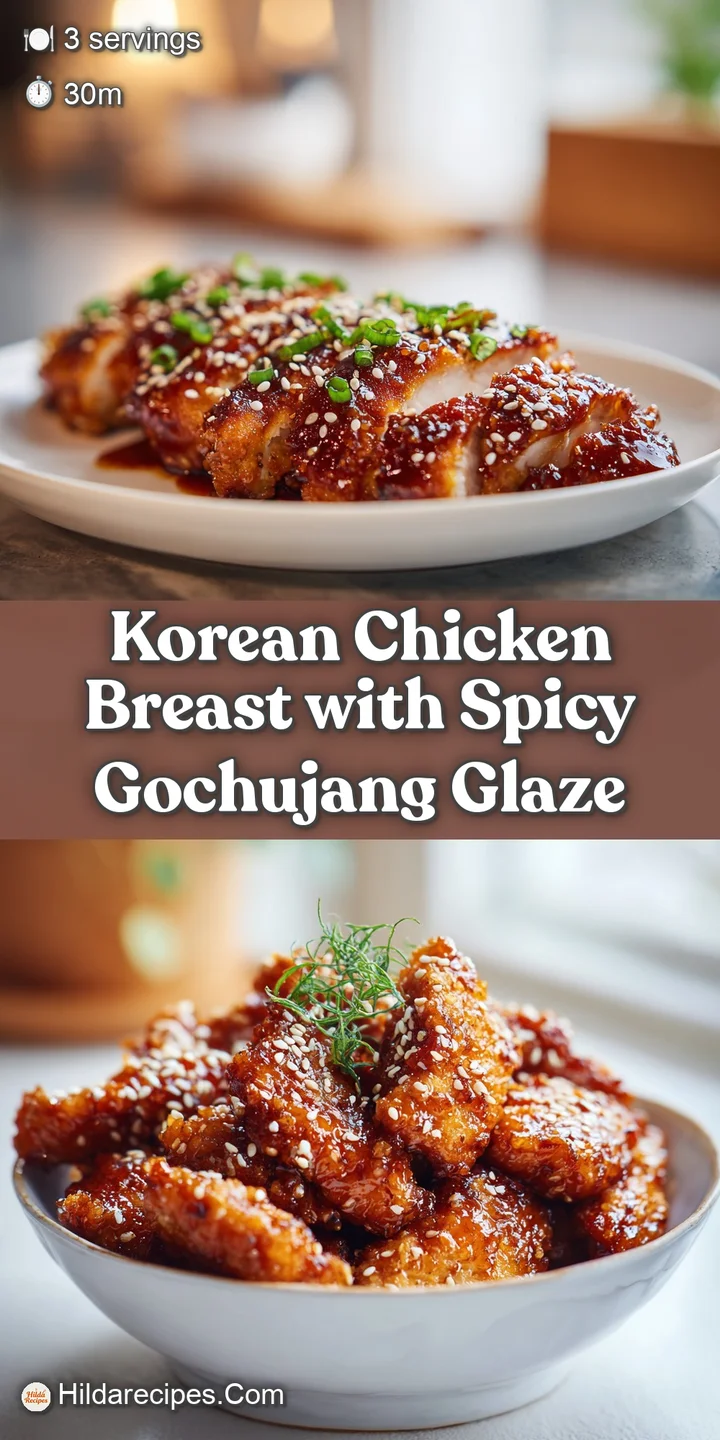
Korean Chicken Breast with Gochujang Glaze
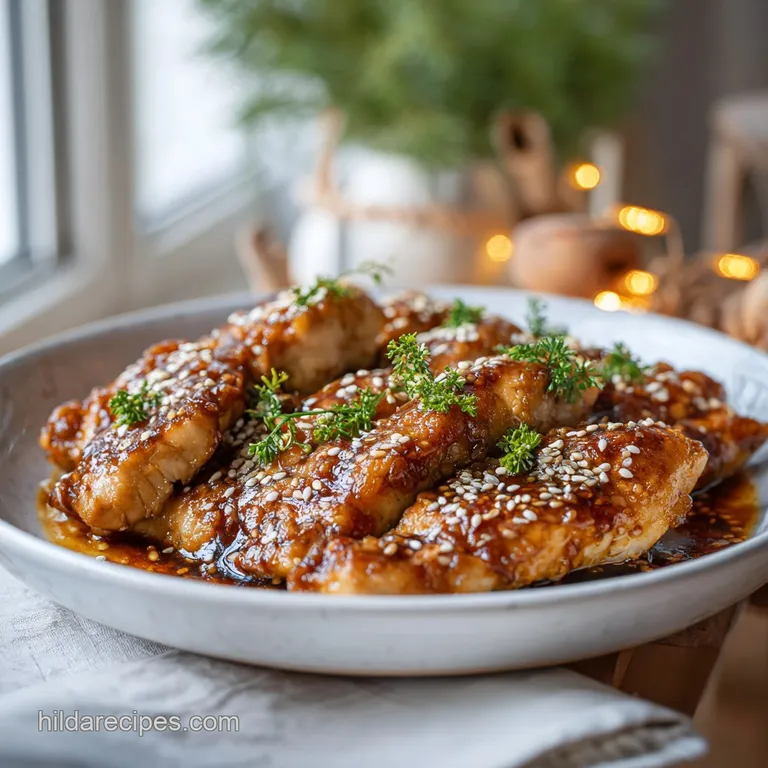
- Time: Active 15 minutes, Passive 15 minutes, Total 30 minutes
- Flavor/Texture Hook: Sticky, spicy sweet glaze with a velvety finish
- Perfect for: Weeknight dinners or impressive meal prep
- Perfectly Sticky Korean Chicken Breast Guide
- Secret Science of the Lacquer
- Component Analysis
- Essential Ingredients and Smart Swaps
- Steps for the Perfect Sear
- Fixing Common Cooking Hurdles
- Recipe Scaling and Adjustments
- Comparing Fast and Classic Methods
- Debunking Kitchen Myths
- Storage and Repurposing Scraps
- Recipe FAQs
- 📝 Recipe Card
Perfectly Sticky Korean Chicken Breast Guide
The moment that toasted sesame oil hits the hot pan, your entire kitchen transforms. It starts with a nutty, earthy scent that pulls everyone toward the stove before the first piece of meat even sizzles.
I remember the first time I perfected this; I was trying to recreate a dish from a tiny basement spot in Seoul where the air was thick with the smell of charred chilies and honey. My first few tries were a disaster, either too dry or the sauce burned before the chicken cooked through.
But after dozens of batches, I found the secret lies in the medallion cut and the timing of the honey.
We’ve all had that "rubber" chicken that feels like a chore to chew. This version is the complete opposite. By slicing the chicken into uniform 1 inch medallions, we maximize the surface area for that gorgeous red gochujang glaze to cling to.
It’s the kind of meal that makes you want to scrape the pan with a rubber spatula just to get every last drop of the sticky sauce. It’s pure comfort food that feels like a warm hug from a grandmother who knows exactly how much garlic is "enough" (which is always more than the recipe says).
Secret Science of the Lacquer
The Maillard Synergy: The combination of raw honey and amino acids in the soy sauce creates an accelerated browning reaction at lower temperatures, producing complex savory notes.
This "lacquer" effect happens because the sugars dehydrate rapidly in the pan, forming a viscous film that traps moisture inside the chicken fibers.
| Thickness | Internal Temp | Rest Time | Visual Cue |
|---|---|---|---|
| 1/2 inch | 165°F (74°C) | 3 mins | Opaque, no pink |
| 1 inch | 165°F (74°C) | 5 mins | Juices run clear |
| 1.5 inches | 165°F (74°C) | 5 mins | Firm to the touch |
Choosing the right cut and heat level determines whether you get a beautiful glaze or a burnt mess. If you're in a rush, you might be tempted to turn the heat to high, but a medium high setting is your best friend here. It allows the chicken to reach safety without the honey turning bitter.
Component Analysis
| Ingredient | Science Role | Pro Secret |
|---|---|---|
| Gochujang | Emulsifier & Flavor | Look for "traditionally fermented" for a deeper, less metallic tang. |
| Mirin | Tenderizer | The high sugar and low alcohol content breaks down tough proteins gently. |
| Toasted Sesame Oil | Aromatic Fat | Always add half at the start and a tiny splash at the end for maximum scent. |
| Rice Vinegar | pH Balancer | Cuts through the heavy sugars to prevent the sauce from feeling cloying. |
The interaction between the fermented chili paste and the acidity of the vinegar is what gives this dish its "zing." Without that acid, the honey and soy sauce would just feel heavy. If you're looking for a different vibe, this glaze technique is actually quite similar to the one I use in my Korean BBQ Beef recipe, though that one leans a bit more into the savory pear notes.
Essential Ingredients and Smart Swaps
For this Korean Chicken Breast, you’ll want to gather everything before you turn on the heat. Things move fast once the pan is hot.
- 1 lb boneless skinless chicken breasts: Sliced into 1 inch medallions. Why this? Medallions cook evenly and provide more surface for the sauce to coat.
- Substitute: Chicken thighs (boneless). These are more forgiving and stay moisture rich longer.
- 2 tbsp low sodium soy sauce: Provides the salty backbone.
- Substitute: Tamari (for a gluten-free option) or Liquid Aminos.
- 1 tbsp mirin: Sweet rice wine for luster.
- Substitute: Dry sherry with a pinch of sugar.
- 2 tbsp gochujang: The soul of the dish.
- Substitute: Sriracha mixed with a little miso paste for thickness.
- 1 tbsp gochugaru: Korean chili flakes for smoky heat.
- Substitute: Red pepper flakes (use half the amount as they are spicier).
- 2 tbsp raw honey: For that signature sticky shine.
- Substitute: Brown sugar or maple syrup.
- 3 cloves garlic: Finely minced.
- Substitute: 1 tsp garlic powder (though fresh is vastly better here).
- 1 tsp fresh ginger: Grated.
- Substitute: 1/2 tsp ground ginger.
- 1 tbsp rice vinegar: For brightness.
- Substitute: Apple cider vinegar.
- 1 tsp toasted sesame oil: For the aroma.
- 1/2 tsp cracked black pepper: For a bite of heat.
- 1 tbsp neutral oil: For frying (grapeseed or canola).
- 1 tbsp toasted sesame seeds & 2 green onions: For the final crunch and freshness.
Chef's Tip: Freeze your ginger for 10 minutes before grating. It prevents the ginger from turning into a stringy mush and gives you a clean, fine zest that melts into the sauce.
Steps for the Perfect Sear
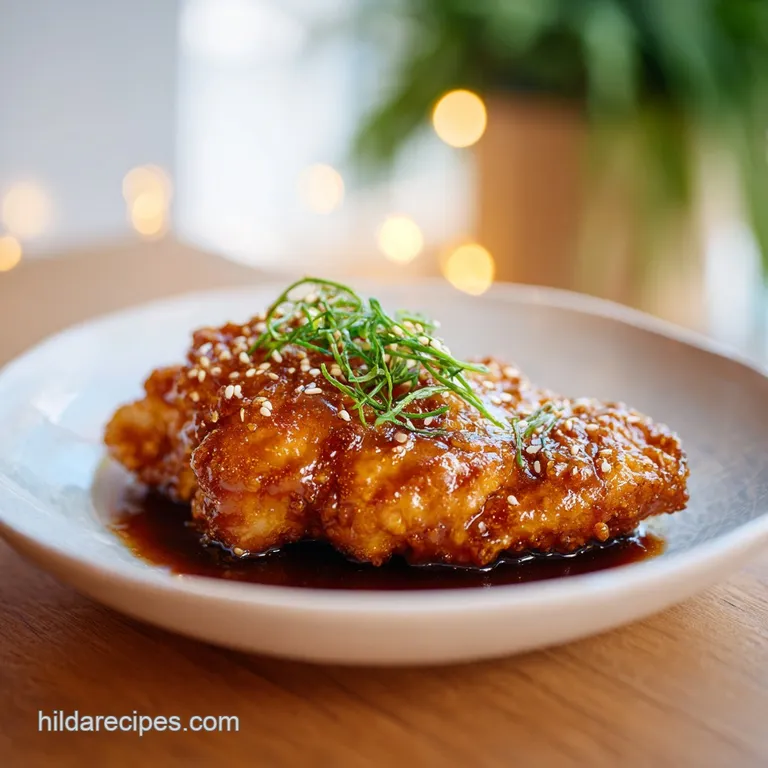
- Prep the chicken. Pat the 1 lb of chicken medallions completely dry with paper towels. Note: Moisture is the enemy of a good sear; wet chicken will steam instead of brown.
- Whisk the marinade. In a medium bowl, combine the 2 tbsp soy sauce, 1 tbsp mirin, 1 tsp sesame oil, and 1/2 tsp black pepper. Toss the chicken in this mixture and let it sit for 15 minutes.
- Build the sauce. In a separate small jar, whisk together the 2 tbsp gochujang, 1 tbsp gochugaru, 2 tbsp honey, minced garlic, ginger, and 1 tbsp rice vinegar until smooth and vibrant red.
- Heat the pan. Add 1 tbsp neutral oil to a large skillet over medium high heat. Wait 2-3 minutes until the oil shimmers and a drop of water dances on the surface.
- Sear the medallions. Add the chicken in a single layer, leaving space between pieces. Cook for 3-4 minutes until a deep golden crust forms on the bottom.
- Flip and finish. Turn the pieces over and cook for another 2 minutes. Precision Checkpoint: The internal temp should be hitting roughly 155°F at this point.
- Introduce the lacquer. Pour the gochujang sauce mixture over the chicken. Listen for the immediate sizzle and watch for bubbles.
- Glaze and thicken. Toss the chicken constantly for 2-3 minutes. The sauce will reduce into a thick, velvety coating that should "shatter" slightly in appearance as it sticks to the pan.
- The sensory finish. Turn off the heat when the aroma of toasted garlic and caramelized honey fills the room.
- Garnish. Sprinkle with the sesame seeds and sliced green onions immediately while the sauce is still tacky.
If you enjoy this flavor profile, you might find that this method also works beautifully with the base of my Chicken Rice Bowl recipe, just swap the garlic sauce for this spicy gochujang version.
Fixing Common Cooking Hurdles
Why Your Chicken Is Dry
Overcooking is the usual suspect, but sometimes it’s the salt content in the marinade. If you leave chicken in a salty brine for too long (over 24 hours), it can actually begin to cure and toughen. Aim for a short 15 to 30 minute soak for medallions.
Dealing With Bitter Sauce
If your sauce tastes burnt or bitter, it’s likely the garlic or the honey scorched. Honey has a very low smoke point. If the pan looks like it’s getting too dark, add a tablespoon of water or extra rice vinegar to lower the temperature instantly and scrape up those brown bits.
| Problem | Root Cause | Solution |
|---|---|---|
| Sauce is watery | Not reduced enough | Simmer for 2 extra minutes on medium heat. |
| Chicken is grey | Pan was too cold | Remove chicken, reheat oil until shimmering, and restart. |
| Too much spice | Too much gochugaru | Stir in an extra teaspoon of honey or a splash of cream. |
Common Mistakes Checklist ✓ Never crowd the pan - if the medallions touch, they will boil in their own juices. ✓ Use a heavy bottomed skillet (like cast iron) to maintain even heat distribution.
✓ Don't skip the pat dry step before the marinade; it ensures the oil can actually brown the meat. ✓ Keep the green onions for the very end; cooking them in the sauce destroys their bright, peppery crunch.
✓ Let the chicken rest for 3 minutes before serving so the juices redistribute.
Recipe Scaling and Adjustments
Scaling Down (1-2 Servings) If you're cooking for one, you can easily halve this. Use a smaller 8 inch skillet to ensure the sauce doesn't evaporate too quickly. You don't need to halve the garlic (honestly, who does that?), but do reduce the oil to keep it from being greasy.
Scaling Up (6+ Servings) When doubling the recipe, work in batches for the searing phase. If you put 2 lbs of chicken in one pan, the temperature will drop, and you'll lose that "sizzle." For the sauce, you only need to increase the liquids (soy, vinegar, honey) by 1.5x rather than a full 2x to avoid drowning the meat.
Baking Variation To make this for a crowd in the oven, skip the pan and layout the medallions on a parchment lined sheet. Bake at 400°F (200°C) for 12 minutes, then brush with the sauce and broil for 2-3 minutes until bubbly.
Comparing Fast and Classic Methods
| Method | Time | Texture | Best For |
|---|---|---|---|
| Fast (Air Fryer) | 12 mins | Crispy edges, less sticky | Busy Tuesdays |
| Classic (Stovetop) | 30 mins | Deeply lacquered, tender | Maximum flavor |
| Oven Broil | 20 mins | Charred "BBQ" style | Large batches |
If you're looking for something that hits that middle ground of speed and health, the Mediterranean Chicken Bowl recipe is another great one to keep in your rotation for fast prep.
Debunking Kitchen Myths
Myth: Searing "seals in" the juices. This is one of those things passed down through generations that isn't actually true. Searing creates the Maillard reaction, which gives us that incredible flavor and brown crust.
The "juiciness" actually comes from not overcooking the internal fibers and letting the meat rest after it leaves the heat.
Myth: Gochujang is just "Korean Ketchup." While it looks similar, gochujang is a fermented product made with glutinous rice and soybeans. It has a complex, funky depth that ketchup completely lacks. You cannot swap them 1:1 without losing the entire soul of the Korean Chicken Breast.
Storage and Repurposing Scraps
Storage Guidelines Keep leftovers in an airtight container in the fridge for up to 4 days. When reheating, I recommend using a skillet with a tiny splash of water rather than the microwave.
The microwave tends to make the honey glaze turn a bit gummy, while the skillet brings back that "just cooked" shine. You can freeze this for up to 2 months, but the texture of the green onions won't survive the thaw.
Zero Waste Tips Don't throw away those green onion roots! Put them in a glass of water on your windowsill, and they’ll regrow in a week. If you have leftover sauce in the pan, toss in some cold leftover rice and a scrambled egg for the easiest "emergency" fried rice you've ever had.
Even the ginger peels can be tossed into a pot of boiling water with a bit of lemon for a quick digestive tea.
Recipe FAQs
Can I marinate the chicken overnight for better flavor?
No, it is not recommended past 24 hours. The salt content in the soy sauce can begin to cure the chicken fibers, resulting in a tough texture rather than a tender one.
How to ensure the sticky glaze thickens instead of burning?
Reduce the heat to medium once the sauce is added. Honey burns easily; the goal is to let the sugars reduce slowly around the chicken pieces, not scorch them over high heat.
Is using frozen chicken breast okay for this recipe?
No, stick with fresh or fully thawed. Frozen meat releases too much water during the sear, which prevents the Maillard reaction necessary for that deep brown crust.
How to fix a sauce that tastes too sweet after glazing?
Stir in 1 teaspoon of rice vinegar immediately. The acid cuts through the overwhelming sweetness of the honey, rebalancing the flavor profile of the glaze instantly.
How to adapt this glaze recipe for oven cooking?
Bake at 400°F (200°C) for 12 minutes, then brush and broil. Place the chicken on parchment paper, cook until almost done, brush with the sauce, and then broil for 2 3 minutes to set the lacquer.
If I don't have gochujang, can I just use Sriracha?
No, the flavor profile will be significantly different. Sriracha lacks the necessary fermented depth; try mixing Sriracha with a small amount of miso paste to mimic the thickness and complexity.
What is the best side dish to absorb the extra sauce?
Steamed jasmine rice or neutral starch absorbs the sauce best. For a low-carb option, lightly sautéed vegetables work well, similar to how we balance the richness in the Creamy Garlic Butter recipe.
Korean Chicken Breast Recipe
Ingredients:
Instructions:
Nutrition Facts:
| Calories | 429 kcal |
|---|---|
| Protein | 48g |
| Fat | 13g |
| Carbs | 23g |
| Fiber | 1g |
| Sugar | 15g |
| Sodium | 670mg |
