Homemade Pistachio Butter Recipe
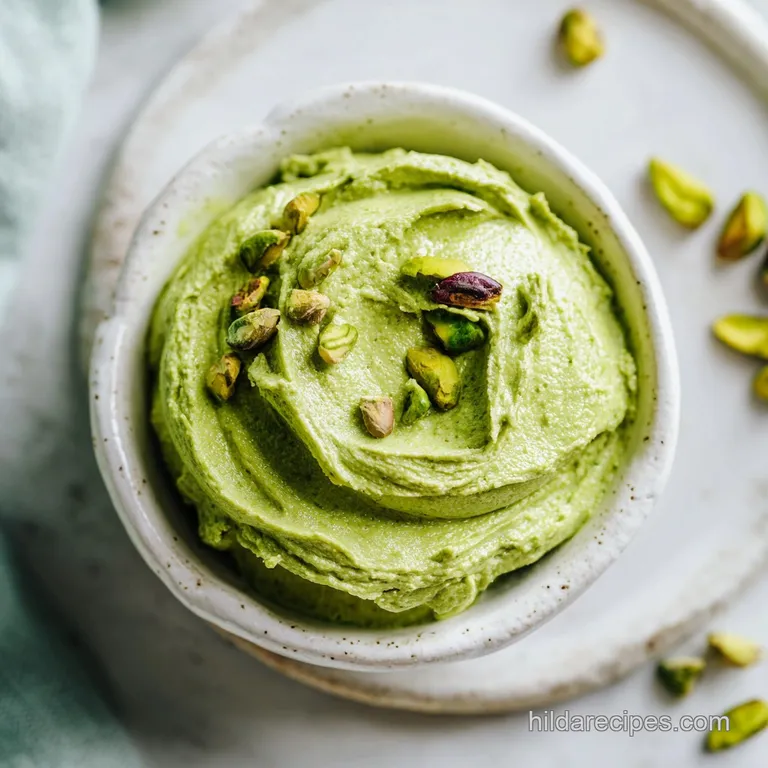
- Time: Active 10 minutes, Passive 5 minutes, Total 15 minutes
- Flavor/Texture Hook: Deeply nutty with a velvety, pourable finish
- Perfect for: Gourmet breakfasts, gifting, or topping artisan desserts
- Achieving a Silky Homemade Pistachio Butter
- Essential Techniques for Rich Texture
- Important Details and Nutrition Data
- The Two Ingredients You Need
- Tools for a Smooth Spread
- Detailed Step by Step Guide
- Solving Common Texture Problems
- Creative Flavor Swaps and Ideas
- Storage and Freezing Tips
- Beautiful Ways to Serve It
- Pistachio Butter FAQs
- 📝 Recipe Card
Achieving a Silky Homemade Pistachio Butter
You know that specific, intoxicating aroma when you pull a tray of toasted nuts out of the oven? It’s warm, earthy, and just a little bit buttery. The first time I tried to make this at home, I was skeptical.
I had spent way too much money on a tiny jar of "artisanal" spread that promised the moon but tasted mostly like sugar and palm oil. I wanted that deep, emerald green intensity that you only find in the best Sicilian gelatos.
I started with a bag of raw nuts and a food processor that had seen better days. I watched, mesmerized, as the nuts went from a coarse rubble to a dry sand, and then, suddenly, they released their oils and turned into a glossy, liquid gold. It felt like a kitchen miracle.
Since then, I’ve perfected the timing and the temperature to ensure every jar is consistently smooth and vibrant.
We're going to keep things simple here. We aren't hiding behind a dozen ingredients. This is about honoring the nut itself. By the time you’re done reading this, you’ll know exactly how to coax that stubborn grit into a silky masterpiece that puts any store-bought version to shame.
Trust me, once you taste the difference of a fresh batch, there is no going back to the mass produced stuff.
Essential Techniques for Rich Texture
Making a spread like this is really about managing the natural fats within the nut. When we apply heat and mechanical force, we’re essentially forcing the oils out of the cellular structure of the pistachio to create a natural emulsion. It's a beautiful process of transformation that happens in distinct stages.
- Thermal Activation: Roasting the nuts for just 5 minutes isn't just about flavor; it warms the internal oils, making them much easier to extract during the blending process.
- Cellular Breakdown: High speed blades shatter the solid structures, increasing the surface area and allowing the lipids to coat every tiny particle for a velvety mouthfeel.
- Friction Management: As the processor runs, the mixture heats up. While some heat is good for flow, too much can dull the vibrant green color, so we look for specific visual cues to know when to stop.
- Salt Integration: Adding flaky sea salt at the very end ensures the crystals don't fully dissolve, providing tiny bursts of contrast that make the nutty notes sing.
| Feature | Fresh Homemade | store-bought Shortcut |
|---|---|---|
| Color | Vibrant, natural emerald | Often dull or dyed green |
| Ingredients | 100% Nut + Salt | Fillers, oils, and sugar |
| Texture | Tailored (chunky or silky) | Usually overly stabilized/stiff |
The beauty of the homemade version is the control you have over the final product. If you enjoy a bit of a "snap" in your breakfast, you can pull some of the crushed nuts out early. If you want something that cascades off a spoon, you just let the machine work its magic a minute longer. It's a technique I also love using when I'm prepping a Classic Buttery Shortbread recipe for a weekend tea.
Important Details and Nutrition Data
When you’re planning your kitchen time, it helps to know exactly what you’re getting into. This isn't a project that requires a whole afternoon; it’s a quick sprint that yields a high reward pantry staple.
Because we aren't adding any liquid or dairy, the shelf life is surprisingly generous, making it a great candidate for batch prepping.
| Component | Analysis | Pro Secret |
|---|---|---|
| Pistachios | Provides the base fat and protein | Use raw nuts for the brightest green color |
| Flaky Salt | Enhances sweetness and cuts richness | Add after the butter is smooth to keep the "pop" |
| Friction | Liquefies the solid nut | Scrape the sides every 60 seconds for evenness |
I've found that the quality of your nuts is the single most important factor here. Look for "raw" and "unsalted" so you can control the roasting and the sodium yourself. If you buy pre roasted nuts, they've often been sitting on a shelf losing their volatile oils, which means your butter might end up drier than expected.
The Two Ingredients You Need
This recipe is as minimalist as it gets. We are relying on the quality of the produce to do the heavy lifting. I always suggest weighing your ingredients if you have a kitchen scale, as it ensures the salt to nut ratio is absolutely spot on every single time.
- 2 cups (270g) raw, shelled, unsalted pistachios: Why this? Raw nuts allow for a gentle, controlled toast that preserves the color.
- 0.25 tsp flaky sea salt: Why this? Sea salt (like Maldon) adds a cleaner, sharper finish than table salt.
Chef's Tip: If your pistachios still have the thin papery skins on them, don't sweat it too much. However, if you want a professional, "neon" green look, rub the warm roasted nuts in a clean kitchen towel. The skins will flake right off, leaving you with the bright green hearts.
Tools for a Smooth Spread
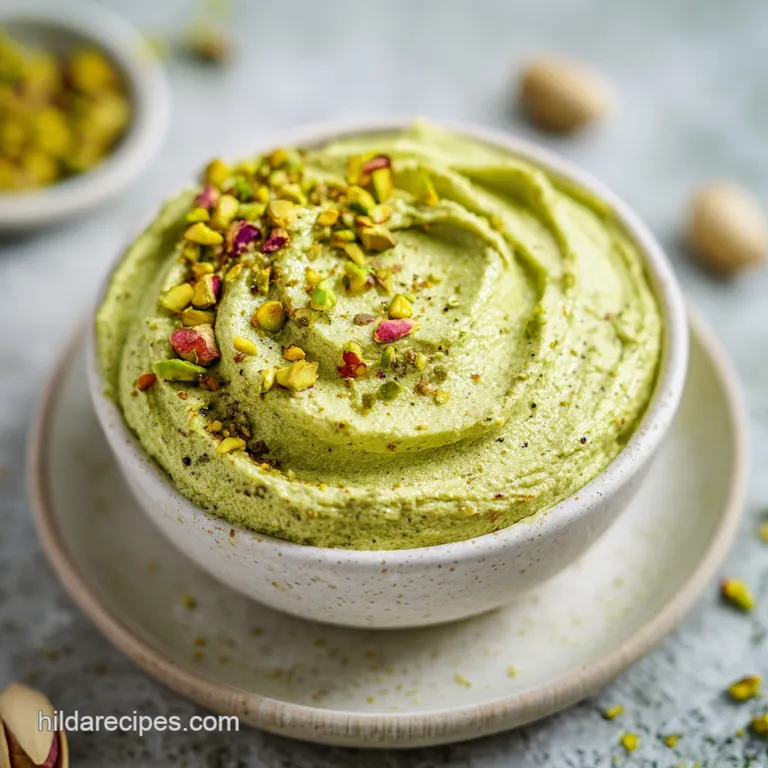
You don't need a professional laboratory, but the power of your motor does matter here. I’ve made this in everything from a high powered Vitamix to a standard food processor. Both work, but the timing will vary.
- Baking Sheet: A heavy rimmed sheet pan ensures even heat distribution during the quick roast.
- Food Processor or High Speed Blender: A processor is better for a slightly textured butter, while a blender (like a Blendtec) will give you a texture that's almost liquid.
- Silicone Spatula: You'll need this to scrape down the sides. Don't skip this, or you'll end up with a mix of smooth butter and gritty chunks.
- Glass Jar: For storage. Glass doesn't absorb odors like plastic does, which is vital for preserving that delicate pistachio scent.
Detailed step-by-step Guide
Right then, let's get into the actual making. The transition from solid nut to creamy butter happens fast once it starts, so stay close to the machine. You’re looking for a series of visual changes that tell you exactly where the oils are.
- Preheat and Prep. Set your oven to 350°F (180°C). Spread the 2 cups of pistachios in a single layer on your baking sheet. Note: Crowding the pan leads to uneven toasting.
- The Gentle Toast. Roast the nuts for 5 minutes until they smell fragrant and look slightly oily. Do not let them turn dark brown, or the flavor will become bitter.
- Cool Slightly. Let the nuts sit for about 3 minutes. We want them warm enough to release oil, but not so hot that they melt the plastic of your food processor bowl.
- Initial Breakdown. Place the nuts into the processor. Pulse 10-15 times until they look like coarse, sandy crumbs.
- The Clumping Phase. Turn the processor to high and run for 1 minute. The mixture will start to move from a powder to a thick, heavy paste that clumps together.
- Scrape and Reset. Stop the motor and use your spatula to scrape down the sides and under the blades.
- The Liquefaction. Run the motor for another 2-3 minutes. You will hear the sound of the motor change as the mixture turns from a solid mass into a velvety, flowing liquid.
- The Seasoning. Add the 0.25 tsp flaky sea salt. Pulse just 3 or 4 times to incorporate. Note: Keeping some salt structure adds a lovely gourmet touch.
- The Final Check. Dip a spoon in. It should be glossy and pourable. If it's still thick like putty, keep processing for another minute.
- Jar and Set. Pour the warm butter into a clean glass jar. It will thicken slightly as it cools to room temperature.
Solving Common Texture Problems
Sometimes things don't go perfectly, and that’s okay. Most issues with nut butters come down to temperature or patience. If you feel like your machine is struggling, just give it a rest. Overheating the motor can actually cook the nuts further, which changes the flavor in a way we don't want.
Why Your Spread is Gritty
If you've been blending for five minutes and it still feels like wet sand, your nuts might not have been warm enough, or they might be a bit old and dry.
| Problem | Root Cause | Solution |
|---|---|---|
| Gritty Texture | Under processing or dry nuts | Process for 2 more mins; add 1 tsp neutral oil if needed |
| Dull Brown Color | Nuts were over roasted | Roast for exactly 5 mins next time; rub off skins |
| Motor Overheating | Too much friction/thick paste | Stop and let the machine cool for 5 mins before continuing |
Common Mistakes Checklist ✓ Never add water to thin it out; water will cause the nut butter to seize into a hard ball. ✓ Avoid using "dry roasted" store-bought nuts if you want a truly creamy finish. ✓ Don't skip the "scrape down" steps, or you'll have a gritty bottom layer.
✓ Make sure the food processor bowl is bone dry before starting. ✓ Be patient! The "paste to liquid" transition happens suddenly near the end.
Creative Flavor Swaps and Ideas
Once you've mastered the base, you can start playing with the layers of flavor. I usually keep mine plain for versatility, but sometimes a little "extra" is exactly what a dish needs. This butter is a phenomenal addition to a Coffee Cheesecake Recipe if you swirl it into the batter before baking.
| Original Ingredient | Substitute | Why It Works |
|---|---|---|
| Pistachios | Roasted Almonds | Similar fat content. Note: Results in a much thicker, heartier butter. |
| Flaky Sea Salt | Smoked Salt | Adds a savory, campfire depth that pairs well with chocolate. |
| Plain Base | Added Vanilla Bean | Scraping a fresh pod in adds a floral, dessert like aroma. |
- For a "Pistachio Praline" Twist
- Add 1 tablespoon of honey and a pinch of cinnamon during the final 30 seconds of blending.
- For a White Chocolate Version
- Melt 2 ounces of high-quality white chocolate and whisk it into the finished, warm butter.
- For a Savory Spread
- Skip the sweets and add a hint of lemon zest and black pepper.
Storage and Freezing Tips
Because this is a pure product with no preservatives, you need to treat it with a little care. However, the high fat content and lack of water make it quite stable. I personally keep a jar on my counter because I go through it so fast, but for long term freshness, the fridge is your friend.
Storage: Keep in an airtight glass jar. It will stay fresh at room temperature for about 2 weeks. In the refrigerator, it will last for up to 2 months. Note that it will firm up significantly in the cold, so let it sit out for 10 minutes before you try to spread it.
Freezing: You can freeze this! Put it in a freezer safe container (leave a little headspace for expansion) and it will keep for 6 months. To use, thaw it overnight in the fridge and give it a vigorous stir, as some oil separation might occur.
Zero Waste Tip: Don't wash that food processor bowl immediately! Toss in a scoop of vanilla ice cream or some warm oatmeal and pulse it. It’ll pick up every last bit of that precious green gold so nothing goes to waste.
Beautiful Ways to Serve It
This isn't just for toast (though it’s divine there). Think of it as a luxury ingredient that can "finish" a dish. I love drizzling it over a bowl of Greek yogurt with some fresh raspberries the tartness of the berries cuts right through the richness of the nuts.
If you’re feeling fancy, use it as a base for a gourmet charcuterie board. Put a small bowl of the butter in the center, surrounded by dried apricots, sharp Manchego cheese, and some honey drizzled crackers.
The way the salty cheese interacts with the earthy pistachio is something your guests won't stop talking about.
For the ultimate "chef's kiss" moment, try using it as a filling for crepes or even as a dip for dark chocolate shards. It’s one of those recipes that feels like a secret weapon in your kitchen. Honestly, once you start making your own, you’ll find yourself looking for excuses to put it on everything.
It’s pure, unadulterated comfort food that feels like a total indulgence.
Pistachio Butter FAQs
What are the common mistakes in making pistachio butter?
Over roasting the nuts. Toasting for too long turns the natural sugars bitter and darkens the vibrant green color of the final butter.
How much pistachio is needed to make a standard batch of pistachio butter?
Two cups (270g) of raw, shelled pistachios is standard. This quantity ensures you get enough oil release in a typical food processor to achieve a flowing consistency.
Is homemade pistachio butter good for you?
Yes, it is extremely healthy when made with only nuts and salt. It is rich in healthy monounsaturated fats, protein, and antioxidants, unlike commercial versions that often contain added stabilizers or sugar.
How to make pistachio spread from scratch?
Roast the raw pistachios for 5 minutes at 350°F until fragrant. Then, process them in a food processor for 5-8 minutes, scraping down the sides frequently, until the oils are released and the mixture liquefies.
Should I add oil if my pistachio butter isn't blending smoothly?
No, avoid adding extra oil initially. If the butter is still thick after 6 minutes of processing, stop, scrape the sides, and let the motor rest for 5 minutes; the oils should release with continued friction.
What is the best way to ensure the butter stays bright green?
Keep the roasting time under 5 minutes and use raw nuts. Overheating is the primary cause of color dullness; if skins remain, rub the warm nuts gently in a towel to remove them, which brightens the color.
Can I substitute pistachios with almonds for a similar spread?
Yes, almonds can be substituted, but the texture will be much drier. Almonds have less internal oil than pistachios, so you may need to add a teaspoon of neutral oil to reach the same flow state, similar to how we manage fat ratios in our Seasoned Baked Potato Wedges recipe.
Homemade Pistachio Butter Spread
Ingredients:
Instructions:
Nutrition Facts:
| Calories | 126 kcal |
|---|---|
| Protein | 4.5 g |
| Fat | 10.2 g |
| Carbs | 6.1 g |
| Fiber | 2.4 g |
| Sugar | 1.7 g |
| Sodium | 49 mg |
