Fiery Chicken Ramen with Creamy Garlic Sauce
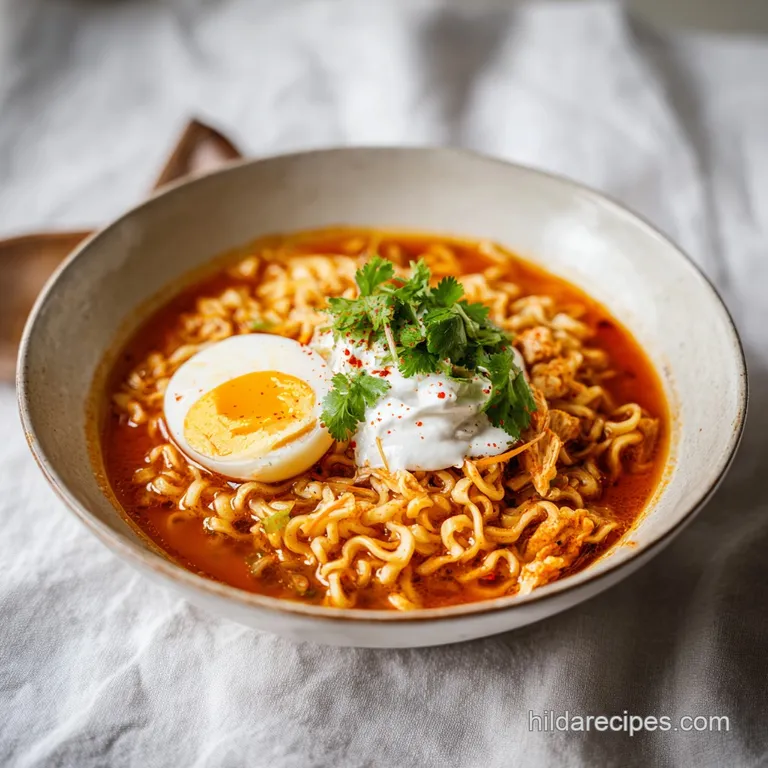
- Time: Active 15 minutes, Passive 15 minutes, Total 30 minutes
- Flavor/Texture Hook: Velvety, garlic infused sauce with crispy, spicy chicken strips
- Perfect for: Busy weeknight dinners or viral worthy TikTok style meal prep
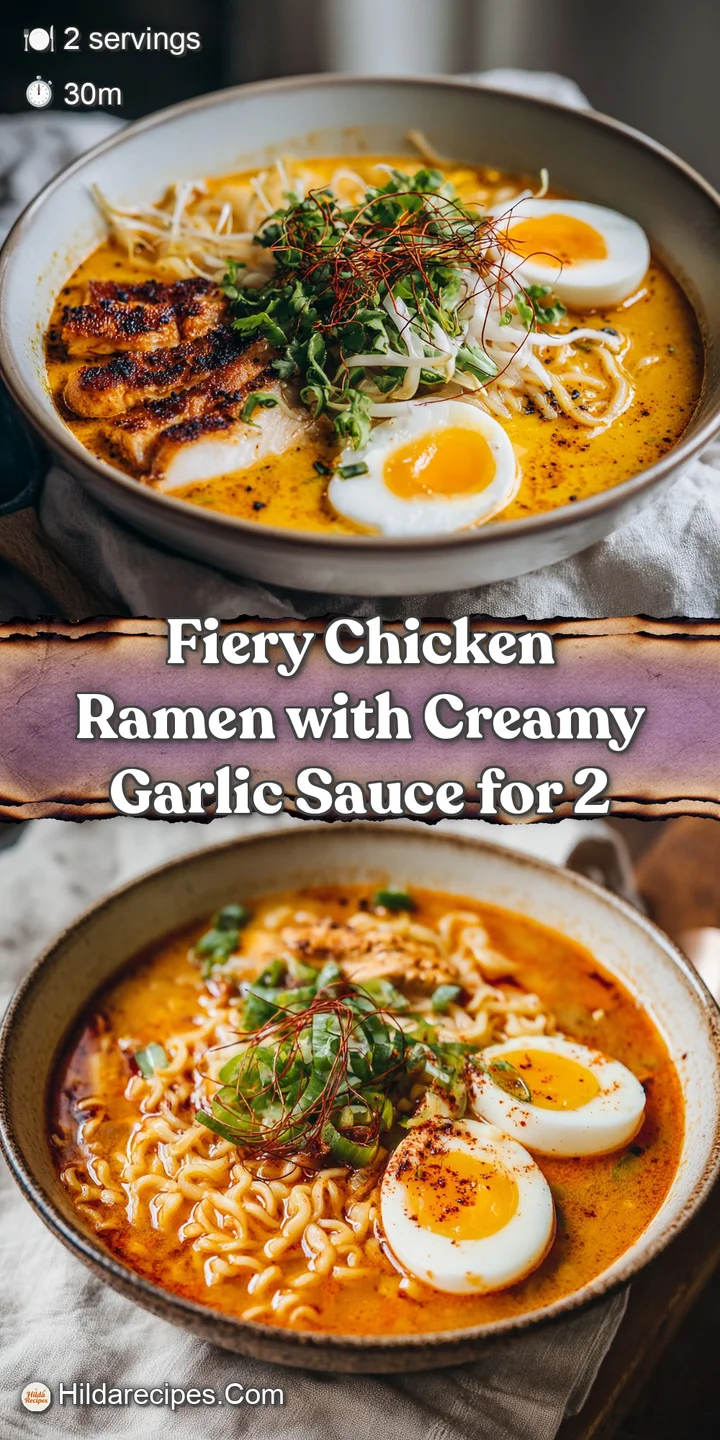
- Fiery Chicken Ramen with Creamy Garlic Sauce and Soft Boiled Egg
- Why This Works
- The Alchemy of Umami Selection
- Minimal Tools for Professional Results
- Executing the Perfect Noodle Bowl
- Common Mistakes and Fixes
- Variations for Different Diets
- Storage and Keeping Leftovers Fresh
- Perfect Complements for Your Meal
- High in Sodium
- Recipe FAQs
- 📝 Recipe Card
Fiery Chicken Ramen with Creamy Garlic Sauce and Soft Boiled Egg
Right then, let's talk about the bowl that literally took over my kitchen last night. The sizzle of the chicken hitting the pan, the sharp aroma of four cloves of minced garlic hitting melting butter, and that first velvety slurp of noodles - it's a total sensory overload. Craving intense flavor?
This Fiery Chicken Ramen with Creamy Garlic Sauce and Soft Boiled Egg recipe is a guaranteed winner.
I used to be a total ramen purist, the kind of person who would spend 48 hours boiling pig bones for a tonkotsu. But let's be real, we have busy lives and sometimes we just need that spicy, creamy hit right now.
I made a massive mistake once trying to "shortcut" a traditional broth with just water and hot sauce, and honestly, it was watery and sad.
This version is different. We are leaning into the richness of heavy cream and the kick of sriracha to build a base that feels expensive but costs less than a takeout order. You get that jammy egg yolk mingling with the garlic scented sauce, and it's just pure comfort.
Trust me on this, once you try the creamy garlic ramen recipe method, there is no going back to the flavor packets.
Why This Works
Maillard Reaction: Searing the chicken with honey and soy sauce creates a dark, flavorful crust through caramelization and protein browning.
Fat Based Emulsification: The heavy cream and chicken broth are bound by the starch from the noodles, creating a sauce that clings to every strand.
Acid Balance: Sriracha and soy sauce provide the necessary acidity and salt to cut through the richness of the heavy cream base.
Protein Precision: Boiling eggs for exactly 6 minutes ensures the whites are set while the center remains a liquid, golden sauce for the noodles.
| Chicken Thickness | Internal Temp | Rest Time | Visual Cue |
|---|---|---|---|
| 1/2 inch strips | 165°F (74°C) | 3 mins | Opaque and charred edges |
| 1 inch cubes | 165°F (74°C) | 5 mins | No pink in the center |
| Whole breast | 165°F (74°C) | 8 mins | Juices run clear when poked |
The thickness of your chicken determines the speed of your dinner, so I always opt for thin strips to maximize the surface area for that spicy glaze. Using a digital thermometer is the only way to ensure you don't end up with dry, woody meat.
The Alchemy of Umami Selection
When you are making a fiery chicken ramen recipe, the quality of your base ingredients matters because there are so fewer of them. I've found that using low sodium soy sauce is a non negotiable step because it allows us to control the salt levels while still getting that deep, fermented flavor.
| Ingredient | Science Role | Pro Secret |
|---|---|---|
| Heavy Cream | Provides fat for a silky mouthfeel | Temper it with warm broth first to prevent curdling |
| Smoked Paprika | Adds earthy depth and color | Bloom it in the oil for 30 seconds to wake up the oils |
| Garlic | Aromatics and sulfur compounds | Mince it fresh; jarred garlic lacks the sharp "bite" needed here |
| Honey | Sugar for browning and balance | Adds a sticky gloss that helps the spices stick to the chicken |
Similar to the garlic forward base in my Lemon Caper Butter recipe, the key here is not burning the aromatics. If the garlic goes bitter, the whole bowl follows.
Minimal Tools for Professional Results
You don't need a pantry full of gadgets for this. A solid non stick skillet or a cast iron pan is the MVP here because it handles the high heat needed for the chicken and the gentle simmer for the sauce. You'll also need a medium pot for the noodles and eggs - I usually just use the same one to save on washing up.
Chef's Tip: Use a slotted spoon to remove your eggs from the boiling water. It prevents them from cracking against the bottom of the pot, which is a total mood killer when you're aiming for that glossy look.
For the chicken, a pair of silicone tipped tongs is better than a spatula. It lets you flip the strips individually to ensure every single piece gets that beautiful char. If you're feeling fancy, a microplane for the garlic is a life saver, but a sharp knife works just fine if you've got the patience.
Executing the Perfect Noodle Bowl
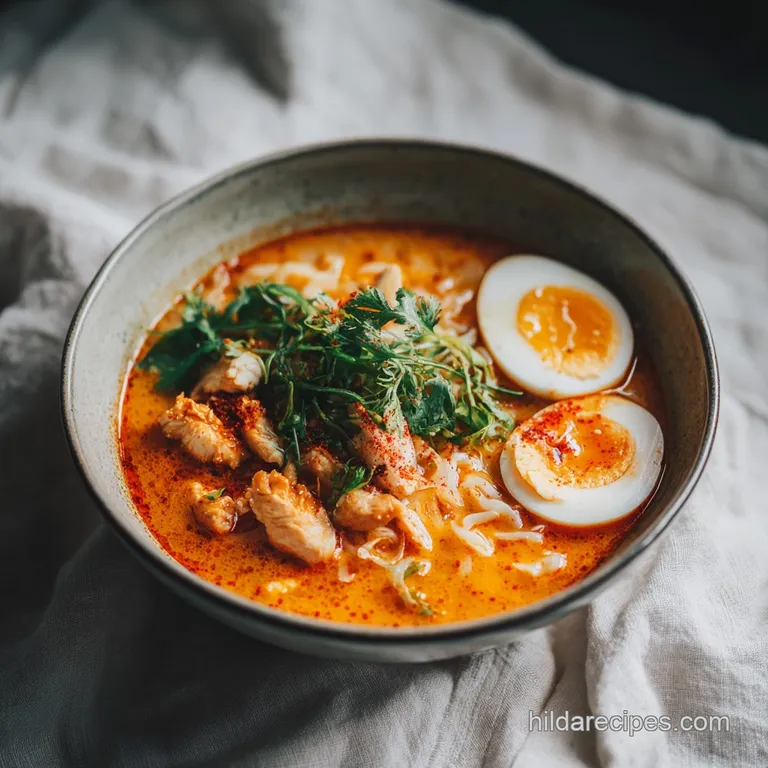
- Boil the eggs. Bring water to a rolling boil, gently lower the 2 Large Eggs in, and simmer for 6 minutes exactly. Note: This creates the jammy center.
- Shock the eggs. Transfer them immediately to a bowl of ice water for 5 minutes. Until they are cold to the touch.
- Cook the noodles. Boil the 2 packs Instant Ramen Noodles in fresh water according to the pack, but stop 1 minute early. Until they have a firm bite.
- Sear the chicken. Heat 1 tbsp Olive Oil in a skillet over medium high. Add the 2 large Chicken Breasts (sliced) and cook for 5 minutes. Until golden and sizzling.
- Glaze the meat. Toss in 1 tbsp Soy Sauce, 1 tbsp Honey, 1 tsp Smoked Paprika, and 2 tsp Chili Flakes. Until the chicken is coated and sticky.
- Sauté the aromatics. Remove chicken, then add 1 tbsp Butter and 4 cloves Garlic (minced) to the same pan. Until fragrant and pale gold.
- Build the sauce. Whisk in 1 cup Heavy Cream, 1/2 cup Chicken Broth, and 1 tbsp Sriracha. Note: Scrape the bottom of the pan for flavor.
- Thicken the base. Simmer the sauce for 3-4 minutes over medium heat. Until it coats the back of a spoon.
- Toss and assemble. Add the noodles to the sauce, top with the fiery chicken, the halved eggs, 2 Green Onions, and 1 tsp Toasted Sesame Seeds. Until everything is glossy and hot.
Common Mistakes and Fixes
Why Your Cream Sauce Curdled
If your sauce looks grainy or separated, it usually means the heat was too high when the cream was added. Dairy doesn't like sudden temperature swings. To fix this, whisk in a tablespoon of warm water or extra broth very quickly to re emulsify the fats.
Fixing a Broken Cream Sauce
| Problem | Root Cause | Solution |
|---|---|---|
| Thin, watery sauce | Not enough reduction time | Simmer for 2 more minutes or add a teaspoon of cornstarch slurry |
| Overly salty base | Too much soy sauce or broth | Add a splash of heavy cream or a pinch of sugar to balance |
| Rubbery chicken | Cooked too long at low heat | Sear on high heat for a shorter time to keep juices locked in |
I've made the mistake of leaving the noodles in the boiling water for too long. They continue to cook once they hit the hot sauce, so "al dente" is your best friend here. If they're mushy, there's no saving them, so keep a close eye on that timer.
✓ Pat the chicken dry with paper towels before seasoning to ensure a better sear. ✓ Use a timer for the eggs; 10 seconds makes a massive difference in yolk texture. ✓ Don't discard all the noodle water; a splash of it can help thin a sauce that's too thick.
✓ Grate your garlic instead of chopping it for a more intense flavor profile. ✓ Let the chicken rest for 2 minutes before serving so it stays juicy.
Variations for Different Diets
If you want to swap the chicken for something else, this spicy creamy chicken ramen recipe works incredibly well with shrimp or even firm tofu. For a plant based version, you can use coconut milk instead of heavy cream, though it will add a slight tropical note to the dish.
If you are a fan of bowl style meals, you might also enjoy the vibe of a Mediterranean Chicken Bowl recipe, which uses similar prep techniques but with fresher, lighter flavors. For this ramen, you can also add bok choy or spinach into the sauce during the last minute of simmering for some extra greens.
| Original Ingredient | Substitute | Why It Works |
|---|---|---|
| Heavy Cream (1 cup) | Full fat Coconut Milk | Similar fat content. Note: Adds a nutty, tropical flavor |
| Sriracha (1 tbsp) | Gochujang (1 tbsp) | Fermented depth. Note: Makes the sauce thicker and sweeter |
| Chicken Breast | Large Shrimp | Cooks faster. Note: Changes the texture to something more tender |
Storage and Keeping Leftovers Fresh
Storing ramen is notoriously tricky because the noodles act like sponges. If you have leftovers, I highly recommend storing the sauce and chicken separately from the noodles if possible. In the fridge, the components will stay fresh for up to 3 days.
When you're ready to eat, reheat the sauce on the stovetop with a splash of milk to bring back that velvety texture.
Freezing the assembled bowl isn't great because the cream can separate and the noodles will turn to mush. However, you can freeze the glazed chicken for up to 2 months. For zero waste, save your green onion ends and put them in a jar of water on your windowsill - they'll grow back in a week.
You can also use any leftover garlic cream sauce as a base for a spicy pasta the next day.
Perfect Complements for Your Meal
Since this dish is quite rich and heavy on the garlic, I love pairing it with something crisp and acidic. A simple cucumber salad with rice vinegar and sesame oil is the perfect palate cleanser between slurps of the fiery chicken ramen.
If you are looking for other quick poultry ideas, you can't go wrong with a Chicken Rice Bowl recipe, which shares that creamy garlic DNA but uses rice as the base.
For the drink, something bubbly like a cold seltzer or a light lager helps cut through the heat of the chili flakes and the weight of the cream. Don't overthink the sides - the bowl is the star of the show here. Just make sure you have plenty of napkins because things are about to get messy in the best way possible.
Scaling this recipe is easy. If you're cooking for one, just halve everything and use a smaller pan. If you're doubling it for a group, work in batches with the chicken so you don't crowd the pan and end up steaming the meat instead of searing it.
For the sauce, you won't need to double the simmering time, but keep an eye on the consistency as larger volumes can take a few extra minutes to reduce.
Debunking Ramen Misconceptions
One big myth is that "real" ramen never uses dairy. While traditional broth relies on emulsified pork fat, many modern "fusion" shops in Tokyo use cream or soy milk to achieve that signature mouthfeel. Another one is that you have to use expensive noodles.
Honestly, for a dish this saucy, high-quality instant noodles (with the packets tossed) work perfectly because their wavy texture is designed to grab onto thick sauces. It's all about how you treat the ingredients, not how much they cost.
High in Sodium
980 mg mg of sodium per serving (43% % of daily value)
American Heart Association recommendation about 2,300mg limit
Tips to Reduce Sodium
-
Broth Swap-30%
Use a no-sodium or low-sodium chicken broth alternative. This simple swap can significantly reduce the overall sodium content of the dish.
-
Salt Reduction-25%
Halve or completely eliminate the added salt (1/2 tsp) in the recipe. Taste the dish as you cook and adjust seasoning to your preference.
-
Ramen Rethink-20%
Even without the seasoning packet, instant ramen noodles can still contain sodium. Consider replacing them with fresh ramen noodles or other low-sodium noodle options like soba or udon.
-
Sauce Control-15%
Even low-sodium soy sauce and sriracha contribute to the total sodium. Use these sauces sparingly and consider adding a touch more honey for sweetness or a splash of rice vinegar for tang.
-
Spice It Up
Enhance the flavor profile with sodium free herbs and spices such as garlic powder, onion powder, dried basil, or oregano to compensate for the reduction of sodium.
Recipe FAQs
Can I use dried garlic instead of fresh minced garlic for the creamy sauce?
No, use fresh garlic. Dried or powdered garlic lacks the sharp, pungent "bite" needed to cut through the richness of the heavy cream.
How do I prevent the heavy cream sauce from separating or becoming grainy?
Temper the cream before adding it to the pan. Slowly whisk a small amount of the hot chicken broth into the cold cream first to gradually raise its temperature, preventing curdling when it hits the high heat.
How to achieve the perfect jammy soft boiled egg center for this ramen?
Gently lower eggs into a rolling boil for exactly six minutes. Immediately transfer them to an ice bath for five minutes to halt the cooking process, ensuring the whites are set but the yolk remains liquid.
Is it true that searing the chicken on high heat causes it to dry out?
No, this is a common misconception when dealing with thin cuts. Searing quickly over high heat promotes the Maillard reaction for flavor while sealing in moisture; overcrowding the pan is what causes it to dry out by steaming.
What is the best way to ensure the spicy glaze sticks well to the chicken strips?
Toss the cooked strips with the honey and spices in the pan immediately after searing. The residual heat melts the honey, allowing it to act as a sticky binder that adheres the spices to the chicken's surface.
Can I substitute the heavy cream with a non-dairy alternative?
Yes, full fat coconut milk works best for texture matching. While it changes the final flavor profile slightly, it maintains the necessary fat content to create a rich mouthfeel similar to using dairy cream in our Creamy Garlic Butter recipe.
How long should I cook the ramen noodles since they finish in the sauce?
Cook them one minute less than the package directs. The noodles will absorb liquid and continue cooking when tossed in the hot, simmering sauce, preventing a final mushy texture.
Fiery Creamy Chicken Ramen
Ingredients:
Instructions:
Nutrition Facts:
| Calories | 1398 kcal |
|---|---|
| Protein | 88 g |
| Fat | 84 g |
| Carbs | 66 g |
| Fiber | 3 g |
| Sugar | 12 g |
| Sodium | 980 mg |
