Easy French Toast Recipe for Beginners

- Time: Active 5 minutes, Passive 0 minutes, Total 15 minutes
- Flavor/Texture Hook: Shattering crispy edges with a velvety, melt in-your mouth center
- Perfect for: Lazy Sunday mornings or a beginner friendly brunch
- Master This Easy French Toast Recipe For Beginners
- Science Behind The Velvety Custard
- Essential Recipe Specs And Timing
- Building Blocks For Fluffy Slices
- Tools For A Golden Sizzle
- Bringing Your Breakfast Together
- Troubleshooting Common Cooking Mistakes
- Tasty Ways To Mix It Up
- Myths About Breakfast Toast
- Preservation Secrets For Leftovers
- Serving And Enjoying Your Creation
- FAQ
- Troubleshooting Common Issues
- Recipe FAQs
- 📝 Recipe Card
Master This Easy French Toast Recipe For Beginners
The sizzle of butter hitting a warm cast iron skillet is the soundtrack to my favorite childhood memories. I still remember the aroma of cinnamon and vanilla wafting through my grandmother's sun drenched kitchen, a scent that promised a morning of pure comfort.
Back then, I thought it was magic, but as I started my own kitchen trials, I realized it was really about the patience of the soak and the quality of the bread.
My early attempts were, honestly, a bit of a disaster. I once used thin sandwich bread and ended up with a pile of sad, cinnamon flavored mush that stuck to the pan. It was a mess! But those mistakes taught me that this dish isn't just about dipping bread in eggs; it's about creating a structural masterpiece.
We're looking for that specific contrast between a firm, golden exterior and a soft, custard like interior.
You're going to love this because it's foolproof. We've stripped away the fuss and focused on what actually works for a beginner. No fancy equipment is needed just a few bowls, a good pan, and the right ingredients from your fridge.
By the end of this, you'll be serving up slices that look like they came straight from a high end bistro, but with all the heart of a home cooked meal.
Science Behind The Velvety Custard
The Osmosis of the Soak
The science here relies on starch gelatinization and protein denaturation. When you soak the bread, the milk hydrates the starches while the egg proteins create a structural mesh that sets upon hitting the heat.
- Protein Coagulation: Eggs act as the glue, setting at 145°F to transform liquid custard into a solid, tender crumb.
- Maillard Reaction: The sugar and milk proteins react under heat to create those complex, nutty flavors and the deep brown crust.
- Capillary Action: Porous bread like brioche pulls the liquid into its center, ensuring no dry spots remain in the middle.
Done ness Decision Table
| Thickness | Heat Level | Cook Time | Visual Cue |
|---|---|---|---|
| 1 inch slice | Medium Low | 3-4 mins/side | Surface springs back when pressed |
| 0.5 inch slice | Medium | 2-3 mins/side | Edges appear dry and golden |
| 1.5 inch slice | Low | 5-6 mins/side | Sides look opaque and set |
This table helps you adjust your timing based on how thick you like your bread. For this specific recipe, we are sticking to that 1 inch sweet spot for the best texture balance.
Essential Recipe Specs And Timing
Understanding the "why" behind your ingredients helps you navigate the kitchen with more confidence. For this easy french toast recipe for beginners, the ratio of fat to liquid is the secret to avoiding that "scrambled egg" taste that ruins so many breakfast plates.
Component Analysis
| Ingredient | Science Role | Pro Secret |
|---|---|---|
| Whole Milk | Provides moisture and fat | Use full fat for a richer, creamier mouthfeel |
| Large Eggs | Structural binder | Room temp eggs whisk smoother into the milk |
| Cinnamon | Flavor aromatic | Whisk constantly as it tends to float on top |
| Granulated Sugar | Caramelization agent | Encourages a crisp, dark crust via browning |
While many people just toss everything into a bowl, the order matters. Whisking the eggs and sugar first ensures the protein is broken down before the milk dilutes it, leading to a much more cohesive custard.
Building Blocks For Fluffy Slices
Getting the ingredients right is half the battle. You don't need to break the bank, but choosing the right structural foundation makes a massive difference in your final result.
- 6 slices Thick cut Brioche or Challah: Why this? These breads have high egg content, making them sturdy enough for soaking.
- Substitute: Thick cut Texas toast or French bread.
- 3 Large Eggs: Why this? They provide the necessary lift and richness.
- Substitute: 3/4 cup liquid egg substitute.
- 0.75 cup Whole Milk: Why this? The fat content balances the protein in the eggs.
- Substitute: Heavy cream for extra decadence or oat milk.
- 1 tablespoon Granulated Sugar: Why this? Just enough to help with browning and sweetness.
- Substitute: Brown sugar or maple syrup.
- 1 teaspoon Pure Vanilla Extract: Why this? Adds that classic, floral bakery aroma.
- Substitute: Almond extract (use only 1/4 tsp).
- 1 teaspoon Ground Cinnamon: Why this? The essential warm spice for this dish.
- Substitute: Nutmeg or pumpkin pie spice.
- 1 pinch Kosher Salt: Why this? Salt heightens the sweetness of the vanilla and sugar.
- Substitute: Fine sea salt.
- 2 tablespoons Unsalted Butter: Why this? For flavor and a golden finish.
- Substitute: Salted butter (omit the extra pinch of salt).
- 1 tablespoon Vegetable Oil: Why this? Raises the smoke point of the butter to prevent burning.
- Substitute: Grapeseed or avocado oil.
Tools For A Golden Sizzle
You don't need a professional kitchen, but a few specific items will make your life easier. A wide, shallow bowl is non negotiable for the soaking phase. If you use a deep, narrow bowl, you'll struggle to get the bread in and out without breaking it.
A heavy bottomed skillet, preferably cast iron or a quality non stick pan, is your best friend here. These pans distribute heat more evenly, which prevents those annoying "hot spots" where one side of your toast burns while the other stays raw.
I also recommend a wide spatula to support the weight of the soaked bread as you transfer it to the pan.
Bringing Your Breakfast Together
Now, let's get to the fun part. Follow these steps closely, and pay attention to the sensory cues like the smell of the cinnamon and the sound of the sizzle.
- Prep the bread. Slice your brioche into 1 inch thick pieces. If the bread is very fresh, let it sit out on the counter for 30 minutes to dry slightly.
- Whisk the eggs. In a wide, shallow dish, beat the 3 large eggs with the 1 tablespoon sugar and 1 teaspoon cinnamon. Note: Mixing the sugar with the eggs first prevents clumps.
- Finish the custard. Stir in the 0.75 cup whole milk, 1 teaspoon vanilla, and pinch of salt until well combined.
- Heat the pan. Place your skillet over medium low heat. Add 1 tablespoon of butter and the 1 tablespoon of oil. Cook until the butter foam begins to subside.
- Soak the slices. Dip a slice of bread into the custard. Hold for 20 seconds, then flip and soak for another 20 seconds. Note: Don't rush this; the center needs to be hydrated.
- Transfer to skillet. Lift the bread, let the excess custard drip off for a second, and place it gently into the hot butter.
- Sear the first side. Cook for 3-4 minutes until the bottom is deep mahogany and releases easily from the pan.
- Flip and finish. Add the remaining butter if the pan looks dry. Flip and cook the other side for another 3 minutes until the bread feels slightly firm and bouncy.
- Keep them warm. Transfer finished slices to a wire rack in a 200°F oven while you finish the remaining batches.
Chef's Tip: If you find your cinnamon is clumping on the first slice, whisk the custard again before every single dip. The spice loves to float, so a quick stir keeps the flavor layers even across all six slices.
Troubleshooting Common Cooking Mistakes
Rescuing Soggy Limp Slices
If your toast feels like a wet sponge in the middle, it's usually because the pan was too hot. The outside browned before the inside had a chance to set. To fix this, you can pop the slices into a 350°F oven for 5 minutes; the dry heat will help firm up that internal custard without burning the crust.
Avoiding Scrambled Egg Taste
This usually happens if the eggs aren't whisked thoroughly or if the heat is too high, causing the egg protein to seize and separate from the milk. Next time, ensure your eggs are room temperature and whisk until no streaks of white or yolk remain before adding the milk.
| Problem | Root Cause | Solution |
|---|---|---|
| Burnt outside, raw inside | Heat too high | Reduce to medium low; use a lid to trap heat |
| Bread falling apart | Over soaking or soft bread | Use stale bread; limit soak to 20 seconds |
| Greasy texture | Pan not hot enough | Wait for butter to sizzle before adding bread |
Common Mistakes Checklist
- ✓ Using fresh from the oven bread (it's too moist; use day old bread instead)
- ✓ Skipping the oil (oil prevents the butter solids from burning too quickly)
- ✓ Overcrowding the pan (this lowers the temperature and leads to steaming)
- ✓ Forgetting the salt (salt is the key to making the vanilla flavor "pop")
Tasty Ways To Mix It Up
Once you've mastered the basics of this easy french toast recipe for beginners, you can start playing with the profile. I love adding a teaspoon of orange zest to the custard for a bright, citrusy lift that cuts through the richness of the butter. If you're hosting a bigger brunch, this pairs beautifully with a Crispy Hash Browns recipe to add a salty, crunchy element to the plate.
For those who want something even more sophisticated, try the "sandwich" method. Spread a thin layer of cream cheese and jam between two slices before soaking the whole thing as one unit. It takes a bit more care in the pan, but the result is a stuffed French toast that rivals any restaurant. If you're looking for other breakfast classics to round out your repertoire, my Eggs Benedict with recipe is a fantastic skill builder for perfecting your poaching technique.
Time Saving Shortcuts
| Shortcut | Time Saved | Flavor Impact |
|---|---|---|
| Pre sliced bread | 2 mins | Minimal (ensure it's thick cut) |
| Sheet pan method | 10 mins | Less crispy edges, but feeds a crowd |
| Pre mixed custard | 3 mins | None (keep in fridge up to 24 hrs) |
Using the sheet pan method is a great hack for big families. You basically bake the soaked bread at 400°F on a buttered baking sheet for 15 minutes, flipping once. You lose that specific pan seared "shatter," but you gain the ability to eat all at once!
Myths About Breakfast Toast
Myth: You must use expensive, artisan bread. Truth: While brioche is lovely, even basic thick cut white bread works if you let it sit out to get slightly stale. The "stale" factor is actually more important than the price tag because dry bread acts like a sponge for the custard.
Myth: Soaking longer is always better. Truth: Over soaking leads to structural collapse. If you leave a slice in the liquid for more than a minute, it will likely fall apart before it ever reaches the pan. Aim for "saturated but stable."
Preservation Secrets For Leftovers
Storage: You can keep cooked slices in an airtight container in the fridge for up to 3 days. To maintain the texture, avoid stacking them while they are still hot, as the steam will make them soggy.
Freezing: This is a meal prep dream. Flash freeze individual slices on a baking sheet for an hour, then transfer them to a freezer bag. They’ll stay fresh for up to 2 months.
Reheating: Avoid the microwave! It turns the bread gummy. Instead, pop the slices into a toaster or back into a dry skillet over medium heat. This revives the crispy exterior while keeping the center velvety.
Zero Waste: If you have leftover custard, don't pour it down the drain. You can use it to make a small bread pudding or even dip leftover pieces of cake or muffins in it for a decadent dessert "toast."
Serving And Enjoying Your Creation
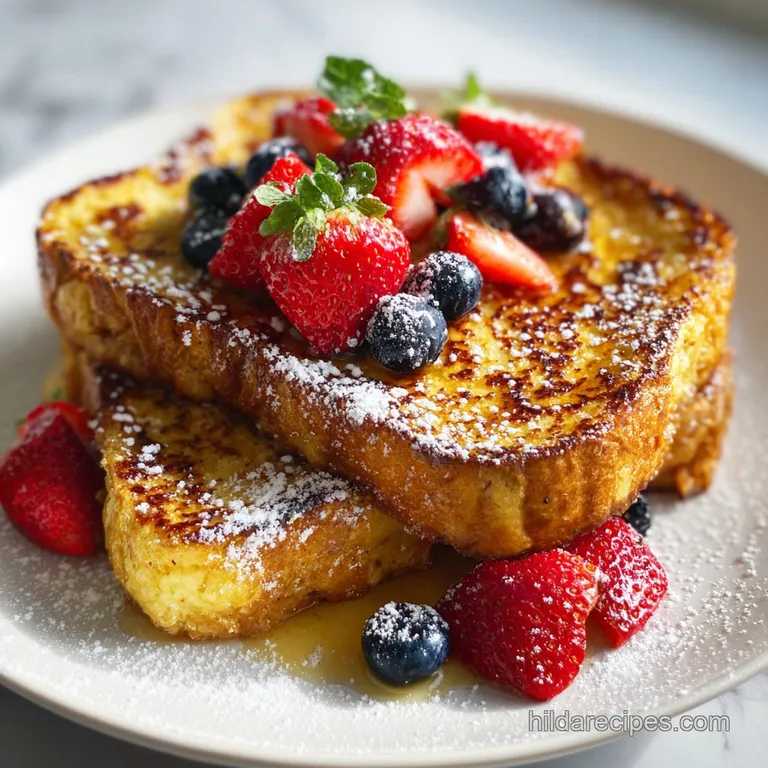
The classic way to enjoy this is with a generous glug of pure maple syrup and a knob of cold butter. However, don't be afraid to experiment. A dusting of powdered sugar adds a delicate sweetness, while fresh berries provide a necessary tartness that balances the heavy custard.
If you're feeling adventurous, a drizzle of honey and a sprinkle of flaky sea salt can be a total "revelation" oops, I mean it's truly a fantastic combination! The key is to serve it immediately while the edges are still crisp.
There’s something so satisfying about that first bite where the crust gives way to the creamy interior. It's the ultimate breakfast win for any beginner.
FAQ
Troubleshooting Common Issues
| Issue | Solution |
|---|---|
| What is the best bread for French toast | Thick cut, enriched breads like Brioche or Challah are the top choices because their high fat and egg content provide a sturdy structure that holds the custard without becoming mushy. |
| French toast soggy in the middle | Sogginess usually occurs if the bread was soaked for too long or if the cooking temperature was too high, causing the outside to brown before the internal custard could set. |
| Make French toast without milk | Yes, you can substitute whole milk with non dairy alternatives like oat milk or almond milk, or use heavy cream for a richer version. |
| To use stale bread | While not strictly required, slightly dry or day old bread is ideal because it absorbs the custard more effectively without falling apart. |
| Prevent the cinnamon from clumping | Whisk the cinnamon into the eggs before adding the milk, and give the custard a quick stir before dipping each slice of bread to keep the spice evenly distributed. |

Recipe FAQs
What ingredients do you need for French toast?
You primarily need bread, eggs, milk, sugar, vanilla, cinnamon, and fat for cooking. A thick, slightly stale bread like brioche holds the custard best, while whole milk provides necessary fat richness for the batter.
What is the trick to French toast?
The trick is balancing the soak time with the pan temperature. Soak the bread for about 20 seconds per side to fully hydrate the center without letting it become saturated enough to fall apart when cooking over medium low heat.
What is one common mistake when preparing French toast?
A common mistake is overcrowding the skillet, which lowers the temperature. Overcrowding causes the bread to steam rather than sear, resulting in a pale and soggy texture instead of a crisp, golden crust.
What milk is best for French toast?
Whole milk is recommended for the best flavor and texture balance. The fat content in whole milk enriches the egg custard, ensuring the cooked toast is creamy and doesn't taste thin or watery.
How long should I soak the bread in the egg mixture?
Dip each side for approximately 20 seconds for a 1 inch thick slice. This ensures the custard penetrates the center for a velvety texture without leading to a structure that collapses during cooking.
Should I use salted or unsalted butter when cooking?
Unsalted butter is technically preferred, but salted works fine if you adjust the added salt. Using unsalted butter allows you to precisely control the overall sodium level, preventing the final dish from tasting too sharp.
Is it true I must use fresh bread?
No, this is a common misconception; slightly stale bread is actually better. Day-old or slightly dried bread soaks up the custard perfectly without dissolving, providing the necessary structure for a golden sear.
Easy French Toast Recipe
Ingredients:
Instructions:
Nutrition Facts:
| Calories | 519 calories |
|---|---|
| Protein | 18.3g |
| Fat | 27.1g |
| Carbs | 50.3g |
| Fiber | 2.7g |
| Sugar | 11.5g |
| Sodium | 485mg |
