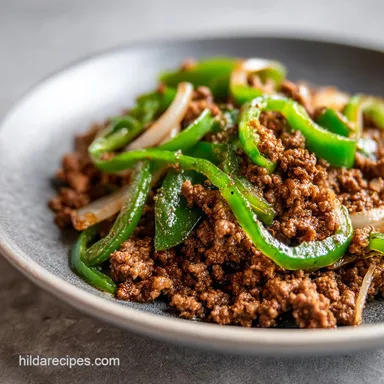
Authentic Cuban Beef Picadillo: Savory and Tangy
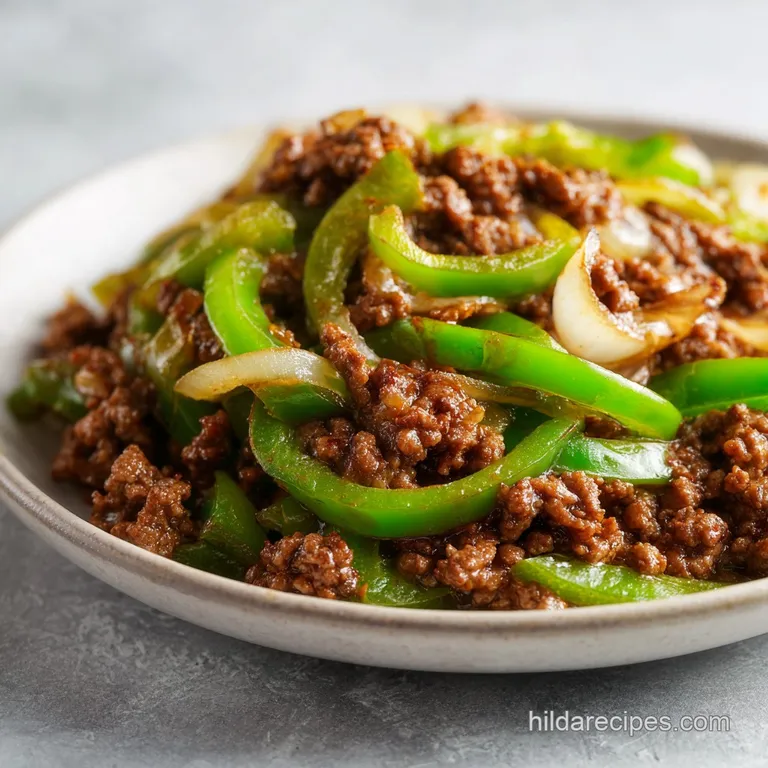
- Time: 10 min prep + 20 min cook = 30 min total
- Flavor/Texture Hook: Savory and tangy with tender potato chunks
- Perfect for: Busy weeknight dinners or meal prep
How to Make Cuban Beef Picadillo
Have you ever wondered why some ground beef dishes feel flat while others taste like a whole celebration? I remember the first time I tried to make this at home. I skipped the raisins because I thought, "Who puts dried fruit in meat?" It was a disaster.
The dish lacked that specific, tangy sweet tension that makes this recipe so special. It just tasted like a standard meat sauce, and I felt like I'd missed the heart of the dish.
Right then, I realized that this isn't just a meat dish, it's a balance of contrasts. When you get it right, the smell of cumin and sautéing peppers fills the whole house, reminding me of the crowded family kitchens I grew up around.
It's the kind of comfort food that makes you want to slow down and actually enjoy your meal, even if it's just a Tuesday night.
You can expect a hearty, savory meal that hits every taste bud. We're talking about a velvety sauce that clings to the beef, with little bursts of salt from the olives and sweetness from the raisins. This Cuban Beef Picadillo is honest, straightforward, and surprisingly deep in flavor.
Let's crack on and get this on the stove.
Secrets for a Great Result
Getting the texture and flavor right takes a few specific moves. It's not just about throwing things in a pan, but about how the ingredients interact.
Aromatic Foundation: Sautéing the onion and pepper slowly allows the sugars to release, creating a savory base. This prevents the vegetables from tasting raw and adds a natural sweetness.
Starch Integration: Cutting the potatoes into tiny, uniform cubes is key. Because they're so small, they cook in the same time as the beef simmers, releasing just enough starch to thicken the sauce without needing a flour slurry.
Contrast Layering: The olives provide an acidic, salty punch that cuts through the richness of the beef. Meanwhile, the raisins offer a soft, sweet counterpoint that rounds out the earthy cumin.
Controlled Reduction: Cooking the sauce uncovered at the very end lets the liquid concentrate. This turns a watery simmer into a rich, clinging glaze that coats every piece of beef.
| Method | Time | Texture | Best For |
|---|---|---|---|
| Stovetop | 30 min | Traditional and chunky | Quick weeknight meals |
| Oven | 60 min | Softer and more integrated | Large family gatherings |
Quick Recipe Details
I've found that the success of this dish relies on a few key components. If you change the beef fat ratio or the cut of the potato, the whole vibe shifts.
| Ingredient | Science Role | Pro Secret |
|---|---|---|
| Ground Beef | Protein & Fat Base | Use 80/20 blend for maximum savoriness |
| Cumin | Earthy Aroma | Add it to the fat, not the liquid, to wake it up |
| Tomato Sauce | Acidic Binder | Avoid "seasoned" versions to control the salt |
| Raisins | Sweet Accent | Soak in warm water for 5 mins to plump them up |
Essential Pantry Items
Here is exactly what you'll need for this Cuban Beef Picadillo. I've listed a few swaps in case your cupboard is looking a bit bare, but trust me, the originals are where the magic happens.
- 2 tbsp olive oil Why this? High smoke point and classic flavor (Substitute: Vegetable oil - neutral taste)
- 1 medium yellow onion, finely diced Why this? Balanced sweetness (Substitute: White onion - sharper taste)
- 1 medium green bell pepper, diced Why this? Traditional earthy flavor (Substitute: Red pepper - sweeter note)
- 3 cloves garlic, minced Why this? Pungent aromatic base (Substitute: 1 tsp garlic powder - less punch)
- 1 lb ground beef Why this? Hearty and rich (Substitute: Ground turkey - leaner, less flavor)
- 1 tsp ground cumin Why this? Signature Cuban aroma (Substitute: Ground coriander - citrusy note)
- 1 tsp dried oregano Why this? Herby depth (Substitute: Dried basil - sweeter herb)
- 1/2 tsp salt Why this? Enhances all flavors (Substitute: Sea salt - cleaner taste)
- 1/4 tsp black pepper Why this? Mild heat (Substitute: White pepper - more subtle)
- 1 bay leaf Why this? Subtle floral undertone (Substitute: None - just omit)
- 8 oz tomato sauce Why this? Velvety thickness (Substitute: Tomato purée - thicker result)
- 1 medium potato, peeled and cut into 1/4 inch cubes Why this? Hearty texture (Substitute: Sweet potato - adds sweetness)
- 1/4 cup pitted green olives, sliced Why this? Briny saltiness (Substitute: Capers - more intense salt)
- 2 tbsp raisins Why this? Sweet contrast (Substitute: Dried currants - smaller and tarter)
- 1/4 cup water Why this? Prevents sticking (Substitute: Beef broth - deeper flavor)
| Original Ingredient | Substitute | Why It Works |
|---|---|---|
| Ground Beef (1 lb) | Ground Pork (1 lb) | Similar fat content. Note: Sweeter, milder flavor than beef |
| Green Olives (1/4 cup) | Caperberries (1/4 cup) | Briny and acidic. Note: Much stronger salt hit |
| Raisins (2 tbsp) | Dried Apricots (chopped) | Sweet and chewy. Note: Tangier than raisins |
Necessary Kitchen Tools
You don't need anything fancy here, just a few basics that help with the process.
- A large skillet or sauté pan: I prefer a 12 inch stainless steel pan because it gives the beef more room to brown instead of steaming.
- A sturdy spatula: Something that can really break up the beef into small crumbles.
- A sharp chef's knife: Essential for getting those potato cubes exactly 1/4 inch.
- A tight fitting lid: This is non negotiable for simmering the potatoes.
Step by step Process
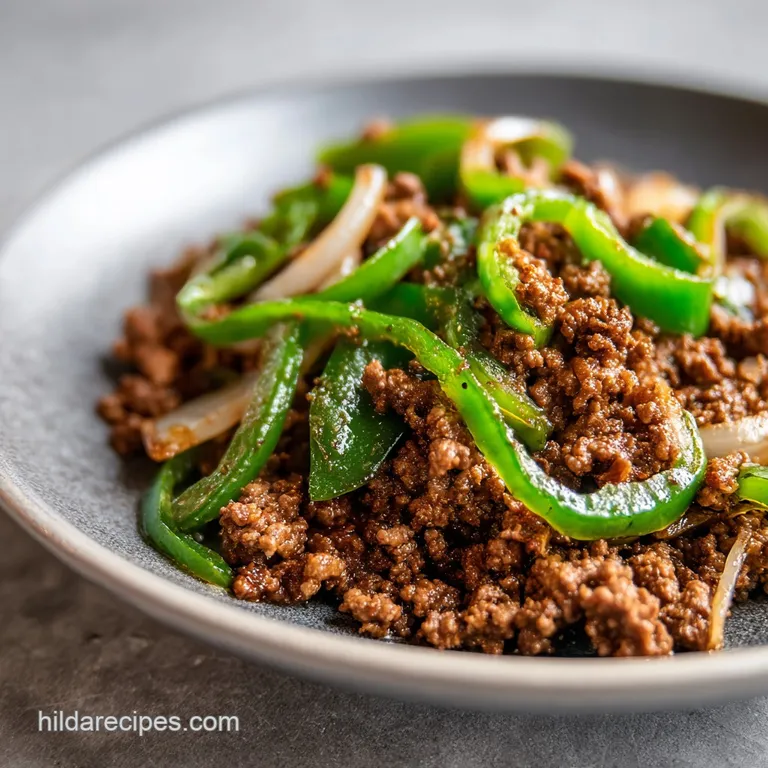
Now, let's get into the actual cooking. Pay attention to the smells and sounds, as they'll tell you when it's time to move to the next step.
Phase 1: Building the Aromatics
Heat the olive oil over medium heat. Add the diced onion and green bell pepper and sauté for 5-7 minutes until vegetables are softened and onions are translucent. You should smell a sweet, savory aroma filling the air.
Stir in minced garlic and cook for 60 seconds until it smells fragrant but isn't browned.
Phase 2: Browning the Protein
Increase heat slightly and add the ground beef. Break the meat into small crumbles with a spatula and cook until browned and no longer pink. Listen for that aggressive sizzle, which means the moisture is evaporating and the meat is searing.
Drain excess grease if necessary, but leave a little bit for flavor.
Phase 3: Simmering the Fusion
Stir in the cumin, oregano, salt, and pepper. Pour in the tomato sauce and add the diced potatoes and the bay leaf. Lower heat to medium low, cover, and simmer for 10-12 minutes until potatoes are fork tender. The scent should shift from raw spices to a rich, cohesive stew.
Phase 4: The Final Touch
Stir in the sliced green olives and raisins. Cook uncovered for another 2-3 minutes until the sauce thickens and glazes the beef. This is where the flavors marry together. Remove the bay leaf before serving.
Pro Tips and Fixes
I've made my fair share of mistakes with this Cuban Beef Picadillo, and most of them came from rushing. If you're looking for a similar ground beef experience but want something completely different in style, you might enjoy my Authentic Italian Bolognese Sauce, which uses a much slower simmer to reach its texture.
Chef's Note: If you want a deeper color and more flavor, let the beef brown for an extra 2 minutes without stirring it. This creates a crust on the meat that adds an incredible savory depth to the final sauce.
Avoid Mushy Potatoes
If your potatoes are turning into mash, you're likely cutting them too small or simmering too long. Keep them exactly 1/4 inch. If they're too soft, reduce the simmer time by 2 minutes and check them with a fork.
Too Much Salt
Between the olives and the beef, it's easy to overdo the salt. If the dish tastes too briny, don't add more salt at the start. You can balance it out at the end by adding a tiny pinch of brown sugar or an extra tablespoon of raisins.
Watery Sauce
A common issue is a sauce that feels more like a soup than a glaze. This happens if you leave the lid on for the final step. Always cook the last 3 minutes uncovered to let the excess water evaporate.
| Problem | Root Cause | Solution |
|---|---|---|
| Gummy Potatoes | Overcooking | Reduce simmer time to 10 mins |
| Bland Flavor | Undercooked Sofrito | Sauté onions/peppers longer |
| Greasy Texture | Too much beef fat | Drain fat before adding sauce |
Common Mistakes Checklist
- ✓ Don't burn the garlic; it only needs 60 seconds.
- ✓ Ensure potato cubes are uniform in size for even cooking.
- ✓ Use a tight lid to steam the potatoes effectively.
- ✓ Remove the bay leaf; it's for flavor, not for eating.
- ✓ Don't skip the raisins, even if you aren't a fan of fruit in meat.
Dietary Adjustments
This Cuban Beef Picadillo is naturally gluten-free, but there are other ways to tweak it depending on your needs. If you're in the mood for something with a completely different flavor profile using ground meat, my Korean BBQ Beef Bowl is a great alternative.
For a Low Carb Version
To make this keto friendly, simply swap the potato for diced cauliflower or turnips. Note that cauliflower releases more water, so you'll need to simmer it uncovered for a few extra minutes to ensure the sauce stays velvety.
For a Lighter Protein Swap
You can use ground turkey or chicken. However, since these meats are leaner, they can dry out. Add an extra tablespoon of olive oil to the pan to compensate for the lack of natural beef fat.
For a Vegan Friendly Twist
Swap the beef for a plant based crumble or finely chopped mushrooms and lentils. Use a vegan friendly beef broth instead of water to maintain that savory depth.
Decision Shortcut
- If you want it thicker, cook uncovered for 5 minutes.
- If you want it tangier, add an extra tablespoon of chopped olives.
- If you want it heartier, double the amount of potatoes.
Storage and Reheating
One of the best things about this dish is that the flavors actually improve after a day in the fridge. The raisins and olives have more time to infuse into the beef.
Fridge Storage
Store your Cuban Beef Picadillo in an airtight container in the fridge for up to 4 days. The sauce may thicken as it cools, which is normal.
Freezer Instructions
This recipe freezes beautifully. Place it in a freezer safe bag or container for up to 3 months. Just make sure it's completely cooled before freezing to avoid ice crystals.
Reheating Best Practices
For the best results, reheat in a skillet over medium heat. Add a splash of water or beef broth to loosen the sauce. If using a microwave, cover the dish and heat in 1 minute intervals, stirring in between to ensure the potatoes are heated through.
Zero Waste Tip: Don't throw away the potato peels! Toss them in olive oil, salt, and pepper, and air fry them at 400°F (200°C) for 8-10 minutes for a crunchy snack while you finish the main meal.
Best Ways to Serve
While this dish is great on its own, it's meant to be part of a larger spread. The contrast in textures on the plate is what makes the meal feel complete.
The Traditional Pairing: Cuban Beef Picadillo with Rice
The most classic way to serve this is over a bed of fluffy white rice. The rice acts as a sponge for that savory, tomato based sauce. I recommend using a long grain white rice for a cleaner texture.
The Full Feast
To really lean into the Cuban experience, serve the Cuban Beef Picadillo with a side of black beans and fried sweet plantains. The shatter of a perfectly fried plantain provides a brilliant textural contrast to the tender beef and potatoes.
A slice of avocado on the side adds a creamy element that balances the acidity of the olives.
Right then, you've got everything you need to nail this. It's a dish that's all about the heart and the home. Whether you're feeding a crowd or just treating yourself, this Cuban Beef Picadillo is guaranteed to be a hit. Just remember: don't fear the raisins, trust the sizzle, and take your time with the sofrito.
Enjoy!
High in Sodium
818 mg 818 mg of sodium per serving (36% 36% of daily value)
The American Heart Association recommends a daily limit of 2,300 mg of sodium to help manage blood pressure and heart health.
Ways to Lower the Sodium in This Recipe
-
Swap the Olives-30%
Replace the pitted green olives with diced cucumber or omit them entirely, as brined olives are a primary sodium source.
-
Omit Added Salt-25%
Remove the 1/2 tsp of salt from the recipe; the natural sodium in the beef and sauce is sufficient.
-
Use No-Salt Tomato Sauce-20%
Substitute standard tomato sauce with a no-salt added version to eliminate hidden processing salts.
-
Enhance with Aromatics
Increase the cumin, oregano, and garlic or add a squeeze of fresh lemon juice to provide a zesty flavor without adding sodium.
Recipe FAQs
What is Cuban beef picadillo?
A savory ground beef hash. It is a traditional Cuban staple featuring beef simmered with tomato sauce, olives, raisins, and potatoes.
What is the difference between Mexican and Cuban picadillo?
The specific flavor profile and ingredients. Cuban picadillo emphasizes a distinct sweet and-salty balance by using raisins and green olives.
Is it true that picadillo must be spicy?
No, this is a common misconception. Traditional Cuban picadillo focuses on savory, briny, and sweet notes rather than heat.
How to keep the potatoes from becoming mushy?
Cut the potatoes into uniform 1/4 inch cubes. This ensures they cook evenly during the 10 12 minute simmer without breaking down.
Can I use a different cut of beef?
Yes, you can use other beef cuts. If you enjoy the slow cooked tenderness of a beef stew, you can use finely diced chuck roast instead of ground beef.
How to store and reheat leftovers?
Place in an airtight container in the refrigerator. Reheat on the stovetop or in the microwave; the flavor improves after a day as the raisins and olives further infuse.
Why are raisins added to a savory beef dish?
To create a sweet and-salty contrast. The raisins balance the saltiness of the green olives and the acidity of the tomato sauce.
Cuban Beef Picadillo