Creamy Caprese Pasta Salad with Pesto
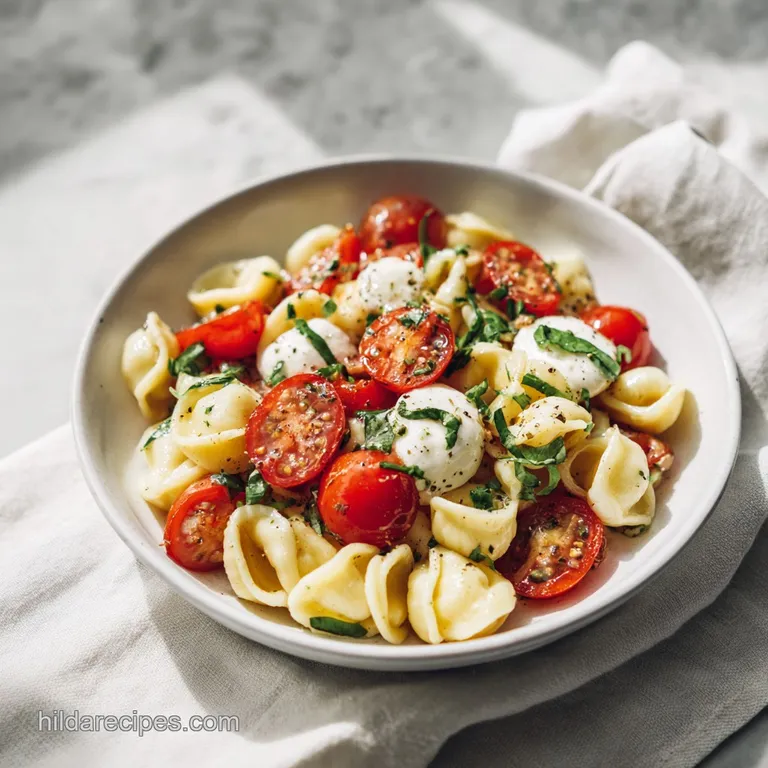
- Time: Active 15 minutes, Passive 10 minutes, Total 25 minutes
- Flavor/Texture Hook: Velvety pesto cream with bursts of acidic tomato and milky mozzarella
- Perfect for: Backyard gatherings, summer meal prep, or a comforting weeknight side dish
- Master the Creamy Caprese Pasta Salad
- Why These Layers Work Together
- Selecting Quality Seasonal Components
- Essential Tools For Success
- Simple Steps for Vibrant Results
- Fixing Texture and Flavor Issues
- Adapting This Dish For Crowds
- Kitchen Myths Debunked
- Storage and Using Every Scrap
- Serving Suggestions for Family Meals
- Recipe FAQs
- 📝 Recipe Card
Master the Creamy Caprese Pasta Salad
I still remember the first time I served a traditional caprese salad at a family reunion. The flavors were there, but by the time the fourth person hit the buffet line, the balsamic had turned the mozzarella grey and the basil looked like it had given up on life. It was a watery mess.
I realized then that if I wanted those nostalgic Italian flavors to actually last through a party, I had to rethink the delivery.
That is when I started experimenting with this creamy version. I wanted something that felt like comfort food but tasted like a summer garden. By swapping a thin vinaigrette for a Greek yogurt and pesto base, I found the secret to a salad that stays luscious and vibrant for hours.
It is the kind of dish that reminds me of my grandmother’s kitchen, where nothing was ever rushed and every ingredient had a purpose.
We have perfected this recipe over many summers, learning exactly when to toss the pasta and how to keep the basil from bruising. You are going to love how the white balsamic vinegar cuts through the richness of the pesto without darkening the beautiful colors of the tomatoes.
It is bright, satisfying, and honestly, a bit of a showstopper when you drizzle that thick balsamic glaze over the top right before serving.
Why These Layers Work Together
Creating a salad that stays creamy requires a bit of kitchen physics to prevent the pasta from drinking up all the sauce. Here is what is happening under the surface of your mixing bowl.
- Starch Gelatinization: Cooking the pasta in heavily salted water seasons the noodle from the inside out while leaving a rough surface for the sauce to grab.
- Acid Stabilization: The white balsamic vinegar doesn't just add tang, it prevents the Greek yogurt from feeling too heavy or coating the palate unpleasantly.
- Emulsion Maintenance: Mixing the pesto with yogurt creates a stable fat in-water emulsion that resists breaking better than a standard oil and vinegar dressing.
- Osmotic Pressure: Salting the pasta water but not the tomatoes early on ensures the vegetables stay crisp and don't leak excess water into your creamy sauce.
| Serving Goal | Pasta Amount | Mix in Ratio | Prep Strategy |
|---|---|---|---|
| Family Dinner (4) | 0.5 lb | Original | Toss and serve immediately |
| Potluck Crowd (8) | 1 lb | Original | Undercook pasta by 1 min |
| Large Party (16) | 2 lbs | 1.5x Dressing | Keep dressing separate until arrival |
Choosing the right method for your occasion ensures the noodles never turn into a soggy heap. If you are heading to a picnic, I highly recommend the potluck strategy to maintain that perfect al dente bite.
Selecting Quality Seasonal Components
Every ingredient in this dish has a specific role to play in building layers of flavor. We aren't just tossing things in a bowl; we are choosing elements that contrast and complement each other.
| Ingredient | Science Role | Pro Secret |
|---|---|---|
| Fusilli Pasta | Surface Area | The spirals act as "flavor traps" for the creamy pesto sauce. |
| Greek Yogurt | Creamy Base | Provides a velvety mouthfeel with less fat and more protein than mayo. |
| White Balsamic | Flavor Brightener | Offers the sweetness of balsamic without staining the white mozzarella pearls. |
| Pesto | Herby Fat | Delivers concentrated basil flavor and healthy fats for a silky texture. |
Using high-quality white balsamic is a little trick I learned from a chef friend years ago. It keeps the salad looking fresh and "clean" compared to the muddy look you get from dark vinegar. Similar to how we balance the acidity in my Greek Salad Recipe, the vinegar here acts as the bridge between the heavy fats and the fresh vegetables.
Essential Tools For Success
You do not need a professional kitchen to get this right, but a few specific tools make the process much smoother. A large stainless steel or glass mixing bowl is vital because you need plenty of room to fold the ingredients without crushing the delicate mozzarella pearls. I also swear by a microplane for the garlic.
Grating the garlic into a paste ensures it melts into the dressing so nobody gets a harsh, spicy bite of raw clove.
A sturdy colander is obviously necessary for the pasta, but don't just let it sit there. You want to give it a good shake to remove every drop of water. Excess moisture is the enemy of a creamy sauce. Finally,, use a sharp chef's knife for the basil. If your blade is dull, you will bruise the leaves and they will turn black before you even hit the table. If you are looking for another crowd pleaser that uses similar tools, my Macaroni Salad in recipe is a fantastic companion for your next outdoor gathering.
Simple Steps for Vibrant Results
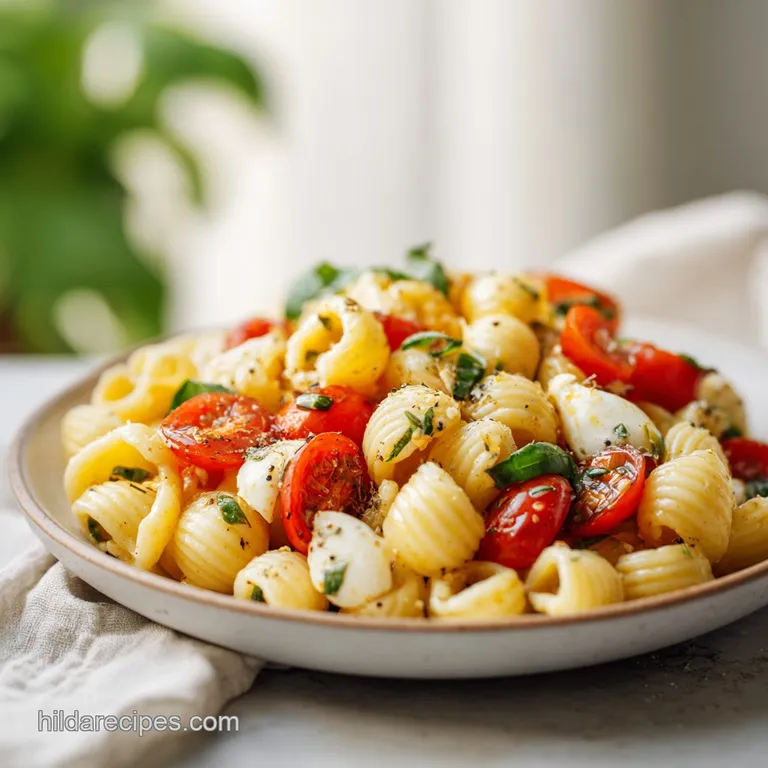
This process moves quickly once the water is boiling, so have your "mise en place" ready. The goal is to marry the warmth of the pasta with the cool creaminess of the dressing just at the right moment.
- Boil 1 lb short pasta in water with 1 tbsp Kosher salt until al dente and firm to the bite.Note: Follow the package "al dente" time exactly to prevent mushiness later.
- Drain the pasta well and spread it on a sheet pan for 5 minutes until steam stops rising.Note: Cooling it slightly prevents the yogurt in the dressing from curdling.
- Whisk 1/2 cup pesto, 1/3 cup Greek yogurt, 2 tbsp white balsamic, 1 grated garlic clove, and 1/2 tsp black pepper until smooth and pale green.
- Halve 2 cups cherry tomatoes and finely mince 1/4 cup red onion until uniform in size.
- Slice 1 cup fresh basil leaves into thin ribbons (chiffonade) using a very sharp knife.
- Place the slightly warm pasta in a large bowl and pour the dressing over it until every spiral is coated.
- Fold in the tomatoes, red onion, and 8 oz drained mozzarella pearls using a gentle bottom to top motion.
- Add the basil ribbons last and toss once more until evenly distributed.
- Chill for at least 30 minutes until the flavors have melded.
- Drizzle 2 tbsp thick balsamic glaze over the top just before serving for a striking contrast.
Fixing Texture and Flavor Issues
Why Your Pasta Salad is Dry
Pasta is essentially a sponge made of flour. If you add your dressing while the pasta is piping hot, the pores are wide open and it will drink the sauce instantly, leaving you with a dry, sticky mess. If this happens, don't panic.
You can often revive it by folding in an extra tablespoon of yogurt mixed with a splash of water or milk to loosen the proteins.
| Problem | Root Cause | Solution |
|---|---|---|
| Greasy Texture | Pesto separated from yogurt | Add 1 tsp of warm water and whisk vigorously to re emulsify. |
| Muted Flavor | Pasta wasn't salted enough | Add a pinch of flaky sea salt right before serving to "pop" the flavors. |
| Watery Bottom | Tomatoes were too ripe/juicy | Use grape tomatoes which have thicker walls and less interior liquid. |
Sometimes the basil can be a bit finicky, especially if it is hot outside. If you notice your greens wilting, it is usually a sign that the pasta was still too warm when you tossed it.
Common Mistakes Checklist ✓ Always salt your pasta water like the sea (it is your only chance to season the noodle). ✓ Drain mozzarella pearls thoroughly on a paper towel to avoid a "milky" puddle in the bowl.
✓ Let the pasta cool on a flat surface rather than in a heap in the colander. ✓ Wait to add the balsamic glaze until the very last second so it stays thick and dark. ✓ Use full fat Greek yogurt if possible; the fat helps carry the basil flavor across your tongue.
Adapting This Dish For Crowds
This recipe is incredibly forgiving when you need to feed a small army or just a quiet dinner for two. When cutting the recipe in half, use a smaller pot for the pasta to maintain the starch concentration in the water.
For the dressing, you might find you need a tiny bit more yogurt than exactly half, as some will inevitably stick to the sides of your whisk and bowl.
When doubling the recipe for a big graduation party or wedding shower, I recommend only increasing the spices and salt to 1.5x the original amount. Flavors tend to amplify in large batches, and you can always add more later, but you can't take it out. Also, work in batches when tossing. Trying to mix 2 lbs of pasta in one bowl usually results in smashed tomatoes and broken mozzarella. This dish feels a bit more refined than my BLT Pasta Salad recipe, so it works beautifully for occasions where you want something elegant but easy.
| Ingredient | Budget Swap | Flavor Impact | Savings |
|---|---|---|---|
| Mozzarella Pearls | Cubed Block Mozzarella | Firmer texture, less "milky" | Save $3-4 |
| High End Pesto | Store Brand + Lemon Juice | Slightly less nutty | Save $2-3 |
| White Balsamic | Apple Cider Vinegar + Honey | More tart, less depth | Save $2 |
Kitchen Myths Debunked
Many people believe you must rinse pasta in cold water for salad to stop the cooking. While this does stop the heat, it also washes away the precious starch that helps the dressing stick. Instead, spread the pasta out on a tray. The steam escapes, the cooking stops, but the starch stays exactly where it belongs.
Another common misconception is that the balsamic glaze is the same as balsamic vinegar. It is not. The glaze is reduced and often sweetened, which is why it sits on top of the salad beautifully rather than soaking in.
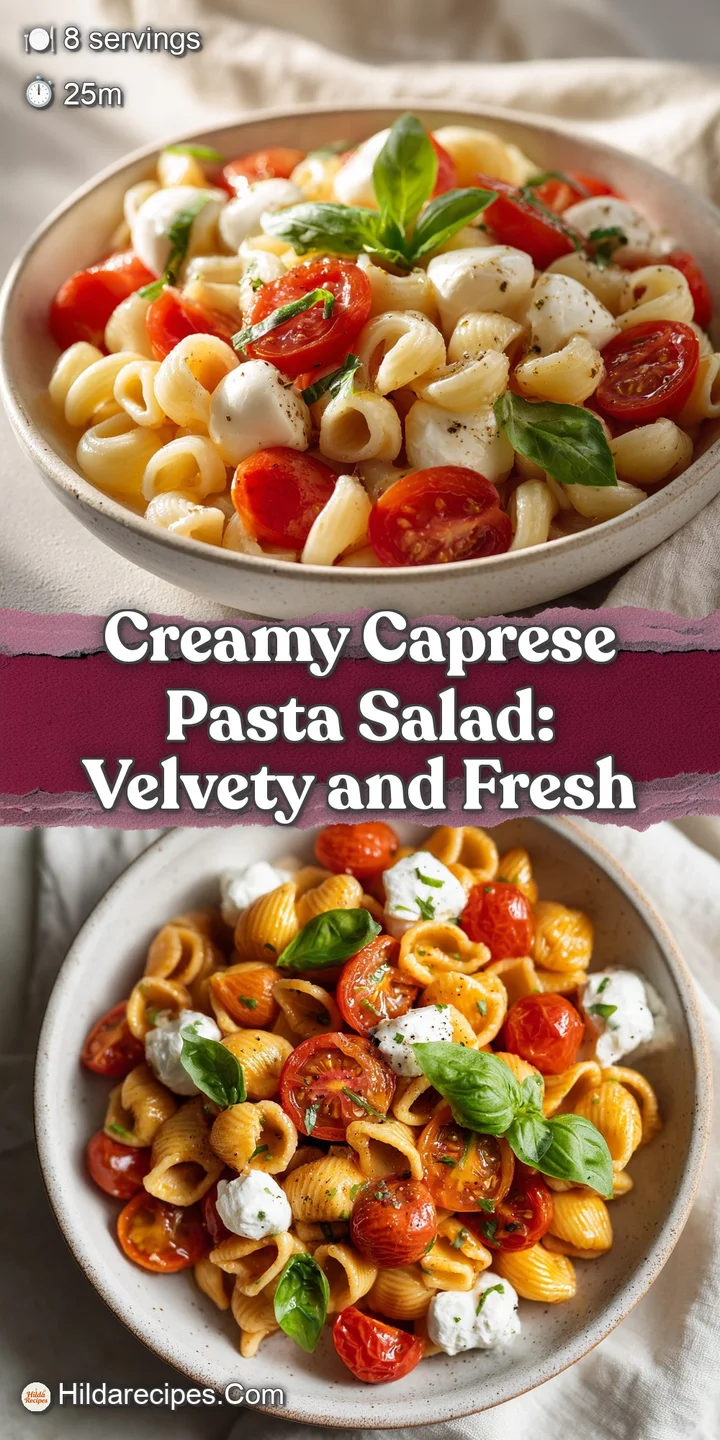
If you swap them, you will end up with a grey, acidic salad instead of the vibrant, striped beauty you see in the photos.
Storage and Using Every Scrap
This Creamy Caprese Pasta Salad is at its peak about 1 hour after mixing, but it will keep in an airtight container in the fridge for up to 3 days. I don't recommend freezing it; the yogurt will separate and the tomatoes will turn to mush when thawed.
If the leftovers feel a bit tight the next day, just stir in a teaspoon of olive oil or a tiny dollop of yogurt to bring back that velvety sheen.
Don't toss those tomato tops or the stems from your basil! Basil stems are packed with flavor and can be tossed into a freezer bag for your next batch of homemade pasta sauce or vegetable stock.
If you have extra tomatoes that are getting a bit too soft for the salad, roast them with a bit of garlic and oil to make a concentrated spread for crackers.
Serving Suggestions for Family Meals
To turn this into a full meal, I love serving it alongside some grilled lemon herb chicken or a flaky piece of white fish. The creaminess of the pasta salad acts as a built in sauce for the lean protein.
If you are keeping it vegetarian, a side of crusty sourdough bread is mandatory for swiping up any leftover pesto dressing at the bottom of the bowl.
For a true "generations" style Sunday lunch, I often set out a bowl of extra parmesan cheese and some red pepper flakes. My kids love the extra cheese, while the adults usually go for the heat.
This dish is all about making memories around a table filled with fresh, honest ingredients that have been treated with just a little bit of care. Enjoy every bite!
Recipe FAQs
Can I make the dressing ahead of time for the Creamy Caprese Pasta Salad?
Yes, up to 2 days in advance. Whisk the pesto, yogurt, and seasonings together, then store covered in the refrigerator. Stir well before tossing with the pasta as it may firm up slightly.
How to keep the pasta from soaking up all the creamy dressing?
Cool the pasta slightly before mixing. Drain the pasta well and spread it on a baking sheet for about five minutes until the intense steam stops rising. This lowers the temperature just enough so the starch won't immediately drink all the sauce.
Should I rinse the cooked pasta in cold water before assembling the salad?
No, rinsing washes away the necessary starch. That surface starch is what allows the creamy dressing to adhere perfectly to the noodles rather than sliding off.
Is it true that dark balsamic vinegar must be avoided in this recipe?
Yes, dark balsamic vinegar is best avoided for the main toss. It will quickly stain the white mozzarella pearls and basil, resulting in a muddy color profile.
How to ensure the Greek yogurt dressing emulsifies properly instead of breaking?
Whisk the pesto and yogurt thoroughly before adding any liquid. If you nailed the stable emulsion here, you can apply the same whisking method to create a great mayonnaise base in our Classic Macaroni Salad recipe for guaranteed smoothness.
Can I substitute the mozzarella pearls with a different cheese?
Yes, but fresh texture is key. You can use cubed fresh mozzarella, but it is less ideal. Try substituting with small balls of fresh goat cheese for a tangier flavor, similar to what we use to brighten up our Apple Pomegranate Salad recipe.
What is the best way to add more protein to make this a main dish?
Toss in pre-cooked, chilled white beans or shredded chicken breast. For a quick plant based option, stir in a can of rinsed black beans; the method of combining legumes and starches is also perfect for our Black Bean Corn recipe.
Creamy Caprese Pasta Salad
Ingredients:
Instructions:
Nutrition Facts:
| Calories | 383 kcal |
|---|---|
| Protein | 15 g |
| Fat | 13.4 g |
| Carbs | 50 g |
| Fiber | 2.5 g |
| Sugar | 5.2 g |
| Sodium | 380 mg |
