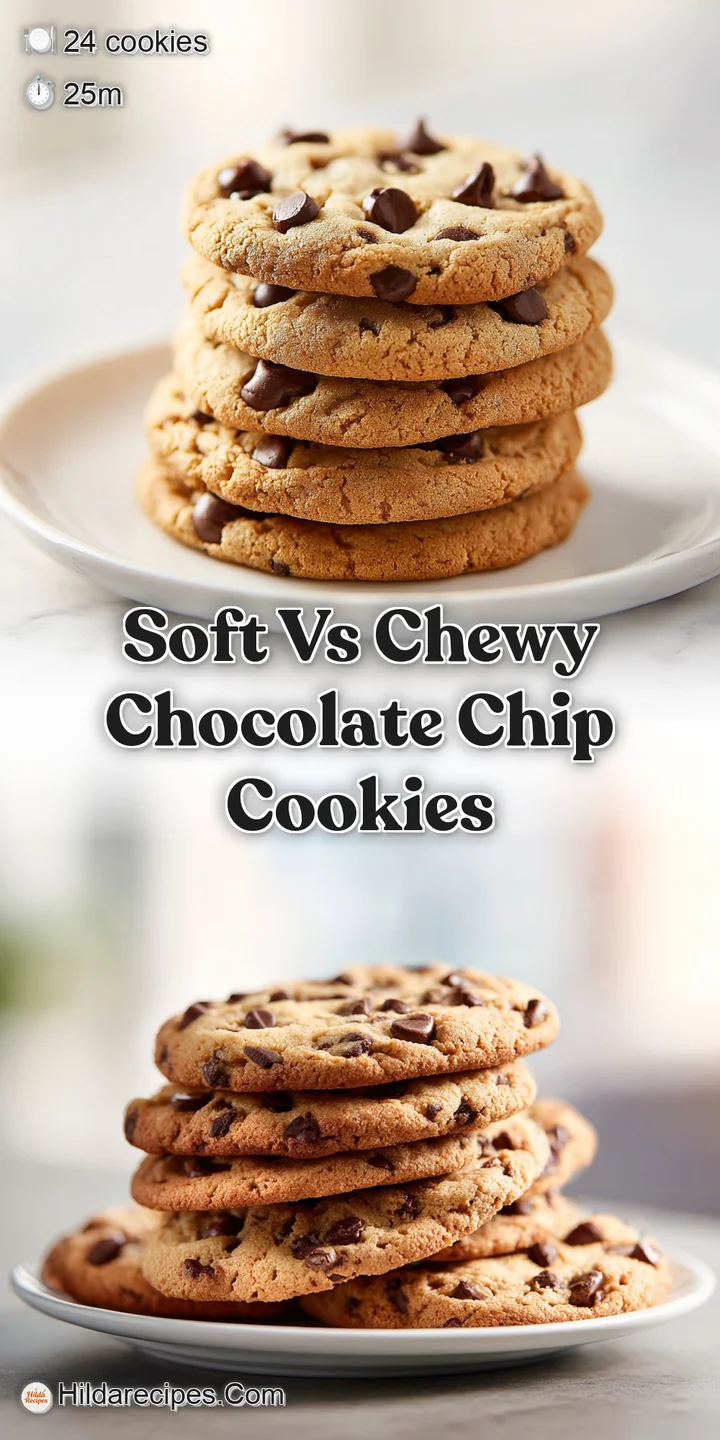
Soft Vs Chewy Chocolate Chip Cookies
- Time: Active 15 minutes, Passive 10 minutes, Total 25 minutes
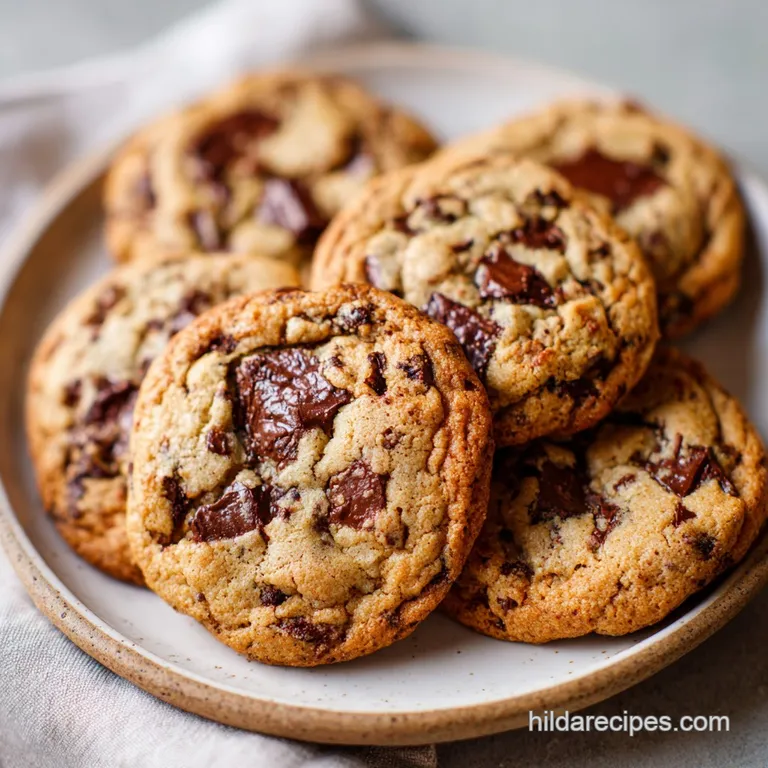
- Flavor/Texture Hook: Velvety center with a buttery, toasted sugar profile
- Perfect for: High precision home bakers and technical enthusiasts
- Soft vs Chewy Chocolate Chip Cookies Guide
- Crucial Recipe Specifications and Metrics
- Ingredient Selection for Textural Control
- Required Tools for High Precision
- Step-By-Step Technical Process
- Resolving Common Baking Failures
- Creative Flavor Profile Variations
- Storing Cookies for Lasting Freshness
- Professional Serving and Styling
- Recipe FAQs
- 📝 Recipe Card
Soft vs Chewy Chocolate Chip Cookies Guide
The aroma of browning butter hitting the sizzle of dark brown sugar is the first indicator of a successful batch. I remember a Tuesday evening three years ago when I pulled a tray of what I thought were "ideal" cookies from the oven, only to have them turn into brittle, chalky discs within an hour.
It was a frustrating failure in moisture management that sent me back to the laboratory of my own kitchen to dissect the ratio of sucrose to fructose.
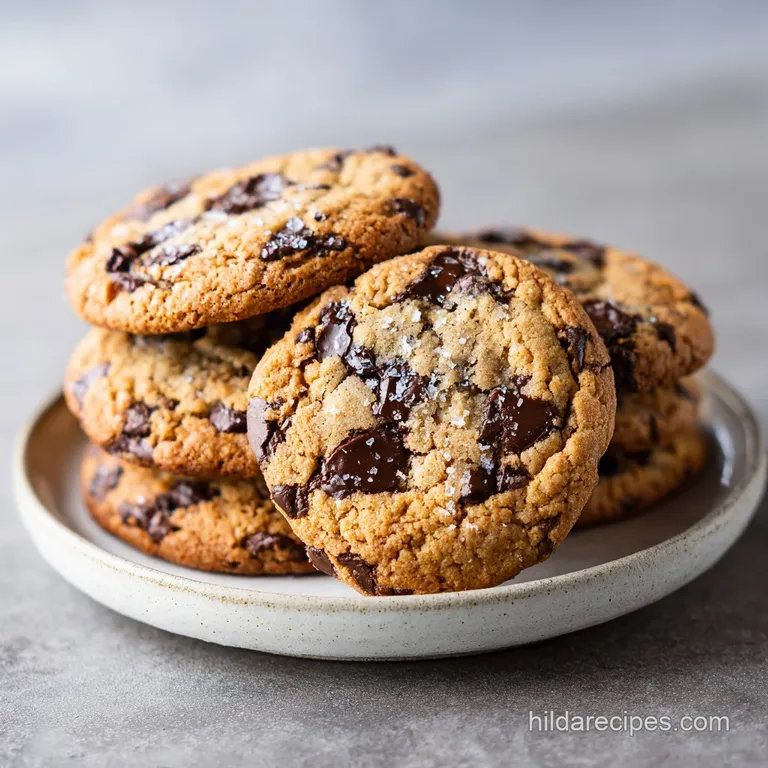
What we are aiming for here is a specific chemical state where the edges offer a slight shatter, but the center remains supple and dense. We aren't looking for a cakey crumb or a wafer thin snap.
By manipulating the hydration of the dough and the type of sugars used, we can dictate the final mouthfeel with surgical precision. This recipe bypasses the usual guesswork and focuses on the weight based metrics that define the soft vs chewy chocolate chip cookies experience.
Crucial Recipe Specifications and Metrics
Understanding the "how" requires looking at the molecular level of your ingredients. We are essentially managing the evaporation of water and the denaturation of proteins during a ten minute thermal window.
- Hygroscopy Control: Brown sugar contains molasses, which is hygroscopic, meaning it actively pulls moisture from the air and holds onto it during baking.
- Starch Modification: Adding 10g of cornstarch softens the harshness of the all purpose flour’s protein structure, leading to a more velvety bite.
- Fat State: Using melted butter instead of creamed butter results in a denser, chewier texture because it doesn't incorporate air, which would otherwise lead to a cakey, aerated rise.
- Protein Enrichment: An extra egg yolk provides lecithin and fat without the water content of an entire egg white, increasing the richness and "chew" factor.
The Physics of Hygroscopic Bonds
Sugar is not just a sweetener; it is a liquifier and a tenderizer. When dark brown sugar is heated, it dissolves and interferes with gluten development, ensuring the cookie remains pliable rather than tough.
| Method | Time | Texture | Best For |
|---|---|---|---|
| Standard Oven | 10 minutes | Crisp edges, soft core | Traditional results |
| Toaster Oven | 8 minutes | Rapid browning | Small batches |
| Air Fryer | 7 minutes | Heavy exterior crunch | High speed cravings |
Selecting the right heat source affects how quickly the sugars caramelize. The convection of an air fryer might dry the dough too quickly, whereas a standard oven allows for a more even heat distribution that preserves the moisture in the center.
Ingredient Selection for Textural Control
The components you choose serve as the building blocks for the cookie’s architecture. For instance, selecting the right fat is paramount; you might want to look into the Salted Vs Unsalted recipe to understand how sodium levels impact the final flavor profile.
| Component | Science Role | Pro Secret |
|---|---|---|
| Dark Brown Sugar (200g) | Moisture retention | Use "dark" for higher acid and molasses content |
| Cornstarch (10g) | Gluten inhibition | Sift with flour to prevent clump based voids |
| Egg Yolk (1 added) | Emulsification | Use room temperature to prevent butter seizing |
| Melted Butter (170g) | Density regulation | Cool slightly to avoid cooking the eggs |
Every gram matters when you are trying to balance the soft vs chewy chocolate chip cookies ratio. The following list outlines the exact measurements required for this specific chemical reaction.
- 325g All purpose flour Why this? Provides the base protein structure for gluten development.
- 10g Cornstarch Why this? Disrupts gluten to ensure a tender crumb.
- 5g Baking soda Why this? Promotes browning and a slight rise.
- 6g Sea salt Why this? Sharpens the sweetness and controls yeast activity.
- 170g Unsalted butter, melted and slightly cooled
- 200g Dark brown sugar, packed
- 100g Granulated white sugar
- 1 Large egg, room temperature
- 1 Egg yolk, room temperature
- 10ml Pure vanilla extract
- 340g Semi sweet chocolate chips
- 1g Flaky sea salt for finishing
Required Tools for High Precision
Precision requires the right hardware. You wouldn't perform a titration with a coffee mug, and you shouldn't bake these cookies with volume based measuring cups if you want consistency.
The Dry Base
A digital scale is non negotiable. Flour density varies wildly based on how it’s packed into a cup. By using 325g of flour, we ensure the hydration ratio remains constant every single time.
A fine mesh sieve is also useful for integrating the cornstarch and baking soda into the flour, preventing "hot spots" of leavening.
The Moisture & Fat
A heavy bottomed saucepan is best for melting the 170g of unsalted butter without scorching the milk solids. For mixing, a sturdy silicone spatula allows you to scrape the bottom of the bowl effectively, ensuring no pockets of dry flour remain to ruin the texture.
The Mix Ins
When it comes to the 340g of chocolate chips, the quality of the cocoa butter content will determine how the chocolate melts. high-quality chips maintain their shape but have a silky, velvety mouthfeel when bitten into.
step-by-step Technical Process
Follow these steps with attention to the visual and tactile cues. The timing is a guideline, but your eyes and nose are the primary instruments of measurement.
- Preheat the oven. Set your temperature to 325°F (165°C). Note: A lower temperature prevents the edges from burning before the center is set.
- Whisk dry ingredients. Combine 325g flour, 10g cornstarch, 5g baking soda, and 6g sea salt in a medium bowl until uniformly blended.
- Melt and cool butter. Heat 170g butter until liquid, then let it sit for 5 minutes. Note: Adding hot butter to eggs will scramble them.
- Emulsify sugars and fats. Combine the melted butter with 200g dark brown sugar and 100g granulated sugar. Whisk until the mixture looks like wet sand.
- Add binding agents. Incorporate the large egg, the extra yolk, and 10ml vanilla. Beat until the color lightens slightly and the texture is glossy.
- Fold in dry base. Add the flour mixture slowly. Mix until no white streaks are visible, but do not overwork the dough.
- Incorporate chocolate. Fold in the 340g of semi sweet chips using a spatula.
- Portion the dough. Scoop roughly 3 tablespoon sized balls (about 50-60g each).
- Execute the bake. Place on a parchment lined sheet and bake for 10 minutes until the edges are just barely tanned and the centers look slightly underdone.
- Apply finishing salt. Sprinkle the 1g of flaky sea salt over the warm cookies while the chocolate is still glistening.
Resolving Common Baking Failures
Baking is a series of controlled chemical reactions. When one variable like temperature or moisture is off, the entire structure of the soft vs chewy chocolate chip cookies can collapse.
Fixing "Cakey" Results
If your cookies resemble small biscuits rather than chewy delights, you likely incorporated too much air or too much flour. Aeration happens when you whisk the eggs and sugar too vigorously or for too long. Stick to the "until just glossy" rule to maintain density.
Preventing Excess Spreading
Cookies that turn into a single giant puddle on the pan usually suffer from butter that was too hot or a room that is too warm. If your kitchen is humid, chilling the dough for just 15 minutes can stabilize the fats before they hit the oven.
| Problem | Root Cause | Solution |
|---|---|---|
| Brittle/Hard | Overbaking or too much white sugar | Reduce time by 2 mins; ensure 2:1 brown to white sugar ratio |
| Greasy Bottoms | Butter was too hot when mixed | Cool melted butter until it is opaque but still liquid |
| No Browning | Oven temp too low | Verify oven temp with an external thermometer |
Common Mistakes Checklist
- ✓ Never skip the extra egg yolk; it's the primary source of the chewy texture.
- ✓ Do not over mix once the flour is added, or you'll activate too much gluten.
- ✓ Check your baking soda for freshness; if it's over six months old, the cookies won't rise correctly.
- ✓ Use parchment paper or a silicone mat, never grease the pan directly, as this causes spread.
- ✓ Let the cookies rest on the hot pan for at least 5 minutes after removal to finish the "carryover" cooking.
Creative Flavor Profile Variations
Once you have the technical base of the soft vs chewy chocolate chip cookies down, you can begin to experiment with the flavor chemistry. If you prefer a simpler approach to treats, you might enjoy the No Bake Chocolate recipe which relies on different setting mechanisms.
Boosting Nutritive Depth with Browned Butter
You can take the 170g of butter and cook it until the milk solids turn amber and smell nutty. This adds a toasted dimension that pairs excellently with the dark brown sugar. Just be sure to add a teaspoon of water back into the mix to replace the moisture lost during the browning process.
Engineering a Vegan Friendly Soft Bake
To achieve a similar "chew" without animal products, replace the butter with a high fat vegan block (not tub margarine) and use a flax "egg" (1 tablespoon ground flax + 3 tablespoons water). The texture will be slightly grainier, but the cornstarch will still help maintain softness.
Storing Cookies for Lasting Freshness
The enemy of a chewy cookie is air. Oxygen facilitates the crystallization of starches, leading to staling. To keep your batch in a prime state, store them in an airtight glass or BPA free plastic container.
- Fridge: I generally advise against the fridge as it can dry out the dough, but if you must, they will last 5 days.
- Freezer: These freeze exceptionally well for up to 3 months. Freeze them in a single layer on a tray first, then transfer to a bag.
- Zero Waste: If you have leftover crumbs or broken cookies, pulse them in a blender and use them as a base for a cheesecake crust or as a topping for vanilla bean ice cream.
Professional Serving and Styling
Presentation is the final step in the technical process. A cookie should look as good as it tastes. For a different textural experience, consider how these compare to the Classic Buttery Shortbread recipe, which focuses on a crumbly, melt in-the mouth feel.
Achieving the Golden Bake
To get those "Instagram worthy" pools of chocolate, press a few extra chips into the top of the dough balls immediately before they go into the oven. When they come out, the chocolate will be molten and glossy.
Optimal Pairing
Serve these cookies at a temperature of approximately 75°F (24°C). If they have been sitting out, a 5 second burst in the microwave can reactivate the fats and soften the sugars.
Pair with a cold glass of whole milk; the fat in the milk acts as a palate cleanser for the high sugar content of the cookie, allowing you to taste the nuances of the vanilla and sea salt more clearly.
Technical Scaling Guidelines
- Scaling Down (1/2 batch): Use 162g flour and 5g cornstarch. For the egg, whisk one large egg and use exactly 25g of the liquid.
- Scaling Up (2x): Double all ingredients but keep the salt and baking soda at 1.5x the original amount (9g salt and 7.5g soda) to avoid a metallic aftertaste.
- Batch Work: If baking multiple trays, ensure the baking sheet has cooled completely before adding new dough, or the bottoms will melt prematurely.
Debunking Texture Misconceptions
One common myth is that more flour makes a "bigger" cookie. In reality, excess flour just creates a dry, crumbly mess. The "heft" of a cookie comes from the sugar to fat ratio, not the bulk of the grain.
Another misconception is that "chilling dough is mandatory." While it helps with flavor development over 24 hours, this specific formula uses cornstarch and melted butter to bypass the need for a long chill, giving you immediate results without sacrificing the chew.
Recipe FAQs
What makes chocolate chip cookies soft and chewy?
Moisture and sugar ratios are key. Higher dark brown sugar content (hygroscopic) retains moisture, while melted butter and an extra egg yolk increase fat and density, preventing cakey dryness.
What is the secret to making soft cookies?
Incorporate cornstarch into your dry ingredients. Cornstarch inhibits gluten formation, resulting in a more tender and velvety crumb structure instead of a tough one.
What happens if I add an extra egg to my chocolate chip cookie dough?
It increases chewiness and richness significantly. Specifically, adding an extra yolk provides emulsifiers and fat without adding excessive water, leading to a denser, richer final texture.
What is the #1 cookie in the US?
The chocolate chip cookie is overwhelmingly the most popular in the US. This dominance is due to its versatile texture profile that can be customized to be either soft, chewy, or crisp.
Should I use melted butter or creamed butter for a chewy cookie?
Use melted butter for maximum chewiness. Creaming incorporates air, leading to a lighter, cake like rise, whereas melted butter yields a denser cookie that spreads slightly more.
Is it true that I must use both brown and white sugar for optimal chewiness?
Yes, you need both for balancing texture and spread. Dark brown sugar (for moisture) and granulated white sugar (for structure and spread) work together to create the perfect bendable center.
How long should I bake cookies to ensure they stay chewy?
Bake for exactly 10 minutes at 325°F (165°C). The center should still look visibly underdone when you remove them, as they continue to set on the hot pan afterwards.
Cookie Texture Science Guide
Ingredients:
Instructions:
Nutrition Facts:
| Calories | 224 calories |
|---|---|
| Protein | 2.4 g |
| Fat | 10.5 g |
| Carbs | 31.9 g |
| Fiber | 1.4 g |
| Sugar | 21.3 g |
| Sodium | 150 mg |
