Boiled Cabbage with Tofu: One-Pot Meal

- Time: 15 minutes active + 20 minutes simmering
- Tasting Notes: Umami-rich, soft, and mildly sweet
- Ideal for: A light weeknight dinner or vegan meal prep
The aroma of toasted sesame oil in a hot pan always reminds me of my grandmother's cooking. She believed in culinary healing, and this specific blend of cabbage and tofu was her remedy when the winter chill set in or someone felt unwell.
It wasn't about complex methods, but rather letting the cabbage's innate sweetness take center stage.
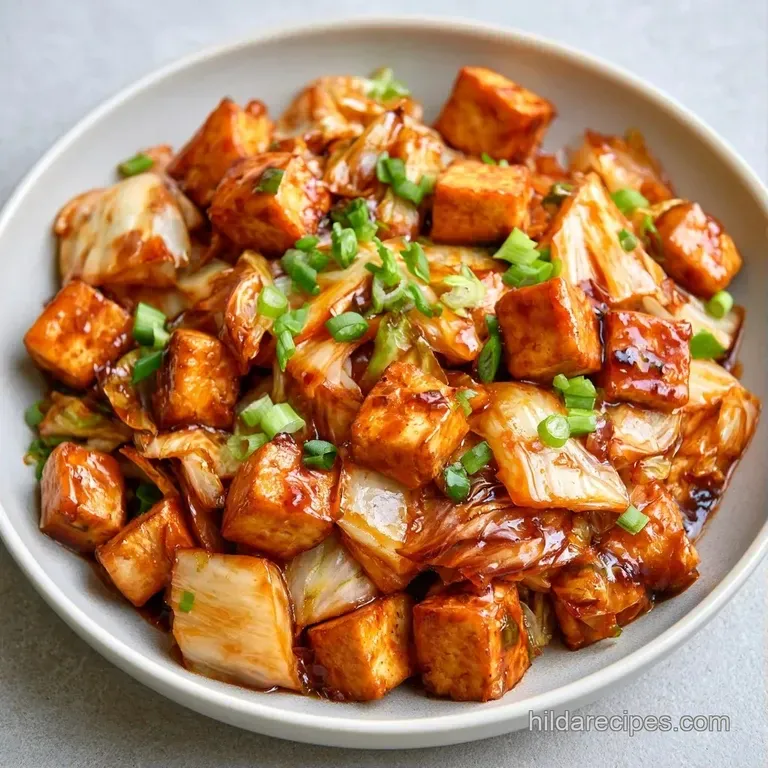
For some, this approach may seem basic, but there's a reason it's a mainstay in many Asian homes. The balance of textures is what makes it successful: firm stems paired with softened leaves, and mild tofu absorbing a savory, salt forward sauce.
You can expect a meal that is refreshing yet satisfying. Boiled Cabbage with Tofu avoids rich creams or oils, using a cornstarch mixture instead to achieve a lustrous coat that adheres to every bite of veg.
Simple Tricks for Boiled Cabbage with Tofu
- Staggered Cooking: Adding the tough stems first and the leaves last ensures everything finishes at the same time. This stops the leaves from disintegrating while the stems are still raw.
- Tofu Pressing: Removing water from the tofu creates space for the broth to seep in. This turns the tofu into a flavor sponge rather than a bland block.
The contrast here is the goal. We want the cabbage to be translucent and soft but not falling apart, paired with tofu that holds its shape but tastes like the ginger soy broth.
| Method | Time | Texture | Best For |
|---|---|---|---|
| Stovetop | 35 mins | Tender & Glossy | Quick weeknight meals |
| Oven Roast | 45 mins | Caramelized & Firm | Meal prep/deep flavor |
A quick tip for those who like a bit more zing: if you find the flavor too mild, a splash of rice vinegar at the end brightens the whole pot. For a different approach to the greens, you might like my lemon garlic cabbage which offers a sharper, citrusy profile.
What Makes This Dish Work
| Component | Purpose | Substitute Notes |
|---|---|---|
| Napa Cabbage | Sweetness & Bulk | Savoy cabbage: Heartier and takes longer to cook |
| Extra firm Tofu | Protein & Structure | Firm tofu: Softer texture, may break more easily |
| Soy Sauce | Salt & Umami | Tamari: Same flavor, gluten-free option |
| Ginger/Garlic | Pungent Aroma | Ginger powder: Use 1/4 tsp, but lacks fresh zing |
The combination of white pepper and toasted sesame oil provides a warmth that feels traditional and comforting. According to USDA FoodData Central, napa cabbage is a great source of vitamin C and K, making this a healthy tofu and cabbage recipe for any day of the week.
Everything You'll Need
- 1 lb (450g) Napa cabbage, chopped into 2 inch pieces Why this? It has a higher water content and sweeter taste than green cabbage.
- 14 oz (400g) Extra firm tofu, pressed and cubed Why this? Holds shape during simmering.
- 2 cups (480ml) Vegetable broth Why this? Adds depth compared to plain water.
- 1 tbsp (15ml) Toasted sesame oil Why this? Provides the signature nutty aroma.
- 3 cloves (9g) Garlic, minced
- 1 tbsp (6g) Fresh ginger, grated
- 3 tbsp (45ml) Low sodium soy sauce
- 1 tsp (2g) White pepper
- 2 stalks (10g) Green onion, sliced
- 1 tsp (5g) Cornstarch
- 1 tbsp (15ml) water
If you're out of vegetable broth, you can use water with a pinch of salt, though you'll lose some of the base richness. For the tofu, if you can't find extra firm, just press the firm variety for an extra 15 minutes.
Tools for the Job
No professional equipment is necessary. A Dutch oven or a large pot is ideal, providing the cabbage enough space to wilt without becoming overcrowded. I recommend using a wide spatula to fold in the leaves gently so the tofu cubes stay whole. To press the tofu, a simple kitchen towel and a heavy plate work great.
From Prep to Plate
Phase 1: The Foundation Prep
Press the tofu for at least 15 minutes to remove excess water. While that's happening, chop your cabbage. Keep the thicker white stems in one pile and the leafy green tops in another. This is the only way to avoid the "mushy cabbage" problem.
Phase 2: Infusing the Oil
Heat the sesame oil over medium heat in your pot. Toss in the minced garlic, grated ginger, and the white parts of the green onions. Sauté for 60-90 seconds until the garlic is translucent and smells pungent. Don't let the garlic brown or it will turn bitter.
Phase 3: The Controlled Simmer
Add the cabbage stems and cubed tofu to the pot. Pour in the vegetable broth and soy sauce. Bring the liquid to a gentle simmer. Let this cook for about 5 minutes until the stems start to soften slightly.
Phase 4: The Final Glaze
Fold in the cabbage leaves. Cover the pot and simmer for another 5-7 minutes until the cabbage is translucent and velvety. Stir in the white pepper. Mix your cornstarch and water in a small cup, then stir it into the pot.
Simmer for 1 minute until the sauce thickens and clings to the tofu.
Remove from heat immediately. Garnish with the green parts of the onion and serve warm.
Troubleshooting Guide
Cabbage Is Too Mushy
This happens when the leaves spend too much time in the heat. Always add the leafy greens in the last 5 minutes of the process. If you're planning to reheat the dish later, undercook the cabbage by a minute or two, as it will soften further in the microwave.
Tofu Tastes Bland
Tofu is like a sponge, but it can't absorb sauce if it's already full of water. Ensure you press the tofu for the full 15 minutes. For even more flavor, you can toss the cubes in a bit of soy sauce before adding them to the pot.
Broth Is Too Watery
If the liquid didn't thicken, your cornstarch slurry might have been too weak. Mix 1 tsp of cornstarch with 1 tbsp of water and stir it in while the broth is bubbling. If you prefer a soupier version, like a tofu and cabbage stew, simply skip the cornstarch entirely.
Perfect Complements
Since Boiled Cabbage with Tofu is quite light, I like to pair it with something hearty. A bowl of steamed brown rice or quinoa helps soak up the extra ginger soy glaze. If you want a more complete meal, adding a side of steamed fish or a jammy soft boiled egg adds a rich contrast to the clean flavors of the vegetables.
For those who love cabbage based dishes, this pairs well with a side of my garlic butter cabbage, providing a richer, buttery counterpoint to the light soy broth.
Quick flavor adjustments: Extra tang? → stir in 1 tsp rice vinegar More heat? → add 1 tsp red pepper flakes Earthy notes? → add 1/2 tsp toasted sesame seeds
Make-ahead and Leftover Tips
Keep remaining portions in a glass dish, chilled for a maximum of 3 days. You'll find that the flavors intensify overnight, making the second serving even more delicious. Since the cornstarch causes the sauce to thicken while cold, add a bit of water or broth when reheating.
I suggest using the stovetop on low heat to prevent the cabbage from overcooking.
To minimize waste, avoid tossing the hardy outer leaves or the cabbage core. I store mine in a freezer bag to use as a base for homemade vegetable stock. The core provides a natural sweetness that gives soups a great body.
Creative Twists and Swaps
For a Spicy Korean Twist
Add 1 tbsp of Gochujang (Korean chili paste) and a drizzle of honey to the broth. This transforms the dish into something reminiscent of a Cabbage tofu soup Korean style, adding a fermented heat and a bright red color.
For an Earthy Depth
Swap the vegetable broth for a mushroom based broth or add 4 sliced shiitake mushrooms during the sauté phase. This creates a more robust, forest like flavor profile that pairs beautifully with the tofu.
For a Low Sodium Option
Use coconut aminos instead of soy sauce. It provides a similar umami taste but significantly less salt and a slight natural sweetness that complements the napa cabbage.
For a Protein Boost
Add a handful of shelled edamame or sliced carrots during the stem simmering phase. Tofu with cabbage and carrots is a classic combination that adds a bit of crunch and extra vitamins.
Recipe FAQs
How to boil cabbage for the best texture?
Sauté stems first and add leaves later. Heat sesame oil with garlic and ginger, simmer the stems in broth and soy sauce for 5 minutes, then fold in leaves for another 5-7 minutes.
Is it true that cabbage and tofu do not pair well together?
Not true. Tofu absorbs the savory ginger and soy sauce flavors, creating a balanced and nutrient dense meal.
What serves well as a side for this dish?
Steamed rice or quinoa. These grains soak up the savory broth and glaze. For another light, protein focused option, try our classic egg salad.
Can I skip pressing the tofu before boiling?
No, it is essential. Pressing the tofu for at least 15 minutes removes excess water, ensuring the cubes maintain their shape and absorb the sauce.
Boiled Cabbage With Tofu