The Ultimate Quick-Char Fajita Marinade
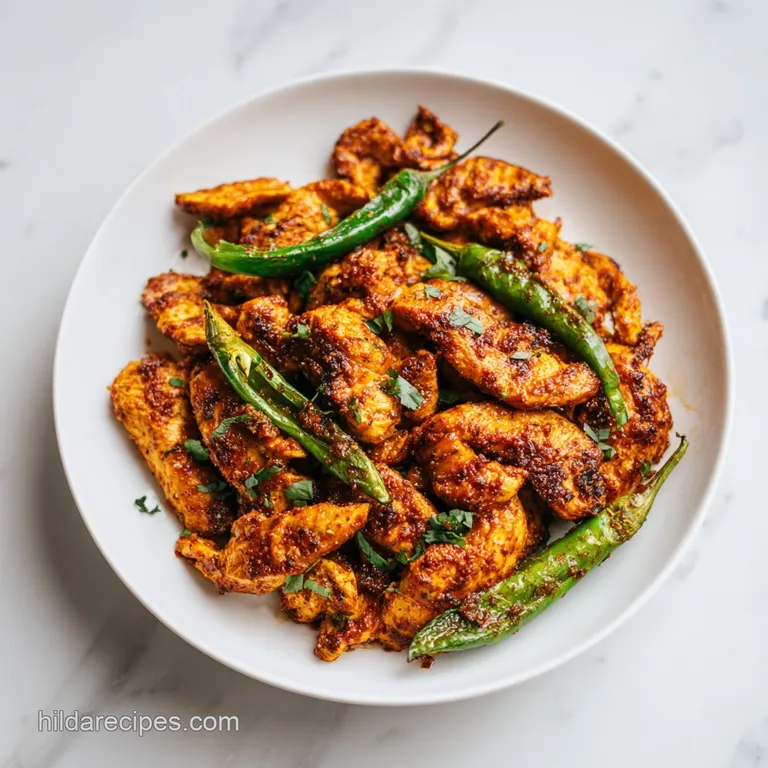
- Time: Active 10 minutes, Passive 30 minutes, Total 40 minutes
- Flavor/Texture Hook: Smoky, charred, and velvety
- Perfect for: Weeknight meal prep and high energy family dinners
- Bold Flavors for the Ultimate Fajita Marinade
- Understanding the Sizzle of This Fajita Marinade
- Affordable Pantry Staples for Maximum Flavor Impact
- Tools to Achieve the Perfect Restaurant Char
- Step by Step Guide for Better Results
- Professional Secrets to Avoid Common Cooking Errors
- Smart Strategies for Planning and Storing Meals
- Debunking Common Kitchen Beliefs
- Storage Guidelines and Waste Reduction
- Perfect Side Dish Pairings for a Feast
- Recipe FAQs
- 📝 Recipe Card
Bold Flavors for the Ultimate Fajita Marinade
Forget everything you have heard about needing to soak your steak in a bath of acid for twenty four hours to get it tender. That is a total TikTok lie that actually ruins the texture of your meat, turning it into a mushy, unappealing paste.
You do not need expensive cuts like prime rib or fancy fillets to make this work, either. We are keeping things budget smart by using clever science to make cheaper proteins taste like a million bucks without the stress.
The real secret to a legendary sizzle is not how long the meat sits, but how the marinade actually interacts with the heat of your pan. When you toss this mixture into a screaming hot cast iron skillet, the sugars and proteins do a little dance that creates a deep, mahogany crust.
It is that specific charred flavor that makes you feel like you are sitting at a high end Mexican grill, even if you are just in your pajamas in your own kitchen.
We are going to focus on a "bloom and emulsify" technique that I stumbled upon after a particularly disastrous dinner where all my spices just sat at the bottom of the bowl. By mixing the dry spices into the oil first, we are unlocking fat soluble flavors that would otherwise stay hidden.
This method ensures every single strip of meat gets a velvety coating that clings instead of sliding off. Right then, let's get into why this specific combination of ingredients is the only one you will ever need.
Understanding the Sizzle of This Fajita Marinade
Most people think of a marinade as just a flavor bath, but it is actually a complex liquid tool designed to change the physical structure of your dinner. It is about more than just taste; it is about managing moisture and heat.
When we combine the acidity of lime with the savory punch of liquid aminos, we are creating a brine like environment that helps the meat retain its juices even under the intense heat of a 30 minutes sear.
The addition of liquid smoke and smoked paprika provides that "outdoor grill" vibe without you having to actually fire up the charcoal. It is a massive win for busy lives because you get the depth of flavor associated with slow cooking or wood firing in a fraction of the time.
The brown sugar is the silent hero here, acting as a catalyst for browning rather than just making things sweet.
- Lipophilic Infusion: Mixing spices with neutral oil first allows the fat soluble compounds in chili powder and cumin to dissolve and coat the meat more effectively.
- Enzymatic Tenderization: The citric acid in the lime juice gently breaks down surface fibers, creating a tender bite without making the meat rubbery.
- Umami Bridging: Using both Worcestershire sauce and liquid aminos creates a layered savory profile that mimics the depth of aged beef.
- Surface Tension Management: Emulsifying the liquid and fat ensures the marinade sticks to the protein instead of pooling at the bottom of the bag.
| Method | Time | Texture | Best For |
|---|---|---|---|
| Cast Iron Skillet | 30 minutes | Heavily charred and crispy | Authentic restaurant experience |
| Sheet Pan Bake | 20 minutes | Tender and evenly cooked | Hands off meal prep for 8 servings |
| Air Fryer | 15 minutes | Extra crispy edges | Quick lunch for 1 or 2 people |
Choosing the right cooking method depends entirely on your schedule and how much you value that specific "charred" aroma. While the skillet method is my personal favorite for the sensory experience of the sizzle, the sheet pan version is a total lifesaver when you are juggling a million things at once.
Just remember that the sugar in the marinade will brown much faster in an air fryer, so keep a close eye on it to prevent burning.
A Deep Dive Into Flavor Components
| Component | Science Role | Pro Secret |
|---|---|---|
| Lime Juice | Protein Denaturant | Use fresh squeezed only; bottled versions lack the bright enzymatic "pop" needed for tenderizing. |
| Brown Sugar | Maillard Catalyst | Press it firmly into the measuring spoon to ensure you get enough molasses for that mahogany color. |
| Liquid Smoke | Volatile Aroma | A little goes a long way; it provides the phenolic compounds that signal "grilled" to your brain. |
| Neutral Oil | Flavor Carrier | Avocado oil is great because it has a high smoke point, meaning it won't turn bitter when you sear. |
The interaction between the salt and the aminos is particularly interesting because it draws a tiny amount of moisture out of the meat, which then mixes with the spices and gets re absorbed. This creates a flavor packed brine that seasons the meat all the way through, not just on the surface. If you are curious about other fast searing techniques, you might want to look at a Korean Chicken Breast recipe which uses a similar over high heat philosophy to keep lean meat juicy.
Affordable Pantry Staples for Maximum Flavor Impact
Getting those big, bold flavors doesn't mean you have to clear out your savings at a specialty grocery store. This shopping list is built around pantry staples that provide high impact for a low cost. We are looking for balance: the heat from the chili, the earthiness of the cumin, and the bright zing of the lime.
- 2 lbs protein: You can use boneless skinless chicken breasts or skirt steak. If you are on a budget, flank steak or even thinly sliced pork loin works beautifully here.
- 1/3 cup neutral oil: Stick with avocado or grapeseed oil. They can handle the high heat of our 30 minutes cook time without smoking up your whole house.
- 1/4 cup fresh squeezed lime juice: This provides the necessary acid. Why this? Fresh lime contains active enzymes that bottled juice loses during pasteurization.
- 2 tbsp Worcestershire sauce: This is your fermented flavor base. It adds a salty, tangy depth that is hard to replicate.
- 1 tbsp liquid aminos or soy sauce: Use liquid aminos if you want a gluten-free option that tastes slightly sweeter and less harsh than standard soy sauce.
- 4 cloves garlic, minced: Freshly minced garlic is non negotiable for that aromatic punch.
- 1 tbsp brown sugar, packed: This is crucial for the caramelization. Why this? The molasses in brown sugar creates a deeper color than white sugar.
- 1 tsp liquid smoke: This provides the "fajita" soul.
- The Spice Blend: 1 tbsp chili powder, 1 tsp ground cumin, 1 tsp smoked paprika, 1/2 tsp dried Mexican oregano, 1 tsp kosher salt, and 1/2 tsp coarse black pepper.
| Original Ingredient | Substitute | Why It Works |
|---|---|---|
| Liquid Aminos | Soy Sauce | Provides the same salty umami. Note: Soy sauce is saltier, so maybe slightly reduce the added kosher salt. |
| Mexican Oregano | Dried Marjoram | Similar citrusy notes. Note: Regular oregano is more savory and less bright than the Mexican variety. |
| Brown Sugar | Honey | Provides sweetness and browning. Note: Honey burns faster, so watch the skillet heat carefully. |
Using liquid aminos is a clever budget swap because it often comes in larger bottles and serves as a multi purpose seasoning for everything from stir fries to dressings. If you find yourself with extra chicken and spices, you could easily pivot these ingredients into Mediterranean Chicken Tacos by swapping the cumin for more oregano and adding a little lemon.
Tools to Achieve the Perfect Restaurant Char
You do not need a professional kitchen to make incredible fajitas, but a few specific tools will make your life much easier and the results much more consistent. The goal is heat retention and even distribution.
- Cast Iron Skillet: A 12 inch skillet (like a Lodge) is the gold standard. It holds heat like a champion, which is vital when you drop cold meat into the pan. If the pan temperature drops too much, the meat will steam instead of sear, leaving you with "gray meat" syndrome.
- Large Glass Mixing Bowl: Use glass or stainless steel. Avoid plastic, as the chili powder and liquid smoke can leave permanent stains and smells behind.
- Whisk: You need a sturdy whisk to emulsify the oil and lime juice properly.
- Gallon sized Ziploc Bag: This is the most efficient way to marinate. It forces the liquid into every crevice of the meat and makes cleanup a breeze.
- Sharp Chef’s Knife: Necessary for slicing the protein into those uniform 1/2 inch strips.
- Tongs: Long handled tongs are your best friend for flipping the meat without getting splattered by hot oil.
Chef's Tip: If you don't have a cast iron skillet, use the heaviest stainless steel pan you own. Avoid non stick for this recipe; non stick coatings are not designed for the sustained high heat required to get a proper mahogany crust on the meat.
step-by-step Guide for Better Results
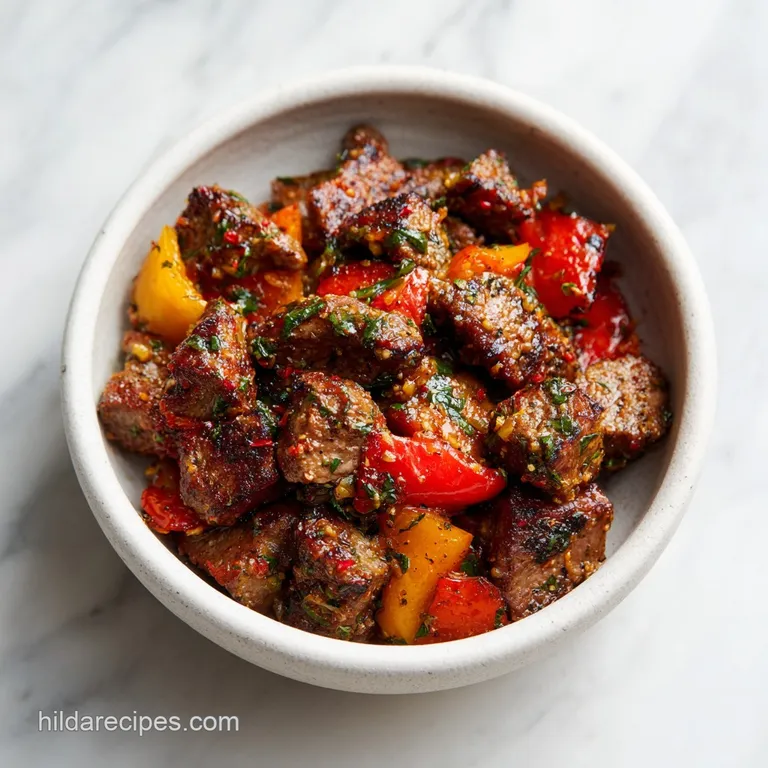
- Bloom the spices. In a large glass mixing bowl, whisk together the 1/3 cup neutral oil and the dry spices (1 tbsp chili powder, 1 tsp cumin, 1 tsp smoked paprika, 1/2 tsp oregano, 1 tsp salt, and 1/2 tsp pepper) first. Note: This helps the oil soluble flavors develop.
- Emulsify the liquids. Slowly pour in the 1/4 cup lime juice, 2 tbsp Worcestershire sauce, 1 tbsp liquid aminos, minced garlic, 1 tbsp brown sugar, and 1 tsp liquid smoke while whisking vigorously until the mixture is thick and glossy.
- Prep the protein. Slice the 2 lbs of chicken or steak into even 1/2 inch strips. If using steak, ensure you are cutting across the grain until you see short muscle fibers.
- Coat the meat. Place the protein in the bowl or a gallon sized Ziploc bag. Massage the marinade into the meat until every piece is fully submerged and dark in color.
- Marinate with patience. Let the meat sit for at least 30 to 60 minutes. Note: This allows the salt to penetrate the fibers.
- Preheat the skillet. Place your cast iron skillet over high heat for at least 3 minutes until a drop of water dances and evaporates instantly.
- Sear the protein. Add the meat in a single layer. Let it sit undisturbed for 3-4 minutes until a dark mahogany crust forms on the bottom.
- Finish the cook. Continue to sauté and toss for the remaining 30 minutes of cook time (if doing a large batch with veggies) until the interior is opaque and firm.
Professional Secrets to Avoid Common Cooking Errors
One of the biggest mistakes people make with this fajita marinade is overcrowding the pan. When you dump too much meat into the skillet at once, the temperature plummets. Instead of searing, the meat releases its juices and boils in its own liquid.
This results in tough, gray strips that lack that signature smoky flavor.
Avoiding the Gray Meat Syndrome
If you see liquid pooling in your pan, your heat is too low or your pan is too full. The solution is to work in batches. It might take an extra ten minutes, but the difference in texture is massive. You want that "shatter" on the edges of the steak and the velvety tenderness inside.
Preventing the Sugar Burn
Because this marinade contains brown sugar, it can go from "perfectly charred" to "bitter and burnt" in a matter of seconds. If the pan starts smoking excessively, turn the heat down to medium high. You want a controlled sizzle, not a kitchen fire.
| Problem | Root Cause | Solution |
|---|---|---|
| Meat is rubbery | Marinated too long (over 8 hours) | Keep the marinating time between 30 and 60 minutes. |
| No crust forms | Pan wasn't hot enough | Wait for the skillet to reach a light smoke point before adding meat. |
| Too salty | Used table salt instead of kosher | Cut the salt measurement in half if using fine grain table salt. |
Common Mistakes Checklist
- ✓ Pat the meat dry if there is excessive moisture before adding the marinade (though usually not necessary with this emulsified style).
- ✓ Ensure the garlic is finely minced so it clings to the meat rather than burning at the bottom of the pan.
- ✓ Always cut across the grain; if you cut with the grain, the steak will be impossible to chew.
- ✓ Let the meat rest for 5 minutes after cooking to allow the juices to redistribute.
Smart Strategies for Planning and Storing Meals
When you are scaling this recipe for a crowd or trying to save some for later, the math changes a little bit. It is not just about doubling everything; it is about maintaining the balance of those punchy acids and salts.
For Scaling Down (making half a batch): Use a smaller 8 inch skillet to keep the heat concentrated. Reduce the total cook time by about 5 minutes as the pan will stay hotter with less meat.
Use a small whisk or even a fork to ensure the smaller volume of marinade still emulsifies properly.
For Scaling Up (doubling the recipe for 16 servings): Only increase the salt and spices to 1.5x. Doubling salt can often result in an overwhelmingly salty dish. Reduce the liquids by about 10% to prevent the meat from "stewing" in too much moisture.
Work in at least three batches to maintain the sear.
| Original Servings (8) | Adjusted Servings (16) | Cook Strategy |
|---|---|---|
| 2 lbs Protein | 4 lbs Protein | Sauté in 3 separate batches |
| 1/3 cup Oil | 1/2 cup Oil | Use just enough to coat the pan |
| 12 inch Skillet | Two 12 inch Skillets | Use two burners to save time |
Debunking Common Kitchen Beliefs
One persistent myth is that adding more oil to the pan will make the fajitas "juicier." In reality, the juiciness comes from the internal moisture of the meat and the resting period. Adding too much oil just makes the final dish greasy and prevents the sugars from sticking to the protein to form that crust.
Another misconception is that you need to use expensive "Fajita Seasoning" packets. Most of those are filled with cornstarch and anti caking agents that can give the meat a gritty texture.
By making your own blend, you control the quality of the smoked paprika and the intensity of the cumin, resulting in a much cleaner, more vibrant flavor profile.
Storage Guidelines and Waste Reduction
This marinade and the resulting meal are fantastic for zero waste cooking. If you have leftover marinade that hasn't touched raw meat, you can simmer it in a small saucepan for 5 minutes and use it as a sauce for rice or roasted vegetables.
- Fridge
- Store cooked fajitas in an airtight container for up to 4 days.
- Freezer
- You can freeze the raw meat in the marinade for up to 3 months. The lime juice will continue to work on the proteins as it thaws, so it will be extra tender.
- Reheating
- Use a hot skillet with a teaspoon of oil rather than a microwave. This restores the "sizzle" and prevents the meat from becoming rubbery.
Zero Waste Tips: Don't throw away those lime rinds! Toss them into a jar of white vinegar to make a citrus scented kitchen cleaner, or zest them before juicing and freeze the zest for future baking. If you have leftover steak strips, they make an incredible topping for a cold salad the next day.
Perfect Side Dish Pairings for a Feast
To really round out the experience, you need sides that can stand up to the bold, smoky flavors of the marinade. I always go for a contrast in textures something creamy to offset the charred meat.
- Charred Peppers and Onions: Sauté these in the same pan right after the meat is done to soak up all those leftover browned bits.
- Cilantro Lime Rice: The brightness of the rice cuts through the richness of the steak.
- Street Corn (Elote): The creamy, cheesy corn is a natural partner for the spicy fajitas.
- Warm Flour Tortillas: Keep them wrapped in a clean kitchen towel to stay soft and pliable.
If you are looking for something a bit different, these flavors actually pair surprisingly well with a cool Tzatziki sauce if you decide to go a fusion route. The yogurt base provides a similar cooling effect to sour cream but with a different herbal profile.
No matter what you choose, the star remains that perfectly seared, deeply flavored meat that you put together with zero stress and maximum impact.### Frequently Asked Questions
Can I use this marinade for vegetables?
Yes, this marinade works exceptionally well on hearty vegetables like portobello mushrooms, bell peppers, and thick slices of red onion. Since vegetables don't have the same protein structure as meat, you only need to marinate them for about 15 minutes before grilling or sautéing.
Is this recipe spicy?
As written, it has a medium low heat level. The chili powder and smoked paprika provide a warm glow rather than a sharp sting. If you prefer a real kick, feel free to add a half teaspoon of cayenne pepper or a tablespoon of minced canned chipotle in adobo.
Can I use lemon juice instead of lime?
You can swap them in a pinch, but lime juice provides a specific floral acidity that is traditional for fajitas. Lemon will be slightly more tart and less "citrusy" in the way we expect from Mexican inspired dishes.
How do I know when the steak is done?
For skirt steak, you are looking for an internal temperature of 135°F (57°C) for medium rare or 145°F (63°C) for medium.
Since the strips are thin, this usually happens very quickly about 3 to 4 minutes per side over high heat.
Why do you recommend liquid aminos over soy sauce?
Liquid aminos offer a more balanced, slightly sweeter profile that complements the brown sugar and lime. It also contains more naturally occurring electrolytes and is generally lower in sodium than traditional soy sauce, which helps prevent the dish from becoming overly salty.
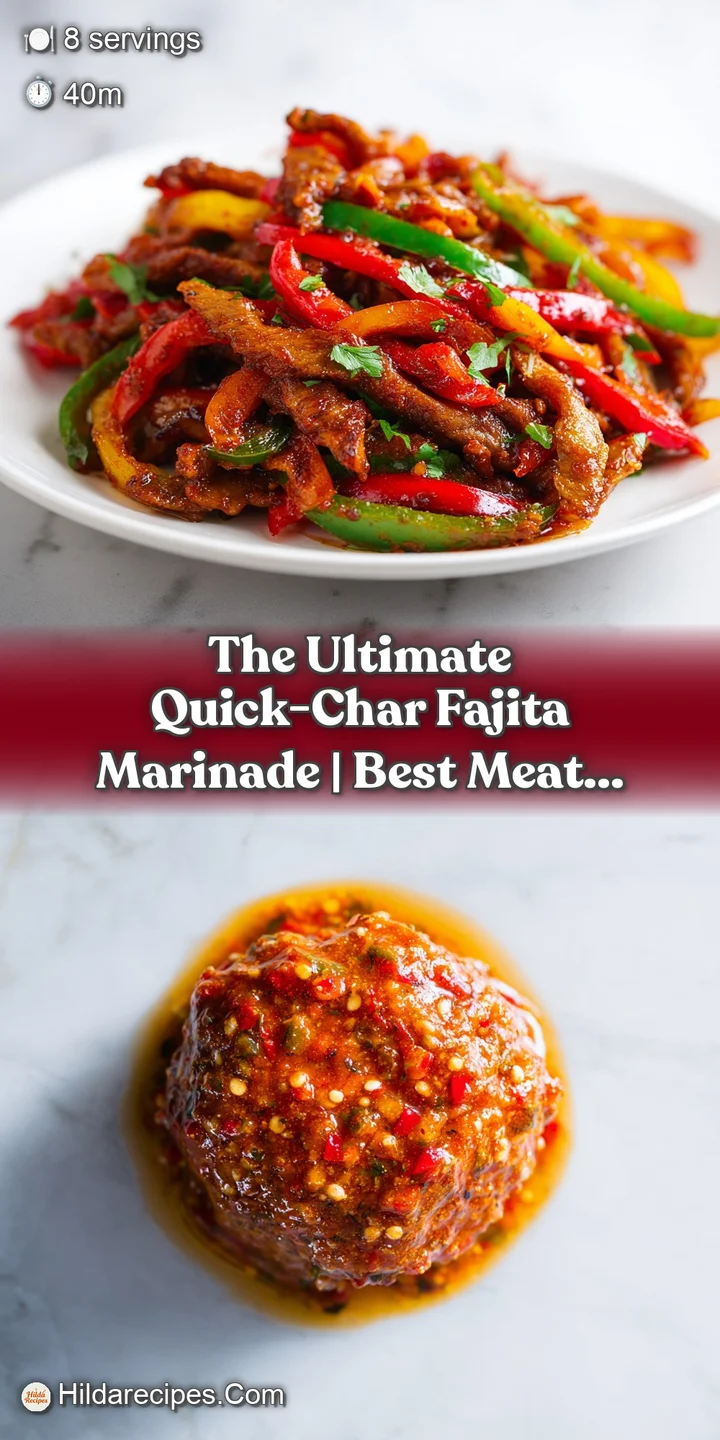
Recipe FAQs
What is a good marinade for fajitas?
Use an oil-based emulsion of lime, soy, and spices. Whisking your neutral oil with chili powder, cumin, paprika, lime juice, Worcestershire, liquid aminos, brown sugar, and liquid smoke creates a thick, flavorful coating that sticks to meat perfectly.
Are fajitas ok for diabetics?
Yes, especially when using lean proteins and focusing on the savory marinade. The ingredients here rely on spices and aromatics rather than heavy starches, though you should monitor portion sizes of any added tortillas or rice.
What are common fajita marinade mistakes?
The most frequent error is neglecting to bloom the spices in the oil first. Whisking the dry spices into the 1/3 cup of oil before adding liquids ensures the oil-soluble flavors are fully released for a deeper, more professional taste.
What's the secret to flavorful fajitas?
Vigorous emulsification is key. By slowly pouring your liquids into the oil-spice mixture while whisking, you create a thick, glossy texture that clings to the meat, ensuring every bite is packed with seasoning. If you enjoyed nailing this emulsion, you can apply the same whisking technique to create stable dressings for other meals.
How to ensure the best texture for fajita meat?
Slice your meat into even 1/2 inch strips across the grain before marinating. This step is essential to break up muscle fibers, ensuring the protein remains tender rather than chewy after the high heat sear.
How to manage the marinade if I want to save some for later?
Simmer unused portions in a small saucepan for 5 minutes. Only do this with liquid that has not touched raw meat, then use it as a flavorful sauce for roasted vegetables or rice dishes.
Is it true I can freeze the meat directly in the marinade?
Yes, and it actually improves the result. Freezing raw meat in this marinade for up to 3 months allows the lime juice to tenderize the proteins continuously as the meat slowly thaws in the refrigerator.
Ultimate Quick Char Fajita Marinade
Ingredients:
Instructions:
Nutrition Facts:
| Calories | 287 kcal |
|---|---|
| Protein | 35.3 g |
| Fat | 13.3 g |
| Carbs | 4.5 g |
| Fiber | 0.6 g |
| Sugar | 1.8 g |
| Sodium | 438 mg |
