Pumpkin Banana Bread: Spiced and Velvety
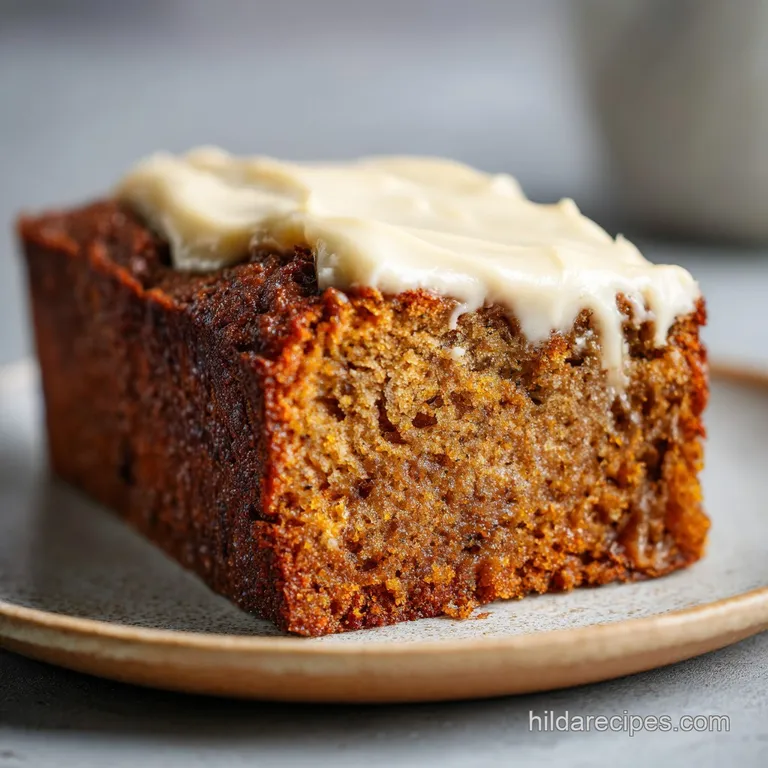
- Time: Active 15 minutes, Passive 60 minutes, Total 75 minutes
- Flavor/Texture Hook: Spiced, dense, and velvety
- Perfect for: High precision meal prep or autumn gatherings
- Achieve the Perfect Moist Pumpkin Banana Bread Recipe
- Essential Ratios and Mathematical Success Factors
- Component Analysis for Optimal Structural Integrity
- Selecting High-Quality Raw Materials and Substitutions
- Technical Execution and Baking Hardware
- Systematic Approach to the Perfect Bake
- Preventing Structural Failure and Common Pitfalls
- Adjusting the Recipe for Different Quantities
- Accuracy in Baking Method Selection
- Addressing Misconceptions About Fruit Breads
- Storage Procedures and Waste Reduction
- Strategic Pairing and Serving Suggestions
- Recipe FAQs
- 📝 Recipe Card
Achieve the Perfect Moist Pumpkin Banana Bread Recipe
The intersection of New World pumpkin traditions and the late 19th-century American obsession with tropical bananas creates a fascinating technical study in baking. Historically, pumpkin served as a critical caloric staple for early settlers, often used as a starch filler when wheat was scarce.
It wasn't until the widespread importation of bananas that these two moisture dense ingredients began to appear together in home kitchens. This combination represents a cultural fusion of northern harvest flavors and the industrialized fruit trade, resulting in a bread that is uniquely American in its profile and complexity.
When we analyze the composition of this pumpkin banana bread recipe, we are looking at a high hydration batter that pushes the limits of gluten structure. The challenge lies in the sheer volume of fruit solids and water content.
Unlike a standard quick bread, this version utilizes the pectin found in pumpkin and the broken down starches of overripe bananas to create a crumb that is significantly more tender than a traditional loaf.
It's a technical balancing act where the sugars from the bananas and the fibers of the pumpkin must be properly supported by chemical leaveners to prevent a total structural collapse during the 60 minutes of baking.
Precision in the selection of these ingredients is what separates a soggy failure from a technical success. Many home cooks struggle with the "gummy" middle, which is usually a result of improper emulsion or a failure to account for the varying moisture levels in canned versus fresh pumpkin.
In this analysis, we will examine the exact mechanics of how to stabilize this batter. We are aiming for a specific gravity that allows the loaf to rise uniformly without the outer edges burning before the center reaches its thermal set point.
Essential Ratios and Mathematical Success Factors
The success of this bake depends on the thermal conductivity of your chosen pan and the exact weight of your fruit components. Measuring a "cup" of mashed banana can vary by up to 30 percent in weight depending on how much you compress the fruit, which is why utilizing a kitchen scale is the only way to ensure consistency.
When the moisture to flour ratio exceeds a specific threshold, the gluten proteins become too diluted to form the necessary network, leading to a loaf that fails to hold its own weight.
Mechanism Analysis:
- Amylase Conversion: Overripe bananas have undergone a process where starches convert into simple sugars, increasing sweetness and moisture retention through hygroscopy.
- Pectin Stabilization: The natural pectin in pumpkin puree acts as a secondary structural agent, helping to bind the crumb without over developing gluten.
- Lipid Interference: Melted butter coats the flour particles, preventing excessive water absorption and ensuring the bread remains tender rather than chewy.
- Thermal Equilibrium: Baking at 325°F (165°C) instead of 350°F (180°C) allows heat to penetrate the dense center without desiccating the exterior crust.
| Servings | Pumpkin/Banana Weight | Pan Dimensions | Cook Time |
|---|---|---|---|
| 6 People | 0.5 cup each | 8x4 inch loaf pan | 45 minutes |
| 12 People | 1 cup each | 9x5 inch loaf pan | 60 minutes |
| 24 People | 2 cups each | Two 9x5 inch pans | 65 minutes |
The table above illustrates the necessity of adjusting your vessel and time based on the volume of batter. Doubling the recipe does not simply mean doubling the time; it requires managing the increased thermal mass.
If you are scaling this for a large group, I recommend using two separate pans rather than one large vessel to ensure the heat can reach the geometric center of the batter effectively.
Component Analysis for Optimal Structural Integrity
Every ingredient in this pumpkin banana bread recipe serves a specific chemical or structural purpose. We are not just adding flavors; we are building a matrix of proteins, fats, and carbohydrates.
Understanding the technical role of each element allows for smarter troubleshooting if the final product deviates from the expected results.
| Ingredient | Science Role | Pro Secret |
|---|---|---|
| All Purpose Flour | Protein Matrix | Sift the flour to ensure even distribution of leavening agents and prevent dry pockets. |
| Pumpkin Puree | Fiber & Hydration | Use 100% pure pumpkin, not pie filling, to maintain control over the sugar and water ratios. |
| Overripe Bananas | Enzyme Converted Sugars | Use bananas with skins that are almost entirely black for maximum sugar concentration and liquidity. |
| Baking Soda | pH Neutralization | The soda reacts immediately with the acidic pumpkin and brown sugar, so get it in the oven fast. |
The interaction between the light brown sugar and the baking soda is a primary driver of the rise in this recipe. Brown sugar contains molasses, which is acidic. When this acid meets the alkaline baking soda, it produces carbon dioxide bubbles. This is a time sensitive reaction.
If you leave the batter sitting on the counter for 20 minutes before putting it in the oven, you will lose a significant portion of your leavening power, resulting in a dense, heavy brick.
Selecting high-quality Raw Materials and Substitutions
To achieve the desired results, you must be meticulous with your ingredient selection. For example, moist lemon zucchini bread relies on a similar moisture heavy vegetable base, but the fiber structure of pumpkin is much denser, requiring a more robust spice profile. If you substitute the butter for oil, you will lose the milk solids that contribute to the Maillard reaction, though you will gain a slightly more open crumb.
- 1 cup (227g) pumpkin puree: Provides the moisture base and orange hue. Why this? Canned puree is consistently 90% water, making it more predictable than fresh.
- 1 cup (225g) overripe bananas: Adds sweetness and a silky texture. Why this? Mashed bananas act as a natural emulsifier in the batter.
- 1/2 cup (113g) unsalted butter: Provides fat for a tender crumb. Why this? Melted butter incorporates more easily into cold puree than creamed butter.
- 2 large eggs: These are the primary structural binders. Why this? Room temperature eggs emulsify better with fats than cold eggs.
- 1 tsp pure vanilla extract: Enhances the aromatic complexity of the spices.
- 2 cups (250g) all purpose flour: The structural foundation of the loaf.
- 3/4 cup (150g) light brown sugar: Adds moisture and a deep caramel note.
- 1/4 cup (50g) granulated white sugar: Assists in creating a slightly crisp exterior crust.
- 1 tsp baking soda: Reacts with the acids for immediate lift.
- 1/2 tsp baking powder: Provides a secondary lift once the batter heats up.
- 1/2 tsp fine sea salt: Essential for balancing the high sugar content.
- 2 tsp ground cinnamon: The primary warm aromatic.
- 1 tsp pumpkin pie spice: A blend that adds complexity via clove and nutmeg.
| Original Ingredient | Substitute | Why It Works |
|---|---|---|
| Unsalted Butter | Neutral Oil (e.g., Avocado) | 100% fat content provides more moisture but lacks the dairy flavor of butter. |
| All Purpose Flour | gluten-free Blend (1:1) | Note: Ensure the blend contains xanthan gum to mimic the missing gluten structure. |
| Light Brown Sugar | Dark Brown Sugar | Higher molasses content adds more acidity and a deeper color to the crumb. |
When making substitutions, remember that changing the fat source from butter to oil will alter the internal temperature at which the bread "sets." Butter contains roughly 15% water, whereas oil is pure fat. This means an oil based loaf may feel "greasier" if the flour isn't adjusted slightly to absorb the extra lipids.
Technical Execution and Baking Hardware
The choice of pan is more important than most bakers realize. A dark, non stick metal pan absorbs heat more aggressively than a light colored aluminum or glass pan. This can lead to over browning of the sides before the center is done. I personally prefer a heavy gauge aluminized steel pan for even heat distribution.
If you use glass, you may need to reduce the oven temperature by an additional 10°F to prevent the edges from becoming tough.
Chef's Note: For the most technical precision, use a digital thermometer to check the internal temperature. The loaf is perfectly done when the center reaches 200°F (93°C) to 205°F (96°C).
If you are a fan of complex textures, you might find that this bread pairs beautifully with the technical layering seen in a pumpkin cake cheesecake. While the bread is a single phase bake, the flavor profiles are remarkably similar, focusing on the synergy of gourd and spice.
Systematic Approach to the Perfect Bake
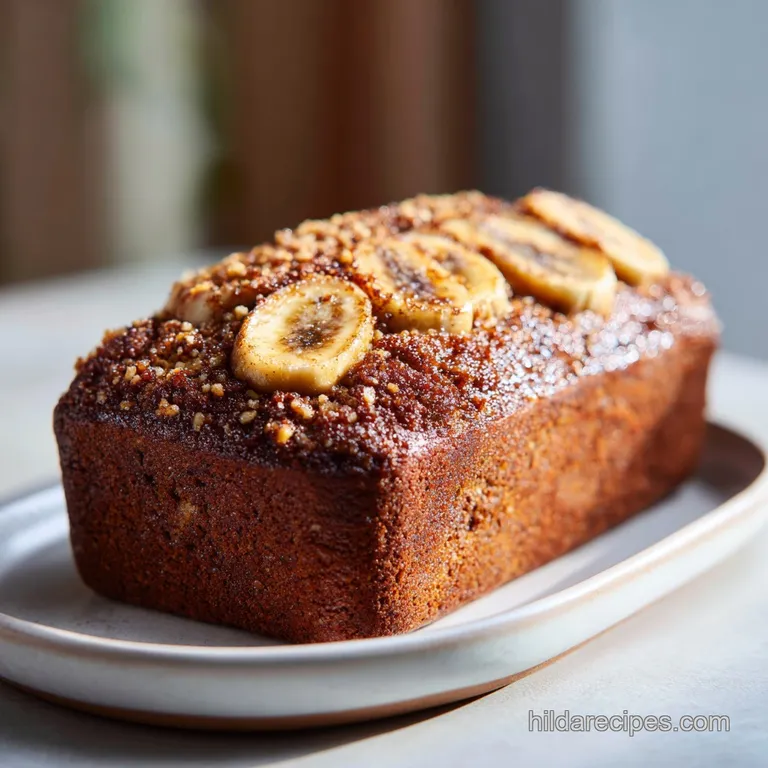
Follow these steps with analytical rigor. Do not eyeball measurements or skip the cooling phase, as the residual heat is essential for finishing the interior of the loaf.
- Preheat the oven to 325°F (165°C). This lower temperature is vital for the dense batter to cook through without scorching.
- Prepare the 9x5 inch pan. Grease with butter and line with parchment paper, leaving an overhang for easy removal.
- Whisk wet ingredients. Combine the 1 cup of pumpkin, 1 cup of mashed bananas, 1/2 cup of melted butter, both sugars, 2 eggs, and 1 tsp of vanilla.
- Achieve emulsion. Whisk vigorously until the mixture looks glossy and no streaks of egg or butter remain. Note: This creates a stable base for the flour.
- Sift dry ingredients. Combine the 2 cups of flour, baking soda, baking powder, salt, and spices in a separate bowl.
- Gentle integration. Fold the dry ingredients into the wet using a spatula. Stop the moment you see no more white flour streaks.
- Transfer the batter. Pour into the pan and smooth the top with your spatula to ensure an even rise.
- Bake for 60 minutes. Place the pan in the center of the oven for optimal airflow. The bread is done when a toothpick comes out clean.
- Primary cooling phase. Leave the bread in the pan for 10 minutes. Note: This allows the structure to firm up so it doesn't break.
- Secondary cooling phase. Transfer to a wire rack and cool completely. Cutting into the bread while hot will cause steam to escape, resulting in a drier loaf.
Preventing Structural Failure and Common Pitfalls
The most common complaint with any pumpkin banana bread recipe is the "sunken middle." This is rarely a fault of the recipe itself and is usually a failure of the baker's technique or equipment calibration.
If your oven runs hot, the outside of the loaf sets and climbs the walls of the pan while the inside remains liquid. Eventually, the weight of the raw batter causes the center to collapse.
Atmospheric Pressure and Leavening Issues
In high altitude environments, the lower atmospheric pressure allows the carbon dioxide bubbles to expand more rapidly and more extensively. This can over stretch the gluten network before it has a chance to set, leading to a spectacular rise followed by a total collapse.
If you are baking above 3,000 feet, reduce the baking soda by 1/8 teaspoon and increase the oven temperature to 335°F to set the structure faster.
The Problem of Excess Moisture
If you use fresh pumpkin puree that hasn't been properly strained, you are introducing unknown variables of water into the equation. This leads to a "gummy" texture where the flour can't absorb the excess liquid, leaving the starches in a perpetually gelatinized state.
| Problem | Root Cause | Solution |
|---|---|---|
| Deep crack in the top | Oven too hot | Reduce temperature and ensure the rack is in the middle of the oven. |
| Gummy bottom layer | Under mixing or too much fruit | Ensure the puree is measured by weight and whisk the wet ingredients thoroughly. |
| Sinking in the center | Over leavening or under baking | Check the expiration of your baking soda and use a thermometer for doneness. |
Common Mistakes Checklist:
- ✓ Never use "Pumpkin Pie Filling" as it contains added water and sugars that ruin the chemistry.
- ✓ Ensure your eggs are at room temperature to prevent the melted butter from re solidifying.
- ✓ Avoid over mixing once the flour is added; excess gluten makes the bread tough and rubbery.
- ✓ Do not open the oven door during the first 45 minutes of baking, as the temperature drop can cause a collapse.
- ✓ Always use a 9x5 inch pan; smaller pans will overflow or remain raw in the middle.
Adjusting the Recipe for Different Quantities
Scaling a quick bread requires more than simple multiplication. When you increase the volume, the surface area to mass ratio changes, which drastically affects how heat moves through the batter. If you are looking for a shorter bake time with the same flavor profile, you might consider making classic buttery shortbread cookies which share the high fat content but bake in nearly half the time.
For scaling this specific bread: Half Batch: Use a small 8x4 inch pan. Reduce the baking time to approximately 40 to 45 minutes. For the 2 eggs, beat one egg in a small bowl and use exactly half of it (approx. 2 tablespoons) along with one whole egg.
Double Batch: Do not bake in one giant pan. Use two 9x5 inch pans side-by-side. Ensure there is at least 2 inches of space between the pans for air circulation. You may need to increase the total bake time by 5 to 10 minutes as the oven works harder to maintain the temperature with two cold masses inside.
Accuracy in Baking Method Selection
Choosing the right method for your kitchen setup is key to a consistent result. While the oven is the standard, some modern home cooks utilize alternative appliances for efficiency.
| Method | Time | Texture | Best For |
|---|---|---|---|
| Standard Oven | 60 minutes | Golden crust, even crumb | Traditional results and presentation. |
| Convection Oven | 50 minutes | Very crisp exterior | Faster baking, but risk of drying out. |
| Mini Loaves | 25 minutes | Higher crust to crumb ratio | Gifting or portion control. |
Addressing Misconceptions About Fruit Breads
There is a persistent myth that "more fruit makes a moister bread." In reality, there is a saturation point. Once you exceed the flour's ability to hold the moisture, the bread becomes a dense custard rather than a baked good.
The ratio of 2 cups of flour to 2 cups of puree in this recipe is the technical limit for a standard 9x5 loaf.
Another common misunderstanding is the role of the "crack" on the top of the loaf. Many think this is a mistake, but it is actually a sign of a successful rise. The exterior of the bread sets first, and as the interior continues to expand and release steam, it must break through the crust.
This creates the signature rustic look of a well baked pumpkin banana bread recipe.
Finally, let's debunk the idea that "banana bread is better the next day" is just an opinion. It is a chemical fact. Over 24 hours, the moisture from the fruit purees migrates into the drier crumb through a process of sugar driven stabilization.
The spices also have time to dissolve into the fats, which makes the flavor more cohesive and "round" on the palate.
Storage Procedures and Waste Reduction
Proper storage is the difference between a loaf that lasts a week and one that molds in two days. Because of the high moisture content, this bread is susceptible to spoilage if kept in a warm, humid environment.
- Fridge Storage: Wrap the cooled loaf tightly in plastic wrap or beeswax wrap. It will stay fresh for up to 5 days. Cold temperatures can slightly mute the spices, so let a slice come to room temperature before consuming.
- Freezer Storage: This bread freezes exceptionally well. Slice the loaf first, then place parchment paper between the slices. Store in a heavy duty freezer bag for up to 3 months. To reheat, simply pop a frozen slice into the toaster or oven for 5 minutes.
- Zero Waste Tip: If you have a loaf that has gone slightly stale, do not discard it. The high density makes it the perfect candidate for French toast. The pumpkin and banana sugars caramelize beautifully in a hot pan. Plus,, if you have leftover pumpkin puree, freeze it in an ice cube tray; each cube is usually about 2 tablespoons, which is perfect for adding to oatmeal or smoothies later.
Strategic Pairing and Serving Suggestions
To balance the density and sweetness of this bread, consider pairings that offer contrast in temperature or acidity. A smear of salted butter is the classic choice, as the salt cuts through the richness of the sugars.
If you are serving this as part of a brunch, it complements the lighter, more delicate texture of a best yellow cake recipe. While the yellow cake is airy and light, the pumpkin banana bread provides a grounding, earthy alternative. For a more sophisticated presentation, serve toasted slices with a dollop of Greek yogurt and a drizzle of honey, which introduces a necessary lactic acidity to the experience.
Technically, this bread also functions as a base for a decadent dessert. You can top a warm slice with a scoop of vanilla bean ice cream. The heat from the bread will melt the ice cream into a makeshift sauce, emphasizing the spices in the loaf and creating a complex interplay of temperatures.
Recipe FAQs
Do pumpkin and banana taste good together?
Yes, they create a balanced, earthy flavor profile. The sweetness of the banana complements the deep, spiced notes of the pumpkin puree, resulting in a complex loaf that highlights both ingredients.
What is the secret to extra moist banana bread?
Whisk your wet ingredients until fully emulsified. If you enjoyed mastering this stable emulsion technique here, you can achieve similar results in other cake recipes by ensuring the butter, sugars, and eggs are perfectly incorporated before adding dry components.
Can I put pumpkin puree in banana bread?
Yes, it adds a dense, tender crumb. Simply swap or augment your mashed bananas with the pumpkin puree to enhance the overall moisture content of the loaf.
What not to do when making banana bread?
Avoid overmixing the batter once the flour is added. Overworking the flour develops gluten, which turns the texture from light and tender to rubbery and tough.
How to achieve a perfectly clean toothpick test?
Insert your toothpick into the center of the loaf at the 60-minute mark. Ensure it comes out clean or with only a few moist crumbs attached to confirm the center is fully set at 325°F.
Is it true that I should slice the bread while it is hot?
No, this is a common misconception. You must allow the bread to cool in the pan for 10 minutes, then move it to a wire rack to finish cooling, or the internal structure will collapse and turn gummy when sliced.
How to store this bread for the longest shelf life?
Wrap the cooled loaf tightly in plastic or beeswax wrap. Stored in the refrigerator, it will remain fresh for up to 5 days, though you should let individual slices reach room temperature to fully enjoy the spices.
Pumpkin Banana Bread
Ingredients:
Instructions:
Nutrition Facts:
| Calories | 243 kcal |
|---|---|
| Protein | 3.7 g |
| Fat | 8.7 g |
| Carbs | 38.3 g |
| Fiber | 2.0 g |
| Sugar | 18.7 g |
| Sodium | 217 mg |
