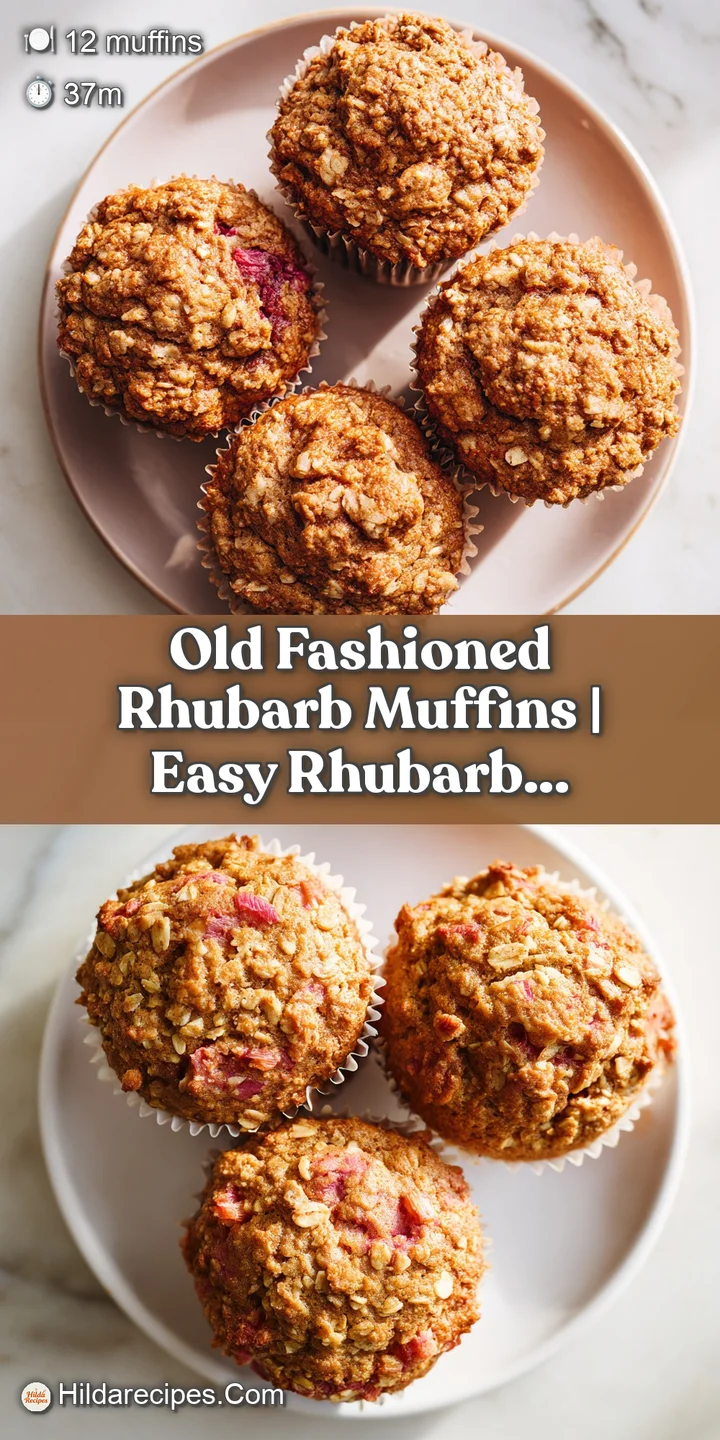
Old Fashioned Rhubarb Muffins: Moist and Tart
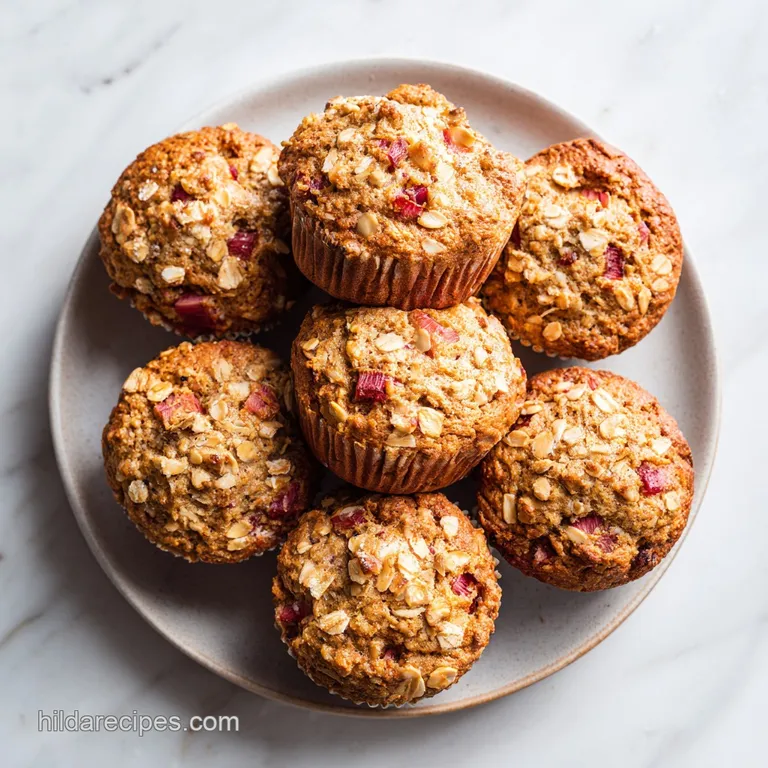
- Time: Active 15 minutes, Passive 22 minutes, Total 37 minutes
- Flavor/Texture Hook: Sharp, tangy fruit pockets in a dense, cinnamon spiced velvety crumb with a turbinado crunch
- Perfect for: High end brunch spreads, meal prep, or seasonal spring baking
- Technical Flaws in Standard Muffin Formulae
- Numerical Targets for the Rhubarb Muffins Recipe
- Molecular Components of a Precise Muffin Batter
- Hardware Required for High Performance Baking Success
- Sequential Protocol for Optimized Batter Development
- Diagnostics for Resolving Common Baking Structural Failures
- Validated Modifications for Alternative Dietary Profiles
- Temporal Stability and Post Production Storage Protocol
- Calibrated Pairings for Maximum Flavor Perception
- Recipe FAQs
- 📝 Recipe Card
Technical Flaws in Standard Muffin Formulae
The primary reason most recipes fail is a lack of understanding regarding "Moisture Migration." Rhubarb is roughly 95% water. When heat hits the batter, that water wants to escape the fruit and enter the surrounding cake. If your batter is too thin, the water turns it into mush.
By using sour cream and avocado oil instead of just milk or butter, we create a viscous barrier that slows down this migration. This ensures the cake stays moist but the area immediately surrounding the rhubarb doesn't become a "wet spot."
Thermal Expansion: Starting at 425°F (218°C) creates an immediate "oven spring." The high heat causes the leavening agents to react violently and the steam to expand rapidly before the top crust sets, resulting in a tall dome rather than a flat, spread out
muffin.
The Barrier Effect: Tossing the rhubarb in a small amount of flour acts as a structural sponge. This sacrificial flour absorbs the first wave of juice the rhubarb sheds as the cell walls break down during the first 10 minutes of baking.
Acid Neutralization: Rhubarb is highly acidic (pH 3.1 to 3.4). We use baking soda to neutralize some of this acid, which not only helps with browning through localized pH shifts but also creates carbon dioxide bubbles for a lighter texture.
| Cooking Method | Time | Texture Outcome | Best For |
|---|---|---|---|
| Standard Oven (425°F) | 22 minutes | High dome, crisp exterior, velvety center | Professional style muffins with maximum rise |
| Stovetop (Dutch Oven) | 35 minutes | Soft, steamed texture, no browning on top | Camping or when an oven is unavailable; resembles a pudding cake |
| Air Fryer (350°F) | 15 minutes | Extremely crispy edges, slightly drier center | Quick batches of 2-4 muffins; requires monitoring for burnt tops |
When you look at the crumb structure of a high-quality bake, like my Yellow Cake recipe, you see an even distribution of air pockets. In a muffin, we want those pockets to be slightly larger to support the weight of the fruit. This is achieved by the specific gravity of our batter it needs to be thick enough that a spoon can stand in it for a second before falling.
Numerical Targets for the Rhubarb Muffins Recipe
Precision is the difference between a bake that is "fine" and one that is technically perfect. We are aiming for a specific weight to volume ratio. Each muffin cup should be filled almost to the brim, which seems counter intuitive, but the high fat content in the sour cream prevents it from spilling over as long as the initial heat is high enough to set the outer edges.
| Ingredient | Science Role | Pro Secret |
|---|---|---|
| Full fat Sour Cream | Acidic tenderizer & fat source | Use room temperature cream to prevent the avocado oil from seizing or clumping. |
| Avocado Oil | Lipid moisture barrier | Provides a cleaner flavor than olive oil and stays liquid at room temperature for a softer crumb. |
| Old-fashioned Oats | Structural reinforcement | These act as "anchors" for the rhubarb, absorbing excess moisture and providing a rustic, chewy bite. |
| Baking Soda | pH regulator | Essential for neutralizing rhubarb's oxalic acid, which allows the muffin to brown properly via sugar caramelization. |
To maintain consistency, ensure your egg is at room temperature. A cold egg can shock the fats in the sour cream, leading to an uneven emulsion. This small variable is often why one batch rises perfectly and the next one feels heavy.
I've seen it happen in my own kitchen when I was in a rush never skip the temp check.
Molecular Components of a Precise Muffin Batter
The selection of ingredients for this rhubarb muffins recipe is based on their chemical interaction rather than just flavor. We aren't just looking for "sweet" and "tangy"; we are looking for a stable matrix.
The all purpose flour provides the gluten structure, while the oats interrupt that structure just enough to keep the muffin from becoming "bready."
- 1.5 cups (190g) All purpose flour: The primary scaffolding.
- 0.75 cup (70g) Old-fashioned rolled oats: Adds complex carbohydrates and moisture wicking properties.
- 0.5 cup (100g) Brown sugar, packed: Provides molasses for depth and hygroscopic properties to keep the muffin moist.
- 1 tsp Baking powder: For the secondary lift during the middle of the bake.
- 0.5 tsp Baking soda: Reacts immediately with the sour cream for the initial rise.
- 0.5 tsp Fine sea salt: Enhances the perception of sweetness and controls gluten tightness.
- 1 tsp Ground cinnamon: Warmth and aromatic complexity.
- 1 cup (240g) Full fat sour cream: The heavy lifter for texture and acidity.
- 1 large Egg: The binder and emulsifier.
- 0.33 cup (75ml) Avocado oil: Provides a "silky" mouthfeel without the heaviness of butter.
- 1 tsp Pure vanilla extract: Aromatic rounding agent.
- 1.5 cups (200g) Fresh rhubarb: The acidic, high moisture focal point.
- 1 tbsp All purpose flour: Used specifically for the fruit coating.
- 2 tbsp Raw turbinado sugar: For a localized crust through large crystal caramelization.
Chef's Note: If your rhubarb is particularly thick (more than 1 inch wide), slice it lengthwise down the middle before dicing. This ensures the pieces are small enough to soften completely in the 22 minutes of baking time without leaving "crunchy" raw vegetable spots.
Hardware Required for High Performance Baking Success
You don't need a lab, but you do need the right tools. A standard 12 cup muffin tin is the baseline. However, the material of the tin matters. Dark coated tins absorb more radiant heat, which can lead to burnt bottoms at 425°F.
If you are using a dark tin, I recommend placing it on a preheated baking sheet to act as a heat sink and protect the base of the muffins.
A silicone spatula is mandatory here. Why? Because we are working with a "two stage" mixing method. We need to fold the ingredients, not whisk them. Over working the batter develops too much gluten, which turns your muffin into a rubber ball.
You want to see a few streaks of flour before you add the rhubarb; this is the sign of a cautious baker.
Chef's Note: For the most consistent domes, use a spring loaded ice cream scoop (size #12 or #16). This ensures every muffin has the exact same volume of batter, meaning they all finish baking at the exact same second.
Sequential Protocol for Optimized Batter Development
- Thermal Calibration: Preheat your oven to 425°F (218°C). Line a 12 cup standard muffin tin with paper liners or apply a thin film of non stick spray. Note: The high heat is the catalyst for the rapid expansion of leavening gases.
- Fruit Preparation: In a small bowl, toss the 1.5 cups of diced rhubarb with 1 tablespoon of all purpose flour. Note: This creates a dry surface that sticks to the batter and prevents the fruit from sinking to the bottom.
- Dry Component Integration: In a large mixing bowl, whisk together the 1.5 cups flour, oats, brown sugar, baking powder, baking soda, sea salt, and cinnamon. Whisk until the brown sugar lumps are completely pulverized.
- Wet Component Emulsification: In a separate medium bowl, whisk the sour cream, egg, avocado oil, and vanilla extract. Whisk until the mixture is a uniform, pale yellow liquid with no oil streaks.
- The Well Method: Create a deep well in the center of the dry ingredients. Pour the wet mixture into the well.
- Folding Technique: Using a spatula, fold the ingredients together until just combined. Stop when you see only a few small spots of dry flour remaining.
- Final Incorporation: Gently fold the floured rhubarb into the batter using three or four sweeping motions.
- Portioning: Divide the batter evenly among the 12 muffin cups. They will be nearly full.
- Surface Treatment: Sprinkle the tops evenly with the 2 tablespoons of raw turbinado sugar. This adds the essential "shatter" texture to the crust.
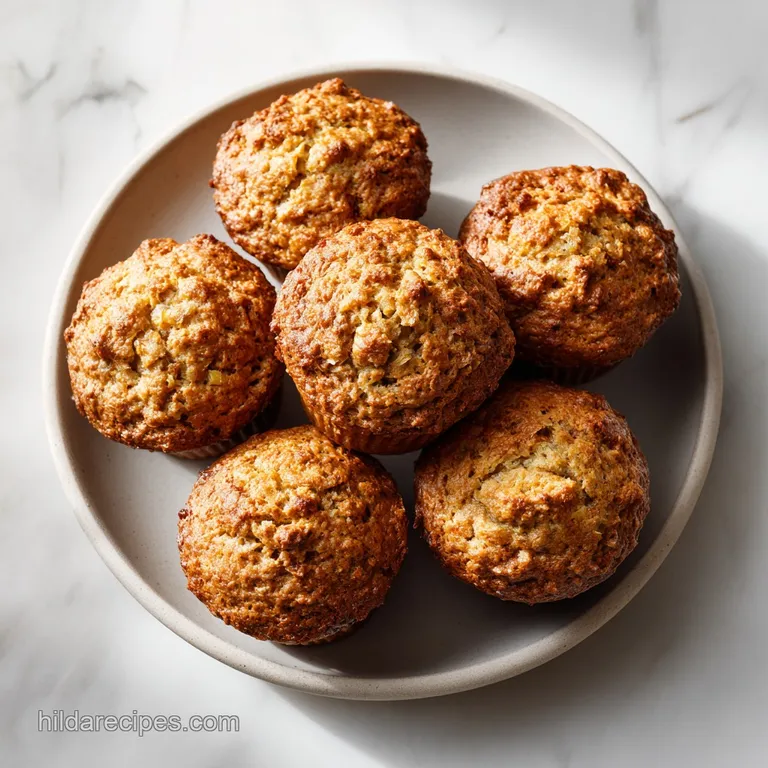
- Thermal Processing: Bake for 22 minutes until the tops are deep golden brown and a toothpick comes out with no wet batter attached.
Diagnostics for Resolving Common Baking Structural Failures
The most common failure in a rhubarb muffins recipe is the "Tunneling" effect. This happens when you overmix the batter. You’ll see long, vertical holes inside the muffin. This is caused by gluten strands forming a ceiling that traps steam. To avoid this, only mix until the flour is barely incorporated.
Another issue is "Leaching," where the rhubarb turns the surrounding cake a muddy grey or green. This is a chemical reaction between the anthocyanins in the rhubarb and an alkaline environment. If you use too much baking soda, the pH rises too high and the red pigment shifts.
Stick to the 0.5 tsp measurement to keep those bright pink pops of color.
Preventing Muffin Sogginess
Rhubarb's high water content is its own enemy. If you find the bottom of your muffins are gummy, it usually means the fruit was cut too large or the oven temperature was too low. The 425°F start is your insurance policy against this.
| Problem | Root Cause | Solution |
|---|---|---|
| Sunken Tops | Overmixing or opening the oven door too early | Fold batter gently; do not open oven before 18 minutes. |
| Gummy Texture | Insufficient fat or underbaking | Ensure full fat sour cream is used and internal temp reaches 205°F. |
| Bitter Aftertaste | Excess baking soda | Measure baking soda with a leveled spoon to maintain pH balance. |
Common Mistakes Checklist
- ✓ Using "light" or "low-fat" sour cream (lacks the necessary structural lipids)
- ✓ Skipping the flour toss for the rhubarb (leads to fruit sinking)
- ✓ Mixing the batter with an electric mixer (over develops gluten instantly)
- ✓ Not preheating the oven fully (results in flat, pale muffins)
- ✓ Slicing rhubarb into chunks larger than 1/4 inch (prevents even distribution)
Validated Modifications for Alternative Dietary Profiles
If you need to adjust this recipe for different needs, you have to be careful not to disrupt the hydration balance. For example, if you want to swap the fat source, you need to match the smoke point and the viscosity.
Butter can be used, but because it contains water (unlike avocado oil), the crumb will be slightly tighter and more "cake like" than "muffin like."
When thinking about pairings, consider the acidity. Much like how a Coffee Cheesecake uses the bitterness of coffee to cut through the fat of the cheese, the sharp tang of rhubarb needs the earthy notes of oats and cinnamon to feel balanced.
| Original Ingredient | Substitute | Why It Works |
|---|---|---|
| Avocado Oil (0.33 cup) | Melted Butter (0.33 cup) | Adds a rich, nutty flavor. Note: Muffins will be slightly denser when cold. |
| Sour Cream (1 cup) | Full fat Greek Yogurt (1 cup) | Similar acidity and protein levels. Note: Texture may be slightly tangier. |
| Brown Sugar (0.5 cup) | Coconut Sugar (0.5 cup) | Similar caramel notes. Note: Slightly less moisture, may require 1 extra tbsp of oil. |
If you want to create a "If you want X, do Y" scenario for your texture preferences: If you want a crunchier top, increase turbinado sugar to 3 tablespoons and add 1/4 cup of chopped pecans.
If you want a moister center, add an extra 2 tablespoons of sour cream and reduce bake time by 1 minute. If you want a sharper tang, increase rhubarb to 1.75 cups and add the zest of one lemon to the wet ingredients.
Temporal Stability and Post Production Storage Protocol
These muffins are high moisture bakes, which means they are susceptible to mold if left in an airtight container at room temperature for too long. The oats and rhubarb trap a lot of humidity. I recommend eating them within 24 hours for the best "crunch" on the sugar topping.
By day two, the sugar will likely have absorbed atmospheric moisture and become soft.
Storage: Keep in a container with a loose lid at room temperature for up to 2 days. For longer storage, refrigerate for up to 5 days, but be aware that the cold will firm up the fats, making the muffin feel less "velvety."
Freezing: These freeze exceptionally well. Wrap individual muffins in plastic wrap and store in a freezer bag for up to 3 months. To reheat, thaw at room temperature or microwave for 20-30 seconds.
Zero Waste Tip: Don't throw away the leaves if you grow your own rhubarb wait, actually, DO throw them away (they are toxic). But the tough, stringy ends of the stalks? You can simmer those with a bit of sugar and water to make a simple syrup for cocktails or soda.
Calibrated Pairings for Maximum Flavor Perception
The flavor profile of this rhubarb muffins recipe is defined by high acidity and warm spice. To complement this, you want pairings that offer either "fatty" contrast or "aromatic" synergy.
A cold glass of whole milk is the classic choice because the milk proteins (casein) help neutralize the sharp acidic bite of the rhubarb on your palate.
If you are serving these as part of a larger brunch, consider the "Breakfast Matrix." They act as the "bright" element in a meal that might otherwise be heavy with eggs and bacon. The oats provide a slow burn energy source, making these a more sustainable breakfast choice than a standard sugar heavy cupcake style muffin.
Traditional Pairing Logic
The best way to enjoy these is slightly warm, about 15 minutes after they come out of the oven. This is when the turbinado sugar has hardened into a shell, but the interior crumb is still steaming and soft.
You can split them and add a thin swipe of salted butter; the salt will make the rhubarb flavor "pop" even more intensely.
Breakfast Matrix Integration
Pair these muffins with a high protein side like soft scrambled eggs or a Greek yogurt bowl. The contrast between the warm, spiced muffin and cold, creamy yogurt is a professional level sensory experience.
If you’re feeling adventurous, a drizzle of honey over the top of the muffin right before eating adds a floral sweetness that rounds out the earthy cinnamon. Trust me, once you see how the over high heat method transforms these ingredients, you'll never go back to the standard 350°F "low and slow" approach.
Precision pays off every single time.
Recipe FAQs
What is one thing you should never do to a muffin mixture?
Never use an electric mixer. Manually folding with a silicone spatula is essential because mechanical mixing over develops gluten, leading to tough, dense muffins instead of a tender crumb.
Do you peel rhubarb for muffins?
No, you do not need to peel rhubarb. The outer skin is perfectly edible and adds beautiful color to the bake, provided you dice the stalks into small 1/4 inch pieces for even distribution.
What brings out the flavour of rhubarb?
Cinnamon and brown sugar are the keys. The warm spice and molasses notes in the brown sugar provide the perfect contrast to the natural tartness of the fruit. If you enjoyed balancing tart profiles here, see how we apply the same acid technique in our lemon pound cake.
What is the secret to a good muffin?
Using high fat ingredients and not overmixing. Full fat sour cream provides necessary structural lipids, while folding the wet and dry ingredients just until combined keeps the final texture light and moist.
How to keep rhubarb from sinking to the bottom?
Toss the diced rhubarb in one tablespoon of flour before adding it to the batter. This coating absorbs excess moisture and helps the pieces stay suspended throughout the muffin rather than settling at the base.
How to achieve a crunchy muffin top?
Sprinkle turbinado sugar over the batter before baking. This coarse sugar does not melt completely in the oven, creating that signature sweet, crunchy crust that contrasts with the soft interior.
Is it true I should use room temperature ingredients?
Yes, this is essential for emulsification. Using a room temperature egg ensures it incorporates smoothly with the avocado oil and sour cream, creating a stable batter that rises evenly in the oven.
Old Fashioned Rhubarb Muffins
Ingredients:
Instructions:
Nutrition Facts:
| Calories | 222 kcal |
|---|---|
| Protein | 3.6 g |
| Fat | 10.7 g |
| Carbs | 28.4 g |
| Fiber | 1.1 g |
| Sugar | 11.4 g |
| Sodium | 178 mg |
