Homemade Angel Food Cake: Velvety Interior
- Time: Active 25 minutes, Passive 40 minutes, Total 1 hours 5 mins
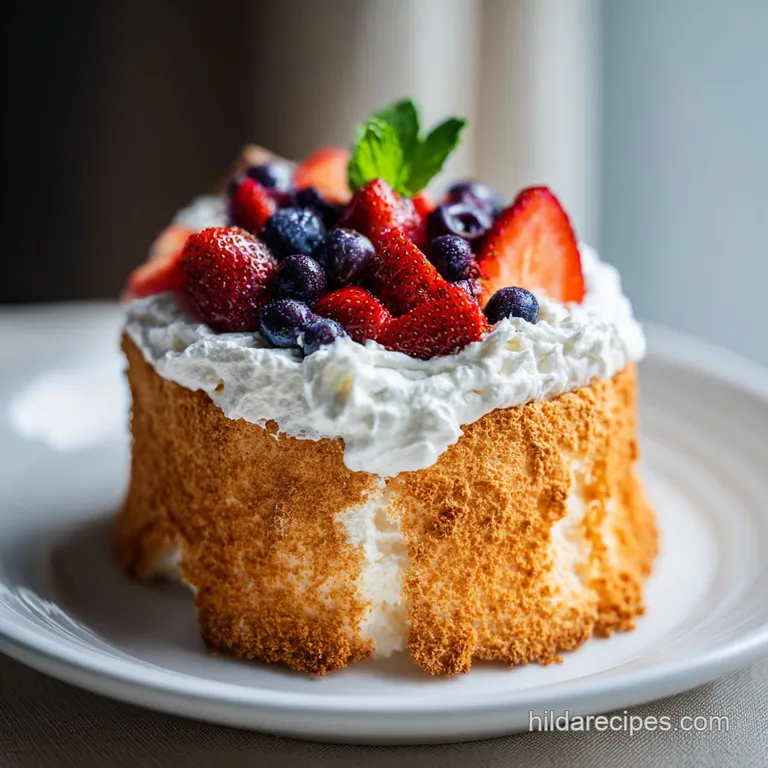
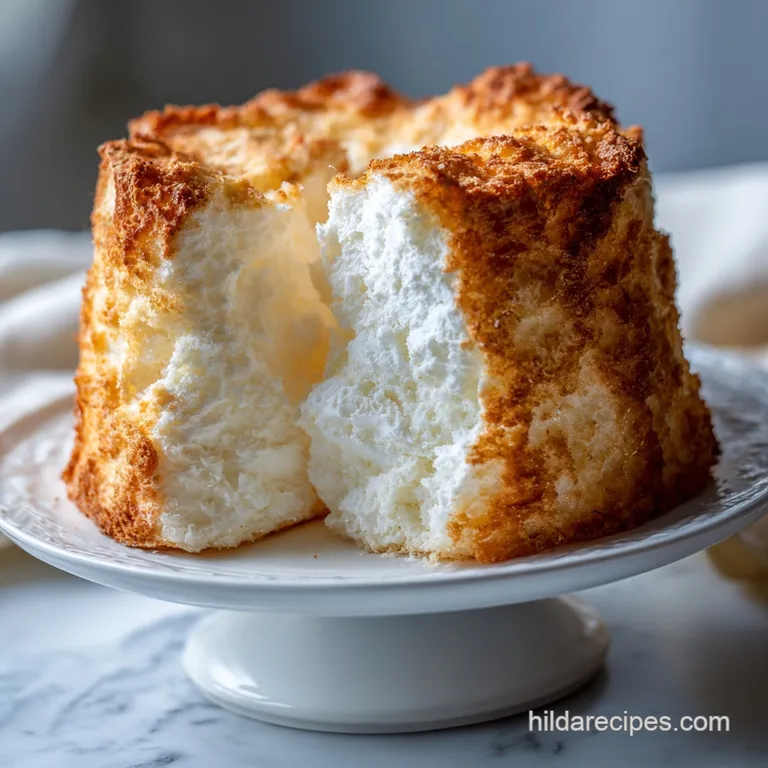
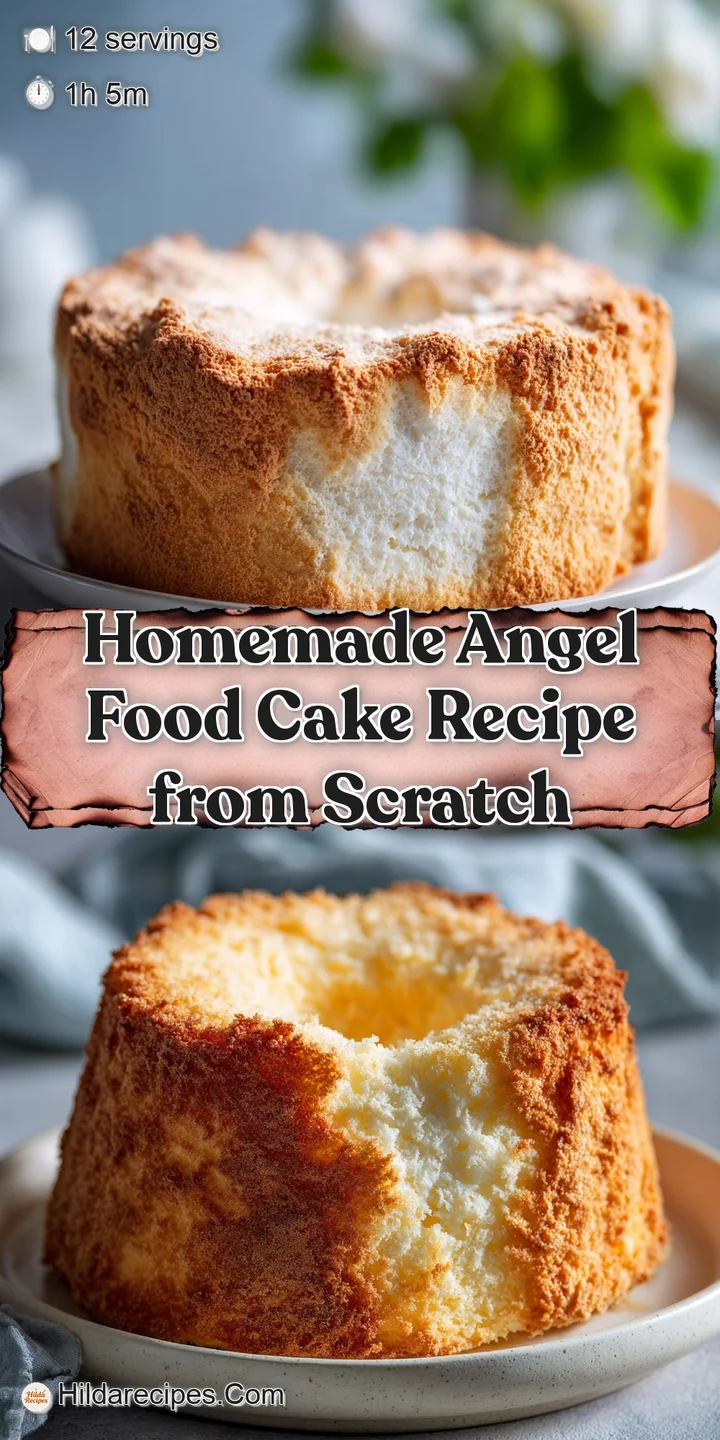
- Flavor/Texture Hook: A shatteringly crisp outer crust hiding a velvety, snowy interior
- Perfect for: Summer garden parties, light dinner finales, or a low-fat treat
- The Secret to Cloud Like Homemade Angel Food Cake
- Why This Whisked Wonder Actually Stays Fluffy
- Component Analysis of the Angelic Sponge
- Essential Ingredients for a Perfect Sponge
- The Right Tools for a Sky High Rise
- Stepping Through the Sifting and Folding Process
- Avoiding the Deflated Crumb and Sticky Top
- Adjusting the Yield for Any Crowd
- Debunking the Meringue Mysteries
- Storage Guidelines and Zero Waste Tips
- Serving and Pairing Guidelines
- Recipe FAQs
- 📝 Recipe Card
The Secret to Cloud Like Homemade Angel Food Cake
There is a specific, heady aroma that fills a kitchen when a homemade angel food cake is about thirty minutes into its bake. It isn't the heavy, buttery scent of a pound cake or the rich cocoa hit of a Chocolate Cake Recipe. Instead, it smells like toasted marshmallows and pure, sweet nostalgia. I remember standing by my grandmother's oven, watching through the glass as the pale batter climbed the sides of her weathered blue tin. We weren't allowed to stomp in the kitchen, lest the "angel" lose its wings and the whole thing come crashing down into a dense, rubbery mess.
That first bite was always a revelation. It didn't just melt; it dissolved. Over the years, I've realized that many home cooks are terrified of this cake because it feels temperamental. We've all heard the horror stories of cakes sliding right out of the pan or refusing to rise past the three inch mark.
But honestly, once you understand the physics of the egg white, it becomes one of the most reliable and rewarding recipes in your repertoire. It’s about patience, a clean bowl, and resisting the urge to grease that pan.
Trust me on this: the effort of cracking a dozen eggs is worth the reward. You're looking for a texture that is simultaneously sturdy enough to hold a pile of macerated strawberries and light enough to feel like you're eating a sweetened breeze.
We've perfected this method over generations, stripping away the fuss to focus on the techniques that actually build that iconic, towering structure.
Why This Whisked Wonder Actually Stays Fluffy
- Protein Denaturation: Whisking creates a physical stress that unfolds egg proteins, allowing them to bond and trap millions of tiny air bubbles.
- Acidic Stabilization: Cream of tartar lowers the pH of the whites, which prevents the protein bonds from tightening too quickly and squeezing out the air.
- Sugar Crystalline Support: Adding superfine sugar gradually reinforces the walls of those air bubbles, turning a fragile foam into a sturdy meringue.
- Starch Suspension: Sifted cake flour provides just enough gluten and starch to "set" the walls of the bubbles as the heat of the oven expands them.
- Mechanical Grip: Using an ungreased pan allows the batter to literally "climb" the walls, using friction to hold its height until the structure sets.
| Thickness | Internal Temp | Rest Time | Visual Cue |
|---|---|---|---|
| 10 inch Tube | 205°F (96°C) | 1 hours 30 mins | Top is golden and cracks feel dry to the touch |
| Individual Cups | 200°F (93°C) | 20 minutes | Springy center that bounces back when pressed |
| Sheet Pan | 205°F (96°C) | 45 minutes | Edges pull away slightly from the sides |
The cooling process is just as vital as the baking itself. Because this cake lacks the structural integrity of butter or oil, it will succumb to gravity if cooled upright. Inverting the pan stretches the delicate protein strands while they cool, ensuring your homemade angel food cake doesn't collapse into a pancake.
Component Analysis of the Angelic Sponge
| Ingredient | Science Role | Pro Secret |
|---|---|---|
| Egg Whites (1.5 cups) | Primary leavening and structure | Use room temp whites; they expand much more than cold ones |
| Superfine Sugar (1.5 cups) | Stabilizer and humectant | Pulse regular sugar in a blender if you can't find superfine |
| Cake Flour (1 cup) | Low protein framework | Triple sift with the sugar to ensure it’s light as air |
| Cream of Tartar (1.5 tsp) | pH regulator | Don't skip it; it ensures the meringue stays white and billowy |
If you find yourself with a surplus of egg yolks after this venture, they are the perfect excuse to bake a batch of Homemade Vanilla Wafer recipe to go alongside your afternoon tea.
Essential Ingredients for a Perfect Sponge
To get that authentic, old fashioned angel food cake recipe result, the quality of your simple ingredients matters. You aren't hiding behind chocolate or spices here, so let the vanilla and almond shine through.
- 1 cup cake flour: Why this? Lower protein than AP flour ensures a tender, non chewy crumb. (Sub: 3/4 cup AP flour + 2 tbsp cornstarch)
- 1.5 cups superfine sugar, divided: Why this? Dissolves instantly into the whites without weighing them down. (Sub: Granulated sugar pulsed in a food processor)
- 0.5 tsp salt: Why this? Sharpens the sweetness and balances the floral almond notes. (Sub: Fine sea salt)
- 1.5 cups egg whites, room temperature: Why this? Provides the massive volume needed for a 10 inch cake. (Sub: Cartoned whites - though fresh is much more stable)
- 1.5 tsp cream of tartar: Why this? Prevents the "over beating" of the proteins. (Sub: 1.5 tsp lemon juice)
- 1 tsp pure vanilla extract: Why this? Provides the classic warm aromatic base. (Sub: Vanilla bean paste)
- 0.5 tsp pure almond extract: Why this? Adds the traditional "wedding cake" flavor profile. (Sub: Increase vanilla extract to 1.5 tsp)
The Right Tools for a Sky High Rise
You absolutely need a 10 inch tube pan with a removable bottom, preferably one with "feet" on the rim for easy inverting. This is often called a homemade angel food cake pan. Do not use a non stick pan. The batter needs to "stick" to the sides to climb.
If you use non stick, your cake will likely fail to rise and might even fall out of the pan during the cooling phase.
A stand mixer is your best friend here, but a handheld electric mixer works too - just be prepared for a bit of a forearm workout. Make sure every tool that touches the egg whites is pristinely clean. A single microscopic speck of fat or egg yolk will prevent the whites from reaching their full, glorious volume.
Stepping Through the Sifting and Folding Process
- Preheat and Prep: Set your oven to 350°F (180°C). Ensure your tube pan is bone dry and completely free of any grease or oil.
- Sift the Dry Base: Whisk the cake flour, salt, and 3/4 cup of the superfine sugar together. Sift this mixture three times. Note: This aerates the flour so it doesn't clump when hitting the wet meringue.
- Whisk the Whites: Place the 1.5 cups of egg whites in a large bowl. Whisk on medium speed until foamy and translucent like soap bubbles.
- Add the Stabilizer: Add the 1.5 tsp cream of tartar and both extracts. Continue whisking until the floral scent of almond fills the air and the mixture starts to turn opaque.
- Build the Meringue: Gradually add the remaining 3/4 cup sugar, one tablespoon at a time. Whisk until soft, glossy peaks form that slightly droop at the tips.
- Incorporate the Flour: Sift a quarter of the flour mixture over the whites. Use a large rubber spatula to fold it in with wide, gentle strokes. Note: Do not stir; you want to preserve the air you just spent 10 minutes whisking in.
- Final Folding: Repeat with the remaining flour in three more additions. Fold until no white streaks of flour remain visible.
- Transfer the Batter: Gently spoon the batter into the pan. Run a knife through the center until any large air pockets are popped.
- Bake the Sponge: Bake for 40 minutes. You will know it is done when the aroma of toasted sugar is strong and the top is golden brown and springy.
- The Inverted Cool: Immediately flip the pan upside down onto its legs (or over a glass bottle). Let it hang until the pan is completely cool to the touch, at least 1.5 hours.
Avoiding the Deflated Crumb and Sticky Top
The most common heartache with this recipe is the "sinkhole" or the cake that refuses to leave the pan. Usually, this comes down to the temperature of the eggs or the cleanliness of the bowl. Even a tiny bit of yolk can ruin the whole batch.
Why Your Cake Sank in the Middle
If your cake rises beautifully but then develops a massive crater as it cools, it likely wasn't baked long enough or you skipped the inverted cooling. The internal structure needs to be "set" by the heat. If the proteins are still soft, gravity will pull the center down.
Ensure your oven is truly at 350°F (180°C) using a thermometer.
| Problem | Root Cause | Solution |
|---|---|---|
| Rubbery Texture | Over folding the flour | Fold only until streaks disappear; stop immediately |
| Small Volume | Cold egg whites | Place eggs in warm water for 5 mins before cracking |
| Sticky/Tacky Top | High humidity | Bake 5 mins longer on humid days to dry the crust |
Why Your Cake Won't Come Out
If the cake is stuck, don't panic. Use a long, thin offset spatula or a dull knife to carefully trace around the outer edge and the inner tube. Give the pan a firm tap on the counter. If you used an ungreased pan as directed, it should release in one beautiful, majestic piece.
Common Mistakes Checklist:
- ✓ Never grease the pan - even a "little bit" will cause the cake to slip and fail.
- ✓ Use room temperature eggs - they trap significantly more air than cold ones.
- ✓ Sift the flour multiple times to prevent heavy "clumps" that pop the air bubbles.
- ✓ Avoid plastic bowls for whisking - they often retain a film of oil that kills meringues.
- ✓ Don't peek! Opening the oven door in the first 20 minutes can cause a temperature drop.
Adjusting the Yield for Any Crowd
Cutting the Recipe in Half
If you're using a smaller 6 inch tube pan, you can halve the ingredients. You will need roughly 6 large egg whites (about 3/4 cup). Reduce the baking time to approximately 25-30 minutes. Always check the "springback" cue - the top should bounce back when lightly touched.
Doubling for a Large Party
If you need two cakes, do not try to whisk all 24 egg whites in one go unless you have a professional sized mixer bowl. It is much safer to make two separate batches. If you do double the batter, increase the sugar and flour linearly, but only increase the cream of tartar to 2.5 tsp to avoid a metallic aftertaste.
Chef's Tip: If you don't have a tube pan, you can bake this in a standard loaf pan. Just be aware it won't rise quite as high because it lacks the center "climb" surface of the tube. You must still cool it upside down by propping the corners of the pan on four inverted glasses.
Debunking the Meringue Mysteries
One major misconception is that you need to whisk the whites until they are stiff and dry. This is actually a mistake! If you whisk until the peaks stand straight up and look chunky, the whites have lost their elasticity. They won't be able to expand further in the oven, leading to a shorter, denser cake.
You want "soft peaks" that look like elegant bird beaks.
Another myth is that you must use "specialty" angel food cake flour. While cake flour is preferred for the softest crumb, you can absolutely make a stellar version with all purpose flour if you replace two tablespoons of the flour with cornstarch and sift it five times instead of three.
Storage Guidelines and Zero Waste Tips
Fridge Storage: Angel food cake dries out quickly. Store it in an airtight container at room temperature for up to 2 days, or in the fridge for up to 5 days. If it gets a bit stale, it makes the most incredible French toast you've ever had.
Freezer Instructions: This cake freezes surprisingly well. Wrap individual slices or the whole cake tightly in plastic wrap, then a layer of foil. It will stay fresh for up to 3 months. Thaw at room temperature for about an hour before serving.
Zero Waste - The Yolks: You'll have 10-12 leftover egg yolks. Don't throw them away! Use them for a rich lemon curd (the perfect topping for this cake), a batch of homemade mayo, or a decadent vanilla custard.
You can also freeze the yolks by whisking them with a pinch of salt or sugar (to prevent them from turning gelatinous) and storing them in an ice cube tray.
Serving and Pairing Guidelines
While a slice of this homemade angel food cake is perfection on its own, it acts as a magnificent canvas for other flavors. Because it is so light, it pairs best with ingredients that offer a bit of acidity or moisture.
For a summer treat, try serving it with a scoop of Carrot Cake Ice recipe. The creaminess of the ice cream seeps into the airy holes of the cake, creating a texture that is half cake, half pudding. Alternatively, a simple pile of berries macerated in a little sugar and lemon juice is the "old fashioned" way that never goes out of style.
If you want to get fancy, lightly toast a slice of the cake in a dry pan until the edges are caramelized and brown. The sugar in the cake will "shatter" when you bite into it, creating a wonderful contrast with the soft interior.
Top that with a dollop of unsweetened whipped cream and a grating of fresh lemon zest for a dessert that looks like it came from a high end bistro.
Recipe FAQs
What is the secret to a good angel food cake?
Never grease the tube pan. The batter must cling to the ungreased metal walls to climb high enough during baking.
Can I use regular flour instead of cake flour for angel food cake?
Yes, but with a modification. Cake flour offers the lowest protein, ensuring tenderness; replace two tablespoons of AP flour with cornstarch for a similar soft texture.
What are some common mistakes when baking angel cake?
Over folding the flour and skipping the inverted cooling are the main pitfalls. Over folding deflates the air, while improper cooling causes the structure to collapse under its own weight.
What are the ingredients for angel food cake?
The core ingredients are egg whites, superfine sugar, cake flour, cream of tartar, salt, and extracts (vanilla/almond). It famously contains no fat or chemical leaveners.
How do I prevent my perfectly whipped egg whites from collapsing when I add the flour?
Sift the flour mixture three times before adding and use a wide rubber spatula to gently fold the flour in three additions. Folding preserves the trapped air better than stirring.
Why must angel food cake be cooled upside down?
To stretch the delicate protein structure while it cools and sets. This stretching prevents the steam created cell walls from shrinking and collapsing the cake into a dense mass.
Is it true I can use leftover egg yolks in a sweet preparation?
Yes, the yolks are perfect for rich custards or curds. If you mastered the light, airy texture here, see how the principle of rich egg-based binding creates a different result in our Fluffy Buttermilk Pancakes recipe.
Homemade Angel Food Cake
Ingredients:
Instructions:
Nutrition Facts:
| Calories | 153 kcal |
|---|---|
| Protein | 4.1 g |
| Fat | 0.1 g |
| Carbs | 34 g |
| Fiber | 0.2 g |
| Sugar | 25 g |
| Sodium | 142 mg |
