Japanese Hibachi Zucchini: Snappy and Savory
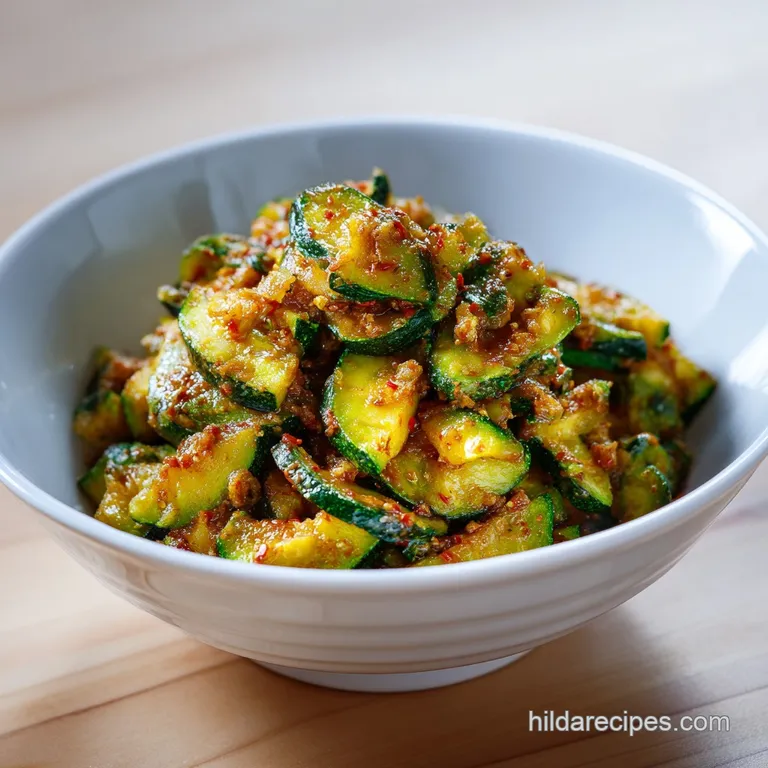
- Time: Active 5 minutes, Passive 10 minutes, Total 15 minutes
- Flavor/Texture Hook: Snappy, buttery, and deeply savory
- Perfect for: Weeknight dinners or a homemade Japanese feast
- Mastering Authentic Japanese Hibachi Zucchini at Home
- The Physics of the Flash Sear
- Component Analysis and Selection
- Fresh Elements for Your Pan
- Essential Tools for Success
- Step by Step Searing Guide
- Fixing Common Texture Mishaps
- Creative Flavor Variations
- Precise Scaling Guidelines
- Debunking Kitchen Tales
- Keep Your Leftovers Fresh
- Complete Your Teppanyaki Feast
- Recipe FAQs
- 📝 Recipe Card
Mastering Authentic Japanese Hibachi Zucchini at Home
The sizzle of a screaming hot pan and the sweet, charred aroma of onions hitting fat always takes me back to the first time I sat at a teppanyaki table. I remember watching the chef's knives fly, but it was the humble zucchini that stole the show for me.
It wasn't the mushy, boiled vegetable I grew up with, instead, it was firm, glossy, and coated in a sauce that I could have eaten with a spoon. For years, I tried to replicate that exact bite at home, but I kept ending up with a watery mess until I learned the secret of the flash sear.
Getting Japanese Hibachi Zucchini right is all about managing moisture and heat. Most home cooks make the mistake of crowding the pan or cooking the vegetables over medium heat, which basically steams them. I've spent plenty of nights scrubbing scorched soy sauce off my pans to figure out that timing is everything.
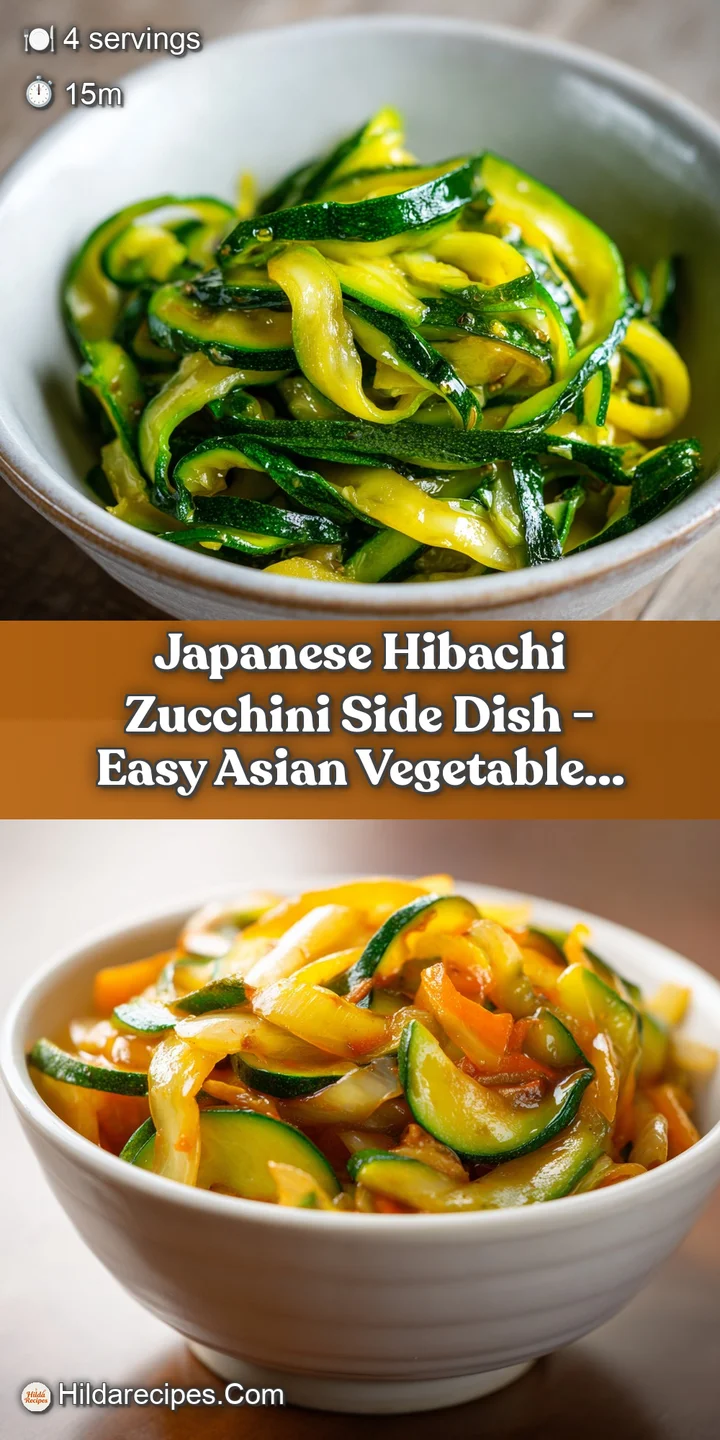
You want that specific contrast between the slightly caramelized exterior and the fresh, vibrant center of the zucchini baton.
This dish is more than just a side, it's a memory of family dinners and big celebrations. I’ve perfected this version to be as simple as possible while keeping those traditional flavors intact.
We’re using basic pantry staples like soy sauce and butter, but when they hit that hot oil, they transform into something truly special. Trust me, once you nail this technique, you’ll never look at a zucchini the same way again.
It's the kind of recipe that makes you feel like a pro even on a busy Tuesday night.
The Physics of the Flash Sear
Moisture Control: Cutting zucchini into thick 2 inch batons reduces the surface area to volume ratio, which prevents the vegetable from collapsing into mush during over high heat cooking.
Maillard Reaction: High heat combined with vegetable oil creates a rapid browning on the onion and zucchini skins before the internal water can escape.
Emulsification: Adding cold butter at the very end creates a glossy, thick glaze as it bonds with the sugars in the teriyaki and soy sauce.
| Method | Cook Time | Texture | Best For |
|---|---|---|---|
| Stovetop Skillet | 10 minutes | Very crispy and charred | Authentic restaurant taste |
| oven-roasted | 15 minutes | Softer and more even | Large batches/hands off |
| Air Fryer | 8 minutes | Extra firm edges | Quick individual servings |
Using a heavy bottomed pan is the best way to maintain the heat needed for this recipe. If the temperature drops when you add the vegetables, they will start to release their juices, and you'll lose that signature snap. This side dish is the ultimate companion to my Grilled Steak Bowl recipe, as the buttery glaze on the vegetables cuts through the richness of the beef perfectly.
Component Analysis and Selection
| Ingredient | Science Role | Pro Secret |
|---|---|---|
| Zucchini (450g) | Structural base | Pat them bone dry with paper towels after cutting to ensure a proper sear. |
| Soy Sauce (1 tbsp) | Salt and umami | Use a high-quality brewed soy sauce for a deeper, more fermented flavor profile. |
| Unsalted Butter (1 tbsp) | Mouthfeel and glaze | Always use unsalted to control the sodium levels since the sauces are already salty. |
| Vegetable Oil (1 tbsp) | High smoke point | Do not use olive oil here, it will smoke and turn bitter at these temperatures. |
The key to a successful stir fry is having everything ready before the heat goes on. Because we are cooking so fast, you won't have time to chop or measure once the oil is shimmering. I like to keep my sauces in a small bowl together so I can pour them in one quick motion.
Fresh Elements for Your Pan
- 2 medium zucchini (450g): Cut into 2 inch batons. Why this? Batons hold their shape better than rounds during over high heat frying.
- 1 small white onion (150g): Cut into 1 inch chunks. Why this? White onions provide a sharp bite that mellows into sweetness.
- 1 tbsp soy sauce: For that classic savory base.
- 1 tbsp teriyaki sauce: Adds a hint of sweetness and thickness to the glaze.
- 1 tbsp unsalted butter: The secret to that velvety restaurant finish.
- 0.5 tsp garlic powder: Provides even flavor distribution without burning like fresh garlic.
- 0.25 tsp black pepper: Adds a subtle warmth.
- 1 tbsp vegetable oil: Necessary for the initial over high heat sear.
- 1 tsp toasted sesame seeds: For a nutty crunch and visual appeal.
If you don't have teriyaki sauce on hand, you can use an extra half tablespoon of soy sauce mixed with a teaspoon of brown sugar. It won't be exactly the same, but it gets you very close to that sweet savory balance.
For the onions, if you only have red onions, they work fine, though they might turn the dish a slightly darker color.
Essential Tools for Success
You really want a large cast iron skillet or a heavy stainless steel pan for this. A wok is also a great choice if you have one. The goal is heat retention. If you use a thin, non stick pan, the temperature will plummet the second the zucchini hits the surface, and you’ll end up with soggy vegetables.
A sharp chef's knife is also non negotiable here. You need clean cuts on the zucchini to ensure they cook evenly. If the batons are different sizes, some will be mushy while others are raw. I also suggest using a pair of long kitchen tongs or a wide spatula to move the vegetables around quickly without bruising them.
step-by-step Searing Guide
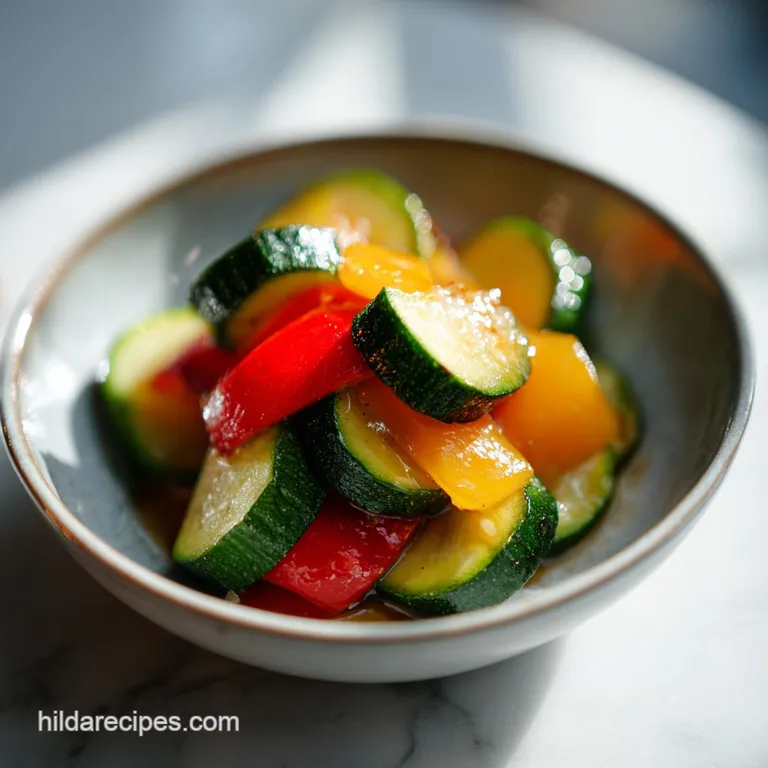
- Prep the zucchini. Trim the ends and cut into 2 inch batons, ensuring they are all roughly the same thickness. Note: Uniformity is the key to even cooking.
- Dry the vegetables. Use a clean kitchen towel to pat the zucchini and onion chunks until they are completely dry to the touch.
- Heat the pan. Place your skillet over high heat and add 1 tbsp vegetable oil. Wait until the oil is shimmering and just starting to smoke.
- Sear the onions. Toss in the 150g of onion chunks. Cook for 2 minutes until the edges are charred but the centers are still firm.
- Add the zucchini. Place the zucchini batons in the pan, trying to get as many as possible in contact with the hot surface.
- Flash fry.Cook for 3 minutes without moving them too much to let a golden crust form on the skins.
- Season the mix. Sprinkle in the 0.5 tsp garlic powder and 0.25 tsp black pepper. Note: Adding spices now prevents them from burning in the initial high heat.
- Deglaze with sauce. Pour in 1 tbsp soy sauce and 1 tbsp teriyaki sauce. Sizzle for 1 minute as the liquid bubbles and reduces.
- Finish with butter. Drop in the 1 tbsp unsalted butter. Toss everything constantly until the butter melts and creates a glossy coating.
- Garnish and serve. Remove from heat immediately and sprinkle with 1 tsp toasted sesame seeds.
Chef's Note: Don't be tempted to salt the zucchini before they hit the pan. Salt draws out water, which will make your hibachi zucchini soggy before the sear even starts. Save the saltiness for the soy sauce at the very end!
Fixing Common Texture Mishaps
Why Your Zucchini Is Soggy
The most common culprit is a crowded pan. When you put too many vegetables in at once, the steam gets trapped between them instead of escaping. This effectively boils the zucchini in its own juices. To fix this, always cook in batches if your pan isn't large enough to keep the vegetables in a single layer.
Why Your Onions Are Burnt
If your onions are turning black before they soften, your heat might be too high, or you aren't moving them enough. While we want a char, we don't want carbon. Make sure you are using a neutral oil with a high smoke point and give the onions a quick toss every 30 seconds.
| Problem | Root Cause | Solution |
|---|---|---|
| Watery Sauce | Too much liquid released | Increase heat and reduce the sauce for 30 extra seconds. |
| Bland Flavor | Under seasoning | Add a tiny pinch of salt or an extra splash of soy sauce. |
| Mushy Center | Overcooking | Reduce total cook time by 2 minutes next time. |
Common Mistakes Checklist
- ✓ Never use a lid; trapping steam is the enemy of a good sear.
- ✓ Ensure the pan is preheated for at least 3 minutes before adding oil.
- ✓ Avoid low-fat butter substitutes as they contain too much water.
- ✓ Don't cut the zucchini too thin or they will lose their structural integrity.
- ✓ Pat the vegetables dry even if they look dry to the naked eye.
Creative Flavor Variations
If you want to change things up, you can easily turn this into a spicy Japanese zucchini stir fry. Just add a teaspoon of chili garlic sauce or a pinch of red pepper flakes when you add the soy sauce. It gives it a lovely kick that balances well with the sweet teriyaki.
For those looking for a healthier or different dietary approach, you can swap the soy sauce for liquid aminos or tamari to make it gluten-free. Just keep in mind that tamari is often richer, so you might want to use slightly less.
You can also toss in some sliced mushrooms or broccoli florets to make it a more substantial vegetable medley.
Precise Scaling Guidelines
If you need to scale this recipe down for one or two people, it's very straightforward. Just halve all the ingredients. However, keep the pan size the same! A larger pan for a smaller amount of vegetables actually works better because it allows for even more moisture evaporation.
When doubling the recipe for a crowd, work in batches. If you try to cook 4 zucchini in one standard skillet, you will definitely end up with soggy results. Double the vegetables and the oil, but I recommend only increasing the soy sauce and spices to about 1.5 times the original amount first.
You can always add more at the end, but you can't take the salt away once it's in there.
Debunking Kitchen Tales
Some people say you should soak zucchini in ice water before cooking to keep it crisp. In my experience, this actually does more harm than good for a hibachi style dish. The extra moisture on the surface makes it nearly impossible to get a good char. Just use fresh, firm zucchini straight from the fridge.
Another myth is that you must use a traditional flat top griddle to get the right flavor. While those are fun, a well seasoned cast iron skillet provides the exact same heat retention and surface reaction. The flavor comes from the caramelization and the butter soy emulsion, not the shape of the cooking surface.
Keep Your Leftovers Fresh
Storage: You can keep leftover Japanese Hibachi Zucchini in an airtight container in the fridge for up to 3 days. Just be aware that the zucchini will soften as it sits in the sauce.
When reheating, I highly recommend using a skillet over medium high heat for 2 minutes rather than the microwave. This helps to re crisp the edges and prevents them from becoming rubbery.
Zero Waste: Don't throw away those zucchini ends or onion scraps! I keep a bag in my freezer for veggie scraps. Once it's full, I boil them down with some ginger and garlic to make a light, aromatic vegetable stock that works perfectly as a base for ramen or miso soup.
Complete Your Teppanyaki Feast
This Japanese zucchini side dish is essentially the glue that holds a hibachi meal together. It provides a fresh, crunchy contrast to heavier proteins and fried rice. I almost always serve it alongside a big bowl of ginger scented rice and some grilled shrimp or chicken.
If you're looking for a full experience, make a quick ginger dipping sauce (the kind you get at the steakhouse) to go on the side. The acidity of the ginger sauce against the buttery zucchini is absolutely brilliant. It’s a simple side that somehow feels like a luxury when it’s done right.
Give it a try, and you'll see exactly why this has been a staple in my kitchen for years.
Recipe FAQs
Does hibachi use cucumber or zucchini?
Zucchini is the standard vegetable. Cucumber contains too much water and would never achieve the necessary high heat sear required for hibachi texture.
How do you cut up zucchini for hibachi?
Cut the zucchini into thick 2 inch batons. This shape provides enough structure to hold up against the high heat without collapsing into mush.
How do you make miso courgettes?
Substitute the soy/teriyaki sauce mixture with a tablespoon of white miso paste mixed with a teaspoon of water. Whisk this paste into the butter right at the end to create the glaze, ensuring you don't burn the miso.
What is zucchini in Japanese?
Zucchini is commonly referred to as "zucchini" (ズッキーニ) in modern Japanese. It is generally not a traditional component of classic Japanese cuisine, hence the direct borrowing of the foreign word.
Is it true that I must use a wok for authentic hibachi flavor?
No, this is a common misconception. A heavy bottomed cast iron skillet is equally effective at retaining the intense heat necessary for the critical flash sear.
How long should I cook the zucchini batons over high heat?
Sear the zucchini for about 3 minutes without moving it much initially. This allows a proper crust to develop on the surface before you toss it with the sauces and butter.
Why is my hibachi zucchini watery instead of snappy?
You are likely overcrowding the pan or cooking over insufficient heat. Crowding traps steam, which boils the vegetables; always cook in a single layer and use high heat to evaporate moisture quickly.
Hibachi Zucchini In 15 Minutes
Ingredients:
Instructions:
Nutrition Facts:
| Calories | 102 calories |
|---|---|
| Protein | 2.5 g |
| Fat | 7.1 g |
| Carbs | 8.3 g |
| Fiber | 1.3 g |
| Sugar | 3.9 g |
| Sodium | 370 mg |
