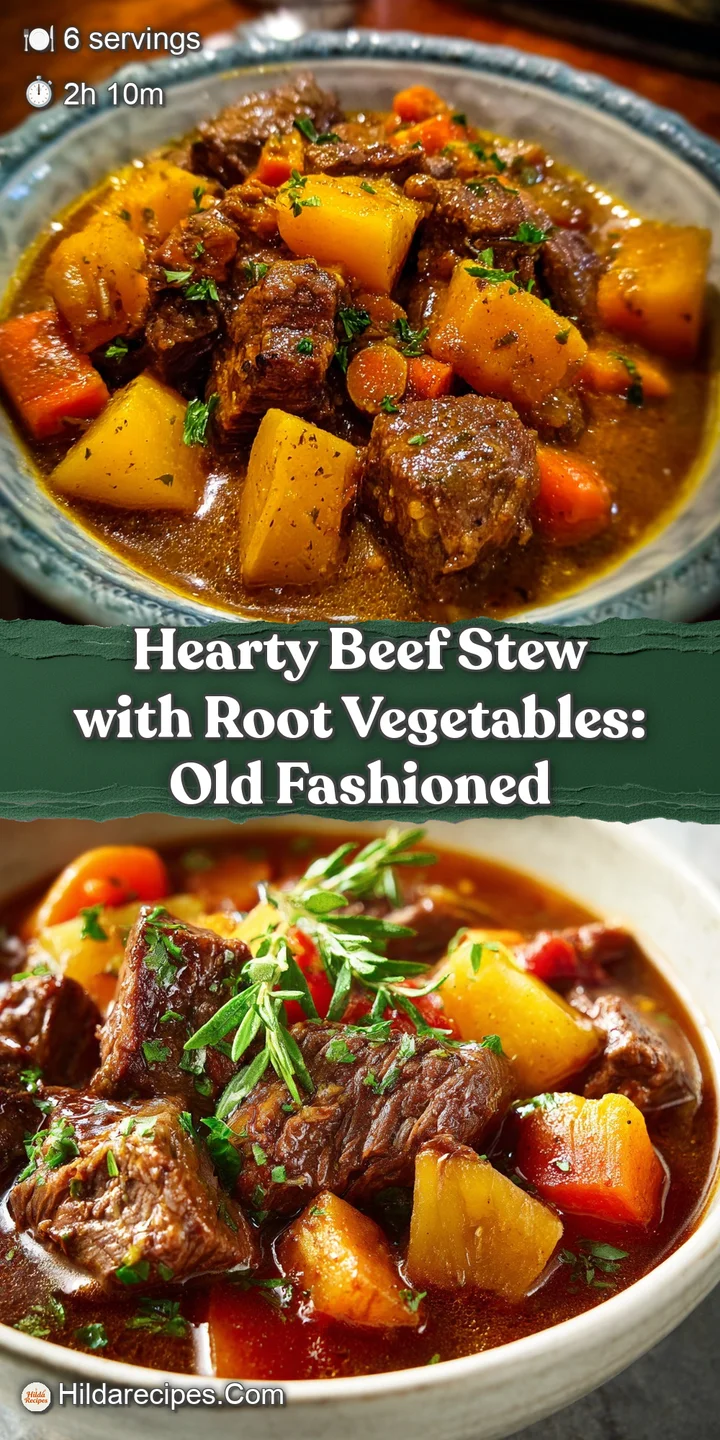
Hearty Beef Stew with Root Vegetables
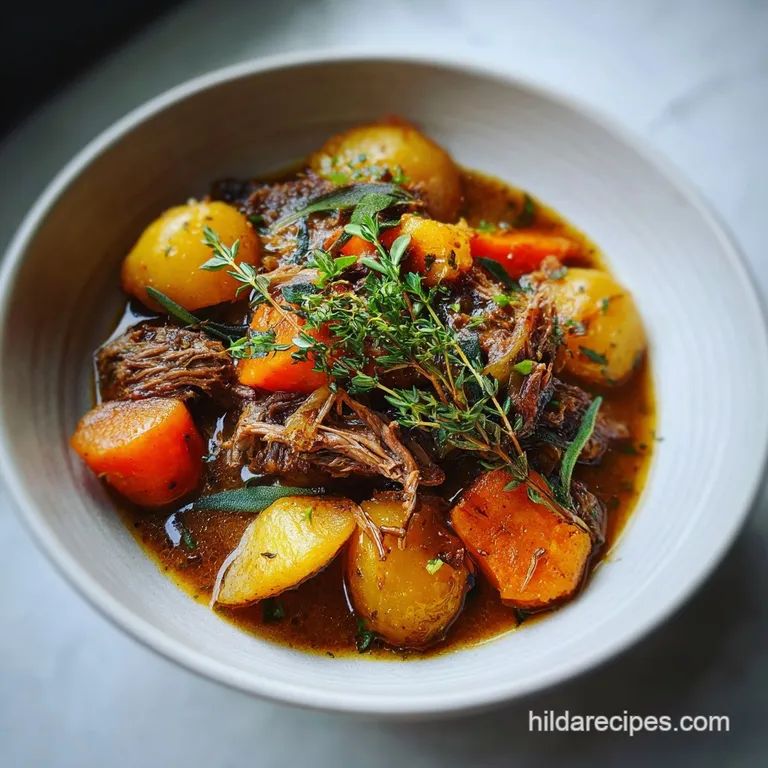
- Time: Active 25 minutes, Passive 1 hours 45 mins, Total 2 hours 10 mins
- Flavor/Texture Hook: Velvety beef paired with tender, buttery root vegetables in a silky, wine rich gravy.
- Perfect for: A cozy Sunday family dinner or a prep ahead meal that tastes even better the next day.
- The Secret to a Hearty Beef Stew with Root Vegetables
- Timing and Yield for Your Slow Cooked Masterpiece
- The Essential Elements of a Soul Warming Stew
- The Best Tools for Braising Success
- Step-by-Step Guide to Developing Deep Flavor
- Rescuing Your Stew from Common Kitchen Mishaps
- Customizing Your Stew for Every Season
- Scaling Your Hearty Beef Stew
- Debunking Stew Misconceptions
- Preservation Secrets and Zero Waste Tips
- Perfect Pairings to Round Out Your Meal
- Very High in Sodium
- Recipe FAQs
- 📝 Recipe Card
The Secret to a Hearty Beef Stew with Root Vegetables
The first thing you’ll notice isn't the sight of the pot, but the way the kitchen starts to smell about forty minutes in. It’s that deep, savory perfume of rosemary and thyme tangling with the sweetness of sautéing onions.
Whenever I hear that first sizzle of beef hitting the hot oil, it takes me right back to my mother’s kitchen on rainy October afternoons. She always said the secret wasn't in the fancy spices, but in the patience you show that initial sear.
I remember one time I tried to rush it I crowded the pan because I was hungry and impatient. Instead of those beautiful, crusty brown edges, my beef just turned a sad, greyish color and steamed in its own juices. It was a total disaster, and the stew ended up bland.
That was the day I learned that the "brown stuff" on the bottom of the pan is actually liquid gold. Now, I make sure every cube of beef has its own space to dance in the oil until it’s perfectly browned.
We’re making a dish that feels like a warm hug. This isn't a thin, watery soup; it’s a thick, substantial meal where the parsnips and turnips bring a sophisticated edge to the classic potato and carrot duo.
You’re going to love how the red wine cuts through the richness of the beef bone broth, creating a sauce so velvety you’ll want to mop up every last drop with a crusty piece of bread. Let's get into the "why" behind the magic.
The Physics of the Braise: Long chain collagen proteins in the tough beef chuck roast slowly break down into silky gelatin at temperatures between 160°F and 180°C.
This process doesn't just tenderize the meat; it creates the luxurious, lip smacking mouthfeel that defines a true hearty beef stew.
- Maillard Reaction: Searing the beef at high heat creates hundreds of new flavor compounds that simply don't exist in raw or boiled meat.
- Starch Gelatinization: The flour coating on the beef hydrates and swells during the simmer, naturally thickening the broth without needing a heavy roux at the end.
- Osmotic Exchange: As the root vegetables soften, they release natural sugars into the broth while absorbing the savory beef juices, creating a balanced flavor profile.
- Deglazing Depth: The acidity in the dry red wine acts as a solvent, lifting the caramelized proteins (the fond) off the bottom of the pot and integrating them into the sauce.
| Cooking Method | Total Time | Texture Outcome | Best For |
|---|---|---|---|
| Stovetop (This Recipe) | 2 hours 10 mins | Most controlled vegetable tenderness | Traditionalists and weekend cooks |
| Slow Cooker | 7-8 hours (Low) | Extremely shreddy meat | Busy workdays and set it and forget it |
| Instant Pot | 1 hours 15 mins | Very soft vegetables | Last minute cravings and time saving |
Choosing the right method depends on how much you want to "babysit" the pot. While the slow cooker is great, the stovetop method allows you to add the vegetables in stages, ensuring the potatoes don't turn to mush while the meat finishes. It’s the same attention to detail I use when preparing my Meatloaf with Mushroom recipe, where texture is just as important as taste.
Timing and Yield for Your Slow Cooked Masterpiece
When you're planning a meal for six people, you need to know exactly how long you'll be standing over the stove versus how long you can sit on the couch with a glass of that leftover Merlot. This recipe is designed to be efficient but thorough.
We spend about 25 minutes of active time mostly chopping and searing and then the oven or stove does the heavy lifting.
| Component | Science Role | Pro Secret |
|---|---|---|
| Beef Chuck Roast | Provides collagen and fat | Cut into uniform 1.5 inch cubes to ensure even cooking and tenderizing. |
| Tomato Paste | Umami booster and acid | Caramelize it for 2 minutes until it turns brick red to remove the "raw" tinny taste. |
| Dry Red Wine | Flavor solvent and acidity | Use a wine you'd actually drink; the alcohol evaporates, leaving behind complex fruit notes. |
| Parsnips/Turnips | Earthy sweetness | These contain more complex sugars than carrots, adding a "hidden" depth to the gravy. |
Understanding these components helps you realize that every ingredient has a job to do. The beef isn't just there for protein; it's the source of the sauce's body. If you’re looking for another protein heavy comfort dish that uses a similar searing technique, you might enjoy my Oven Garlic Herb Flank Steak.
The Essential Elements of a Soul Warming Stew
For this hearty beef stew with root vegetables, we are sticking to high-quality, whole ingredients. No "cream of anything" cans here just pure, concentrated flavor.
- 3 lbs beef chuck roast: Cut into 1.5 inch cubes. Why this? Chuck has the perfect fat to connective tissue ratio for long braising.
- 3 tbsp neutral oil: Grapeseed or Vegetable oil. Why this? High smoke point allows for a hard sear without burning.
- 2 tsp kosher salt & 1 tsp black pepper: Essential seasoning.
- 1/4 cup all purpose flour: To coat the beef. Why this? Thickens the stew naturally as it simmers.
- 1 large yellow onion: Diced.
- 4 cloves garlic: Smashed and minced.
- 2 tbsp tomato paste: For deep color and umami.
- 1 cup dry red wine: Cabernet or Merlot work beautifully.
- 4 cups beef bone broth: Richer than standard broth.
- Herbs: 2 sprigs rosemary, 4 sprigs thyme, 2 dried bay leaves.
- Root Vegetables: 3 carrots, 2 parsnips, 1 lb Yukon Gold potatoes, 1 large turnip.
- 1 cup frozen peas: Added at the very end for a pop of color.
| Original Ingredient | Substitute | Why It Works |
|---|---|---|
| Dry Red Wine | Beef Broth + 1 tbsp Balsamic | Provides the necessary acidity without the alcohol content. |
| Parsnips | Extra Carrots | Same texture, though the flavor will be sweeter and less earthy. |
| Beef Bone Broth | Chicken Stock | Lighter flavor, but still provides plenty of savory body. Note: Color will be paler. |
Adding that splash of balsamic if you skip the wine is a trick I learned years ago. It provides that "zing" that balances the heavy fats of the beef. It's similar to the flavor balance found in a well seasoned Korean BBQ Beef recipe, where acidity meets rich protein.
The Best Tools for Braising Success
You don't need a kitchen full of gadgets, but a few specific pieces of equipment will make your life much easier. The most important is a heavy bottomed pot. I swear by my 6 quart enameled cast iron Dutch oven.
It holds heat like a champ, which is exactly what you want when you're trying to maintain a steady, low simmer for nearly two hours.
If you don't have a Dutch oven, any large, heavy stockpot will do, but be careful of thin bottomed pots. They tend to have "hot spots" that can scorch the bottom of your stew while the top is still cold. You'll also want a good sharp chef's knife for all those root vegetables.
Cutting a turnip can be a workout if your blade is dull! Finally,, a wooden spoon is your best friend for scraping up the fond after you pour in the wine. Metal spoons can scratch your pot, and silicone ones aren't stiff enough to really get those tasty bits off the bottom.
step-by-step Guide to Developing Deep Flavor
- Prep and coat the beef. Pat the 3 lbs of beef chuck roast completely dry with paper towels. Toss the cubes in a bowl with 1/4 cup flour, 2 tsp salt, and 1 tsp pepper until evenly coated. Note: Drying the meat is the only way to get a true crusty sear.
- Sear the beef. Heat 3 tbsp oil in your pot over medium high heat. Add the beef in batches, making sure not to crowd the pan. Cook until deep brown and crusty on all sides (about 3-4 minutes per side). Remove and set aside.
- Sauté the aromatics. Lower the heat to medium. Add the diced yellow onion to the residual fat. Cook for 5 minutes until translucent and golden at the edges.
- Add garlic and paste. Stir in the 4 cloves of minced garlic and 2 tbsp tomato paste. Cook for 2 minutes until the paste smells sweet and looks like dark brick.
- Deglaze the pot. Pour in 1 cup of dry red wine. Use your wooden spoon to scrape all the brown bits off the bottom. Let it bubble and reduce by half.
- Simmer the base. Return the beef and any accumulated juices to the pot. Pour in 4 cups beef bone broth. Add the rosemary, thyme, and bay leaves.
- The long braise. Bring to a boil, then reduce heat to low. Cover and simmer for 1 hours. The meat should be starting to feel tender when poked.
- Add the root vegetables. Stir in the 3 carrots, 2 parsnips, 1 lb Yukon Gold potatoes, and 1 large turnip. Cover and simmer for another 45 minutes until the vegetables are fork tender and the beef is buttery.
- The final touch. Stir in 1 cup of frozen peas. Let them sit in the hot stew for 2 minutes until bright green and heated through.
- Rest and serve. Remove the herb sprigs and bay leaves. Let the stew sit for 10 minutes before serving to let the sauce thicken and the flavors settle.
Rescuing Your Stew from Common Kitchen Mishaps
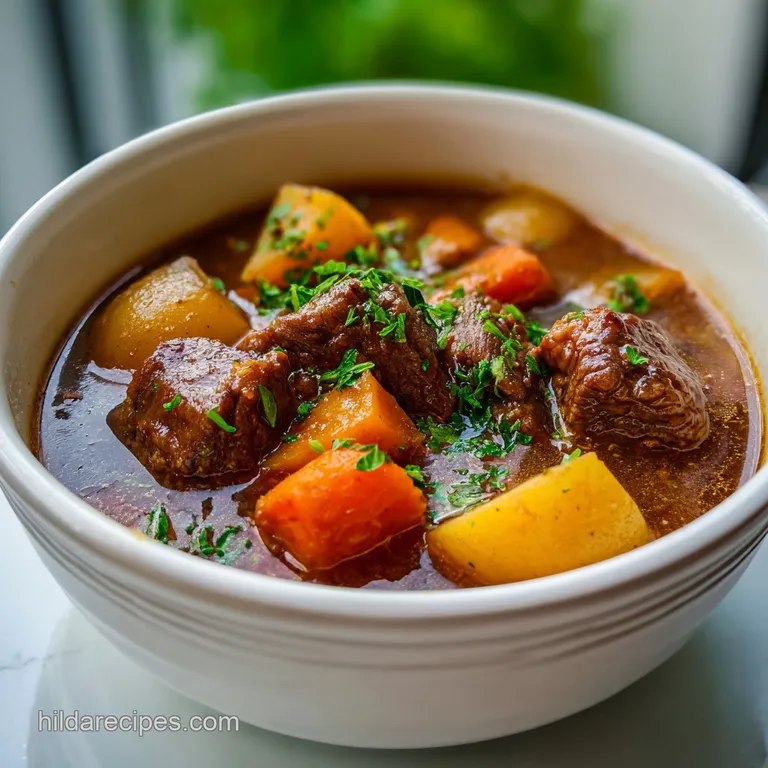
Even the best of us run into trouble sometimes. Maybe you got distracted by a phone call and the liquid evaporated too much, or maybe the grocery store only had monster sized carrots that are taking forever to cook. Don't panic; most stew "fails" are actually very easy to fix.
Why Your Stew Broth is Too Thin
If you reach the end of the cooking time and the liquid looks more like tea than gravy, it’s usually because the flour on the meat wasn't enough to counteract the moisture from the vegetables. You can easily fix this by smashing a few of the cooked potato cubes against the side of the pot.
The released starch will instantly thicken the sauce. Alternatively, whisk 1 tablespoon of cornstarch with 2 tablespoons of cold water to make a slurry, stir it in, and simmer for 3 minutes.
Why the Beef is Still Tough
If the timer goes off and your beef still has a "bounce" to it, it simply hasn't cooked long enough. Beef chuck is stubborn. The collagen needs time and heat to turn into gelatin. If it's tough, give it another 20-30 minutes of simmering. You cannot rush science!
| Problem | Root Cause | Solution |
|---|---|---|
| Stew is too salty | Liquid reduced too much | Add a splash of water or more unsalted broth; add a pinch of sugar to balance. |
| Vegetables are mushy | Added too early | Next time, follow the staggered timing. For now, enjoy it as a "thickened" rustic stew. |
| Flavor is flat/dull | Lacks acidity | Add a teaspoon of red wine vinegar or lemon juice right before serving. |
Common Mistakes Checklist: ✓ Never skip the searing step; it’s where 80% of your flavor comes from. ✓ Don't use "stew meat" from the store if you can help it; it's often a mix of different cuts that cook at different rates. Buy a whole chuck roast and cut it yourself.
✓ Avoid boiling the stew vigorously. A gentle "smile" (tiny bubbles) is what you want for tender meat. ✓ Make sure to remove the rosemary and thyme stems before serving so no one gets a woody surprise.
Customizing Your Stew for Every Season
This recipe is a canvas. Once you have the technique down, you can swap things around based on what’s in your garden or your pantry. If you're feeling adventurous, you can try these two popular variations:
1. Winter Beef and Root Vegetable Stew (The Pub Style)
To give this a British pub feel, swap the red wine for a bottle of dark stout (like Guinness). The bitterness of the beer pairs incredibly well with the earthy parsnips. I also like to add a tablespoon of Worcestershire sauce and a teaspoon of honey to balance the dark notes of the ale.
2. Beef Stew with Roasted Root Vegetables
If you have a bit of extra time, instead of simmering the vegetables in the pot, toss the carrots, parsnips, and turnips in oil and roast them in a 400°F (200°C) oven until they are caramelized and charred. Add them to the stew in the last 10 minutes.
This gives the stew a smoky, roasted depth that is absolutely incredible.
- For a richer sauce
- Add 2 anchovy fillets (finely minced) along with the garlic; they melt away but provide an incredible savory backbone.
- For a lighter meal
- Replace half the potatoes with extra turnips or radishes, which have a lower glycemic index.
- For a "Pioneer Woman" vibe
- Add a splash of heavy cream at the very end for a silky, pale brown gravy that feels ultra indulgent.
Scaling Your Hearty Beef Stew
If you're cooking for a crowd or just for yourself, adjusting this recipe is straightforward, but there are a few rules to follow to keep the flavors balanced.
Cutting the Recipe in Half: If you only want 3 servings, you can easily halve the ingredients. Use a smaller pot (3-4 quarts) so the liquid still covers the meat. You'll likely need to reduce the simmering time by about 20%.
If the recipe calls for one egg (not in this one, but for future reference), beat it and use half. Here, since we have 1 onion, just use a small one or half a large one.
Doubling the Recipe: Feeding a dozen people? Double everything, but be careful with the salt and spices. I recommend only using 1.5x the salt and herbs at first, then tasting at the end. For some reason, saltiness can compound in large pots.
You’ll definitely need to sear the beef in 4-5 batches to keep the pan hot.
Debunking Stew Misconceptions
There are so many "rules" passed down through families that aren't actually true. Let's clear up a few so you can cook with confidence.
First, "Searing meat seals in the juices" is a total myth. Searing actually dries out the surface of the meat (which is why it gets crispy!). The reason we do it is for the Maillard reaction that complex, savory flavor.
The moisture in your beef comes from the breakdown of fat and collagen during the slow simmer, not from the "seal" of the sear.
Second, many people think you have to use expensive wine. "Don't cook with what you wouldn't drink" is a good rule, but that doesn't mean you need a $50 bottle. A decent $10-12 Cabernet is perfect. The nuances of a very expensive wine will be lost in a long braise anyway.
Finally,, you don't need to peel your potatoes if you're using Yukon Golds. The skins are thin and add a nice rustic texture and extra nutrients. Just give them a good scrub!
Preservation Secrets and Zero Waste Tips
The beautiful thing about a hearty beef stew with root vegetables is that it actually tastes better on Tuesday than it did on Sunday. As it sits in the fridge, the starch in the potatoes continues to thicken the sauce, and the flavors of the herbs penetrate deeper into the meat.
- Fridge
- Keep in an airtight container for up to 4 days.
- Freezer
- This stew freezes beautifully for up to 3 months. However, be aware that potatoes can sometimes become a bit grainy after thawing. If you plan to freeze the whole batch, you might consider slightly undercooking the potatoes.
- Reheating
- Always reheat on the stovetop over low heat. Add a splash of water or broth to loosen the gravy, as it will have thickened significantly in the fridge.
Zero Waste Tips: Don't throw away those vegetable scraps! The peels from the carrots, parsnips, and the ends of the onions are packed with flavor. Toss them into a freezer bag. Once you have a full bag, boil them with water for an hour to make your own vegetable scrap broth for your next soup. Also, if you have leftover gravy but no meat or veggies, it makes a killer base for a shepherd's pie or can be served over mashed potatoes the next day. If you're looking for more ways to use up garden veggies, check out my Stuffed Bell Peppers recipe, which is another great "clearing out the fridge" meal.
Perfect Pairings to Round Out Your Meal
While this stew is a complete meal on its own, a few sides can take it from "great dinner" to "legendary feast."
Since the stew is quite rich and savory, I always serve it with something to cut through that weight. A simple green salad with a sharp lemon vinaigrette is my go to. If you want to lean into the comfort factor, you can't go wrong with a loaf of warm, crusty sourdough bread.
You'll need it to swipe up the remains of that velvety gravy.
If you're hosting a larger gathering, this stew pairs beautifully with a side of Frogmore Stew Recipe if you're doing a multi course "stew fest" or perhaps some simple buttered egg noodles. The noodles act as a neutral base that lets the flavors of the root vegetables really shine. Whatever you choose, make sure you have plenty of it people always come back for seconds of this one!
Very High in Sodium
1180 mg mg of sodium per serving (51% % of daily value)
The American Heart Association recommends limiting sodium intake to no more than 2,300mg per day for optimal health.
Tips to Reduce Sodium in Your Beef Stew
-
Low-Sodium Broth-30%
Replace regular beef bone broth with a low-sodium or no-salt added version. This simple swap can significantly reduce the sodium content of the stew.
-
Reduce Added Salt-25%
Cut back on the amount of kosher salt added to the recipe. Start by using 1 teaspoon instead of 2, and adjust to taste. Remember you can always add more, but you can't take it away!
-
No-Salt Added Tomato Paste-10%
Ensure that the tomato paste you use is a no-salt added variety. Some tomato pastes contain significant amounts of sodium.
-
Unsalted Veggies-5%
Make sure all the veggies are fresh and not previously salted or processed with salt. This will help keep the sodium content as low as possible.
-
Flavor with Herbs
Enhance the flavor of your stew with fresh and dried herbs and spices like garlic, pepper, rosemary, thyme, and bay leaves. These add depth of flavor without adding sodium.
Recipe FAQs
Can I skip searing the beef for this hearty stew?
No, searing is crucial for deep flavor. Searing activates the Maillard reaction, creating hundreds of savory flavor compounds that you cannot achieve by simply boiling the meat.
How to tell when the beef is perfectly tender?
Use a fork to test the meat after the first hour of simmering. The beef should yield easily without needing to be pulled apart; if it resists, continue cooking, similar to the slow tenderizing required for our Classic Meatloaf with recipe.
How to thicken the stew gravy without using cornstarch?
Smash a few cooked potato cubes against the side of the pot. The natural starch released from the potatoes will gelatinize, thickening the broth beautifully as you stir.
Is it true that tougher cuts of beef like chuck roast yield the best stew?
Yes, tough cuts are superior for slow cooking. Cuts like chuck roast are high in collagen which breaks down into gelatin during long, low simmering, creating the signature velvety texture of the gravy.
How long in advance can I make this stew?
It can be fully cooked up to 3 days ahead of time. Stews consistently taste better the next day as the flavors continue to marry and deepen overnight in the refrigerator.
What liquid is the best substitute for red wine during deglazing?
Use beef broth mixed with one tablespoon of balsamic vinegar. The vinegar provides the necessary acidity to lift the fond (brown bits) off the pan base, balancing the stew's richness.
How to prevent the root vegetables from turning to mush?
Add root vegetables in stages according to their density. Add dense items like carrots first, and then add softer items like potatoes only during the final 45 minutes of cooking.
Hearty Beef Stew Root Vegetables
Ingredients:
Instructions:
Nutrition Facts:
| Calories | 842 kcal |
|---|---|
| Protein | 55g |
| Fat | 51g |
| Carbs | 34g |
| Fiber | 7g |
| Sugar | 8g |
| Sodium | 1180mg |
