Grilled Fish with Mango Salsa and Creamy Sauce
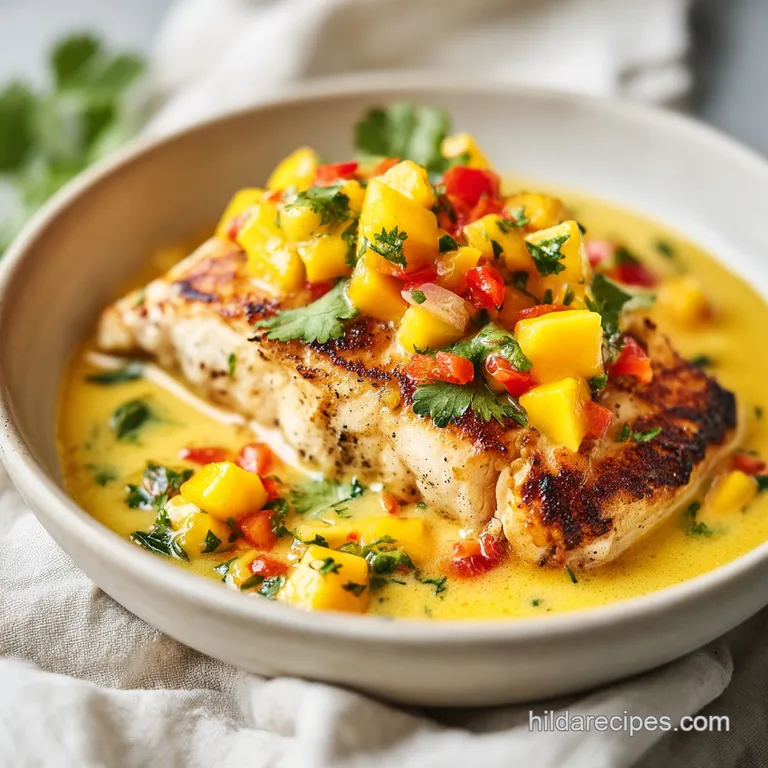
- Time: Active 15 minutes, Passive 10 minutes, Total 25 minutes
- Flavor/Texture Hook: Succulent charred Mahi Mahi paired with velvety cream and zesty mango.
- Perfect for: A vibrant backyard gathering or a light, refreshing weeknight dinner.
- Mastering Grilled Fish with Mango Salsa
- Core Specifications and Timing
- Component Analysis of Flavors
- Tools for Better Grilling
- Essential Ingredients and Substitutions
- Step-By-Step Preparation Guide
- Solving Common Texture Issues
- Dietary Substitutions and Shifts
- Kitchen Myths and Realities
- Storage and Sustainability Tips
- Presentation and Pairing Ideas
- Recipe FAQs
- 📝 Recipe Card
Mastering Grilled Fish with Mango Salsa
The air hits you first that unmistakable scent of charcoal mingling with the ocean breeze. I remember the first time I got the grill marks just right on a thick piece of mahi mahi.
It was a humid evening in July, and I’d spent far too many summers serving overcooked, dry fish that crumbled into sad piles on the plate. But that day, I realized that high heat and a little patience were the secrets I’d been missing.
When the cold, seasoned fish hits the hot grate, that initial sizzle is like music. It’s the sound of a crust forming, a barrier that keeps the inside flaking apart in moist, tender layers. Balancing that heat with the cold, dripping sweetness of a diced mango makes the whole thing feel like a celebration.
Trust me, once you see that vibrant orange salsa against the smoky char of the fish, you won't want to go back to plain lemon and butter. Enjoy this recipe for Grilled Fish with Mango Salsa and Creamy Sauce, a guaranteed dinner winner.
We’ve all been there worried about the fish sticking or the salsa turning into a watery mess. This method fixes those worries by focusing on the harmony of textures. The velvety cream sauce ties everything together, acting as the bridge between the spice of the jalapeño and the richness of the fish.
It’s a dish that looks like it took hours of prep but actually comes together faster than a pizza delivery.
Core Specifications and Timing
Building layers of flavor requires understanding how each component interacts with heat and time. The Mahi Mahi acts as our sturdy foundation, capable of holding up to the bold spices of cumin and smoked paprika without falling apart on the grill.
While the fish sears, we focus on the raw, sharp elements of the salsa to provide a high contrast finish.
- Protein Integrity
- Using a firm white fish like Mahi Mahi ensures the fillets hold their shape during the flip, preventing the dreaded "shatter" effect.
- Temperature Contrast
- Serving the chilled salsa and sauce over the hot off-the grill fish creates a sensory experience that keeps the palate engaged.
- Acidity Balance
- The lime juice in the salsa and the sauce performs a dual role it brightens the fat in the sour cream and cuts through the earthiness of the cumin.
- The Maillard Effect
- High heat transforms the surface sugars and proteins into a savory, dark crust that adds a depth of flavor boiling or steaming never could.
| Fillet Thickness | Internal Temp | Rest Time | Visual Cue |
|---|---|---|---|
| 1/2 inch | 140°F | 2 mins | Opaque and flakes with a fork |
| 1 inch | 145°F | 3 mins | Center is just barely firm |
| 1.5 inches | 145°F | 5 mins | Juices run clear when pressed |
Understanding the thickness of your fillets is the easiest way to avoid the tragedy of dry fish. If you are serving a larger crowd, similar to the strategy used in our Marinated Grilled Flank recipe, you might want to use a meat thermometer to ensure every piece is pulled at its peak succulence.
Component Analysis of Flavors
Each ingredient in this dish serves a specific purpose in the architecture of the final bite. We aren't just adding things for the sake of a long list; we are selecting elements that either enhance the smokiness of the grill or provide a necessary counter acid.
The Physics of the Sear
The high smoke point of avocado oil allows the grill grates to reach searing temperatures without the oil breaking down into acrid flavors. This creates a clean, smoky crust that protects the delicate proteins inside the fish from direct, drying heat.
| Component | Science Role | Pro Secret |
|---|---|---|
| Mahi Mahi | Structural Protein | Pat it bone dry with paper towels for a better sear |
| Fresh Lime | Denaturation | Add to salsa last to keep the colors vibrant |
| Sour Cream | Fat Emulsion | Use full fat to carry the spice of the cayenne |
| Smoked Paprika | Aromatic Depth | Rub it in with oil to bloom the flavor before cooking |
The choice of oil is perhaps the most overlooked part of the process. I once tried using extra virgin olive oil for a over high heat grill session, and the result was a bitter, smoky mess that ruined the fish.
Switching to avocado oil was a total shift in my kitchen it stays neutral and lets the cumin and garlic powder shine.
Tools for Better Grilling
You don't need a professional kitchen, but a few specific tools will make your life much easier when dealing with delicate seafood. A wide, thin fish spatula is non negotiable; it slides under the fillets without tearing the skin or the crust you’ve worked so hard to build.
- Cast Iron Grates or Griddle: Provides the most consistent heat retention for those distinct grill marks.
- Instant Read Thermometer: Takes the guesswork out of doneness, ensuring you never serve a dry fillet again.
- Sharp Chef’s Knife: Necessary for dicing the mango and jalapeño into uniform pieces so every bite of salsa is balanced.
- Stainless Steel Mixing Bowls: Keeps the salsa cold while you work over the hot grill.
Chef’s Tip: If you’re worried about sticking, cut a large white onion in half and rub the cut side over the hot grill grates just before adding the fish. The natural juices create a temporary non stick barrier that works better than any spray.
Essential Ingredients and Substitutions
Gathering the right components is half the battle. We want the freshest fruit and the highest quality fish available to ensure the textures are spot on.
- 4 (6 oz) Mahi Mahi fillets: Why this? Firm enough for grilling without falling through the grates. (Sub: Halibut or Swordfish)
- 2 tbsp Avocado oil: Why this? High smoke point prevents bitter, burnt flavors at high heat. (Sub: Grapeseed oil)
- 1 tsp Smoked Paprika: Why this? Adds a deep, wood fired aroma even on a gas grill. (Sub: Sweet Paprika with a pinch of chipotle)
- 1 tsp Garlic Powder: Why this? Even coverage without the risk of burning fresh garlic bits. (Sub: Onion powder)
- 1/2 tsp Cumin: Why this? Provides an earthy backbone to the citrus and spice. (Sub: Ground coriander)
- 1/2 tsp Sea salt: Why this? Enhances the natural sweetness of the fish and mango. (Sub: Kosher salt)
- 1/2 tsp cracked black pepper: Why this? Adds a sharp, biting heat to the crust. (Sub: White pepper)
- 2 ripe Mangos, diced: Why this? Tropical sweetness that counters the smoky fish seasoning. (Sub: Fresh peaches or pineapple)
- 1/2 Red Onion, finely minced: Why this? Provides a necessary crunch and sharp bite. (Sub: Shallots for a milder flavor)
- 1 Jalapeño, seeded and minced: Why this? Adds controlled heat without overwhelming the palate. (Sub: Serrano for more heat)
- 1/4 cup Fresh Cilantro, chopped: Why this? Adds a bright, herbaceous finish to the salsa. (Sub: Fresh mint or parsley)
- 1 large Lime, juiced: Why this? The essential acid that "cooks" the salsa flavors together. (Sub: Lemon juice)
- 1/2 cup Sour Cream: Why this? The cooling base for our velvety creamy sauce. (Sub: Plain Greek yogurt)
- 1 tbsp Lime Juice: Why this? Thins the sauce to a perfect drizzling consistency. (Sub: Apple cider vinegar)
- 1/4 tsp Cumin: Why this? Ties the sauce back to the seasoning on the fish. (Sub: Chili powder)
- 1/8 tsp Cayenne Pepper: Why this? A tiny hint of warmth at the back of the throat. (Sub: Red pepper flakes)
| Original Ingredient | Substitute | Why It Works |
|---|---|---|
| Mahi Mahi | Salmon | Higher fat content; adds a richer, buttery mouthfeel to the dish |
| Sour Cream | Full fat Coconut Milk | Provides a similar creamy texture but adds a tropical, nutty note |
| Fresh Mango | Canned Peaches (drained) | Similar sweetness and soft texture. Note: Use in natural juice, not syrup |
Choosing the right mango is a skill in itself. You want one that gives slightly when pressed, like a ripe avocado. If it’s too hard, it will be tart and crunchy; if it’s too soft, your salsa will turn into a mushy jam. If you're looking for another way to use up summer produce, this salsa goes beautifully with the Roasted Sweet Potato recipe I shared recently.
step-by-step Preparation Guide
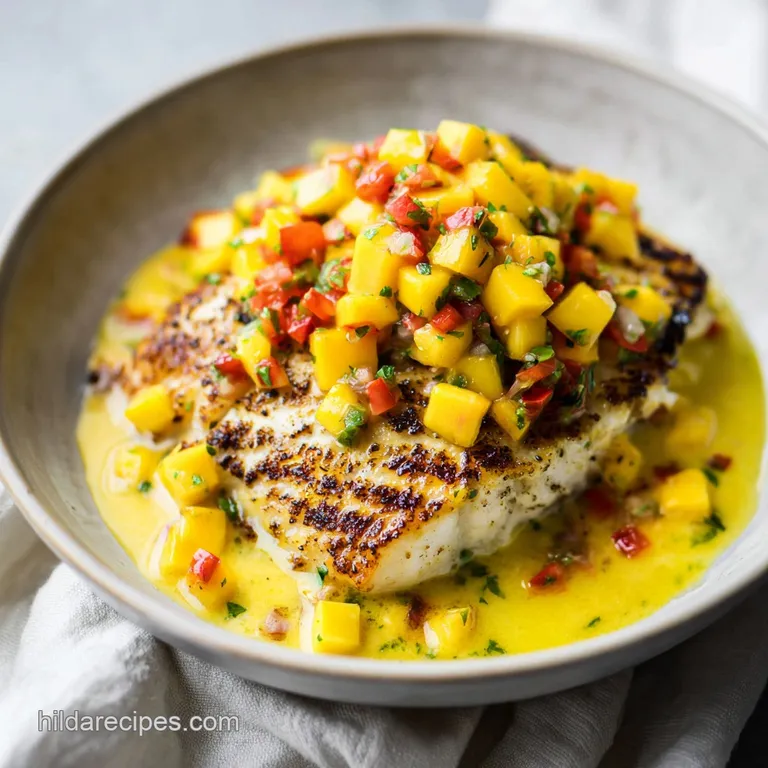
This process moves quickly once the fish hits the heat, so having your salsa and sauce ready to go is the best way to ensure a stress free dinner.
- Prep the fish. Pat the 4 Mahi Mahi fillets dry with paper towels. Note: Surface moisture is the enemy of a good sear; it creates steam instead of a crust.
- Apply the rub. Whisk together the avocado oil, smoked paprika, garlic powder, 1/2 tsp cumin, sea salt, and black pepper.
- Coating. Brush the spice mixture evenly over both sides of each fillet.
- Assemble the salsa. Combine the diced mangos, red onion, jalapeño, cilantro, and the juice of one lime in a bowl.
- Whisk the sauce. Stir together the sour cream, 1 tbsp lime juice, 1/4 tsp cumin, and cayenne pepper until silky and combined.
- Preheat the grill. Bring your grill to medium high heat (about 400°F).
- Sear. Place the fish on the grates and cook for 4-5 minutes. Don't touch it until the edges turn opaque.
- The flip. Carefully flip the fillets using a fish spatula.
- Finish cooking. Grill for another 4-5 minutes until the fish flakes easily with a fork.
- Rest and serve. Let the fish rest for 2 minutes, then top generously with the mango salsa and a heavy drizzle of the creamy sauce.
Solving Common Texture Issues
Even with a simple recipe, things can go sideways if the heat isn't managed or the ingredients aren't prepped correctly. The most common heartbreak is seeing your beautiful fish stick to the grill and tear apart.
Why is my fish sticking?
This usually happens for two reasons: the grill wasn't hot enough, or the fish wasn't dry enough. When the cold, wet protein hits a luke warm grate, it bonds to the metal. You need that over high heat "shock" to create a seared layer that naturally releases from the grates.
| Problem | Root Cause | Solution |
|---|---|---|
| Fish is dry | Overcooking or low heat | Use a thermometer; pull at 140°F and let carryover heat finish it |
| Salsa is watery | Salt drew out moisture too early | Add the salt and lime juice to the salsa right before serving |
| Sauce is too thick | Too much sour cream, not enough lime | Add a teaspoon of water or more lime juice until it drizzles easily |
Common Mistakes Checklist
- ✓ Skipping the paper towel step (wet fish will never get a crispy crust)
- ✓ Flipping the fish too early (if it resists, it’s not ready to flip)
- ✓ Using underripe, chalky mangos (they won't provide the necessary sweetness)
- ✓ Crowding the grill (this lowers the grate temperature and leads to steaming)
- ✓ Forgetting to seed the jalapeño (unless you want a very aggressive heat)
Dietary Substitutions and Shifts
This recipe is naturally gluten-free and can be easily adjusted for various dietary needs without losing its soul. For a dairy-free version, the sour cream sauce is the only hurdle.
- For a Vegan/dairy-free Sauce: Swap the sour cream for a thick cashew cream or the solid part of a chilled can of full fat coconut milk. Add a splash of apple cider vinegar to mimic the tang of the sour cream.
- Low Carb/Keto: Mango is higher in natural sugars, so you can reduce the amount of mango and sub in diced avocado or cucumber for bulk.
- Paleo: Use a compliant mayo or avocado based crema instead of the sour cream.
Adjusting for Scale
When cooking for one or two, you can easily halve the recipe. For the egg wash trick mentioned in the scaling rules, since we don't use eggs here, simply use half the spice mix and keep the salsa ratios the same leftover salsa is a treat the next day anyway.
If you're doubling the recipe for a party, work in batches. Overcrowding the grill will drop the temperature too fast, and you'll lose that "sizzle" that defines the dish.
| Servings | Mahi Mahi | Mango | Sour Cream | Pan/Grill Space |
|---|---|---|---|---|
| 2 people | 2 fillets | 1 mango | 1/4 cup | 1/2 grill surface |
| 4 people | 4 fillets | 2 mangos | 1/2 cup | Full grill surface |
| 8 people | 8 fillets | 4 mangos | 1 cup | Work in 2 batches |
Kitchen Myths and Realities
There's a lot of "old school" advice that can actually hinder your progress when grilling seafood. Let's clear up a few things.
Myth: Searing "seals in the juices." In reality, searing is about flavor and texture. Moisture is lost through evaporation regardless of how hard you sear the outside.
The goal of the sear is the Maillard reaction creating those complex, savory flavor compounds that make the fish taste incredible. The moisture is actually retained by not overcooking the internal proteins.
Myth: You must leave the skin on for flavor. While skin can help hold a fillet together and provides a barrier against heat, it’s not a requirement for flavor. If you prefer skinless Mahi Mahi, you can still get a fantastic crust by using enough oil and ensuring the grill is properly preheated.
Storage and Sustainability Tips
Fish is always best eaten the moment it leaves the grill, but life happens. If you have leftovers, they make for an incredible cold salad the next day.
- Fridge: Store the grilled fish and the salsa in separate airtight containers for up to 2 days. Keeping them separate prevents the fish from becoming soggy from the lime juice.
- Freezer: I don't recommend freezing the grilled fish, as the texture becomes grainy upon thawing. However, you can freeze raw Mahi Mahi fillets for up to 3 months.
- Reheating: Avoid the microwave! It will turn your fish into rubber. Instead, gently warm the fillets in a pan over low heat with a splash of water and a lid to create a little steam.
- Zero Waste: Don't throw away those cilantro stems! Finely mince them and add them to the salsa they have more flavor than the leaves. Also, the lime rinds can be tossed into a pitcher of water for a refreshing drink while you cook.
Presentation and Pairing Ideas
Serving this dish is all about the colors. I like to plate the fish on a large, dark platter to make the orange of the mango and the green of the cilantro really pop.
- Taco Style: Flake the grilled fish and serve it in charred corn tortillas with the salsa and sauce for a casual hand held meal.
- Grain Bowl: Place the fillet over a bed of coconut rice or quinoa. The creamy sauce will act as a dressing for the entire bowl.
- The "Tropical Platter": Surround the fish with grilled pineapple rings and avocado slices for a full resort style experience.
The creamy sauce for Grilled Fish with Mango Salsa is the final touch that makes people ask for the recipe. It’s not just a topping; it’s the element that rounds out the edges of the spice.
Whether you are using Mahi Mahi or trying it with salmon, the interplay of the smoky rub and the chilled fruit will make this a staple in your summer rotation. Right then, let's get the grill fired up!
Recipe FAQs
Can I prepare the mango salsa ahead of time?
Yes, up to 4 hours ahead. Dice all components and mix, but hold off on adding the lime juice until just before serving to keep the fruit firm and bright.
What is the best internal temperature for grilling the Mahi Mahi?
Aim for 145°F for optimal safety and texture. Since fish continues to cook after removal, pull it off the heat when it hits 140°F and let it rest for a few minutes.
How to prevent the fish from sticking to the grill grates?
Ensure the grill is fully preheated and use an oil with a high smoke point. For an extra barrier, rub the hot grates with a halved onion before placing the seasoned fish down.
What firm white fish can I substitute for Mahi Mahi?
Halibut or Swordfish are excellent firm substitutes. They hold up well to the high heat of the grill without breaking apart, similar to how the protein sets in our Grilled Steak Bowl recipe.
Is it true that searing locks all the moisture inside the fish?
No, this is a common misconception. Searing creates flavor and texture via the Maillard reaction; moisture loss is prevented by avoiding overcooking the internal proteins.
How do I make the creamy sauce dairy-free?
Substitute full fat coconut milk or cashew cream for the sour cream. You need to add a splash of apple cider vinegar to replicate the necessary tanginess that cuts through the richness of the fish.
What if I don't have a grill; can I use an oven?
Broil on high, watching closely for char. Place the seasoned fillets on a baking sheet one level below the broiler element and cook for 5-7 minutes per side until opaque.
Grilled Fish With Mango Salsa
Ingredients:
Instructions:
Nutrition Facts:
| Calories | 324 kcal |
|---|---|
| Protein | 32 g |
| Fat | 14 g |
| Carbs | 18 g |
| Fiber | 3 g |
| Sugar | 13 g |
| Sodium | 345 mg |
