Easy Pie Crust: Flaky and All Butter
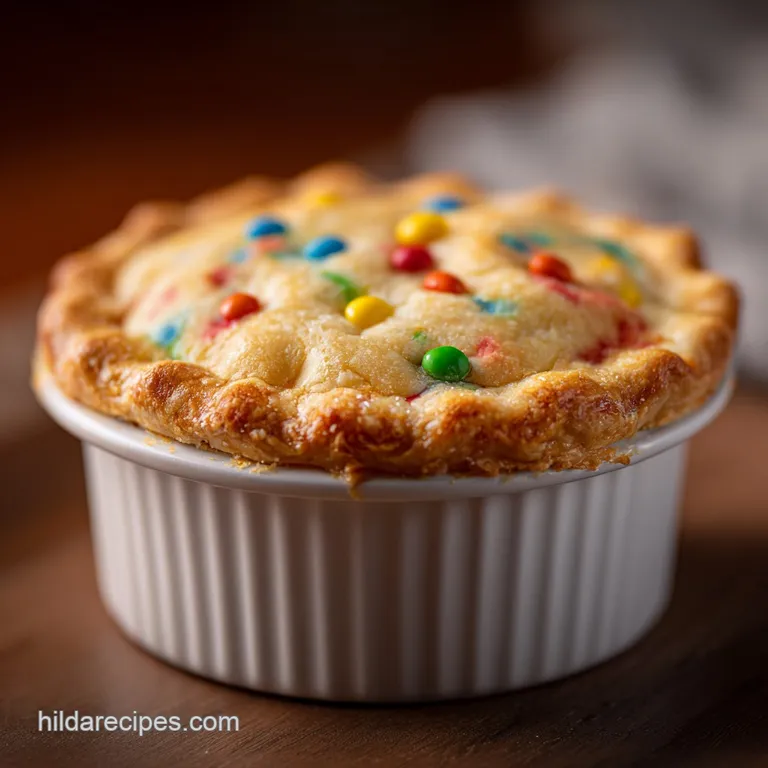
- Time: Active 15 minutes, Passive 1 hours, Total 1 hours 15 mins
- Flavor/Texture Hook: Multi layered, shattering flakiness with a neutral, buttery finish
- Perfect for: High stakes holiday baking, structural fruit pies, and savory galettes
- Precise Metrics and Performance Indicators
- Molecular Analysis of the Ingredient Matrix
- The Essential Formula and Functional Substitutes
- Technical Tooling for Temperature Control
- Systematic Procedure for Dough Integration
- Resolving Structural and Texture Anomalies
- Formula Scaling and Ratio Adjustments
- Debunking Common Pastry Assumptions
- Preservation Strategies and Waste Reduction
- Strategic Flavor Pairings and Applications
- Recipe FAQs
- 📝 Recipe Card
The history of the pie crust is a fascinating evolution from utilitarian containment to culinary excellence. In Medieval England, these were known as "coffyns" thick, nearly inedible walls of flour and water designed solely to preserve the meat inside during long journeys.
They were the original Tupperware, often discarded once the filling was consumed. It wasn't until the French began experimenting with pâte brisée and pâte feuilletée that the crust itself became the main event.
We are essentially standing on the shoulders of 16th-century pastry innovators who discovered that adding fat could transform a structural box into a delicate, layered masterpiece.
When you start mixing this Easy Pie Crust, you'll notice the tactile shift from sandy particles to a cohesive, shaggy mass. That transition is where the magic happens. I remember my first attempt years ago; I handled the dough like bread, kneading it until it was "smooth." The result was a literal brick that required a steak knife to cut.
Through technical observation, I realized that the goal isn't smoothness; it’s controlled chaos. We want discrete pockets of fat suspended in a flour moisture suspension.
This recipe is designed for the home cook who values precision over guesswork. We are looking for that specific sensory trigger: the sound of the crust "shattering" under a fork. It’s not just a snack; it’s an engineering feat involving lipids, proteins, and evaporation.
If you follow the temperature constraints and the timing windows I’ve outlined, you will produce a crust that rivals any professional patisserie.
Precise Metrics and Performance Indicators
The architecture of a great crust relies on three specific scientific pillars that dictate how the dough behaves under thermal stress. It is not about "feeling" the dough; it is about managing the variables that lead to a specific structural outcome.
- Lipid Layering: Solid fat must remain in discrete chunks to create physical barriers between flour layers. During baking, these fats melt and release steam, which forces the flour layers apart, creating the "shatter" effect.
- Gluten Inhibition: By coating flour particles in fat before adding water, we physically block the proteins (glutenin and gliadin) from linking together. This ensures the crust remains tender rather than chewy.
- Hydration Control: Adding just enough ice water to hydrate the starch without activating excess protein bonding is the key to a manageable dough that doesn't shrink.
- Thermal Recrystallization: Chilling the dough before it hits the oven allows the fat to return to a solid, stable state. If the fat is too soft, it simply soaks into the flour, resulting in a greasy, crumbly texture rather than distinct flakes.
| Thickness | Internal Temp | Rest Time | Visual Cue |
|---|---|---|---|
| 1/8 inch (rolled) | 40°F (chilled) | 1 hours | Opaque, cold to the touch |
| 1/4 inch (rim) | Room temp | 20 mins (freezer) | Holds shape when pressed |
| Finished Crust | 200°F (baked) | 30 mins (cool) | Deep golden, matte finish |
Precision in temperature is the most significant factor in this process. When the butter reaches 90°F (32°C), it begins to melt, losing its ability to create steam pockets. This is why we insist on "ice cube cold" ingredients.
The friction from your hands or a food processor can easily raise the temperature of the dough by 10-15 degrees in seconds. If you notice the dough becoming shiny or oily, stop immediately and return it to the refrigerator.
Molecular Analysis of the Ingredient Matrix
Understanding why each component exists in the formula allows you to troubleshoot the process in real time. We aren't just following a list; we are building a chemical system designed to react predictably to the high heat of the oven.
| Ingredient | Science Role | Pro Secret |
|---|---|---|
| All purpose flour | Provides the structural protein framework | Use a 10-11% protein flour for the best balance of strength and tenderness |
| Unsalted Butter | Creates steam pockets and adds flavor | Cube and freeze for 10 minutes before starting to ensure the core remains solid |
| Apple Cider Vinegar | Weakens gluten bonds and prevents oxidation | The acid lowers the pH, making it harder for gluten to form a tough network |
| Ice cold water | Hydrates starch and provides steam | Measure the water, then add ice. Only use the liquid to maintain exact ratios |
The interaction between the vinegar and the flour is particularly interesting. While the flavor isn't detectable in the final product, the acetic acid acts as a tenderizer. It effectively slows down the development of gluten, giving you a wider "margin of error" if you accidentally overwork the dough. This is a common technique in professional kitchens to ensure a consistent, velvety texture. For a different structural experience, you might compare this flaky texture to the dense, crumbly base found in a Coffee Cheesecake, where the fat to dry ratio is much higher and gluten isn't a factor.
The Essential Formula and Functional Substitutes
This formula is a classic 3-2-1 ratio by weight, though we have adjusted it slightly for maximum flakiness. Accuracy here is paramount. I highly recommend using a digital scale for the flour and butter to ensure the lipid distribution is consistent across the entire batch.
- 2 ½ cups (315g) All purpose flour: The primary structural component.
- 1 tsp (6g) Fine sea salt: Enhances flavor and tightens gluten slightly for better handling.
- 1 tbsp (12g) Granulated sugar: Aids in the Maillard reaction (browning) and adds a hint of balance.
- 1 cup (226g) Unsalted butter: Ice cube cold and cubed into ½-inch pieces. Why this? Higher fat content (80%+) provides more pronounced layering.
- ½ cup (120ml) Ice cold water: The hydration agent.
- 1 tsp (5ml) Apple cider vinegar: The chemical tenderizer.
| Original Ingredient | Substitute | Why It Works |
|---|---|---|
| Unsalted Butter | Vegetable Shortening | Higher melting point. Note: Lacks flavor and results in a "waxier" mouthfeel. |
| Apple Cider Vinegar | Fresh Lemon Juice | Similar acidity profile. Note: Adds a very faint citrus note to the crust. |
| All purpose flour | Pastry Flour | Lower protein content. Note: Produces an extremely delicate, crumbly crust that is harder to roll. |
Right then, let's talk about the fat. While shortening is easier to handle because it doesn't melt as quickly, it lacks the complex flavor and the specific water content (about 15-18%) of butter. That water content in the butter is exactly what turns into steam to lift the layers.
If you must use a substitute, I suggest a 50/50 blend of butter and shortening to get the "best of both worlds" flavor and stability.
Technical Tooling for Temperature Control
To make an Easy Pie Crust, you don't need a kitchen full of gadgets, but the tools you choose should minimize heat transfer. This is a technical requirement. Your goal is to keep the ingredients as cold as possible for as long as possible.
- Chilled Metal Bowl: Metal conducts temperature quickly; a bowl that has been in the freezer for 10 minutes will help keep your butter from softening.
- Pastry Cutter: This is superior to your hands because it doesn't transfer body heat. If you don't have one, two forks will work, but it takes longer speed is your friend here.
- Digital Scale: Volumetric measurements (cups) are notoriously inaccurate. A cup of flour can weigh anywhere from 120g to 160g depending on how it's packed.
- Marble or Metal Rolling Pin: Like the bowl, these stay colder than wood, preventing the dough from sticking and the fat from melting during the shaping phase.
Chef's Tip: If you find your kitchen is too warm (above 75°F/24°C), fill a large baking sheet with ice and rest your mixing bowl on top of it while you work the butter into the flour. This creates a "cold zone" that protects the dough's integrity.
Systematic Procedure for Dough Integration
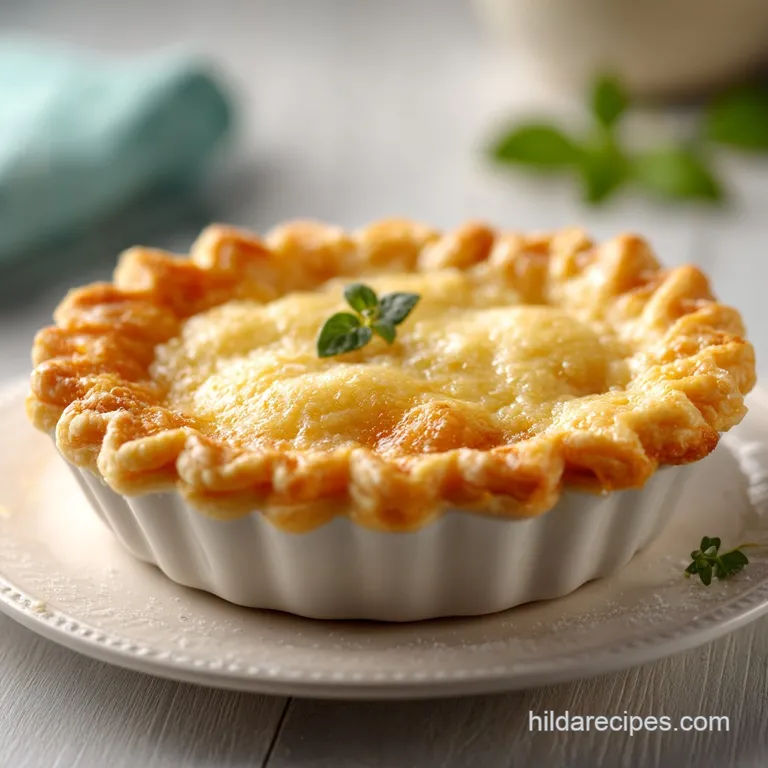
Follow these steps with precision. Do not rush the chilling stages, as they are essential for the physical chemistry of the crust to work correctly.
- Prep the hydration: Mix the apple cider vinegar into the ½ cup ice water. Ensure there are still ice cubes in the water to maintain a temperature near 32°F (0°C).
- Aerate the dry base: In a chilled glass or metal mixing bowl, whisk together the 2 ½ cups flour, 1 tsp salt, and 1 tbsp granulated sugar.
- Incorporate the lipids: Drop in the cold butter cubes. Using a pastry cutter, press the butter into the flour. Stop when you see variety: some bits like coarse breadcrumbs, others like flattened, pea sized discs.
- Initial hydration: Drizzle half of the vinegar water liquid over the flour and butter mixture.
- Form the shaggy mass: Using a rubber spatula, use a folding motion to incorporate the water. Note: Folding prevents the shearing of gluten strands which leads to toughness.
- Assess moisture levels: Add more liquid gradually, one tablespoon at a time, until the dough barely holds together when squeezed. It should look dry and "shaggy," not like a smooth ball.
- Partition and chill: Divide the dough into two discs, wrap tightly in plastic, and chill in the refrigerator for at least one hour.
- Mechanical rest: After rolling and shaping into a 9 inch pie plate, place the crust in the freezer for 20 minutes. This recrystallizes the fat and relaxes the gluten before it faces the heat.
Resolving Structural and Texture Anomalies
Even with a systematic approach, variables like humidity and flour age can affect the outcome. Analyzing the "symptoms" of a failing dough allows you to correct it before the baking process is complete.
Why is my dough cracking at the edges when I roll it?
Cracking is a sign of under hydration or the dough being too cold. If the dough has been in the fridge for several hours, it may be at 38°F (3°C), which is too brittle to bend. Let it sit at room temperature for 5-10 minutes.
If it still cracks, your initial hydration was likely too low.
Why did my crust shrink significantly during baking?
Shrinkage is almost always caused by "gluten memory." When you roll the dough, you stretch the protein strands. If you don't give them time to relax in the fridge or freezer before baking, they will snap back like rubber bands when hit with heat. The 20 minute freezer rest is your insurance against this.
| Problem | Root Cause | Solution |
|---|---|---|
| Tough/Chewy Texture | Over mixing or too much water | Handle dough less; use ice cold water only. |
| Greasy/No Layers | Butter melted before baking | Chill ingredients longer; avoid using hands. |
| Soggy Bottom | Filling moisture seeped in | Blind bake the crust or brush with egg wash before filling. |
Common Mistakes Checklist
- ✓ Never use room temperature butter (it will emulsify rather than layer).
- ✓ Don't add all the water at once; humidity changes how much you need daily.
- ✓ Avoid over working the dough; "shaggy" is the goal, not "smooth."
- ✓ Always rest the dough; it’s a non negotiable step for gluten relaxation.
- ✓ Use a hot oven; if the temp is too low, the butter leaks out instead of steaming.
Formula Scaling and Ratio Adjustments
Scaling a pastry recipe requires more than just multiplying the numbers. As volume increases, the surface area to mass ratio changes, which can affect how quickly the dough warms up.
- Halving (1 crust): Use 1 ¼ cups flour, ½ cup butter, and about ¼ cup water. Use a smaller bowl to keep the ingredients concentrated and cold.
- Doubling (4 crusts): When making a large batch, work in two separate bowls. A double batch in one bowl takes twice as long to mix, meaning the butter stays at room temperature for twice as long.
- Scaling Spices: If you are adding cinnamon or herbs, scale them at 1.5x the rate of the flour to ensure the flavor carries through the fat.
If you find yourself needing a simpler, faster alternative for a crowd, you might consider a Pecan Pie Dump Cake, which offers the same buttery flavor profile but eliminates the technical requirement of dough lamination. However, for a traditional presentation, the 3-2-1 ratio remains the gold standard.
Debunking Common Pastry Assumptions
There are several "old wives' tales" in the baking world that don't hold up under scientific scrutiny. Let's clear up the confusion so you can focus on what actually works.
- Myth: Vodka is better than water. While vodka inhibits gluten development because alcohol doesn't bond with flour proteins, it also evaporates faster. If you use too much, the dough becomes brittle and hard to roll. Ice cold water and vinegar achieve the same result with more structural stability.
- Myth: You must use "Pastry Flour." While pastry flour has less protein, it often lacks the strength to hold up heavy fruit fillings. All purpose flour is the "workhorse" for a reason it provides the perfect balance of crispness and structural integrity.
- Myth: Searing the bottom prevents sogginess. Some people think "pre searing" a crust on the stovetop works. It doesn't. The only way to prevent a soggy bottom is to create a moisture barrier (like an egg wash) or to use a high enough initial temperature to set the crust before the filling releases its juices.
Preservation Strategies and Waste Reduction
Pastry dough is a prime candidate for "zero waste" cooking. Because it is high in fat and low in moisture, it stores exceptionally well and scraps can be repurposed into secondary snacks.
- Storage: Wrap the dough discs in a double layer of plastic wrap and then a freezer bag. Refrigerate for up to 3 days or freeze for up to 3 months. Thaw in the fridge overnight before rolling.
- Zero Waste Scraps: Never throw away the trimmings. Gather them up, sprinkle with cinnamon sugar or Parmesan cheese, and bake them at 400°F (200°C) for 8-10 minutes. They make incredible "pie fries."
- Pre shaped Freezing: You can actually roll the dough out, place it in a foil pie pan, and freeze the whole thing. This "ready to bake" method is perfect for holiday prep. Just add 5 minutes to the baking time if starting from frozen.
Strategic Flavor Pairings and Applications
The neutrality of this Easy Pie Crust makes it a versatile canvas. Depending on your choice of salt and the inclusion of sugar, you can pivot between sweet and savory applications with ease.
For a sweet application, this crust is the ideal vessel for high moisture fruit fillings like apple or cherry. The structural integrity of the flour matrix prevents the base from collapsing under the weight of the fruit. If you're looking for a rich, decadent pairing, consider using this crust for a traditional nut based pie. It provides a sharp, clean contrast to the dense, syrupy texture of something like a Pecan Pie, which is a classic for a reason.
On the savory side, omit the tablespoon of sugar and add a teaspoon of dried thyme or cracked black pepper to the flour. This version is perfect for chicken pot pies or quiches. The flakiness of the butter layers complements the creaminess of a savory gravy or custard perfectly.
Trust me on this: once you master the technical aspects of the cold fat integration, you'll never go back to store-bought. The difference in texture isn't just noticeable it's transformational. Now, go get that butter in the freezer and let's get baking!
Recipe FAQs
What's the secret to a good pie crust?
Temperature control is the absolute priority. By keeping the butter ice-cube cold and chilling the dough for an hour, you ensure the fat remains solid until it hits the oven, creating those signature flaky layers.
Is pie crust better with butter or crisco?
Butter is superior for flavor and texture. While vegetable shortenings are easier to handle, butter provides a rich, complex taste and a crispier, more defined lamination that makes for a much higher quality crust.
What are the three main ingredients used to make pie dough?
Flour, cold butter, and ice water are the primary structural components. These work together to create the foundation of the dough, while salt, sugar, and a touch of apple cider vinegar round out the flavor and tenderness.
What can I use if I don't have a pie crust?
Use a simple press-in crumb crust or skip the shell entirely by making a cobbler. If you enjoy the challenge of working with pastry, check out how we handle dough structures in our Mexicorn Dip, where texture focused layering is just as critical as it is for a pie.
How to keep the crust from shrinking in the oven?
Place the shaped crust in the freezer for 20 minutes before baking. This crucial step relaxes the gluten and ensures the fat is perfectly cold, preventing the crust from pulling away from the edges of your dish.
How to avoid a tough or chewy pie crust?
Limit your mixing to the "shaggy mass" stage. Never knead the dough like bread; over working the flour develops excess gluten, which turns a delicate, shattering pastry into a tough, dense shell.
Is it true I must leave the butter in big chunks?
No, this is a common misconception. You want a variety of sizes ranging from coarse breadcrumbs to small, pea-sized discs, as these varied textures are what provide the structural integrity and flakiness of the finished crust.
Easy Pie Crust Recipe
Ingredients:
Instructions:
Nutrition Facts:
| Calories | 176 kcal |
|---|---|
| Protein | 2.2 g |
| Fat | 11.6 g |
| Carbs | 15.8 g |
| Fiber | 0.5 g |
| Sugar | 0.8 g |
| Sodium | 144 mg |
