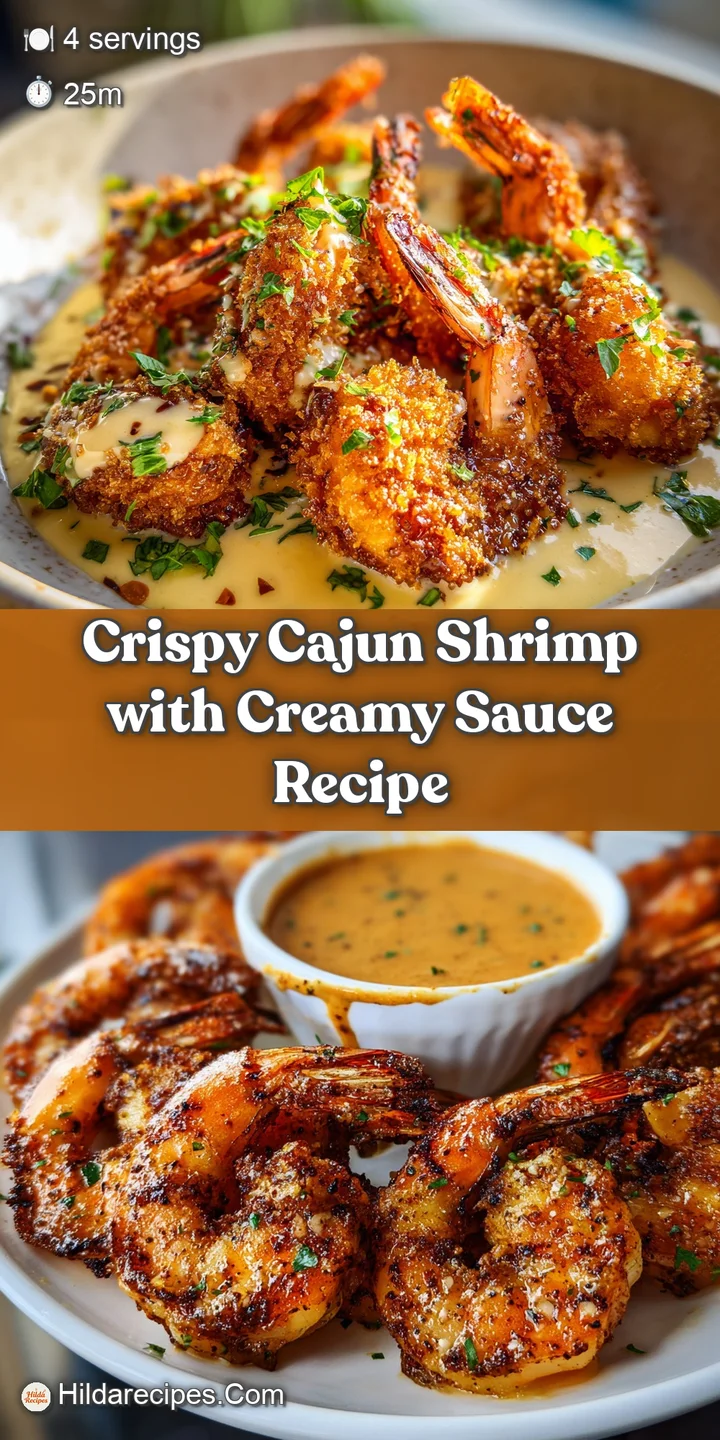
Crispy Cajun Shrimp with Creamy Sauce
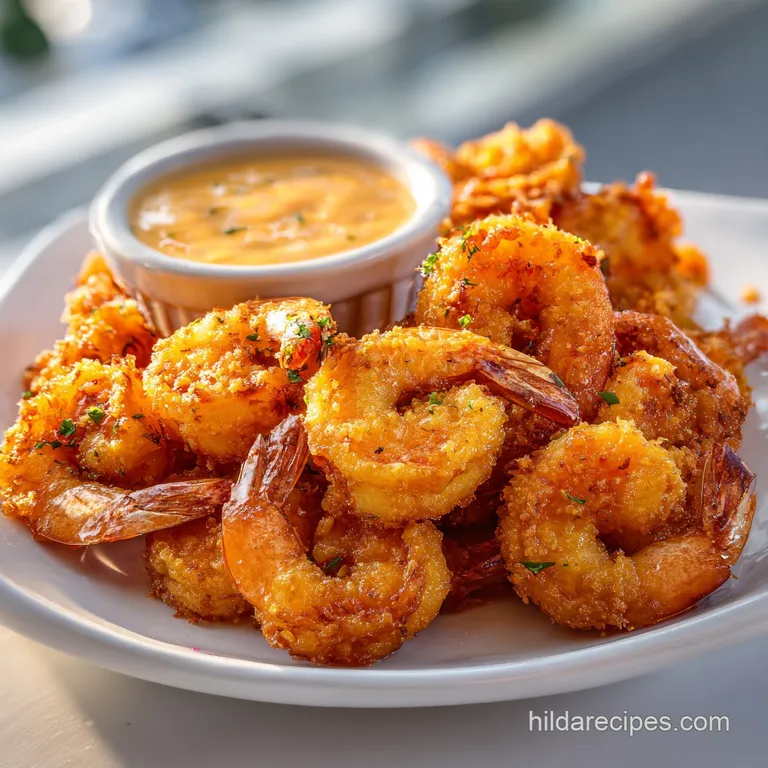
- Time: Active 15 minutes, Passive 10 minutes, Total 25 minutes
- Flavor/Texture Hook: Shatter crisp crust with a silky, heat forward finish
- Perfect for: Impressive weeknight dinners or a quick date night meal
- Mastering the Crispy Cajun Shrimp Recipe
- Logic Behind the Flavor Balance
- Crucial Recipe Specifics and Timing
- Curating the Best Pantry Elements
- Recommended Gear for Seared Success
- Executing the Multi Stage Cooking Process
- Resolving Common Kitchen Mishaps
- Creative Interpretations and Flavor Swaps
- Maintaining Quality During Storage
- Creative Plating and Presentation
- Recipe FAQs
- 📝 Recipe Card
Mastering the Crispy Cajun Shrimp Recipe
The first time I really understood the magic of this dish was in a tiny, humid kitchen in southern Louisiana. The air was thick with the scent of salt and swamp water, but the stove was singing.
I watched an old family friend drop a handful of dusted seafood into a cast iron skillet, and the sizzle was immediate, sharp, and promising. She told me the biggest mistake people make is babying the heat.
You want that pan screaming because shrimp wait for no one, and if they sit too long, they turn into rubber erasers.
We’re chasing a very specific feeling here: that first crunch when your teeth break through a seasoned crust, followed immediately by the snap of juicy, tender protein. It’s a contrast of textures that makes you want to reach for a piece of crusty bread just to swipe up every last drop of the sauce.
I’ve spent years trying to replicate that exact coastal shack vibe in my own kitchen, and I’ve learned that it isn't about complexity, it's about the physics of the sear.
This version of Cajun Shrimp is designed for those of us who want the depth of a slow simmered stew but only have about twenty minutes to get food on the table. We’re going to use a cornstarch based coating because it creates a much thinner, crispier "shell" than traditional flour.
When that shell meets the heavy cream and the punch of the Worcestershire, something transformative happens. It becomes a silky, spiced masterpiece that feels far more indulgent than the effort suggests.
Logic Behind the Flavor Balance
The success of this dish relies on a few fundamental principles of thermodynamics and moisture control. When we coat the seafood in cornstarch, we are creating a sacrificial barrier that absorbs surface moisture and fries into a brittle, glass like layer.
This protects the delicate interior from the direct, harsh heat of the pan, allowing the protein to reach its ideal internal temperature just as the outside reaches maximum crunch.
The Physics of the Crunch: Cornstarch consists of pure starch granules that, when fried, create a more rigid, non porous structure than all purpose flour. This prevents the heavy cream from immediately soaking into the crust, preserving the "shatter" texture even after the sauce is added.
Spice Bloom Mechanics: Smoked paprika and Cajun seasoning contain fat soluble flavor compounds that require heat to activate. By searing them directly onto the surface of the shrimp, we "bloom" these spices in the oil, intensifying their aromatic profile and deepening the color of the final sauce.
Chef Tip: The Thermal Shock
For the absolute crispest results, pat your shrimp bone dry with paper towels, then place them in the freezer for exactly 10 minutes before coating. This cold to hot transition prevents the interior from overcooking while the exterior develops its signature golden crust.
| Thickness | Internal Temp | Rest Time | Visual Cue |
|---|---|---|---|
| Medium (41/50) | 120°F | 2 mins | Opaque and "C" shaped |
| Large (31/40) | 145°F | 3 mins | Tightly curled, pink edges |
| Jumbo (21/25) | 145°F | 4 mins | Firm to touch, matte finish |
The resting period is non negotiable because carryover cooking will finish the job. If you keep them in the pan until they look "perfect," they will be overdone by the time they hit the plate. This is the same principle I use when preparing my Cajun Steak Tips recipe, where timing the rest is the difference between juicy and dry.
Crucial Recipe Specifics and Timing
We are working with a very narrow window of time here, so having your mise en place ready is the only way to avoid a kitchen catastrophe. Shrimp cook in the blink of an eye, and cream can scorch if you aren't paying attention. This dish is built on speed and precision, much like a traditional Frogmore Stew Recipe but condensed into a single skillet.
| Component | Science Role | Pro Secret |
|---|---|---|
| 0.5 cup Cornstarch | Moisture absorption | Dust just seconds before frying to prevent clumping |
| 1 cup Heavy Cream | Fat based emulsifier | Use room temp cream to prevent the sauce from breaking |
| 1 tbsp Tomato Paste | Umami and acidity | Sauté until it turns brick red to remove the "raw" tinny taste |
| 3 cloves Garlic | Aromatic foundation | Add only after the heat is lowered to avoid bitter burnt bits |
While the cream provides the velvety mouthfeel, the seafood stock is what adds the soul. It bridges the gap between the dairy and the protein, ensuring the sauce doesn't just taste like spiced milk.
If you can’t find seafood stock, a splash of clam juice or even a high-quality vegetable broth will work, though you'll miss a bit of that oceanic depth.
Curating the Best Pantry Elements
Selecting your ingredients with intention is what moves a dish from "fine" to "perfected." For the Cajun Shrimp, the quality of your spice blend matters immensely. Some store-bought blends are 90% salt, so always taste a tiny bit before you start seasoning.
If yours is salt heavy, cut back on any additional salt the recipe might call for.
- 1 lb large shrimp: Peeled and deveined. Look for "tail on" for a better presentation, though tail off is easier to eat.
- 0.5 cup cornstarch: This is our secret weapon for the "shatter" crust. Why this? It creates a crispier, lighter coating than flour by absorbing less oil during frying.
- 1 tbsp Cajun seasoning: Use a blend with cayenne, garlic powder, and onion powder.
- 1 tsp smoked paprika: This provides the deep, mahogany color and a hint of wood fired flavor.
- 2 tbsp neutral oil: Grapeseed or avocado oil works best due to their high smoke points.
- 2 tbsp unsalted butter: Added at the end for a glossy finish and rich flavor.
- 3 cloves garlic: Freshly minced is a requirement here; the jarred stuff is too acidic.
- 1 cup heavy cream: Do not substitute with half and half, or the sauce will be too thin.
- 0.5 cup seafood stock: Adds essential depth. Why this? It reinforces the natural sweetness of the shrimp and balances the heavy dairy.
- 1 tbsp tomato paste: Concentrates the flavor and thickens the emulsion.
- 1 tsp Worcestershire sauce: The "secret" ingredient for savory complexity.
- 0.5 tsp dried oregano: Adds a subtle earthy note that cuts through the richness.
- 0.25 cup freshly grated Parmesan cheese: Acts as a natural thickener and salt source.
- 1 tbsp fresh parsley: For a pop of color and a grassy finish.
- 1 lemon: Essential for brightening the fats with fresh acidity.
| Original Ingredient | Substitute | Why It Works |
|---|---|---|
| Seafood Stock | Clam Juice | Similar salinity and oceanic profile. Note: Can be saltier than stock. |
| Heavy Cream | Full fat Coconut Milk | Provides similar fat content. Note: Adds a distinct tropical flavor. |
| Cornstarch | Arrowroot Powder | Great for gluten-free needs. Note: Does not hold crispness as long. |
If you find yourself out of seafood stock and clam juice, you can actually make a quick "tea" by simmering the shrimp shells in a cup of water for ten minutes while you prep the other ingredients. This zero waste trick adds incredible flavor that no store-bought box can match.
Recommended Gear for Seared Success
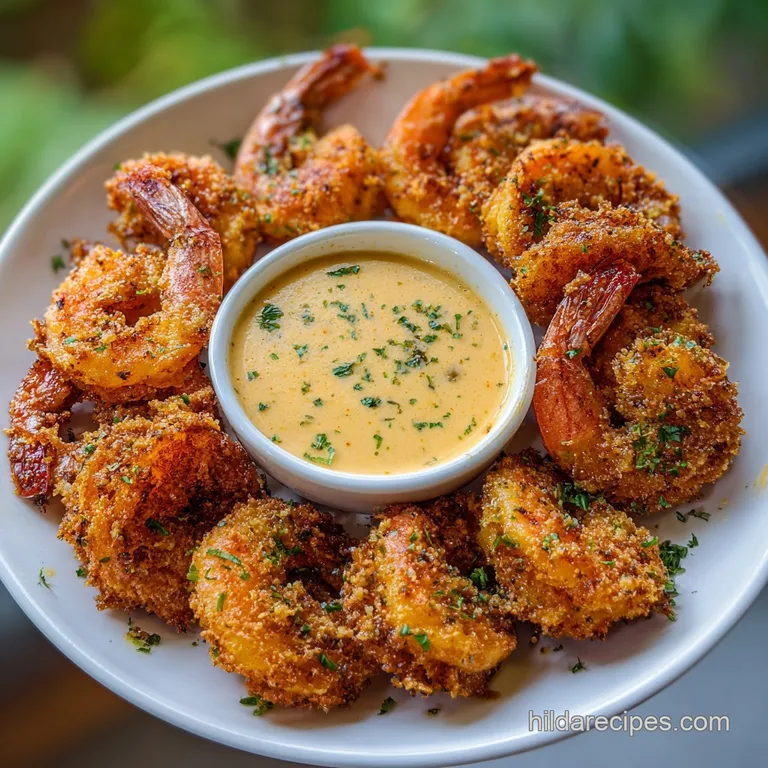
You don't need a professional kitchen, but a few specific tools will make this process significantly smoother. A heavy bottomed skillet is your best friend here. Stainless steel or cast iron are the gold standards because they hold heat evenly.
When you drop cold protein into a thin, cheap pan, the temperature plummets, and instead of searing, your food begins to steam.
- Large Skillet: 12 inches is ideal to avoid overcrowding.
- Fine Mesh Sieve: Essential for dusting the cornstarch evenly without leaving thick, gummy clumps.
- Metal Tongs: For precise flipping and ensuring every side gets that golden brown finish.
- Whisk: To keep the cream sauce smooth as you incorporate the cheese.
Chef Tip: The Spice Bloom
Before adding the liquid components, push your aromatics to the side of the pan and let the tomato paste and spices hit the hot metal for 30 seconds. This creates a "maillard" effect for the spices themselves, unlocking oils that would otherwise stay trapped in the dried herbs.
Executing the Multi Stage Cooking Process
- Prep the foundation. Pat the 1 lb of shrimp completely dry with paper towels. Note: Surface moisture is the enemy of a good sear.
- Create the coating. In a shallow bowl, whisk together the 0.5 cup cornstarch, 1 tbsp Cajun seasoning, and 1 tsp smoked paprika.
- Dust the shrimp. Toss the shrimp in the starch mixture until lightly coated, then shake off any excess through a sieve.
- Sizzle and sear. Heat 2 tbsp oil in a large skillet over medium high heat until the oil ripples and a faint wisp of smoke appears.
- Fry in batches. Add the shrimp in a single layer, ensuring they don't touch. Fry for 2 minutes per side until the edges are golden and the crust feels firm. Remove and set aside.
- Build the base. Lower heat to medium, add 2 tbsp butter to the same pan, and sauté the 3 cloves of minced garlic for 1 minute until fragrant but not browned.
- Deglaze the pan. Stir in the 1 tbsp tomato paste, 1 tsp Worcestershire, and 0.5 tsp oregano. Pour in the 0.5 cup seafood stock, scraping the bottom of the pan to release the flavorful browned bits.
- Thicken the sauce. Pour in the 1 cup heavy cream and simmer for 3 minutes until the sauce begins to coat the back of a spoon.
- Finish the emulsion. Whisk in the 0.25 cup Parmesan cheese until melted and velvety. Note: Do not let the sauce boil vigorously once the cheese is in, or it may grain.
- Reunite the textures. Toss the crispy shrimp back into the sauce for 30 seconds to warm through. Garnish with parsley and serve immediately with lemon wedges.
Resolving Common Kitchen Mishaps
We’ve all been there the sauce looks broken, or the shrimp feel more like rubber balls than seafood. Usually, the culprit is heat management. If your sauce separates, it's likely because the cream boiled too hard or the cheese was added to a surface that was way too hot.
Why Your Cream Sauce Broke
A broken sauce occurs when the fat separates from the liquid, leaving you with an oily mess. This often happens if the heat is too high or if you use a low-fat dairy substitute.
| Problem | Root Cause | Solution |
|---|---|---|
| Gritty Texture | Cheese added to boiling liquid | Remove from heat before stirring in Parmesan. |
| Oily Separation | Sauce boiled too long | Whisk in a teaspoon of cold heavy cream to re emulsify. |
| Soggy Shrimp | Sauce too thin or shrimp added too early | Simmer sauce longer before adding shrimp back in. |
Why Your Shrimp Is Rubbery
Overcooking is the most frequent crime committed against shrimp. They continue to cook for a minute even after you take them off the heat.
- ✓ Pat shrimp completely dry before searing (prevents steaming)
- ✓ Preheat the pan for 3 full minutes before adding oil
- ✓ Don't overcrowd the pan - work in batches to maintain high heat
- ✓ Remove shrimp from the pan slightly before they look "perfect"
- ✓ Use room temperature cream to avoid thermal shock to the sauce
Creative Interpretations and Flavor Swaps
While this recipe is perfected as is, I know we all like to raid the pantry and see what else works. If you're looking for a leaner option, you can swap the heavy cream for a mix of evaporated milk and a little extra cornstarch, though the texture won't be quite as "velvety." For a different protein profile, this exact method works beautifully with scallops or even thinly sliced chicken breast.
If you are a fan of balanced, one pan meals, you might enjoy serving this over a Grilled Steak Bowl recipe for a "surf and turf" vibe that feels incredibly high end.
Scaling for a Crowd: To double (8 servings): Work in four batches for the frying stage. If you try to do too many at once, the pan temperature will drop, and you'll lose that "shatter" crunch.
To halve (2 servings): Use a smaller 8 inch skillet to ensure the sauce doesn't evaporate too quickly. Use 1 whole egg yolk instead of trying to measure half an egg if you use a wash (though this recipe uses starch dusting).
Maintaining Quality During Storage
Shrimp is best enjoyed immediately. There is no getting around the fact that the crispy exterior will eventually soften as it sits in the cream sauce. However, if you do have leftovers, they can be stored in an airtight container in the fridge for up to 2 days.
Reheating: Avoid the microwave at all costs. It will turn your seafood into tiny rubber tires. Instead, heat a skillet over low heat with a splash of milk or stock. Add the leftovers and stir gently just until warmed through.
Zero Waste Tip: Don't throw away those lemon rinds! After squeezing the juice over your Cajun Shrimp, toss the spent rinds into a pot of simmering water with a stick of cinnamon. It’s a natural kitchen deodorizer that clears out the smell of frying oil and garlic in minutes.
Creative Plating and Presentation
Presentation is about more than just looking good; it's about setting expectations for the flavors to come. Since this dish is rich and creamy, I like to use wide, shallow pasta bowls rather than flat plates. This keeps the sauce pooled around the base of the shrimp, inviting the guest to dip and swirl.
A final dusting of fresh parsley adds a necessary visual contrast to the deep oranges and reds of the sauce. I also suggest charred lemon wedges. Throw the lemon halves cut side down into the skillet for the last 60 seconds of cooking. The heat caramelizes the sugars in the lemon, making the juice sweeter and giving the plate a professional, "burnt" aesthetic that hints at the smoky paprika inside. For a complete meal, I often serve this alongside a bright, acidic slaw or even a simple bed of Mexican Street Corn recipe inspired salad to cut through the heavy cream.
Recipe FAQs
What is the secret to crispy shrimp?
Use cornstarch instead of flour. Cornstarch creates a thinner, more rigid coating that fries up crispier and resists becoming soggy when introduced to the sauce.
What is creamy creole sauce made of?
It’s a base of heavy cream, seafood stock, and tomato paste. The sauce gets its depth from blooming the Cajun spices directly in the fat and adding Worcestershire for savory complexity.
What is the secret to a good creamy sauce?
Use room temperature heavy cream and never let it boil rapidly after adding cheese. Simmer gently until the sauce coats the back of a spoon, then remove from heat to incorporate the Parmesan slowly.
What sauce to eat with crispy shrimp?
A rich, spiced cream sauce thickened with Parmesan is ideal. This specific Cajun cream sauce provides the necessary velvety contrast to the shatteringly crisp exterior coating.
How to ensure the shrimp crust stays crispy after adding the sauce?
Toss the crispy shrimp back into the sauce for only 30 seconds just before serving. This minimal contact time warms the shrimp without allowing the cornstarch crust to fully absorb the liquid.
Is it true I must use high heat to achieve a proper sear on the shrimp?
Yes, the pan must be hot, around the point of shimmering oil. Dropping cold, coated shrimp into a low-temperature pan causes them to steam rather than sear, resulting in a soft, oil-logged crust.
Can I use regular all-purpose flour instead of cornstarch for coating?
No, stick with cornstarch for maximum crispness. Flour creates a thicker, heavier coating that tends to absorb more oil and softens much faster once it hits the wet sauce.
Crispy Creamy Cajun Shrimp
Ingredients:
Instructions:
Nutrition Facts:
| Calories | 538 kcal |
|---|---|
| Protein | 29.6 g |
| Fat | 38.2 g |
| Carbs | 18.4 g |
| Fiber | 0.8 g |
| Sugar | 2.1 g |
| Sodium | 715 mg |
