Chinese Pineapple Chicken: Crispy and Glazed
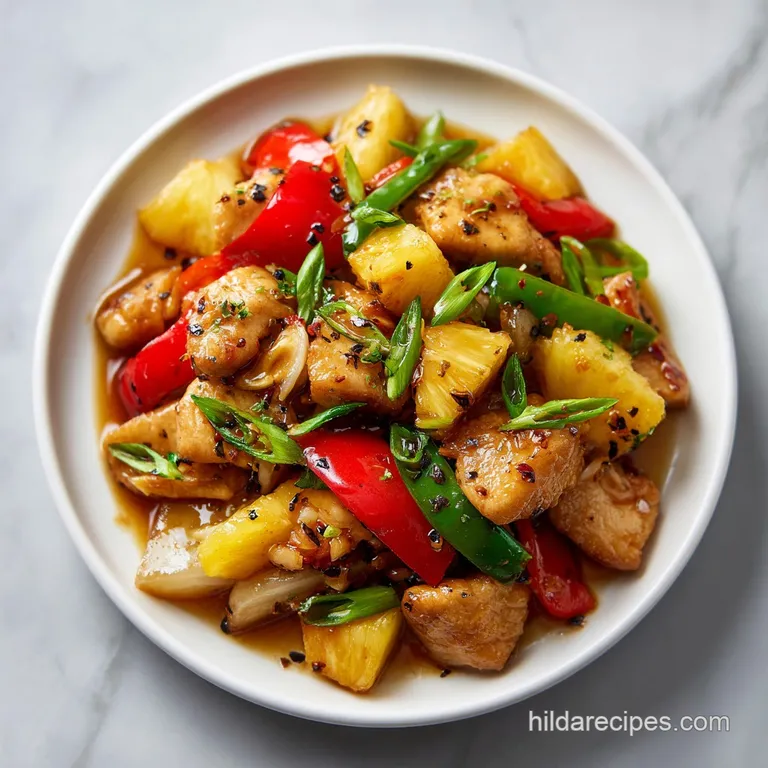
- Time: Active 15 minutes, Passive 10 minutes, Total 25 minutes
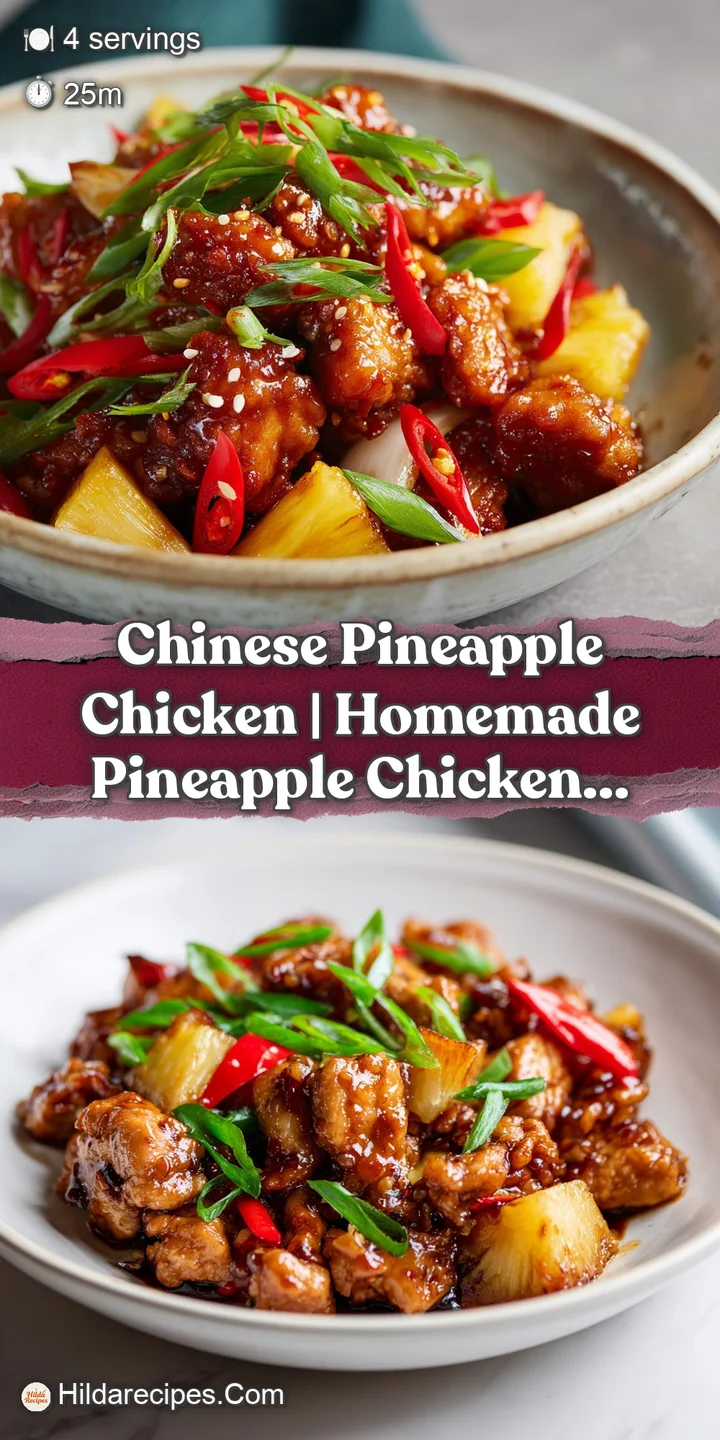
- Flavor/Texture Hook: Shatter crisp chicken with silky tropical glaze
- Perfect for: Family weeknight dinners and traditional comfort cravings
- The Ultimate Authentic Chinese Pineapple Chicken Recipe
- Achieving The Perfect Glossy Texture
- Secrets Of Our Ingredient Selection
- Essential Tools For Better Results
- Master The Simple Cooking Process
- Fix Common Stir Fry Problems
- Simple Swaps For Special Diets
- Managing Leftovers and Scaling Recipes
- Perfect Side Dishes For Serving
- Storage And Zero Waste
- Very High in Sodium ⚠️
- Recipe FAQs
- 📝 Recipe Card
The Ultimate Authentic Chinese Pineapple Chicken Recipe
The first thing you notice isn't the sweetness, it's the sharp, nose tingling aroma of fresh ginger hitting hot oil. It's that specific "sizzle" that tells you the pan is ready. I remember standing in my grandmother's kitchen, watching her toss cubes of chicken in a cloud of white starch.
She never used a timer, she just listened for the sound of the moisture leaving the meat, replaced by the crackling of a golden crust. That kitchen always smelled like a tropical garden meeting a savory hearth, a scent that still makes my mouth water today.
When we sit down to eat this, it's about more than just a quick meal. It's about the way the bright red bell peppers still have a distinct "snap" against the velvety sauce. This isn't like the gloopy, neon colored versions you find in cardboard takeout boxes.
This is a dish with soul, where the pineapple chunks are charred just enough to release their juices into the soy and vinegar base. We've spent generations refining this balance, ensuring the chicken stays firm and the fruit stays vibrant, creating a meal that feels like a warm hug from the inside out.
You're going to love how the cornstarch creates this thin, almost glass like shell around the chicken. It's a traditional technique we call "velveting" but with a dry twist that keeps things simple for the home cook. We're moving away from heavy batters and focusing on high heat and fast movements.
By the time the green onions hit the top as a garnish, you'll have a plate that looks like a professional chef made it, but tastes like home.
Achieving The Perfect Glossy Texture
The Dry Velvet Shield: Coating the chicken in cornstarch creates a sacrificial layer that browns quickly while keeping the interior meat incredibly tender and juicy.
Starch Gelatinization: When the cornstarch on the chicken meets the liquid sauce, it acts as a built in thickener, creating a seamless bond between protein and glaze.
The Sugar Acid Balance: Rice vinegar provides a sharp contrast to the brown sugar and pineapple juice, which prevents the sauce from feeling cloying or heavy on the palate.
Thermal Shock Searing: Using high heat for the aromatics allows the garlic and ginger to release their essential oils instantly without burning or turning bitter.
| Chicken Thickness | Internal Temp | Rest Time | Visual Cue |
|---|---|---|---|
| 1 inch cubes | 165°F | 3 minutes | Opaque center with golden crust |
| 0.5 inch strips | 165°F | 2 minutes | Edges curling and browned |
| 1.5 inch chunks | 165°F | 5 minutes | Firm bounce when pressed |
To get that restaurant quality finish, the heat management is everything. You want the oil shimmering but not smoking. If you add too much chicken at once, the temperature drops and the meat steams instead of searing.
Working in batches might seem like a chore, but it is the secret to getting that "shatter" texture we all love.
Secrets Of Our Ingredient Selection
Choosing the right components is what separates a mediocre stir fry from a family heirloom recipe. We always lean toward fresh aromatics because the dried versions just can't compete with the punch of freshly grated ginger.
It’s also worth mentioning that using 100% pineapple juice without added sugars gives you much better control over the final sweetness of the dish.
| Component | Science Role | Pro Secret |
|---|---|---|
| Cornstarch | Moisture Barrier | Toss twice for an extra thick, crispy shell |
| Rice Vinegar | Protein Softener | Adds a "bright" note that cuts through the soy saltiness |
| Brown Sugar | Caramelization | Use dark brown sugar for a deeper, molasses rich color |
| Fresh Ginger | Enzyme Breakdown | Grate it frozen to get a fine paste without the stringy fibers |
The ketchup might seem like a modern addition, but it provides the necessary acidity and lycopene for that classic reddish tint and a rounded umami depth. It's a trick many traditional households use to bridge the gap between the fruit juice and the salty soy sauce.
Essential Tools For Better Results
You don't need a professional kitchen, but a heavy bottomed skillet or a carbon steel wok makes a world of difference. These materials hold heat much better than thin aluminum pans, which is vital when you're adding cold vegetables to a hot surface.
If the pan loses its heat, your onions will turn limp and grey rather than charred and sweet.
Chef Tip: Freeze your ginger for 10 minutes before grating. It makes the fibers brittle so they snap off cleanly, leaving you with a smooth paste instead of a tangled mess.
A good microplane or a fine grater is also your best friend here. You want the garlic and ginger to practically melt into the sauce. Large chunks of garlic can burn during the over high heat sear, creating a bitter flavor that ruins the delicate pineapple balance. If you're looking for a great base for this meal, I highly recommend serving it alongside my creamy garlic chicken rice bowl for a different flavor profile next time.
Master The Simple Cooking Process
1. The Dry Velvet Prep
In a large bowl, toss the 1.5 lbs of chicken cubes with 0.5 tsp salt, 0.25 tsp white pepper, and 0.5 cup cornstarch until every piece is thoroughly coated and no longer tacky. Note: This creates a thin, protective shell that traps juices inside.
2. The over High heat Sear
Heat 2 tbsp neutral oil in a wok or skillet until shimmering. Add the chicken in a single layer and sear for 3-4 minutes per side until the edges are golden brown and the crust is firm. Remove chicken and set aside.
3. Aromatics and Vegetables
In the same pan, add the 1 red bell pepper (1 inch squares) and 1 small white onion (cut into petals). Stir fry for 2 minutes until the edges are slightly charred but the vegetables still have a snap.
4. Flavor Foundation
Push the vegetables to the side and add 2 cloves of minced garlic and 1 tsp grated fresh ginger. Sauté for 30 seconds until the air smells intensely fragrant and spicy.
5. Whisking the Sauce
In a small jar, combine 1 cup pineapple juice, 3 tbsp rice vinegar, 3 tbsp soy sauce, 2 tbsp brown sugar, and 1 tbsp ketchup. Pour this mixture into the pan with the vegetables.
6. The Thickening Phase
Bring the liquid to a simmer over medium high heat. Let it bubble for 2-3 minutes until the sauce reduces slightly and starts to look glossy.
7. Integrating the Fruit
Fold in 2 cups of fresh pineapple chunks. Cook for 1 minute until the fruit is warmed through and just starting to soften.
8. The Grand Reunion
Add the seared chicken back into the pan. Toss everything together for 1 minute until the sauce clings to the chicken in a thick, velvety layer.
9. Final Garnish
Turn off the heat and stir in 2 sliced green onions. The residual heat will wilt them just enough to release their mild onion flavor without losing their bright green color.
10. Serving
Plate immediately over hot steamed rice. The sauce will continue to thicken as it cools, so serving it "wok hot" ensures the best texture for the chicken's crust.
Fix Common Stir Fry Problems
Why Your Chicken Is Soggy
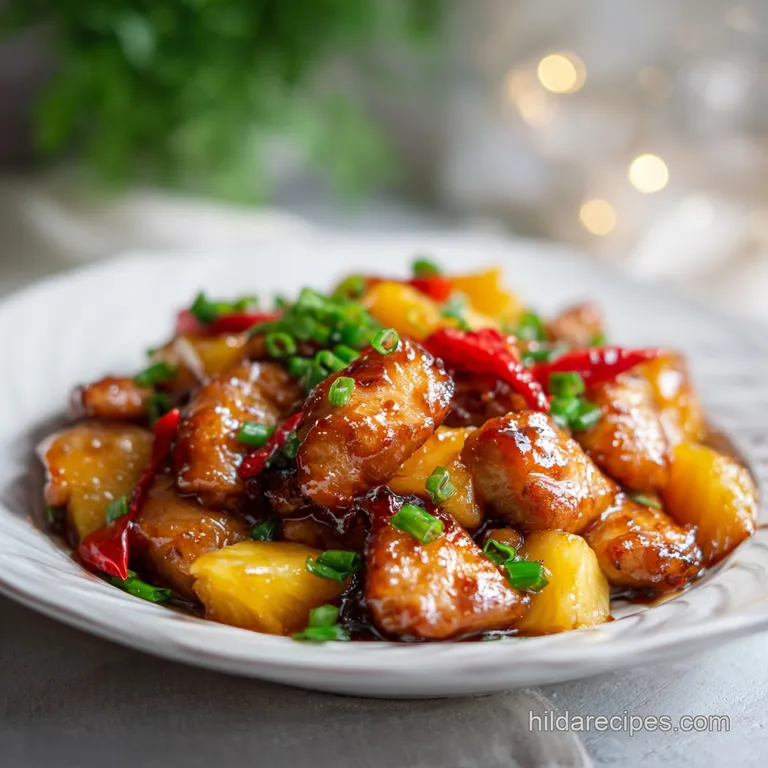
If your chicken comes out limp rather than crispy, it's usually a temperature issue. The oil must be shimmering before the chicken hits the pan. Also, avoid the temptation to stir the chicken constantly. Let it sit undisturbed for at least 3 minutes to let that cornstarch crust properly set and brown.
| Problem | Root Cause | Solution |
|---|---|---|
| Sauce is watery | Not enough reduction | Simmer for 2 extra minutes before adding chicken back |
| Burnt Garlic | Heat too high or added too early | Add aromatics only after vegetables are partially cooked |
| Tough Chicken | Overcooked during searing | Remove chicken as soon as it's golden; it finishes in the sauce |
Common Mistakes Checklist
- ✓ Pat the chicken completely dry with paper towels before adding the cornstarch.
- ✓ Use a neutral oil with a high smoke point like canola, peanut, or avocado oil.
- ✓ Don't overcrowd the pan; if the cubes are touching, they will steam instead of sear.
- ✓ Prep all your sauce ingredients and chopped veggies before turning on the stove.
- ✓ Ensure the pineapple chunks are roughly the same size as the chicken for even eating.
Simple Swaps For Special Diets
This dish is naturally quite flexible. If you're looking for something with a different flavor profile but the same convenience, you might enjoy my Teriyaki Chicken Bowl which uses a similar stir fry technique but with a focus on mirin and sake.
| Original Ingredient | Substitute | Why It Works |
|---|---|---|
| Soy Sauce (3 tbsp) | Tamari (3 tbsp) | gluten-free alternative with a very similar salty umami profile |
| Brown Sugar (2 tbsp) | Honey (1.5 tbsp) | More floral sweetness. Note: Honey browns faster, so watch the heat |
| Rice Vinegar (3 tbsp) | Apple Cider Vinegar | Similar acidity. Note: Adds a slight fruity/apple undertone |
| Chicken Breast | Extra Firm Tofu | Press the tofu well and coat in cornstarch for a vegetarian version |
When swapping ingredients, remember that the goal is to maintain the balance between the sweet pineapple juice and the acidic vinegar. If you use a sweeter vinegar like balsamic (not recommended!), you'll need to reduce the sugar significantly to keep the dish from becoming a dessert.
Managing Leftovers and Scaling Recipes
If you're cooking for a crowd, it's tempting to just double everything in one pan. Don't do it! A standard home burner cannot maintain the heat necessary for a double batch of stir fry. Instead, cook the chicken in four batches and the vegetables in two, then combine them with the sauce at the very end in a large pot.
- Scaling Down (1-2 people): Use a smaller 8 inch skillet. Reduce the cook time for the vegetables by about 30 seconds to prevent them from turning to mush in the smaller space.
- Scaling Up (8 people): Keep the aromatics (ginger/garlic) at 1.5x the original amount rather than 2x to prevent them from overpowering the delicate fruit notes.
- The "Batter" Myth: Many people think you need a thick egg batter for "authentic" chicken. In reality, a simple cornstarch dredge (the dry velvet method) provides a much lighter, crispier result that doesn't get as soggy when leftovers are reheated.
- The Searing Myth: Searing doesn't "lock in juices," but the Maillard reaction on the cornstarch crust creates the complex flavors we associate with high end Chinese Pineapple Chicken.
| Method | Time | Texture | Best For |
|---|---|---|---|
| Stovetop Wok | 10 minutes | Crispy and charred | Authentic flavor and texture |
| Sheet Pan Oven | 20 minutes | Tender and uniform | Hands off cooking for large groups |
| Air Fryer | 12 minutes | Extra crunchy | Health conscious version with less oil |
Perfect Side Dishes For Serving
While steamed white jasmine rice is the traditional partner for this dish, you can certainly branch out. The sauce is quite flavorful, so you want a side that can soak it up without competing for attention. A simple bed of quinoa or even rice noodles works beautifully.
For those who want a lower carb option, cauliflower rice is a fantastic substitute. Just sauté the cauliflower rice separately with a little bit of lime juice to mimic the brightness of the pineapple. If you have leftovers, they make an incredible cold salad topping the next day.
The flavors actually deepen overnight, though the chicken will lose its signature "shatter" crunch.
Storage And Zero Waste
Storage: You can keep leftovers in an airtight container in the fridge for up to 3 days. When reheating, I highly suggest using a toaster oven or a skillet rather than a microwave.
A few minutes in a hot pan will help revive some of the texture of the chicken crust, whereas the microwave will make it quite soft.
Freezing: This recipe freezes decently for up to 2 months, but be warned that the bell peppers will lose their "snap" once thawed. If you plan to freeze it, I recommend slightly undercooking the vegetables so they don't turn into a puree upon reheating.
Zero Waste: Don't throw away those green onion roots! You can place them in a small glass of water on your windowsill, and they will regrow in about a week. Also, if you have extra pineapple juice, it makes a fantastic base for a marinade for pork chops or even as a sweetener for a morning smoothie.
Every part of these ingredients has a purpose, just like the recipes passed down through my family.
Very High in Sodium ⚠️
985 mg 985 mg (43% 43%)
The American Heart Association recommends limiting sodium intake to no more than 2,300mg per day, with an ideal limit of less than 1,500mg per day for most adults.
Tips to Reduce Sodium
-
Low-Sodium Soy Sauce-20%
Replace regular soy sauce with low-sodium soy sauce. This is a significant source of sodium, and the switch can drastically reduce the overall sodium content.
-
Reduce Added Salt-10%
Omit the 0.5 tsp of salt entirely or reduce it to a pinch (about 1/8 tsp). The soy sauce and other flavorful ingredients will still provide adequate taste.
-
Use Unsweetened Pineapple-5%
Ensure the 100% pineapple juice is unsweetened and ideally low-sodium if available. While fruit juice is generally low in sodium, some processed versions can have added salt.
-
Boost Flavor with Herbs & Spices
Enhance the dish's flavor without adding sodium by using a generous amount of fresh ginger, garlic, white pepper, and green onions. Consider adding other herbs like cilantro for extra freshness.
Recipe FAQs
What is Chinese Pineapple Chicken?
It is a vibrant stir fry featuring crispy cornstarch coated chicken and fresh pineapple. The dish balances savory soy and ginger notes with the natural sweetness of pineapple and a tangy rice vinegar glaze.
What are the ingredients in sticky Pineapple Chicken?
The sauce base relies on pineapple juice, soy sauce, rice vinegar, brown sugar, ketchup, fresh ginger, and minced garlic. These are combined with chicken breast, cornstarch, bell peppers, white onion, and fresh pineapple chunks to create the signature flavor profile.
What is the most popular Chinese chicken dish?
While preferences vary, stir fried chicken dishes incorporating fruit or sweet and-sour glazes are global staples. If you enjoy the technique of searing proteins for a firm crust, apply these same searing principles to other high heat dishes to achieve perfect texture every time.
How to make Chinese pineapple sauce?
Whisk together pineapple juice, rice vinegar, soy sauce, brown sugar, ketchup, ginger, and garlic in a bowl. Simmer this mixture in the pan after the chicken and vegetables are seared to allow the cornstarch from the chicken coating to naturally thicken the sauce into a glaze.
How to keep the chicken crispy in the sauce?
Coat the chicken thoroughly in cornstarch and sear it in a single layer without overcrowding the pan. This prevents the chicken from steaming, ensuring a firm crust that holds its texture when tossed with the sauce right before serving.
Is it true I should use canned pineapple for better sauce?
No, this is a common misconception. Using fresh pineapple chunks provides a superior texture and structural integrity that holds up better during the quick stir fry process compared to the softer, canned variety.
How to reheat leftovers without losing texture?
Reheat the dish in a hot skillet for a few minutes instead of using a microwave. A skillet helps evaporate excess moisture, allowing the cornstarch coating to regain some of its original crispiness rather than becoming soggy.
Chinese Pineapple Chicken
Ingredients:
Instructions:
Nutrition Facts:
| Calories | 437 kcal |
|---|---|
| Protein | 39.5 g |
| Fat | 9.2 g |
| Carbs | 45 g |
| Fiber | 2.2 g |
| Sugar | 23.1 g |
| Sodium | 985 mg |
