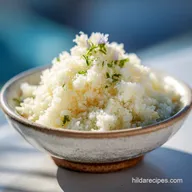
How Do You Make Horseradish Root
Fresh horseradish root provides a sharp kick that pre-packaged versions often lack. This quick method focuses on heat control, making it a reliable accompaniment for heavy meat dishes.
sharp and pungent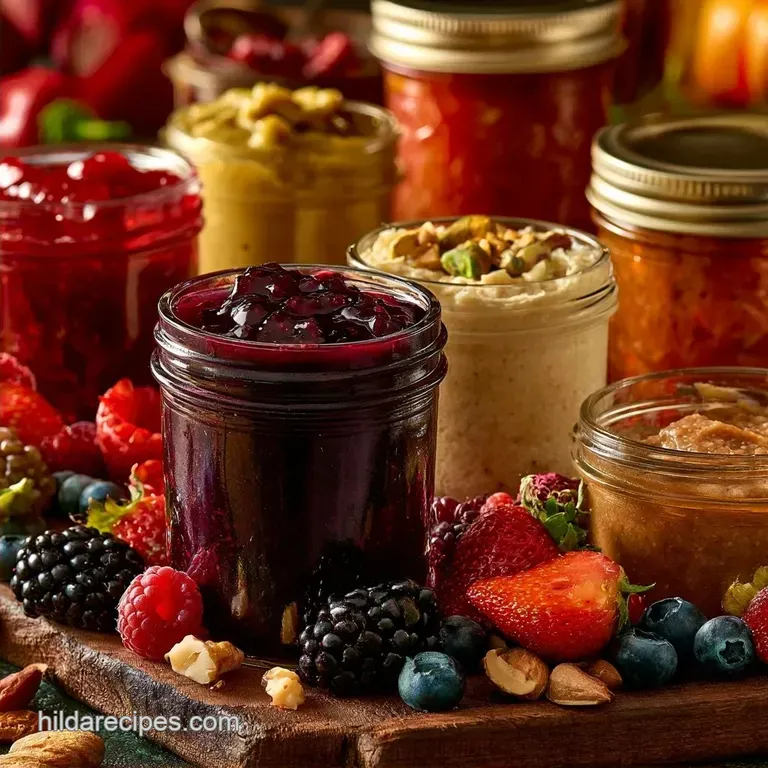
Making your own condiments and syrups at home offers a level of control you simply can't find in store-bought jars. By selecting specific ingredients like dried berries or fresh roots, you can adjust the heat, sweetness, and texture to suit your family's preferences.
These recipes focus on pantry staples and seasonal produce that bridge the gap between medicinal syrups and flavorful meal accents. Whether you are prepping a traditional sambucus syrup recipe homemade style for wellness or whipping up a quick dipping sauce, these basics become the backbone of a well-stocked kitchen.
These savory options rely on fresh ingredients like pungent roots and umami-rich liquids to create high-impact flavor. They differ from the sweet preserves by focusing on heat and acidity to balance rich protein dishes or savory dumplings.
Fresh horseradish root provides a sharp kick that pre-packaged versions often lack. This quick method focuses on heat control, making it a reliable accompaniment for heavy meat dishes.
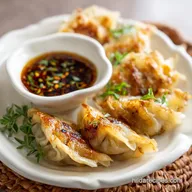
sharp and pungentThis five-minute dipping sauce balances salty and tangy notes for a versatile kitchen staple. It works well with dumplings or as a light marinade for pan-seared proteins and vegetables.
5-minute prepConcentrated sweetness defines this group, which ranges from thick elderberry syrups to set jellies and smooth nut spreads. Unlike the savory sauces, these recipes are designed to complement breakfast items, desserts, or appetizer platters featuring cheese.
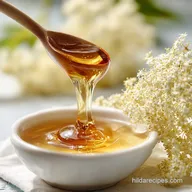
This sambucus syrup recipe uses dried berries and honey for a traditional approach to wellness. It is simple to prepare and keeps well in the refrigerator for regular use.
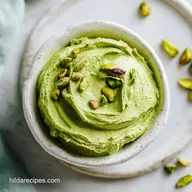
wellness focusHomemade pistachio butter offers a smooth alternative to traditional peanut spreads. By controlling the blending time, you can achieve a glossy finish that highlights the natural nuttiness of the ingredients.
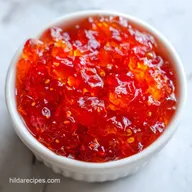
smooth nut spreadUtilizing low methoxyl pectin, this pepper jelly achieves a firm set without excessive sugar. It balances sweetness with a subtle heat that pairs exceptionally well with various soft cheeses.
sugar-free option| # | Recipes | Best For | Time | Difficulty | Pairs Best With |
|---|---|---|---|---|---|
| 1 | Fresh Homemade Horseradish | prime rib and beef | 15 min | Easy | beef or seafood |
| 2 | 5-Minute Potsticker Sauce | dipping dumplings | 5 min | Beginner | dumplings or rolls |
| 3 | Sambucus Syrup Recipe with Honey | immune support | 50 min | Easy | tea or yogurt |
| 4 | Pistachio Butter Recipe | toast and desserts | 15 min | Easy | toast or fruit |
| 5 | Sugar Free Pepper Jelly | cheese boards | 25 min | Intermediate | cheese and crackers |
Discover more curated recipe collections
Explore more recipe collections →